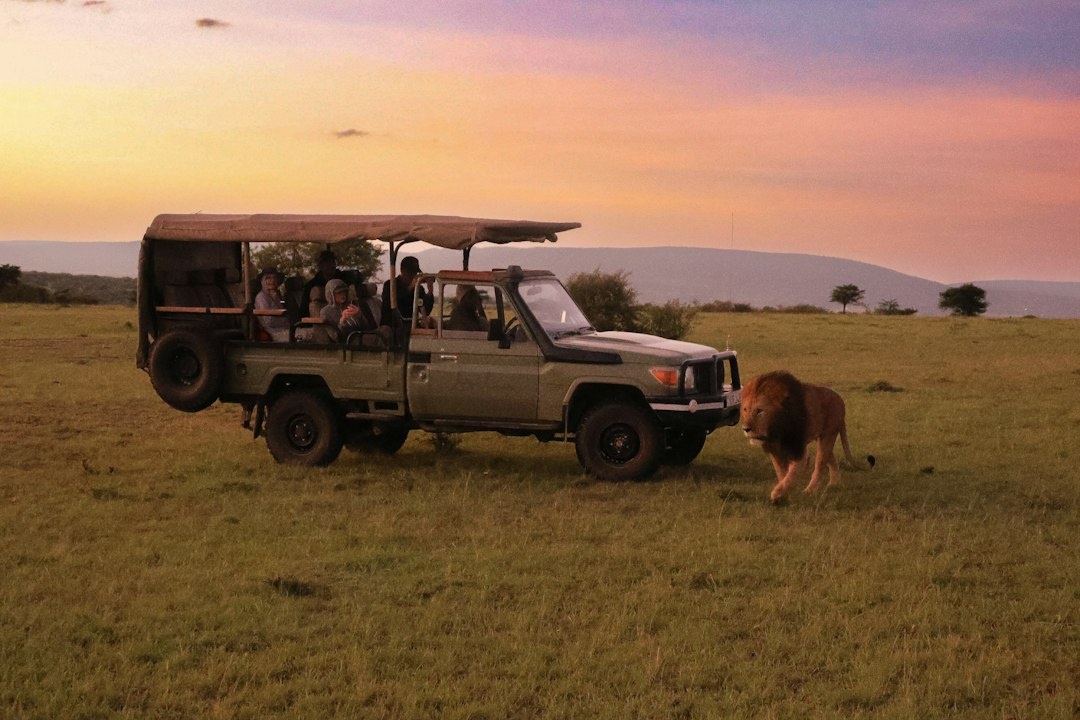
A three-night Kenya safari under $2,000 per person is still possible in October 2026, but the trade-off is brutally clear: Nairobi National Park buys the best lodge and least time in traffic, Amboseli delivers the strongest luxury-to-wildlife balance, and the Maasai Mara spends so much of the budget on park fees that accommodation quality drops. After comparing like-for-like road safaris, Amboseli is the best overall buy at approximately $1,878 (€1,615) per person sharing.
Key Takeaways
- Best overall: a three-night Amboseli safari costs about $1,878 (€1,615) per person sharing in October 2026.
- Most luxurious lodge: Nairobi National Park fits Ololo Safari Lodge into a $1,768 (€1,520) package with transfers of only 30–45 minutes.
- Best wildlife: Maasai Mara wins for predators and Big Five potential, but October park fees consume roughly $600 (€516) per adult.
- Longest transfer: Nairobi to the Maasai Mara is about 270 km but normally takes 5.5–6.5 hours each way by road.
- October timing: book the first three weeks for drier tracks and the tail end of migration season; short rains become more likely late in the month.
Key Numbers at a Glance
The comparison below assumes one adult sharing a double or twin room with another adult, private 4×4 transport split between two travelers, full board, scheduled game drives, park fees and Nairobi transfers. International flights, visas, premium alcohol and travel insurance are excluded.
Prices are October 2026 planning figures for a three-night/four-day safari, converted at $1 = €0.86. Lodge and operator quotes fluctuate with room category, vehicle occupancy and exchange rates, so obtain a written total before paying a deposit.
| Safari | 3-night price pp | Distance from Nairobi | Transfer each way | October park fees used | Overall score |
|---|---|---|---|---|---|
| Nairobi National Park | $1,768 / €1,520 | 10–25 km | 30–45 min | $129 / €111 | 8.2/10 |
| Amboseli | $1,878 / €1,615 | 240 km | 4.5–5.5 hr | $300 / €258 | 8.8/10 |
| Maasai Mara | $1,994 / €1,715 | 270 km | 5.5–6.5 hr | $600 / €516 | 8.5/10 |
The short answer: choose Amboseli if this is your only Kenya safari. Choose Nairobi National Park if comfort and efficiency matter more than wilderness scale. Choose the Maasai Mara if predators outrank thread count—and accept that “luxury” under $2,000 means a good permanent tent rather than a plunge-pool suite.
How the Safaris Were Scored
Calling every canvas room with a white duvet “luxury” makes safari comparisons useless. This ranking weights lodge quality at 35%, wildlife at 30%, transfer efficiency at 20% and value at 15%.
Lodge quality covers room privacy, bathroom standard, food, pool and service. Wildlife scores measure habitat and realistic sighting potential, not promised sightings; no ethical operator can guarantee a leopard, rhino or Kilimanjaro without clouds.
| Category | Weight | Nairobi NP | Amboseli | Maasai Mara |
|---|---|---|---|---|
| Lodge quality | 35% | 9.1 | 8.6 | 7.4 |
| Wildlife potential | 30% | 7.0 | 9.0 | 9.8 |
| Transfer efficiency | 20% | 10.0 | 6.8 | 5.5 |
| Value under $2,000 | 15% | 8.4 | 9.0 | 7.5 |
| Weighted result | 100% | 8.2 | 8.8 | 8.5 |
The calculations use three chargeable 24-hour park periods. This is especially important in the Maasai Mara, where entering at 2 p.m. on day one and leaving before 2 p.m. on day four can avoid a fourth fee period if the ticket and accommodation rules permit it.
Option 1: Nairobi National Park for Maximum Comfort and Minimum Transit
Nairobi National Park begins only about 10 km south of central Nairobi. From Jomo Kenyatta International Airport, the drive to the eastern gates can take 20–35 minutes without congestion, versus 5.5–6.5 hours to the Maasai Mara.
The luxury play is Ololo Safari Lodge, positioned beside the park on a former farm. Its swimming pool, landscaped grounds, farm-led kitchen and proper stone-and-timber rooms feel more polished than the entry-level camps the same budget buys in the Mara.
What $1,768 buys
| Nairobi National Park cost item | USD pp | EUR pp, October 2026 |
|---|---|---|
| Three nights, full board, shared room | $1,170 | €1,006 |
| Private vehicle, transfers and drives | $400 | €344 |
| Three park-fee periods | $129 | €111 |
| Water, driver tip allowance and contingency | $69 | €59 |
| Total | $1,768 | €1,520 |
The park’s standard visiting hours are approximately 6 a.m.–6 p.m. daily; verify gate and payment details through the Kenya Wildlife Service. Dawn is the priority: the difference between entering at 6:15 a.m. and 9 a.m. can be a lion beside the track versus a warm, quiet grassland.
Wildlife reality
Nairobi has lions, black and white rhinos, buffalo, giraffes, zebra and abundant antelope, but no resident elephants. It offers four of the Big Five, while the Maasai Mara potentially offers all five and Amboseli is Kenya’s elephant specialist.
Rhino odds are the reason to come. Nairobi’s compact road network can make a rhino search more productive than in the much larger Mara, although the city skyline, aircraft and occasional industrial views reduce the wilderness illusion.
Three nights are arguably one night too many unless you want recovery time after a long-haul flight. A two-night stay plus one night elsewhere in Nairobi often provides better variety.
If adding that city night, skip the theatrical set-menu experience at Carnivore and book Talisman in Karen instead; dinner typically runs $30–$50 (€26–€43) per person. Cultiva Farm Kenya is another stronger choice for produce-driven cooking, at roughly $25–$45 (€22–€39) before drinks.
Verdict: Nairobi National Park provides the best room, best pool and easiest logistics. It does not provide the most convincing multi-day wilderness safari.
Option 2: Amboseli for the Best Luxury-to-Wildlife Balance
Amboseli is roughly 240 km southeast of Nairobi, but the transfer usually takes 4.5–5.5 hours because of traffic, town slowdowns and the final approach. That is substantially easier than the Mara road, while still delivering a landscape that feels unmistakably wild.
The sub-$2,000 sweet spot is a package built around Amboseli Serena Safari Lodge or a similarly priced room at Ol Tukai. Serena is not a tiny boutique camp, but it has a pool, reliable service, airier public spaces and a location inside the park that makes early drives easier.
What $1,878 buys
| Amboseli cost item | USD pp | EUR pp, October 2026 |
|---|---|---|
| Three nights, full board, shared room | $825 | €710 |
| Private 4×4 and Nairobi return transfer | $590 | €507 |
| Three park-fee periods | $300 | €258 |
| Water, tips and contingency | $163 | €140 |
| Total | $1,878 | €1,615 |
Amboseli National Park generally operates from 6 a.m.–6 p.m., with fees paid through the KWS system rather than casually in cash at the gate. Ask the operator to show park fees as a separate line item; a suspiciously cheap all-inclusive quote often excludes them.
Why Amboseli wins
Amboseli’s elephant encounters are more consistent and visually dramatic than Nairobi’s nonexistent elephant viewing and the Mara’s more dispersed herds. Add buffalo, lions, cheetahs, hyenas, hippos and prolific wetland birds, and the wildlife return is unusually high for a compact park.
October sits at the end of Kenya’s long dry period and the start of the short-rains transition. Early October typically means dusty plains and concentrations around permanent wetlands; later October can bring greener scenery, afternoon storms and rougher tracks.
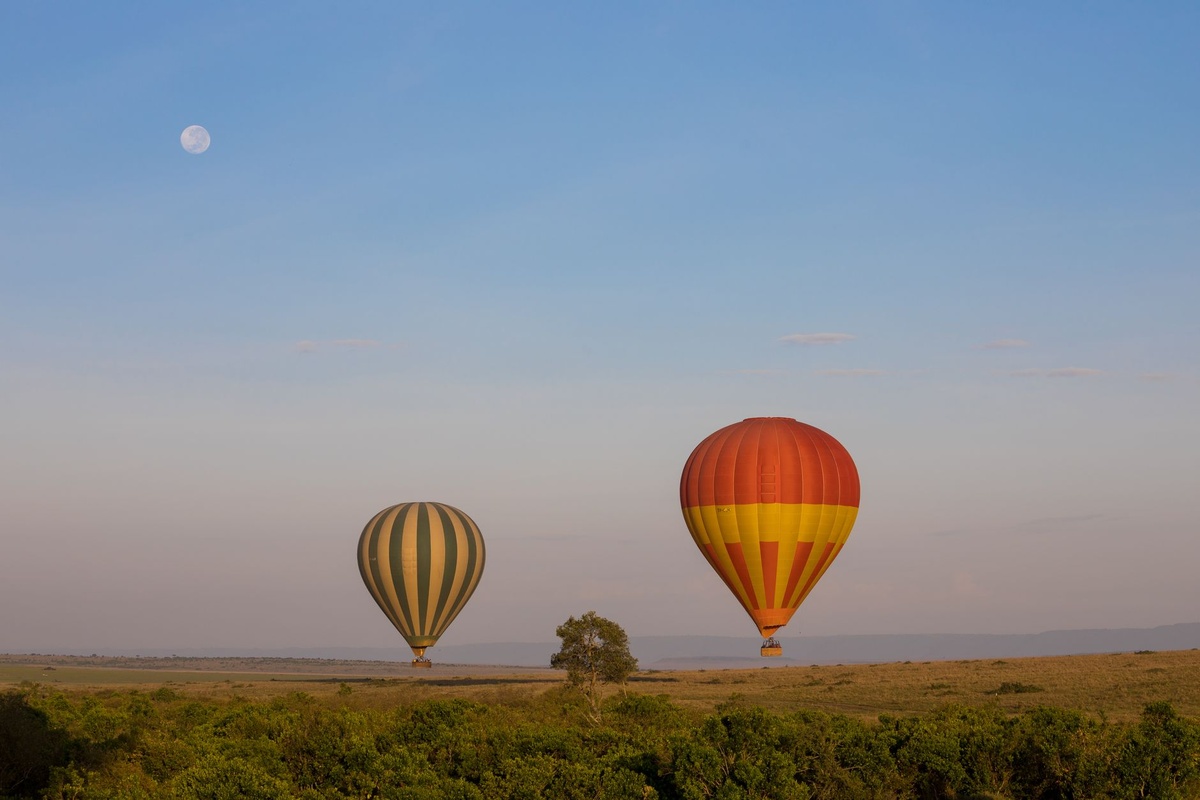
Kilimanjaro is the wild card. Mornings around 6–8 a.m. usually offer better odds of a clear summit than afternoons, so reject any itinerary that schedules breakfast before the first drive.
Amboseli also spends less of the budget simply granting access. Three adult fee periods cost around $300 (€258), versus approximately $600 (€516) in the Maasai Mara during October—a $300 difference that pays for a better room or private vehicle.
Skip Tortilis Camp for this particular budget. It is excellent, but October rates can consume most or all of the $2,000 allowance before road transfers and park charges. Serena or Ol Tukai delivers more complete value.
Option 3: Maasai Mara for the Best Wildlife but the Weakest Luxury Fit
The Maasai Mara is the wildlife winner. It has all five members of the Big Five, exceptional lion density, strong cheetah and hyena viewing, and a realistic chance of leopard—though rhinos remain scarce and never guaranteed.
The problem is arithmetic. During the July–December high season, nonresident adult conservation fees can reach $200 (€172) per person per chargeable day or 24-hour period, depending on the ticket and where the guest stays.
At three periods, that is $600 before a bed, meal, driver or liter of fuel enters the calculation. By comparison, the entire three-period Nairobi National Park entry allowance in this model is $129.
What $1,994 buys
| Maasai Mara cost item | USD pp | EUR pp, October 2026 |
|---|---|---|
| Three nights at a good permanent tented camp, full board | $765 | €658 |
| Private 4×4 and Nairobi return transfer | $540 | €464 |
| Three high-season conservation-fee periods | $600 | €516 |
| Water, tips and contingency | $89 | €77 |
| Total | $1,994 | €1,715 |
This budget points toward a well-run midrange permanent tent rather than the Mara’s genuinely high-end camps. Look at options around the Fig Tree, Mara Simba or equivalent tier; compare current packages through SafariBookings, then request the operator’s vehicle model, camp name and every exclusion in writing.
Do not accept “luxury Mara camp or similar.” The word similar can move you from an en-suite tent overlooking a river to a roadside property outside the reserve, adding 45 minutes to every morning drive.
Road transfer versus flight
The road from Nairobi is around 270 km, but the final section and escarpment traffic make it a 5.5–6.5-hour journey, occasionally longer after rain. A scheduled flight from Wilson Airport takes about 45–60 minutes, but round-trip fares and transfers commonly add $450–$650 (€387–€559), breaking the $2,000 cap.
For only three nights, the road journey consumes roughly 12 hours—about 17% of the entire 72-hour stay. Nairobi National Park uses under 90 minutes for return transfers, while Amboseli typically uses 9–11 hours.
October may still produce migration action, particularly early in the month, but do not book specifically for a river crossing. Herd position depends on rainfall; July through September is generally more reliable, while October provides fewer vehicles in some sectors and increasingly unpredictable showers.
Verdict: choose the Mara for maximum wildlife drama, not maximum material luxury. Under $2,000, the park is the star and the tent is supporting cast.
The Clear Decision Framework
- Choose Nairobi National Park if you have only three nights total, dislike long drives, want the best room and pool, or prioritize rhinos over elephants.
- Choose Amboseli if this is your first Kenya safari and you want elephants, cinematic scenery and a genuinely upscale lodge without crossing $2,000.
- Choose the Maasai Mara if lions, cheetahs and Big Five potential matter more than lodge design, transfer time and private dining.
- Choose a Mara fly-in only if you can raise the budget to approximately $2,450–$2,650 (€2,107–€2,279) per person.
- Choose none of these road packages solo without repricing: the private vehicle supplement can add $350–$700 (€301–€602).
For honeymooners, Nairobi’s Ololo is more romantic than the Mara camp affordable at this ceiling. For photographers, Amboseli wins on elephants and landscapes, while the Mara wins on predator variety.
Families should compare room configuration as carefully as price. One family room can be $200–$400 cheaper than two doubles, but some camps restrict children under six or prohibit younger children on shared drives.
The Best Three-Night Plan: Amboseli Day by Day
Day 1: Nairobi to Amboseli
Leave Nairobi by 6:30 a.m. A 9 a.m. departure can turn the drive from about five hours into six or more and sacrifice the first afternoon game drive.
Arrive around noon, eat lunch, rest during the harshest light and enter the afternoon drive around 3:30 p.m. Sunset colors improve rapidly after 5 p.m., but the vehicle must return before gate or park-driving restrictions take effect.
Day 2: Dawn Elephants and Wetlands
Depart at 6 a.m. with coffee and breakfast boxes. Dawn gives the best chance of a clear Kilimanjaro, cooler elephant activity and softer photography light than a 9 a.m. departure.
Return for a late breakfast, swim and lunch, then drive again from about 3:30–6 p.m. Two targeted three-hour drives are usually more productive than sitting in a hot vehicle continuously for ten hours.
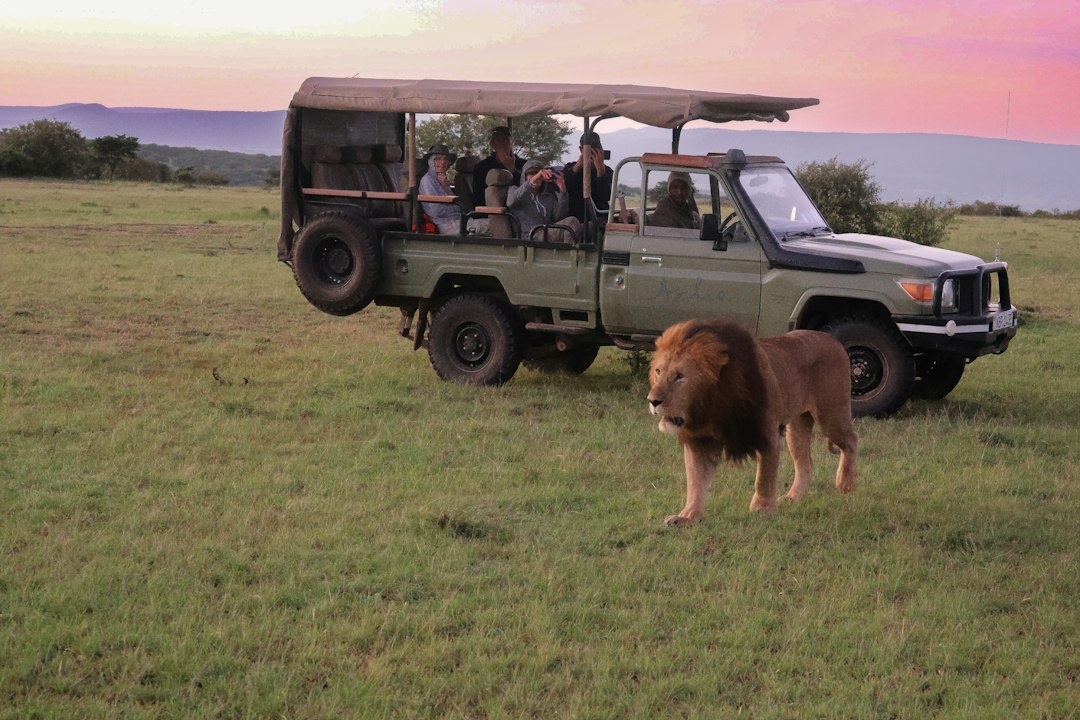
Day 3: Full Safari Day
Use this day to search beyond the most crowded central elephant routes. Ask the guide about recent lion or cheetah locations, but avoid pressuring the driver to join a 20-vehicle scrum.
A private sundowner outside national-park driving hours may cost $35–$75 (€30–€65) per person. It is a better splurge than a generic “Maasai village” stop arranged without transparent community fees.
Day 4: Final Drive and Nairobi
Take one final dawn drive, eat breakfast and leave by 9:30–10 a.m. A normal arrival in Nairobi is between 3 and 4 p.m.; do not book an international departure before 8 p.m.
If traffic disruption would threaten the flight, stay near the airport and depart the following morning. A buffer night costing $100–$180 is cheaper than a missed long-haul ticket.
Booking Websites, Payment and Safari Tech
Start with the official lodge sites: Ololo Safari Lodge, Amboseli Serena and the relevant camp’s own page. Then compare a ground-handler package, because operators often secure contracted lodge rates and bundle the vehicle more cheaply than booking every component separately.
Use SafariBookings for operator discovery, not as proof of final cost. Request a PDF quote naming the exact lodge, room category, Land Cruiser, park-fee assumptions, meal plan, drinks, pickup point and cancellation terms.
Confirm KWS-managed park information at kws.go.ke. Maasai Mara fees are administered separately from KWS, so insist that your operator confirms the current Narok County rules and whether tickets are based on calendar days, 12-hour access or 24-hour periods.
Safaricom generally has the strongest rural coverage, but signal can disappear between parks and in parts of the Mara. Download Google Maps offline, save lodge coordinates and install WhatsApp before departure; most Kenyan operators use WhatsApp more consistently than email during the trip.
A Kenya eSIM from Airalo is convenient for messages and maps, although a local Safaricom SIM may offer better value for heavy data use. Expect lodge Wi-Fi to be slower and less dependable than Nairobi hotel Wi-Fi.
Carry a 20,000mAh power bank, two camera batteries and a Type G adapter. A lodge generator that runs only at breakfast and dinner is normal; Nairobi properties offer much more consistent power than remote Mara camps.
If you are comparing conservation-focused trips rather than only traditional safaris, Distratech’s guide to sustainable luxury escapes in Costa Rica, Colombia and Panama uses a similar comfort-versus-impact approach.
Common Mistakes That Push the Price Over $2,000
- Comparing per-room and per-person prices. A lodge’s $700 room can look cheaper than a $420-per-person package until meals, drives and transfers are added.
- Ignoring October’s Mara fee level. Three $200 fee periods cost $600; using a low-season $100 figure understates the safari by $300.
- Booking a minivan to preserve a “luxury” label. Save elsewhere and retain the 4×4 Land Cruiser, particularly once October showers begin.
- Accepting an unnamed lodge. “Amboseli lodge or similar” can mean a property outside the gate, adding 30–60 minutes to each drive.
- Paying for a fly-in Mara safari under this ceiling. Flights save ten or more road hours but usually force either the camp or total budget below realistic luxury standards.
- Overloading the itinerary. Combining Amboseli and the Mara in three nights creates two transfer days and less wildlife time than staying in one ecosystem.
- Forgetting guide tips. Budget about $15–$25 (€13–€22) per traveler per day for a strong private guide, adjusted for group size and service.
Also verify the vehicle’s maximum occupancy. A “window seat guaranteed” six-person Land Cruiser is materially better than an eight-person van, even if the van saves $80–$150 per traveler.
Final Verdict: Book Amboseli, Not the Cheapest Mara Package
Amboseli delivers the most complete luxury safari under $2,000. Its $1,878 (€1,615) model budget leaves room for a reputable lodge, private 4×4, full board and three days of park access while producing substantially better elephant viewing than either rival.
Nairobi National Park is the comfort champion and smartest option after a long flight, but three nights exceed what most visitors need. The Maasai Mara remains the wildlife champion, yet October’s conservation fees force too many compromises in accommodation at this price.
Ask three operators to quote the same Amboseli Serena or Ol Tukai itinerary, using identical park-fee periods and a private Land Cruiser. If one quote is more than $250 cheaper, inspect the exclusions before celebrating—and save this comparison for the moment “luxury camp or similar” appears in the contract.
Frequently Asked Questions
How much does a three-night Kenya safari cost in October?
For two adults sharing, expect approximately $1,768 (€1,520) per person in Nairobi National Park, $1,878 (€1,615) in Amboseli and $1,994 (€1,715) in the Maasai Mara. These October 2026 figures include full board, private road transport, game drives and three park-fee periods.
Which Kenya safari is best for first-time visitors?
Amboseli is the best first safari under $2,000 because it combines large elephant herds, possible Kilimanjaro views and a proper upscale lodge. The 4.5–5.5-hour road transfer is also easier than the 5.5–6.5-hour drive to the Maasai Mara.
Is three nights enough for the Maasai Mara?
Yes, three nights provide two full safari days plus arrival and departure drives. However, the return road journey consumes around 12 hours, so a flight is better for time efficiency if you can add roughly $450–$650 per person.
Is October a good month for a Kenya safari?
Yes: early October retains strong dry-season wildlife viewing, while visitor pressure can ease later in the month. Short rains become more likely toward late October, and migration river crossings in the Mara should be treated as a bonus rather than a guarantee.
Are Kenya park fees included in safari packages?
They often are, but never assume so. Request an itemized quote showing approximately $100 per adult period for Amboseli and up to $200 in the Maasai Mara during October, plus the exact number of chargeable periods.

About the Author: Tomáš Bzirský
Founder and editor of Distratech. Based in the Czech Republic, travelling regularly from Central Europe. Writes practical travel guides and travel-tech comparisons (eSIM, apps, airports) in six languages.