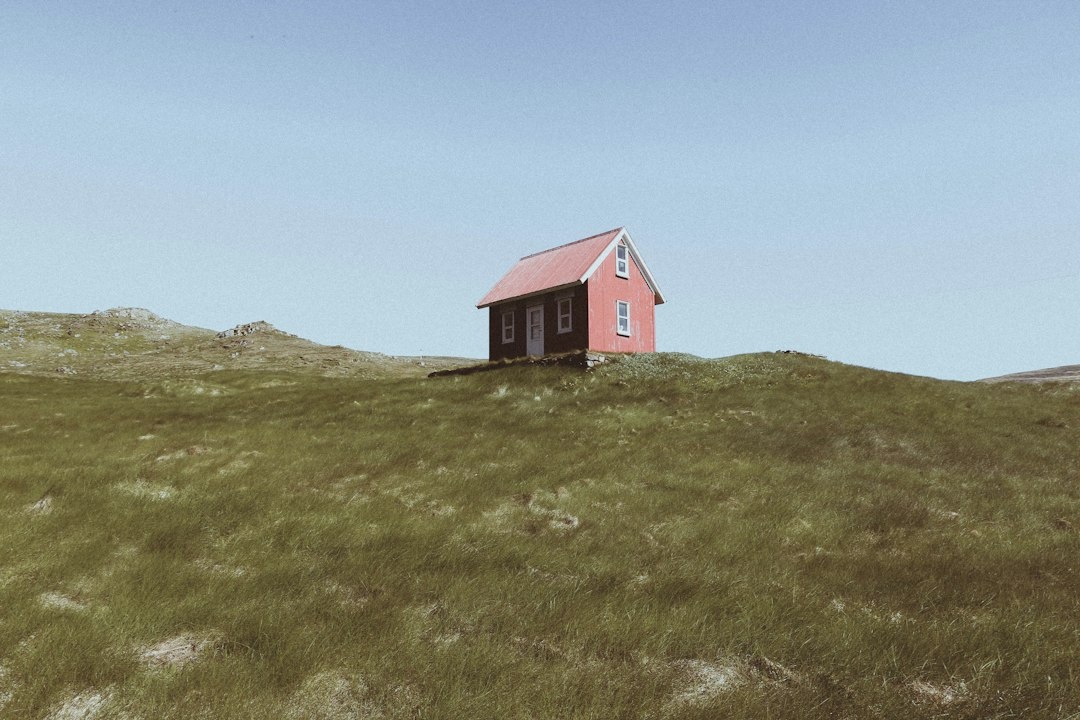
There’s a particular kind of silence you only get at a Norwegian self-service cabin in February: wood stove ticking, skis racked outside, nobody within 20 km. The Sjusjøen–Rondane corridor is the best place in the country to find it on a first trip, because it starts on gentle, groomed forest trails above Lillehammer and only gets properly wild once you’ve found your legs. I’ve skied this stretch in both directions, and the thing nobody tells you is that the hard part isn’t the skiing. It’s the admin: the membership, the key, the payment system, and the cabins that don’t take bookings.
This guide fixes that, step by step, from buying your DNT membership this month (November purchases cover all of 2027) to which cabin to sleep in on night four. Prices are in EUR and USD at roughly 11.5 NOK/€ and 10.8 NOK/$, current as of November 2026.
Key Takeaways
- A DNT adult membership costs about €75 (≈865 NOK / $80) and, bought now in November 2026, is valid through all of 2027 — it cuts self-service cabin nights from ~€46 to ~€31.
- The universal DNT key (deposit 100 NOK / €9) opens roughly 550 self-service and unstaffed cabins; order it by post or collect it at Storgata 3, Oslo, at least two weeks before you fly.
- The classic Sjusjøen-to-Rondane traverse is about 115 km over 5–6 days; a 3-day Sjusjøen loop via Djupslia is the safer first trip for most people.
- Aim for 15–28 February 2027: 9.5+ hours of daylight, Rondane routes freshly staked, and Rondvassbu typically reopens with staff in the last week of the month.
- Realistic all-in budget from Oslo for a 6-night trip: €650–900 ($700–970) per person including train, membership, cabins, food and ski rental.
Key Numbers at a Glance
| Item | Figure (Feb 2027) |
|---|---|
| DNT adult membership (27–66) | ≈865 NOK / €75 / $80, valid Nov 2026–Dec 2027 |
| DNT universal key deposit | 100 NOK / €9 (refundable) |
| Self-service cabin night, member | ≈355 NOK / €31 / $33 |
| Self-service cabin night, non-member | ≈525 NOK / €46 / $49 |
| Food from cabin stores (dinner + breakfast) | ≈200–280 NOK / €17–24 per day |
| Oslo S → Lillehammer train (Vy) | 2h10, from 299 NOK / €26 |
| Lillehammer → Sjusjøen bus (Innlandstrafikk) | ≈50 min, ≈70 NOK / €6 |
| Full traverse Sjusjøen → Mysusæter | ≈115 km, 5–6 ski days |
| Daylight, Lillehammer, 20 Feb | ≈9h 45m (sunrise 07:50, sunset 17:35) |
| Typical February temperature, 900–1,100 m | -6 to -14°C, dips to -22°C on the Rondane plateau |
| Fjellski + boots + poles rental, Lillehammer | ≈350 NOK/day or ≈1,500 NOK/week (€130 / $139) |
Step 1: Understand the Three Kinds of DNT Cabins
The Norwegian Trekking Association (DNT) runs over 550 cabins in three flavours. Mixing them up is the number one planning error I see on forums.
Staffed (betjent): Hotel-lite. Hosts cook a three-course dinner, you sleep in sheets, you pay €80–110 a night. Rondvassbu is the example on this route, but only when it’s open for winter.
Self-service (selvbetjent): The heart of this guide. Locked with the DNT key, stocked with a food store (pasta, crispbread, tinned fish, powdered soup, chocolate), wood, gas and duvets. You cook, you clean, you log what you took and pay later. Djupslia, Gråhøgdbu and Eldåbu are all this type.
Unstaffed (ubetjent): Same key, same bunks, no food. You carry everything. A few side cabins in the Ringsakerfjellet are like this; avoid them on a first trip unless you’re pulling a pulk.
| Cabin type (Feb 2027) | Member bed | Non-member bed | Food | Bookable? |
|---|---|---|---|---|
| Staffed (e.g. Rondvassbu, late Feb) | ≈€35 bed + €38 dinner | ≈€50 bed + €38 dinner | Cooked for you | Yes, dnt.no |
| Self-service (Djupslia, Gråhøgdbu, Eldåbu) | ≈€31 | ≈€46 | Store, pay per item | Partly — some beds reservable, nobody is turned away |
| Unstaffed | ≈€22 | ≈€33 | None, carry it | No |
Across a six-night trip, membership saves you roughly €90 on beds alone. The €75 membership pays for itself by night five; there is no scenario in which a six-night trip is cheaper without it.
Step 2: Buy DNT Membership Now, Not in January
Go to dnt.no, click “Bli medlem” (there’s an English toggle), and choose a category. Membership runs by calendar year, but memberships bought from roughly October onwards are valid for the remainder of this year and all of next year. Buy in November 2026, ski in February 2027, and you’ve already paid for Easter 2027 too.
| Membership category (2026 rates, confirm on dnt.no) | NOK | EUR | Who it’s for |
|---|---|---|---|
| Adult (27–66) | ≈865 | €75 | Most readers |
| Youth (19–26) | ≈435 | €38 | Bring a passport scan |
| Senior (67+) | ≈665 | €58 | Same cabin discount as adults |
| Family (2 adults + kids under 19) | ≈1,395 | €121 | Cheaper than two adults |
| Child (0–12) | ≈165 | €14 | Kids’ beds are heavily discounted anyway |
Pick DNT Oslo og Omegn as your local chapter when asked. Membership is national, but the Oslo chapter owns Gråhøgdbu, Eldåbu, Bjørnhollia and Rondvassbu, so their route updates are the ones you actually want. DNT Lillehammer owns Djupslia.
Payment is by international card; the digital card lands in the DNT Medlem app within minutes. If the address form rejects your foreign postcode, use the “Utland” (abroad) toggle rather than inventing a Norwegian one, or the key will be posted to the wrong country.
Step 3: Get the Universal DNT Key (Two Weeks Minimum)
Every self-service and unstaffed cabin in Norway opens with one physical brass key: the DNT-nøkkel. It isn’t an app, and it is the single most common thing first-timers forget until the week before departure.
Option A — By post: Order under “DNT-nøkkel” on dnt.no once you’re a member. Deposit is 100 NOK (€9), refundable if you ever return it; shipping within Europe is ~€4 and takes 7–14 days. Ordering now in November is comfortable; ordering in late January is a gamble.
Option B — In person: Collect at DNT Oslo’s shop, Storgata 3, Oslo (Mon–Fri 10:00–17:00, Sat 10:00–15:00, closed Sun), an 8-minute walk from Oslo S. They’ll also sell you the 1:50,000 Turkart maps for Lillehammer–Sjusjøen and Rondane at around €18 each. Land at Gardermoen on a Saturday afternoon and you’ve missed it until Monday.
Verdict: post wins unless you’re already spending a night in Oslo. Then keep the key on a lanyard inside your jacket. Lose it between cabins on day three and you are sleeping outside, which in Rondane in February is not a story you want to tell.
Step 4: Choose Your Route — Decision Framework
The Sjusjøen–Rondane network is really three trips wearing one name. Pick the right one and your first hut-to-hut trip is a joy; pick the wrong one and you’re on a 25 km Rondane leg in a whiteout with 17 kg on your back.
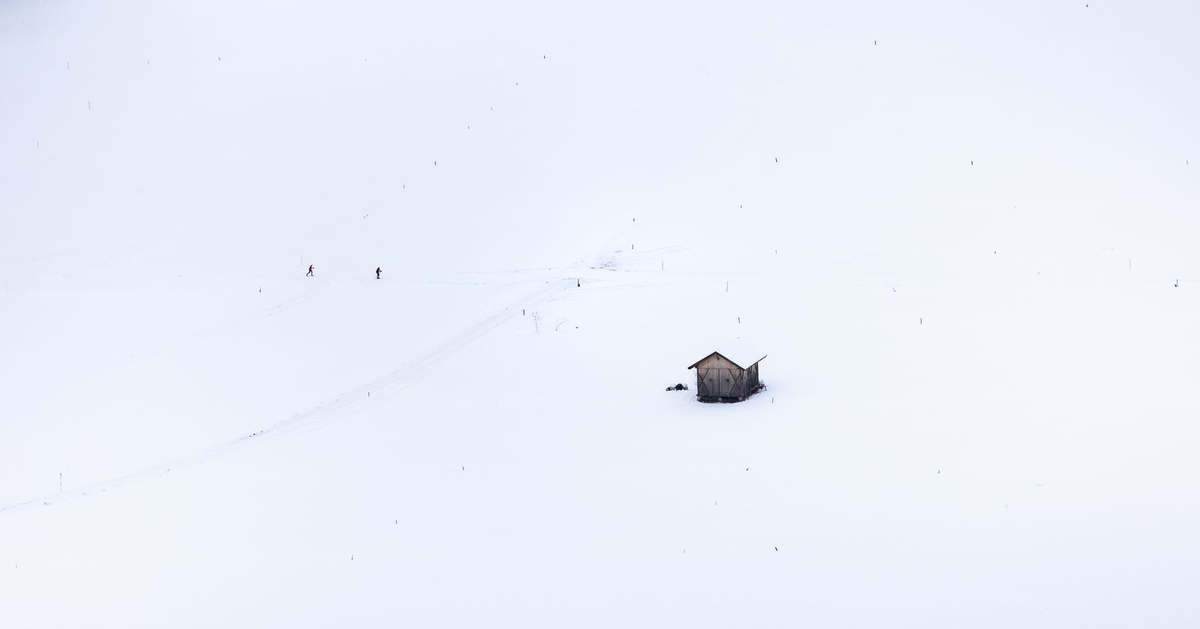
Option 1: The Sjusjøen–Djupslia Loop (3 days, ~45 km)
Start and finish at Sjusjøen, 20 minutes above Lillehammer. The Ringsakerfjellet has 350 km of groomed tracks, gentle gradients at 800–1,100 m, and Djupslia self-service cabin in the middle. Night one at Djupslia, night two at a second cabin or back in a Sjusjøen guesthouse, out on day three. Mobile signal almost everywhere.
Option 2: The Full Traverse, Sjusjøen → Mysusæter (6 days, ~115 km)
The classic. Forest tracks give way to open plateau on the Venabygdsfjell, then the Rondane massif proper. Self-service every night, finishing with a staffed night at Rondvassbu if it’s open, then down to Mysusæter and the train from Otta. Longest legs around 24–25 km.
Option 3: Rondane Only, Mysusæter In-and-Out (3–4 days, ~50 km)
Taxi from Otta to Mysusæter, ski to Rondvassbu (≈12 km), day-trip or continue to Bjørnhollia, return. High, dramatic, and the one option where early-February conditions can genuinely shut you down before routes are staked.
| Route | Distance / days | Longest leg | Difficulty | Member cabin cost (beds only) | Phone signal |
|---|---|---|---|---|---|
| Sjusjøen loop | ≈45 km / 3 days | 18 km | Easy–moderate, groomed | ≈€62 (2 nights) | Good |
| Full traverse | ≈115 km / 6 days | 25 km | Moderate–hard, staked only after day 2 | ≈€185 self-service; ≈€260 with a staffed Rondvassbu night | Patchy after day 2 |
| Rondane in-and-out | ≈50 km / 3–4 days | 14 km | Moderate, exposed | ≈€95–130 | Poor |
Choose the loop if you’ve never slept in a self-service cabin, you’re on hired gear, or you have fewer than five days. Choose the traverse if you’ve done multi-day winter trips, you’re comfortable with map and compass in flat light, and you’re going after 15 February. Choose Rondane in-and-out if you want big scenery, can wait a day at Rondvassbu for weather, and are travelling in the last week of February or in March.
Honest verdict: the loop is the correct first trip for 70% of readers. The traverse is the one you’ll come back for in 2028.
Step 5: The Full Traverse, Night by Night
Distances are approximate winter-route figures from ut.no; verify each leg on the app the night before, because staked lines sometimes deviate from summer paths.
Day 0: Oslo → Lillehammer → Sjusjøen
Vy train from Oslo S, 2h10, from 299 NOK (€26) booked on vy.no six weeks out, ≈550 NOK (€48) walk-up; from Gardermoen it’s 1h45 on the same line. Lillehammer to Sjusjøen by Innlandstrafikk bus: ≈50 min, ≈70 NOK (€6), roughly every two hours. A taxi is 25 min and ≈750 NOK (€65). Bus, obviously.
Sleep at Sjusjøen Fjellstue or the cheaper Rustad Fjellstue, €95–140 for a double in February 2027, and eat at the fjellstue — the elk stew is genuinely good, and there isn’t an alternative.
Day 1: Sjusjøen → Djupslia (~17 km)
Groomed tracks through pine and birch, then a gentle rise onto the plateau. Djupslia is a DNT Lillehammer cabin with 20-odd beds and a sauna if you’re prepared to carry water. Use the first night to learn the system: find the logbook, read the stove instructions, note the price list on the wall.
Day 2: Djupslia → Gråhøgdbu (~22 km)
You cross from Ringsaker into Ringebufjellet and the trees thin out. Gråhøgdbu sits at about 1,000 m with a view north to Rondane that tells you what you’re in for. DNT Oslo cabin, 16 beds, usually quiet on February weeknights.
Day 3: Gråhøgdbu → Eldåbu (~20 km)
Open plateau on Venabygdsfjellet. Groomed tracks stop and staked routes start; from here you want the 1:50,000 map, not just the app. Eldåbu is larger (around 30 beds) and well stocked — a good rest-day candidate if a front comes through.
Day 4: Eldåbu → Bjørnhollia (~25 km)
The long one. Up into Rondane’s eastern edge and down to Bjørnhollia, a staffed summer lodge that runs a self-service annex in winter. Start before 08:30 or you’ll finish by headlamp.
Day 5: Bjørnhollia → Rondvassbu (~12 km)
Short and spectacular, up the valley under 2,000 m peaks. Rondvassbu is staffed from around the last week of February through Easter; earlier in the month its self-service wing opens with the key. If staff are in, book on dnt.no — it fills on Friday nights.
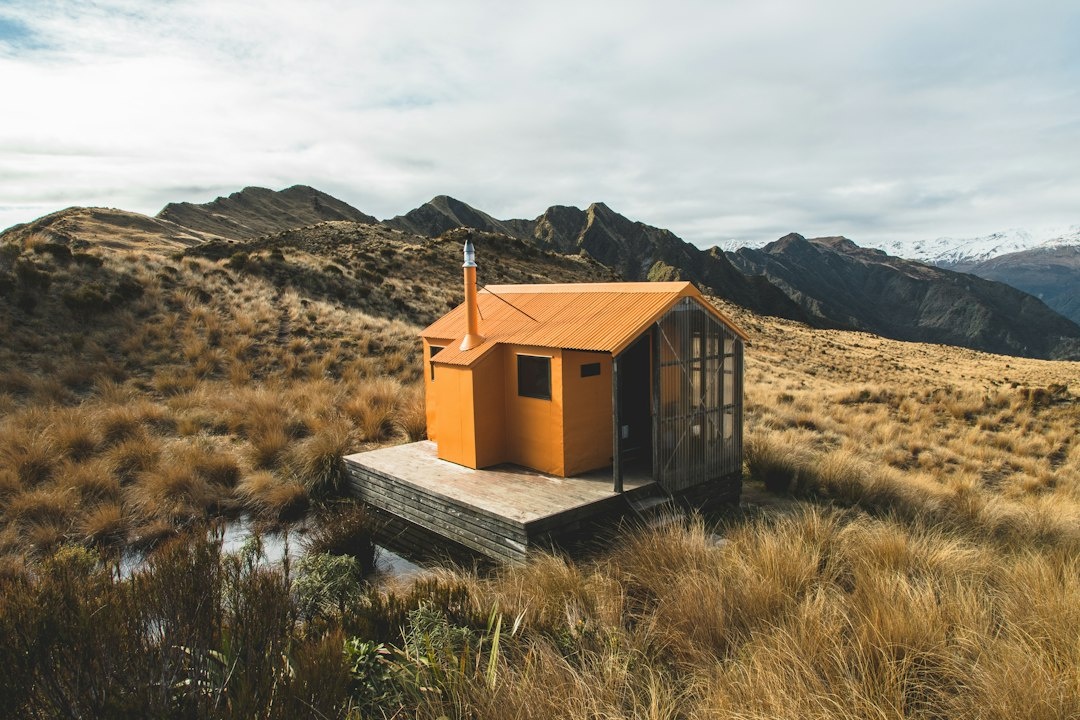
Day 6: Rondvassbu → Mysusæter → Otta → Oslo (~12 km ski)
Downhill-ish to Mysusæter, then a pre-booked Otta Taxi to Otta (15 km, 20 min, ≈450 NOK / €39). Otta → Oslo S by train, 3h20, from 349 NOK (€30). You can be eating dinner in Oslo the same evening.
Step 6: Gear — Rent in Lillehammer, Buy the Small Stuff on Black Friday
You need fjellski (mountain touring skis): 60–70 mm wide, steel-edged, with NNN BC or 75 mm bindings and leather or insulated boots. Skinny classic skis from the local park are useless off-piste and dangerous on Rondane descents.
- Rental: Lillehammer Skistadion and the Storgata sports shops rent full fjellski packages for ≈350 NOK/day or ≈1,500 NOK (€130 / $139) per week. Reserve by email in January; the Oslo winter-holiday weeks (vinterferie, weeks 8–9 in 2027) sell out.
- Pulk vs backpack: Pulk rental ≈150 NOK/day. Great on the flat Ringsakerfjellet, miserable on Rondane sidehills. Pulk for the loop; a 45–55 L pack kept under 14 kg for the traverse.
- Wax: Blue (-5 to -12°C) and green (-10 to -25°C) kick wax plus a universal klister for sunny afternoons. Waxless scales are fine on the loop but ice up on cold traverse mornings.
- Sleep: Cabins provide duvets and pillows; you bring a sleeping-bag liner (mandatory hygiene rule). A liner weighs 200 g; a full bag you’ll never use weighs 1.2 kg.
- Light: 300+ lumen headlamp with spare lithium cells kept warm in an inner pocket.
- Navigation: Paper map, compass, and the ut.no app with offline tiles downloaded over hotel wifi in Lillehammer.
Timing note for November readers: headlamps, powerbanks and GPS watches drop 25–40% this month, so buy those now. Buy gloves and goggles somewhere you can try them on. And if you’re tempted to bring a laptop for “trip planning,” don’t — but if you genuinely need one for the Oslo nights, these are the Black Friday laptop deals we’ve actually tested rather than guessed at.
Step 7: Paying at Self-Service Cabins Without a Norwegian Bank Account
Norwegians pay with Vipps, which needs a Norwegian bank account you don’t have. Don’t panic; the system was built for this.
- At each cabin, find the paper form (or the QR code on newer laminated sheets) and note your name, membership number, nights, and every food item taken. Be honest; the whole network runs on it.
- Photograph the completed form before you leave — the best tech tip in this entire guide.
- Pay online at dnt.no/betaling (“Betal for hytteopphold”) within a week of returning, with any international card. Alternatively, DNT will invoice your membership address.
- Keep the photos so you can reconcile if a cabin’s paper form gets lost.
Budget ≈€17–24 per day for cabin-store food (pasta ≈45 NOK, a tin of mackerel ≈35 NOK, a bar of Freia chocolate ≈40 NOK). Carry lunch food from Lillehammer: the Kiwi supermarket by the station is cheapest, Meny at the Storgata end is better for cheese and bread.
Connectivity: 4G at Sjusjøen and Djupslia, flickers at Gråhøgdbu, nothing reliable from Eldåbu to Rondvassbu. Install an eSIM such as Airalo before leaving home (a 10 GB Norway plan is roughly €18 / $19) so you’re not hunting for a SIM shop on a Sunday, and refresh yr.no forecasts and varsom.no avalanche bulletins whenever you get a bar of signal.
Sample Budget: 6-Night Full Traverse, One Adult, From Oslo
| Line item (Feb 2027) | NOK | EUR | Notes |
|---|---|---|---|
| DNT membership | 865 | €75 | Covers Nov 2026 – Dec 2027 |
| DNT key deposit + shipping | 150 | €13 | 100 refundable |
| Train Oslo → Lillehammer | 299 | €26 | Booked 6 weeks ahead |
| Bus Lillehammer → Sjusjøen | 70 | €6 | |
| Night 0, Sjusjøen guesthouse (shared double) | 650 | €57 | Per person |
| 4 self-service nights (Djupslia, Gråhøgdbu, Eldåbu, Bjørnhollia) | 1,420 | €123 | Member rate |
| 1 staffed night Rondvassbu with dinner + breakfast | 900 | €78 | If open; else ≈355 self-service |
| Cabin store food, 5 days | 1,200 | €104 | |
| Supermarket lunch/snacks | 500 | €43 | |
| Fjellski rental, 1 week | 1,500 | €130 | Return by post or at Otta partner shop — ask when renting |
| Taxi Mysusæter → Otta (split by 2) | 225 | €20 | |
| Train Otta → Oslo | 349 | €30 | |
| Maps ×2 | 400 | €35 | Or borrow |
| Total | ≈8,530 | ≈€740 / $790 | Excludes flights and eSIM |
The three-day Sjusjøen loop lands around €380–420 ($410–450) including membership. Compare that with a February week in the Alps, where lift passes alone run €350+, and you see the contrarian truth: Norway, famously expensive, is cheap once you’re sleeping in a DNT bunk.
Common Mistakes on a First DNT Winter Trip
- Going in the first week of February. Daylight is under nine hours and Rondane routes may not yet be staked. 15–28 February is the sweet spot; the first week of March is better still.
- Not ordering the key. Covered above, bears repeating. No key, no cabin.
- Trusting the app alone. Phones die at -15°C. Carry the paper map and know the bearing to the next cabin before leaving each morning.
- Arriving after dark on the 25 km day. Leave Eldåbu by 08:30. The staked route is hard to follow by headlamp in drifting snow.
- Skipping the chores. You’re expected to chop wood, refill the water tank, sweep, and leave the cabin cleaner than you found it. Norwegians will notice.
- Underestimating plateau cold. -22°C with wind is routine at Eldåbu. Bring a down jacket for stops and a face mask.
- Booking non-refundable Otta trains. Weather days happen. Book Vy’s flexible fare for the return (≈€15 more) or buy it from Rondvassbu once you know you’re on schedule.
- Ignoring varsom.no. Rondane has real avalanche terrain. Stick to staked winter routes, which are deliberately laid through low-angle ground, and read the daily bulletin whenever you have signal.
Pro Tips From Someone Who Learned the Hard Way
- Midweek is empty. A Sunday-to-Friday traverse may give you Gråhøgdbu to yourself; the same route Friday-to-Wednesday in vinterferie week means 16 people in a 16-bed cabin.
- The DNT Medlem app shows occupancy for bookable beds. Check it even for self-service cabins so you know whether to expect company.
- Put a Nalgene of hot water in your boots overnight if the drying room is full. Frozen leather boots at 07:00 are the fastest way to hate this sport.
- Pack 20% more chocolate than feels sane. Cabin stores run low late in the season, and a Kvikk Lunsj bar is the local currency of goodwill.
- Learn a few words of Norwegian: “hytte” (cabin), “ved” (firewood), “vann” (water), “takk for turen” (thanks for the trip). It buys more help than any guidebook.
When to Book What: A November-to-February Timeline
November 2026 (now): Buy membership, order the key, pick up a Black Friday headlamp and powerbank. December: Book Vy trains the moment February timetables load (typically 90 days out), reserve Sjusjøen night 0. January: Email the Lillehammer ski shop to reserve fjellski, book Rondvassbu if staffed dates are confirmed. Week before: Check varsom.no and yr.no, download offline maps, print the cabin price list from dnt.no so you can budget as you go.
That’s genuinely all the planning this trip needs. The skiing takes care of itself, one staked pole at a time, and by the fourth night you’ll be the person explaining the stove to newcomers. Buy the membership this week while it still covers two seasons, get the key in the post, and I’ll see you at Eldåbu in February.
Frequently Asked Questions
How much does DNT membership cost and is it worth it for one trip?
An adult DNT membership is about 865 NOK (€75 / $80) at 2026/27 rates, and bought in November 2026 it’s valid through December 2027. It saves roughly €15 per night at self-service cabins, so it pays for itself on a five-night trip and is also required to borrow the universal cabin key.
Can non-members stay in DNT self-service cabins?
Non-members can sleep in self-service cabins at the higher rate (≈525 NOK / €46 versus €31), but only if they’re travelling with a member who holds the key, because the DNT key is issued to members only. On your own, with no key, you can’t get in — so for a winter hut-to-hut trip membership is effectively mandatory.
When is the best time in February 2027 for the Sjusjøen–Rondane route?
The second half of February is markedly better than the first: daylight stretches past 9.5 hours by 20 February, Rondane’s winter routes are freshly staked, and Rondvassbu typically reopens with staff in the last week of the month. Avoid the Oslo winter-holiday weeks (around weeks 8–9) if you want quiet cabins.
How hard is the Sjusjøen to Rondane ski traverse for beginners?
The first two days on groomed Ringsakerfjellet tracks are easy; days three to five on the open Venabygdsfjell and into Rondane are moderate to hard, with 20–25 km legs, wind exposure and limited phone signal. If this is your first self-service cabin trip, do the 3-day Sjusjøen–Djupslia loop (≈45 km) first and save the ≈115 km traverse for your second season.
How do I pay at DNT self-service cabins without Vipps?
Fill in the paper or QR payment form at each cabin, listing your nights and every food item taken, then pay online at dnt.no with an international card within a week of returning. Photograph each completed form before leaving so you have your own record; DNT can also invoice you at your membership address.

About the Author: Tomáš Bzirský
Founder and editor of Distratech. Based in the Czech Republic, travelling regularly from Central Europe. Writes practical travel guides and travel-tech comparisons (eSIM, apps, airports) in six languages.