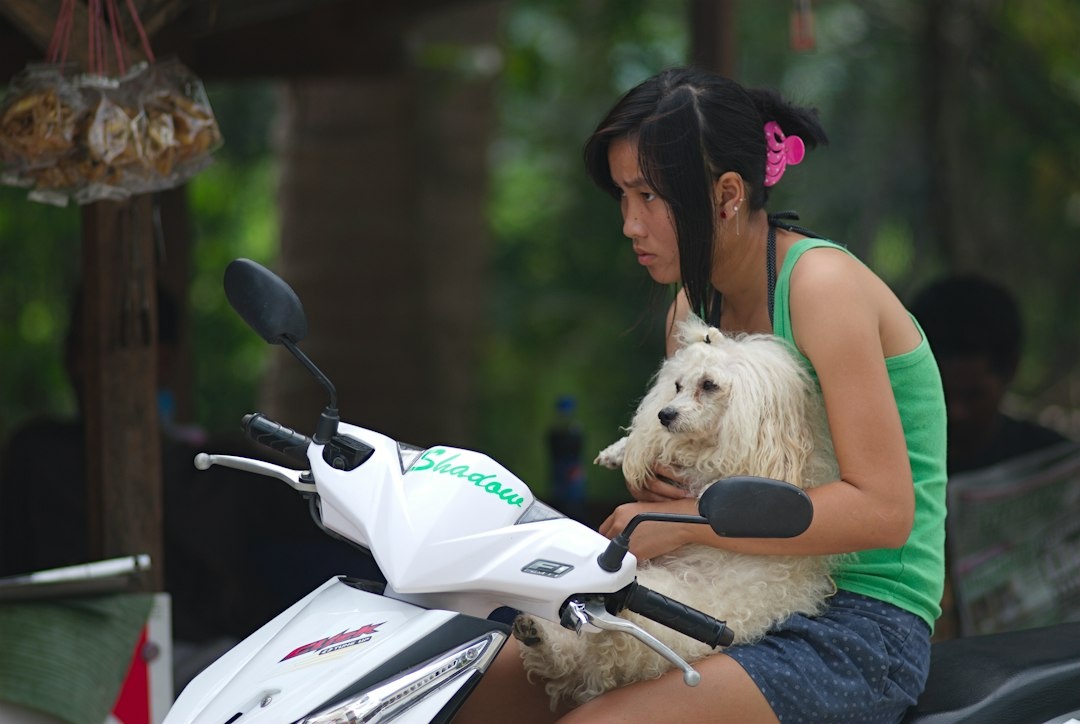
Here is the uncomfortable truth we ran into while planning a winter escape from a grey, wet November: Thailand’s pet paperwork is built for people staying months, and Thailand’s visa-free rule is now built for people staying weeks. Since the exemption was trimmed from 60 to 30 days, a family that spends €1,500 and eight weeks of vet appointments getting the dog into the country can find itself legally obliged to leave before the dog has stopped jet-lagging.
That doesn’t mean the answer is no. It means the answer is “yes, but only if you pick the right visa, the right airline and the right calendar.” This guide walks through all three, with November 2026 numbers, the exact rabies-titre trap that catches EU and UK families on the way home, and a costed six-week plan for a family of four plus a 15 kg dog.
Key Takeaways
- Visa-free entry is now 30 days; a one-off extension at any Thai immigration office costs THB 1,900 (about €50) and buys 30 more, so 60 days is the ceiling without a visa.
- For a genuine winter, the Destination Thailand Visa (DTV, THB 10,000 / ~€265, 180 days per entry, valid 5 years) is the only option that makes dog paperwork worth it.
- Thailand requires a Department of Livestock Development (DLD) import permit, an ISO microchip, rabies vaccination at least 21 days before travel and a health certificate issued within 10 days of departure.
- Thai Airways moves pets as cargo only; KLM and Lufthansa take dogs under 8 kg in the cabin (~€200 one way) and medium dogs in the hold (~€400), with big dogs pushed to cargo at €1,500–€3,500.
- Thailand is not on the EU’s rabies-listed roster: get the dog’s rabies titre drawn in Europe before you leave, or face a three-month wait before it can come home.
Key numbers at a glance
| Item | Number (November 2026) | Notes |
|---|---|---|
| Visa-free stay | 30 days | Extendable once, +30 days, THB 1,900 (~€50) |
| Tourist Visa (TR) via thaievisa.go.th | 60 days, ~€35–€40 | Extendable once, +30 days |
| Destination Thailand Visa (DTV) | 180 days per entry, THB 10,000 (~€265) | Multiple entry, 5-year validity, dependants eligible |
| DLD pet import permit | Free to apply; THB 500–1,000 (€14–€28) on arrival per animal | Valid 60 days from issue |
| Rabies vaccine timing | ≥21 days before departure, ≤12 months old | Microchip implanted before or at vaccination |
| Health certificate window | Within 10 days of departure | Endorsed by your country’s official vet |
| Rabies titre (FAVN/RFFIT) | €90–€160 lab fee, ≥30 days after vaccination | Needed for EU/UK return; 3-month wait if drawn in Thailand |
| Return flights AMS/FRA–BKK, economy | €620–€890 per person | December departures, booked in November |
| Dog in hold, KLM/Lufthansa | ~€400 each way | Up to 75 kg crate + dog on KLM |
| Dog as cargo, Europe–Bangkok | €1,500–€3,500 each way | Via a pet shipper, size-dependent |
| Boarding kennel at home instead | €25–€45 per day | 42 days = €1,050–€1,900 |
The 30-day wall: which visa actually makes a dog worthwhile?
The headline problem is a mismatch. Your DLD import permit is valid for 60 days and the rabies-titre work takes six to ten weeks. Your visa-free stamp is valid for 30. Spend more time on the dog’s paperwork than you’re allowed in the country and the trip is upside down before you land.
Thai immigration offers three realistic routes for a family. Here is how they compare for a winter starting mid-December 2026.
| Option | Max stay | Cost per person | Lead time | Who it suits |
|---|---|---|---|---|
| Visa-free + one extension | 60 days | €0 + €50 extension | None (extension done in-country, one morning) | A 5–8 week Christmas-and-January escape |
| Tourist Visa (TR) + extension | 90 days | ~€35–€40 + €50 | Apply online 2–3 weeks before travel | Mid-December to mid-March, i.e. the real cool season |
| Destination Thailand Visa (DTV) | 180 days per entry | ~€265 (plus ~€265 per dependant) | 2–4 weeks via thaievisa.go.th; needs THB 500,000 (~€13,000) in savings | Remote-working parents staying 3–6 months, or anyone doing a Muay Thai or cooking course |
Our decision framework, bluntly:
- Leave the dog at home if you’re going for 30 days. A kennel or a TrustedHousesitters sitter costs less, stresses the dog less, and you skip €1,000+ of vet bills for four weeks of sun.
- Choose visa-free + extension with a cabin-sized dog if your dog is under 8 kg with the bag, you’re staying 6–8 weeks and you fly KLM or Lufthansa. The economics just about work.
- Choose the Tourist Visa if you want January through mid-March and the dog is hold-sized. Ninety days amortises the ~€800 in airline fees.
- Choose the DTV if at least one parent works remotely. Six months in Chiang Mai with the dog is where Thailand finally beats wintering in Spain on cost.
One timing note: the DTV savings proof needs three months of bank statements, so if you’re reading this in November and want to leave in January, order the statements this week.
Thailand’s pet import rules, step by step
The DLD runs an Animal Quarantine Station at Suvarnabhumi that is, in our experience, far less terrifying than the UK’s or Australia’s. Get the sequence right and your dog walks out of the terminal with you within an hour. Get it wrong and the DLD reserves the right to a 30-day quarantine, which would be the entire visa.
- Microchip first. ISO 11784/11785, 15 digits. If your dog has an older non-ISO chip (common in North American dogs), fit an ISO chip now; €35–€60 at any vet.
- Rabies vaccination at least 21 days before departure and no more than 12 months old on arrival. For a 15 December flight, that’s 24 November at the latest. Thailand also wants leptospirosis vaccination or a negative test within 30 days; do the vaccine, it’s €20 and ends the argument.
- Apply for the DLD import permit through the DLD e-service portal (or by emailing the Suvarnabhumi Animal Quarantine Station with the chip number, vaccination record, flight details and a passport copy). Allow 7–10 working days. The permit is valid for 60 days, so don’t apply in October for a mid-December trip.
- Health certificate within 10 days of departure, issued by your vet and endorsed by the government veterinary authority (Veterinäramt in Germany, NVWA in the Netherlands, APHA in the UK, USDA APHIS in the US). Budget €80–€150 for the endorsement and book the appointment the day you book flights; December slots go fast.
- Arrive with originals. Import permit, health certificate, vaccination book, EU pet passport. Land in daylight if you can: the station is staffed round the clock, but a 02:00 arrival means a sleepy officer and a longer wait.
- Pay the import fee at the counter (THB 500–1,000, cash is simplest) and collect the import licence. Keep it; you need it for the export permit on the way out.
Two restrictions people miss: Thailand prohibits American Pit Bull Terriers and American Staffordshire Terriers outright, and puppies under four months can’t meet the 21-day post-vaccination rule. If your dog is a Staffy mix with ambiguous paperwork, do not risk it.
Export permit: the step nobody plans for
Leaving Thailand with a dog requires its own permit from the same quarantine station. Apply two to three working days before your flight (in person at Suvarnabhumi or at the DLD office in Chiang Mai, with a quick vet check and the original import licence). It’s free or near-free, but families booking a Sunday departure from Chiang Mai regularly discover the office is shut on Saturday afternoon. Build this into day minus-four of your plan.
The rabies-titre trap: why the order of blood tests decides your trip home
Thailand doesn’t require a rabies antibody titre to let your dog in. The problem is getting the dog back out into the EU or UK, because Thailand is not on the EU’s list of rabies-controlled “Part 2” countries (nor on the UK’s equivalent). Soi dogs and the real presence of canine rabies are why.
The rule for an unlisted country: the dog needs a rabies titre of at least 0.5 IU/ml, from blood drawn at least 30 days after vaccination, at an EU-approved lab. If that blood is drawn in Thailand, the dog must then wait three months before it can enter the EU. If the blood is drawn in the EU before you leave, and the vaccination hasn’t lapsed, the three-month wait does not apply at all.
So the calendar for a 15 December 2026 departure looks like this:
| Date | Action | Cost |
|---|---|---|
| By 10 October | Rabies booster (if not current) + ISO chip check | €40–€70 |
| 10–15 November | Blood draw for FAVN titre, sent to an EU-approved lab (Biobest in the UK, Friedrich-Loeffler-affiliated labs in Germany, Vetmeduni Vienna) | €90–€160 lab + €30–€50 vet |
| Late Nov – early Dec | Titre result (2–4 weeks); vet records it in the EU pet passport | Included |
| 5–14 December | Health certificate + official endorsement (10-day window) | €80–€150 |
| 15 December | Fly | — |
If you’re reading this in mid-November with a current rabies shot and no titre on file, you can still make a mid-December flight: draw blood this week and pay the lab’s express fee (€40–€60 extra). If the vaccination has lapsed, you cannot: 21 days post-vaccine plus 30 days before the draw plus lab turnaround pushes you into February. Book a January departure on a Tourist Visa instead.
US families face a different but equally strict version. The CDC classifies Thailand as high-risk for dog rabies, so a US-vaccinated dog returning home needs a USDA-endorsed Certification of U.S.-Issued Rabies Vaccination completed before departure, plus the online CDC Dog Import Form. Skip that form and you’re looking at a titre, a CDC-registered facility and a quarantine bill of several hundred dollars.
Thai Airways vs KLM vs Lufthansa: who actually takes the dog?
This is where “cargo-only” bites. Thai Airways stopped accepting pets as checked baggage after the pandemic; every animal now goes through THAI Cargo as a separate shipment, booked via a freight agent, with its own airway bill and price list. KLM and Lufthansa still run the traditional model: small dogs in the cabin, medium dogs in the hold as excess baggage, large or snub-nosed dogs as cargo.
| Airline (Nov 2026 policy) | In cabin | In hold (excess baggage) | Cargo | Indicative cost, one way |
|---|---|---|---|---|
| Thai Airways (FRA/MUC/CDG/LHR–BKK non-stop) | No | No | Yes, via THAI Cargo and an agent | €1,500–€3,000 for a 15 kg dog incl. agent fees |
| KLM (AMS–BKK, 1 stop from most of Europe) | Yes, max 8 kg incl. bag | Yes, dog + crate up to 75 kg | Via Air France KLM Martinair Cargo for larger dogs | Cabin ~€200 / Hold ~€400 / Cargo €1,800–€3,500 |
| Lufthansa (FRA/MUC–BKK non-stop) | Yes, max 8 kg incl. bag | Yes, by crate size (small/medium/large container) | Via Lufthansa Cargo for XL breeds and brachycephalic dogs | Cabin ~€200 / Hold €300–€400 / Cargo €1,800–€3,500 |
Our verdict: fly Lufthansa non-stop from Frankfurt if the dog goes in the hold. Eleven hours in a crate is bad; eleven hours plus a connection in Amsterdam with a tarmac transfer is worse. If the dog is cabin-sized and you’re in the Benelux or northern France, KLM from Amsterdam is the better-priced option and the in-cabin experience is identical.
Skip Thai Airways for the dog even if you fly it yourselves. Cargo means a separate drop-off at the freight terminal four to six hours before departure, collection at the Suvarnabhumi cargo village (a 10-minute, THB 200 taxi from the passenger terminal) and an agent invoice that routinely lands at €2,000 before the import fee. Families with a big dog sometimes split: humans on a cheap Thai Airways Black Friday fare, dog on Lufthansa Cargo. It works, but adds a day of logistics at each end.
Practical airline tips
- Pets are reserved by phone, not online, and both KLM and Lufthansa cap animals per flight (usually two in the cabin). Call within 24 hours of booking the humans.
- Use an IATA-compliant crate the dog can stand and turn in; a Petmate Sky Kennel 300 (for a ~15 kg dog) is €110–€140 and takes three weeks to crate-train a reluctant dog. Start now.
- December is the right season: the summer heat embargoes that ground hold pets in Frankfurt or Bangkok from May to September don’t apply in winter.
- Hold pets feel every bump you do, so checking a turbulence-forecast app before you pick a route isn’t paranoia; the Bay of Bengal in December is usually calm, the Alps on departure less so.
- If the flight is cancelled or delayed more than three hours, the dog’s fee is reclaimable alongside your EU261 compensation; AirHelp handles the paperwork for a 35% cut, which beats arguing with Lufthansa in January.
Where to base a family and a dog: Chiang Mai vs Hua Hin
Bangkok is out; pavements are hot, parks ban dogs and condos mostly refuse them. Islands are out for a different reason: every ferry is another argument and Samui is still wet until mid-December. That leaves two serious contenders, and they suit different families.
| Factor (Dec 2026 – Feb 2027) | Chiang Mai | Hua Hin |
|---|---|---|
| Transfer from BKK | Flight, 1 h 15, €35–€60 pp (dog in hold on Bangkok Airways, ~€40) | Road, 2 h 45, €80–€110 private van incl. dog; no pet flight needed |
| Weather | 18–30°C, dry, cool evenings; smoke season starts late February | 24–32°C, sea breeze, occasional showers early December |
| Pet-friendly 2-bed house, monthly | €550–€900 (Hang Dong, Mae Rim) | €700–€1,200 (Khao Takiab, Cha-am edge) |
| Dog life | Nimman cafés with water bowls out, Huay Tung Tao lake walks, CMU Small Animal Hospital (24 h, €15–€30 consult) | Dogs tolerated on Khao Takiab beach early morning, Hua Hin dog park, decent private clinics |
| Kids | International schools with holiday camps, Elephant Nature Park (€65 pp) | Beach, Vana Nava waterpark (€35 pp), Cicada night market (Fri–Sun from 16:00) |
| Verdict | Best for 2–3 months on a DTV; leave before March smoke | Best for the 60-day visa-free window; simplest dog logistics |
For a 60-day trip, Hua Hin wins on sheer friction: the dog gets off the plane, into a van and onto a beach the same afternoon. For the long DTV winter, Chiang Mai wins on cost and on having a university vet hospital that treats a tick-fever emergency at 03:00 for the price of a Berlin café brunch. Book early: pet-friendly hotels in Chiang Mai and villas with a fenced garden are the first to go for the Christmas fortnight, and most hosts want the dog’s weight in writing.
Dog-specific realities: soi dogs are everywhere and mostly fine, but a leashed, neutered, titre-tested dog is your insurance. Buy Bravecto or NexGard locally (THB 600–900, €16–€24, no prescription needed) because tick-borne ehrlichia is far more common than rabies. And skip the “dog-friendly” island resorts on Instagram; three of the four we checked quietly require the dog to stay in the room.
A costed six-week winter: family of four + 15 kg dog, Frankfurt to Hua Hin
This is the visa-free-plus-extension plan, 15 December 2026 to 25 January 2027, flying Lufthansa with the dog in the hold. Numbers are what we’d budget today; add €150–€250 per person if you wait past Black Friday to book.
| Line item | Cost (EUR) | Notes |
|---|---|---|
| Flights FRA–BKK return, 2 adults + 2 kids | €3,100 | €780 avg per person, booked late November 2026 |
| Dog in hold, return | €800 | €400 each way, medium container |
| IATA crate | €130 | Petmate Sky Kennel 300 |
| Pre-departure vet: rabies/lepto check, titre, health cert, endorsement | €380 | Lab €120, vet €110, Veterinäramt €150 |
| DLD import fee + export permit | €30 | Paid in THB on arrival |
| Visa extensions, 4 people | €200 | THB 1,900 each at Hua Hin immigration |
| Transfers BKK–Hua Hin return, private van | €190 | 2 h 45 each way, dog on the floor |
| Pet-friendly 2-bed house, 6 weeks | €1,350 | Khao Takiab, fenced garden, Airbnb pet filter |
| Food, 6 weeks | €1,800 | Night-market dinners (€3–€4 pp) plus three restaurant meals a week |
| Dog food + flea/tick meds locally | €120 | Royal Canin at Lotus’s, roughly German prices |
| Activities, scooter rental, eSIM | €650 | Vana Nava, Kaeng Krachan day trip, 2 scooters at €90/month, 2 eSIMs |
| Travel insurance incl. dog cover | €280 | Check the pet add-on covers vet bills abroad |
| Total | €9,030 | ~€215 per day for four humans and a dog |
The dog’s share is about €1,460. The same six weeks in a German kennel would be €1,300–€1,900, so for a 60-day trip the dog roughly breaks even and you gain a happier dog and no guilt. Stretch the stay to 90 or 180 days and the economics tilt firmly toward bringing it, because the €1,460 is almost entirely fixed cost.
Common mistakes that wreck the plan
- Applying for the DLD permit too early. It’s valid 60 days from issue, not from arrival. Apply four weeks out, not three months.
- Getting the titre done in Thailand “to be safe”. That triggers the three-month EU wait. Draw blood at home, before you fly, every time.
- Assuming a 30-day stamp plus a dog permit equals a winter. Thirty days minus two for recovery and four for the export permit is three usable weeks. Get a visa.
- Booking Thai Airways for the humans and discovering the dog needs a freight agent. Confirm the animal’s booking before paying for the family’s.
- A health certificate dated 11 days before departure. The window is 10 days; Suvarnabhumi officers do count.
- Letting the rabies vaccine expire mid-trip. A vaccination that lapses in January invalidates the EU pet passport for the flight home. Check the expiry against the return date today.
- Choosing a Sunday departure from Chiang Mai without securing the export permit on Thursday.
The tech kit that makes this easier
Download the DLD’s forms as PDFs and keep them in a shared family folder; the e-service portal times out, and quarantine officers are perfectly happy with a phone screen. Set three phone alarms now: titre blood draw, 10-day health-cert window, export permit application.
Connectivity: a 30-day Thailand eSIM from Airalo runs about €10 for 10 GB, enough for Google Maps, Grab and video calls with the vet at home. For the DTV crowd, Nomad sells a 90-day 50 GB plan at roughly €40. Either beats the THB 599 (€16) airport SIM queue at Suvarnabhumi.
Apps worth installing before you land: Grab (its GrabPet option is live in Bangkok and Chiang Mai, ~20% surcharge), Line (every Thai vet communicates on it, X-ray photos included), and PetBacker for vetted local dog-sitters at THB 300–500 (€8–€13) per day for the days you want a kid-only elephant sanctuary.
So, can you do it?
Yes, with a condition. Thirty days visa-free is a holiday, and a holiday doesn’t justify €1,400 of dog logistics and a ten-week vet timeline; leave the dog with a sitter and go. Sixty days on the extension, with a cabin-sized dog on KLM or Lufthansa, breaks even. Ninety days on a Tourist Visa or a full season on the DTV is where a family winter in Thailand with the dog becomes genuinely cheaper than staying home with the heating on.
If you’re starting from scratch this week: book the titre blood draw today, apply for the DTV or Tourist Visa by the end of the month, and target a January departure rather than fighting for a mid-December flight. Then spend the Christmas fortnight at a market with a mulled wine, knowing the dog’s paperwork is already stamped. Tell us in the comments which city you’re choosing, and we’ll update this guide with reader reports from the Suvarnabhumi quarantine counter.
Frequently Asked Questions
How much does it cost to bring a dog to Thailand from Europe?
Budget €1,300–€1,600 return for a medium dog in the hold on KLM or Lufthansa (about €800 in airline fees plus €380 in vet, titre and endorsement costs, €130 for a crate and roughly €30 in Thai import/export fees). A large dog shipped as cargo costs €1,500–€3,500 each way, pushing the total past €4,000.
Does Thailand quarantine dogs on arrival?
No, not if the paperwork is complete: a DLD import permit, ISO microchip, rabies vaccination given 21 days to 12 months before arrival, and a government-endorsed health certificate issued within 10 days of departure. The DLD reserves the right to quarantine for up to 30 days if documents are missing, which in practice means a lapsed rabies date or a certificate outside the 10-day window.
Can I stay in Thailand longer than 30 days visa-free with my dog?
You can extend the 30-day exemption once, at any immigration office, for THB 1,900 (~€50), giving 60 days total. For a real winter, apply for a 60-day Tourist Visa (~€35–€40, extendable to 90 days) or the Destination Thailand Visa (THB 10,000 / ~€265, 180 days per entry) through thaievisa.go.th before you fly.
Why does my dog need a rabies titre test if Thailand doesn’t ask for one?
The titre is for the return journey: Thailand isn’t on the EU or UK list of rabies-controlled countries, so your dog needs a blood test showing at least 0.5 IU/ml to come home. Have the blood drawn in Europe at least 30 days after vaccination and before you leave; if it’s drawn in Thailand, the dog must wait three months before entering the EU.
Which airline is best for flying a dog to Bangkok?
Lufthansa from Frankfurt or Munich, non-stop, with the dog in the hold for around €400 each way, or KLM from Amsterdam if the dog is under 8 kg and can ride in the cabin for about €200. Thai Airways only accepts animals as cargo through THAI Cargo and a freight agent, which costs €1,500–€3,000 each way and adds a separate freight-terminal pickup.

About the Author: Tomáš Bzirský
Founder and editor of Distratech. Based in the Czech Republic, travelling regularly from Central Europe. Writes practical travel guides and travel-tech comparisons (eSIM, apps, airports) in six languages.