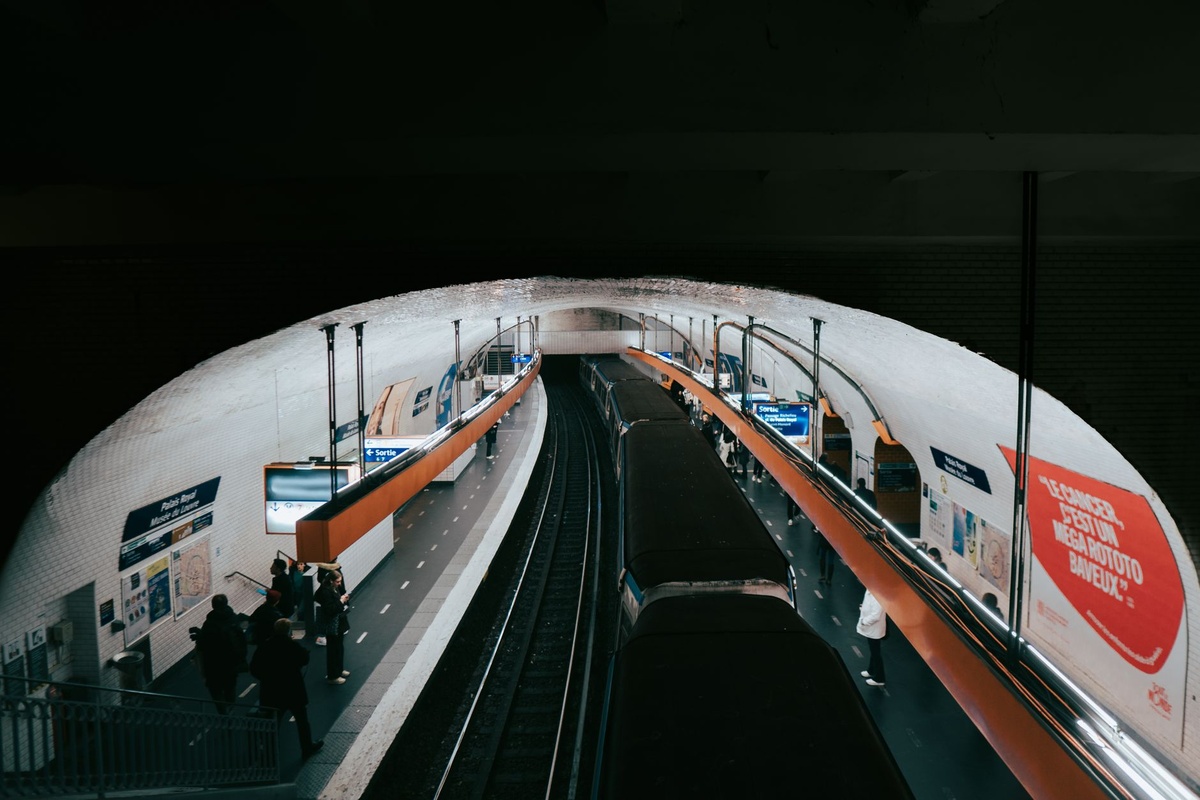
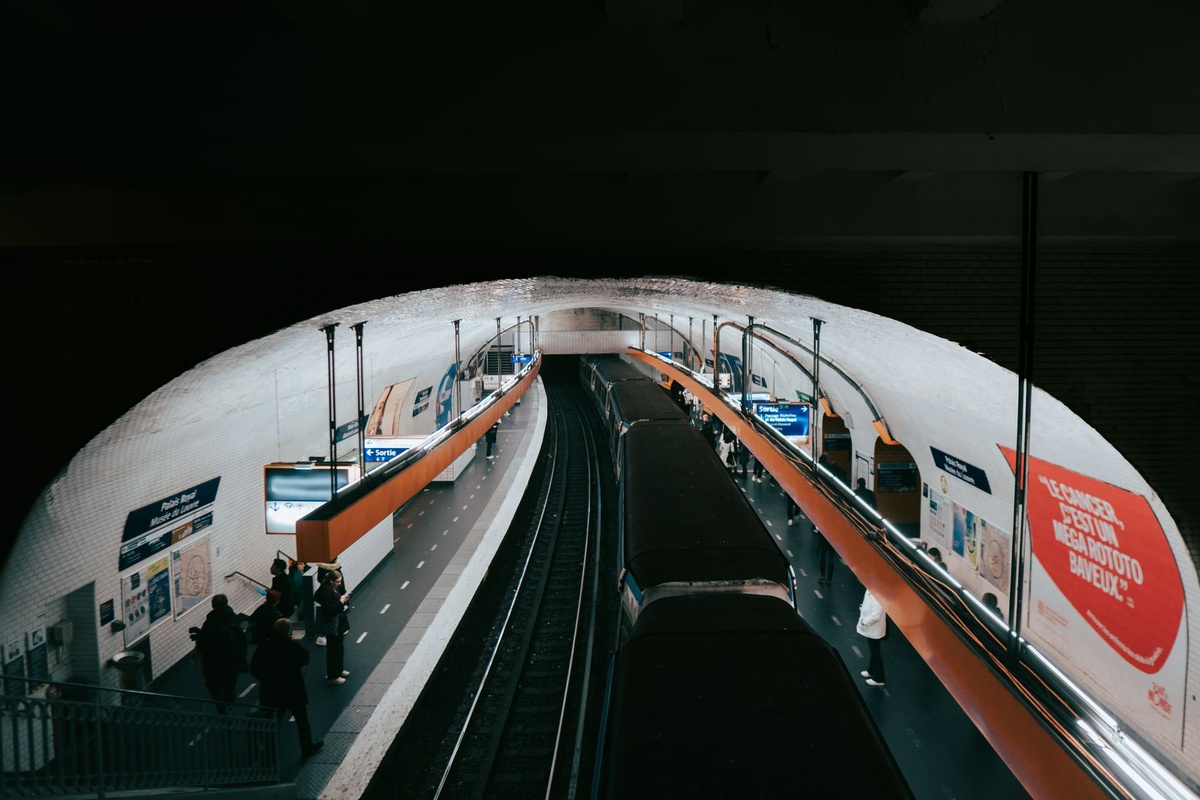
Traveling from Paris to Istanbul entirely by train is not one seamless “Orient Express” ride—it is a 3,200-kilometer rail expedition involving at least five trains, two sleepers and a middle-of-the-night Turkish border check. Done properly, however, it is one of Europe’s great solo journeys: Bavarian foliage, Budapest after dark, Transylvanian valleys and an atmospheric final night train into Istanbul.
Key Takeaways
- Allow seven to nine days for the 3,200-kilometer route; squeezing it below six days makes missed connections much more likely.
- Point-to-point tickets cost roughly €205–€435 in October 2026, depending on sleeper type and booking date.
- Use SNCF Connect, Deutsche Bahn, MÁV and CFR Călători; the Plovdiv–Istanbul sleeper is normally bought at a Bulgarian international ticket office.
- Build an overnight buffer in Bucharest or Plovdiv because Balkan international trains are less reliable than Paris–Munich services.
- Turkey conducts passport checks around Kapıkule during the night, and passengers may have to leave the train.
Key Numbers at a Glance
| Item | October 2026 planning figure |
|---|---|
| Total rail distance | Approximately 3,200 km |
| Minimum sensible duration | 7 days; 8–9 days is safer |
| Time physically aboard trains | About 47–54 hours |
| Number of main travel legs | 5, excluding local connections |
| Night trains | Budapest–Bucharest and Plovdiv–Istanbul |
| Point-to-point rail budget | €205–€435 |
| Comfortable total trip budget | Approximately €850–€1,150 for 8 days |
| Longest leg | Budapest–Bucharest, roughly 15–17 hours |
| Booking lead time | 60–180 days, varying by operator |
The fastest theoretical itinerary is around four days, but that requires fragile same-day connections. Compared with a seven-day plan, you save three hotel nights but dramatically increase your chance of losing a non-refundable sleeper reservation.
October is a strong month for this trip. Munich’s parks and the Hungarian countryside have autumn color, daytime temperatures are generally 12–18°C across Central Europe, and Plovdiv can still reach 20°C before Istanbul’s wetter late-autumn weather arrives.
The Route: Five Main Legs, Not One Through Ticket
No railway sells Paris to Istanbul as one protected journey. You assemble the route from separate tickets, which means a delay on one operator does not automatically oblige the next operator to accommodate you.
| Leg | Approx. distance | Typical duration | Indicative fare, Oct. 2026 | Best booking method |
|---|---|---|---|---|
| Paris–Munich | 684 km | 5 hr 35 min–6 hr 10 min | €40–€140 | SNCF Connect or DB |
| Munich–Budapest | 685 km | 6 hr 50 min–7 hr 15 min | €38–€100 | DB |
| Budapest–Bucharest | Approximately 840 km | 15–17 hr overnight | €55–€135 | MÁV |
| Bucharest–Plovdiv | Approximately 570 km | 10–13 hr, usually with changes | €35–€55 | CFR plus station-issued Bulgarian ticket |
| Plovdiv–Istanbul Halkalı | Approximately 440 km | 7–9 hr overnight | €30–€65 | Bulgarian international ticket office |
| Total | About 3,219 km | 47–54 hr aboard | €198–€495 | Multiple bookings required |
The fare ranges above are realistic October 2026 planning prices, not a promise that every departure will be available at the minimum. Paris–Munich can jump from €39.99 to above €120 close to departure, while Balkan base fares change less but sleepers sell out.
Which Version Should You Choose?
- Choose the seven-day route if you have limited leave and can accept one or two long travel days.
- Choose eight or nine days if this is your first multi-country rail trip or you want proper evenings in Budapest and Plovdiv.
- Choose a private sleeper if uninterrupted privacy matters more than saving €30–€60 per night.
- Choose a couchette if you are sociable, carry earplugs and want the best balance of cost and rest.
- Choose flights instead if Istanbul is the only destination: Paris–Istanbul takes about 3 hours 40 minutes by air versus more than 47 hours aboard trains.
My pick is eight days with two nights in Budapest and a full buffer night in Plovdiv. Skip the heroic four-day dash; a single 90-minute delay in Romania can unravel reservations worth more than the hotel night you tried to save.
The Four Booking Sites You Actually Need
1. SNCF Connect: Paris to Munich
Use SNCF Connect to compare direct TGV/ICE departures from Paris Gare de l’Est. The site and app operate 24 hours, while staffed international sales at Gare de l’Est generally run from early morning until evening; verify station hours for your travel date.
SNCF often displays the same train as Deutsche Bahn, but cancellation conditions may differ. Compare both before paying: a €69 flexible fare can be better value than a €49 ticket that becomes worthless after departure.
2. Deutsche Bahn: Paris–Munich and Munich–Budapest
Deutsche Bahn is the best journey-planning tool for the western half of this itinerary. It shows platform changes, train composition and live delays more clearly than most national apps.
DB’s Super Sparpreis fares are cheapest but restrictive; Sparpreis tickets usually offer more manageable cancellation terms. For Munich–Budapest, look for a direct Railjet rather than saving €10 on a connection through Vienna.
3. MÁV: Budapest to Bucharest
Book the overnight Ister or Dacia through MÁV, Hungary’s national railway. Search from “Budapest-Keleti” to “București Nord,” not simply “Budapest” to “Bucharest,” if the first search fails.
MÁV may issue a mobile ticket, a PDF or a collection code depending on the fare. Read the delivery line before payment: a ticket requiring collection in Hungary is manageable, but it is useless if you planned to board farther down the route.
4. CFR Călători: Bucharest to the Bulgarian Border
Use CFR Călători for Romanian schedules and domestic portions toward Giurgiu or Ruse. International inventory can be inconsistent online, so use CFR for planning and buy any missing cross-border portion at București Nord.
Bucharest North’s international ticket office normally keeps daytime and early-evening hours rather than operating all night. Go the afternoon before departure; buying at 07:00 for a morning train is an avoidable gamble.
BDZ, Bulgaria’s railway, is useful for checking domestic schedules, but online international sales remain limited. I do not count it among the four core booking sites because the crucial Plovdiv–Istanbul reservation is usually handled in person.
Step 1: Paris to Munich
Direct trains leave Paris Gare de l’Est and reach München Hauptbahnhof in roughly 5 hours 40 minutes. Some itineraries require a change in Stuttgart or Mannheim, but the direct service is worth paying up to €25 more for because separate transfers create unnecessary risk on day one.
Arrive 35 minutes before departure. Unlike Eurostar, there is no airport-style check-in, but Gare de l’Est is large enough that finding the correct hall, buying food and reaching the platform can consume 20 minutes.
Second class is perfectly adequate for this daytime leg. First class frequently costs €25–€60 extra; buy it only if you need quiet workspace or the price gap falls below €20.
In Munich, stay near Hauptbahnhof rather than around Marienplatz if you have a morning departure. Motel One München-Hauptbahnhof and 25hours Hotel The Royal Bavarian cost roughly €110–€190 for an October weeknight, compared with hostel dorm beds around €35–€60.
For dinner, skip the tourist lines at Hofbräuhaus and go to Augustiner-Keller, about a 12-minute walk from the station. A main course costs roughly €16–€25, while a half-liter beer is about €5–€6.
Step 2: Munich to Budapest by Direct Railjet
The direct Railjet usually takes just under seven hours and runs through Salzburg, Linz and Vienna. October daylight makes this more attractive than flying: you see the Bavarian and Austrian autumn landscape rather than spending four hours reaching and waiting in airports.
A typical advance second-class fare is €37.90–€59.90, rising toward €100 close to departure. Seat reservations cost only a few euros and are optional on many Railjets, but I would reserve one for Friday or Sunday travel.
Bring lunch from Munich station. Onboard restaurant-car mains can cost €12–€20, compared with €6–€10 for a sandwich, fruit and drink purchased before boarding.
Budapest-Keleti is about 10 minutes from the center on Metro Line M2. A single BKK ticket costs around HUF 500—roughly €1.25—while a taxi to the Jewish Quarter generally costs €10–€16 depending on traffic.
Stay two nights if possible. October is ideal for an evening Danube walk: sunset arrives around 17:30–18:15, and Parliament’s illumination is more memorable than another rushed daytime checklist.
For a practical phone-only workflow—tickets, offline PDFs, translation and hotspot backup—the lessons in this Hungarian iPhone-only work test translate surprisingly well to a multi-country train journey.
Step 3: Budapest to Bucharest on the Night Train
This is the journey’s most useful sleeper: you leave Budapest in the evening and arrive at București Nord around midday or afternoon. The exact October 2026 schedule depends on whether you take the Ister or Dacia service, so confirm train numbers and times on MÁV before booking.
The train crosses Hungary and western Romania before continuing through Transylvania. October foliage around the Carpathians is a genuine highlight, particularly during the morning approach if your train travels through Brașov.
| Accommodation | Typical total fare, Oct. 2026 | Privacy | Best for |
|---|---|---|---|
| Reserved seat | €45–€65 | Low | Absolute minimum budget |
| Six-berth couchette | €60–€80 | Moderate | Solo travelers prioritizing price |
| Four-berth couchette | €70–€95 | Moderate | Better sleep without sleeper pricing |
| Three-bed sleeper | €85–€115 | Good | Comfort-conscious solo travelers |
| Single sleeper | €115–€150 | Excellent | Privacy and secure luggage space |
Skip the overnight seat unless €20 genuinely changes the trip’s viability. Fifteen hours upright followed by Bucharest navigation is a bad bargain compared with a couchette.
Keep your passport accessible but not loose on the berth. Hungary and Romania are inside the Schengen Area, so routine land-border passport checks should not occur, although police or conductors can still perform identity checks.
Carry water and breakfast because catering is not guaranteed throughout the journey. Budapest-Keleti shops commonly remain open into the evening, but individual hours vary; buy supplies at least 45 minutes before departure.
Step 4: Bucharest to Plovdiv Without Betting the Trip
This is the least elegant part of the route. Depending on October engineering work, you may travel through Ruse and Gorna Oryahovitsa, use a Bucharest–Sofia international train for part of the route, or face a rail-replacement bus around the Romanian-Bulgarian border.
Expect 10–13 hours and at least one change. A through international fare plus Bulgarian domestic segment should total roughly €35–€55, compared with €18–€35 for a direct bus taking approximately 7–9 hours.
The bus is faster, but this guide prioritizes rail. I would use the bus only if CFR or BDZ shows a replacement service, an overnight arrival or a connection under 45 minutes at Gorna Oryahovitsa.
- Check the Bucharest–Ruse or Bucharest–Sofia departure on CFR at least five days before travel.
- Visit București Nord’s international ticket counter the day before departure.
- Ask whether the ticket covers travel to Plovdiv or only to Ruse/Gorna Oryahovitsa.
- Photograph the printed itinerary and reservation immediately.
- Plan to sleep in Plovdiv rather than connecting directly to Istanbul that night.
Romania and Bulgaria are both Schengen members, so routine immigration checks should no longer delay the land crossing. Railway inspections and occasional identity checks remain possible, and operational delays at the Danube can still exceed an hour.
In Plovdiv, stay inside or just north of the Old Town rather than beside the railway station. The station area is convenient but uninspiring; central guesthouses generally cost €45–€80, while a taxi from the station costs about €4–€7 and takes 10–15 minutes.
Eat at Pavaj for modern Bulgarian dishes, with mains around €10–€18, but reserve ahead on weekends. Skip the restaurants directly on the most photographed Old Town lanes; Kapana district offers better value and later kitchens.
Step 5: Buy the Plovdiv–Istanbul Sleeper Reservation
The Sofia–Istanbul Express normally calls at Plovdiv late at night before continuing to the Turkish border and Istanbul Halkalı. International tickets and sleeper supplements are not consistently sold online, so buy them from a Bulgarian international railway counter.
Plovdiv station’s international sales hours can change seasonally. In October 2026, verify them with BDZ before arrival and visit during daytime—do not assume the counter serving domestic tickets at night can issue an international sleeper.
A practical fallback is to purchase the ticket at Sofia Central Station earlier in the trip or through a reputable Bulgarian rail-ticket agency. Expect roughly €30–€40 for a shared couchette from Plovdiv and approximately €45–€65 for a sleeper, depending on occupancy and exchange rates.
The train may not offer ordinary seated accommodation for the international overnight section. A reservation is not merely desirable; the couchette or sleeper supplement is normally compulsory.
What Happens at the Bulgarian–Turkish Border?
This is the border that matters. Bulgaria is in Schengen, but Turkey is not, so every passenger undergoes Turkish entry formalities regardless of having traveled freely across the preceding countries.
On the Bulgarian side, officials may collect or inspect passports aboard the train. At Kapıkule in Turkey, passengers are commonly required to get off, enter the passport-control building and present documents in person.
The process can take 60–150 minutes, often between 01:00 and 04:00. A bus crosses the same border too, but passengers still face immigration; the train is more comfortable because your bed waits after inspection.
- Wear shoes and keep a jacket beside your berth; October nights at Kapıkule can drop below 10°C.
- Carry your passport, ticket and visa documentation in one small pouch.
- Check Turkey’s visa rules for your nationality before leaving Paris.
- Do not photograph immigration officers, inspection areas or military facilities.
- Set your phone to automatic time zones, especially around the October clock change.
Most EU, UK and several other passport holders receive visa-free entry for limited stays, but rules depend on nationality. Use only Turkey’s official government e-Visa portal if an e-Visa is required; skip third-party websites charging inflated processing fees.
Arrival at Halkalı: You Are Not Yet in Central Istanbul
The international train terminates at Halkalı, roughly 25 kilometers west of Sultanahmet. It does not arrive at historic Sirkeci station, despite what outdated blogs and romantic route maps imply.
The Marmaray suburban railway connects Halkalı with central Istanbul. Halkalı to Sirkeci takes about 45–55 minutes and costs only a few euros with an Istanbulkart, compared with €25–€40 and 40–90 minutes by taxi depending on traffic.
Take Marmaray unless you arrive exhausted with heavy luggage. Istanbul traffic before 10:00 can turn the taxi’s theoretical time advantage into an expensive crawl.
For mobile data across the route, an EU plan may cover France through Bulgaria but usually excludes Turkey. A regional eSIM from Airalo can avoid switching physical SIM cards, though you should download every ticket offline because Romanian and Bulgarian rail corridors still have dead zones.
A Safe Eight-Day Solo Itinerary
| Day | Plan | Risk level |
|---|---|---|
| 1 | Paris to Munich; overnight Munich | Low |
| 2 | Munich to Budapest; overnight Budapest | Low |
| 3 | Full day Budapest; board night train | Low |
| 4 | Arrive Bucharest; overnight Bucharest | Medium |
| 5 | Bucharest to Plovdiv; overnight Plovdiv | High |
| 6 | Plovdiv sightseeing; board Istanbul sleeper | Low |
| 7 | Arrive Istanbul; central hotel | Medium |
| 8 | Buffer or full Istanbul day | Low |
The Bucharest overnight is not wasted time. It converts an unprotected same-day gamble into a manageable morning departure and gives you time to solve international ticket problems at the station.
If you have nine days, add the extra night to Munich or Istanbul—not Bucharest. Munich’s October foliage and Istanbul’s evening ferry views offer more seasonal payoff.
Sample October 2026 Budget
This budget assumes bookings six to ten weeks ahead, shared couchettes on both night trains, private midrange rooms and eight days of moderate restaurant spending.
| Expense | Estimated cost |
|---|---|
| Paris–Munich train | €70 |
| Munich–Budapest train and seat | €55 |
| Budapest–Bucharest four-berth couchette | €85 |
| Bucharest–Plovdiv trains | €45 |
| Plovdiv–Istanbul couchette | €40 |
| Five hotel nights at €85 average | €425 |
| Food at €35 per day | €280 |
| Local transport | €45 |
| eSIM, lockers and contingency | €60 |
| Total | €1,105 |
A hostel-and-supermarket version can land near €650–€750. Private sleepers and four-star hotels push the same trip above €1,400, even though the route and travel times remain identical.
Point-to-Point Tickets or an Interrail/Eurail Pass?
Point-to-point tickets usually win if you commit early. The sample rail spend above is €295, while a multi-day pass plus reservations can exceed that once you add TGV, couchette and sleeper supplements.
Choose a pass if your dates are flexible, you intend to add Vienna or Brașov, or western European fares have already risen above €120 per leg. Choose separate tickets if the Paris–Munich and Munich–Budapest fares are still below €70 each.
A pass also does not solve the difficult part. You still need compulsory sleeper reservations, and the Plovdiv–Istanbul supplement may still require an in-person transaction.
Missed Connections: What to Do When the Plan Breaks
Separate tickets generally mean separate contracts. If Paris–Munich arrives late and you miss a Munich–Budapest train booked independently, DB may help, but it is not guaranteed to honor a restrictive ticket.
Build at least 90 minutes between daytime trains when an overnight hotel is not involved. In the Balkans, use three hours—or better, an overnight—because one delayed international service can eliminate the final connection of the day.
| Problem | Best response | Likely extra cost |
|---|---|---|
| Missed Munich–Budapest Railjet | Ask DB staff before buying again | €0–€120 |
| Budapest sleeper canceled | Request rerouting; price a Budapest hotel | €60–€150 |
| Late arrival in Bucharest | Use your buffer night | Usually €0 beyond planned hotel |
| Missed Bulgarian connection | Take next train or direct bus | €10–€35 |
| Plovdiv sleeper sold out | Travel to Sofia, rebook, or use overnight bus | €25–€80 |
Screenshot delay information before it disappears from the app, and ask the conductor for written proof. Travel insurance may cover replacement transport or accommodation, but only when you can document the disruption.
Common Mistakes to Avoid
- Trying to buy one Paris–Istanbul ticket: no single protected ticket normally exists for this complete route.
- Booking a seat on the Budapest sleeper: save elsewhere and buy at least a couchette.
- Assuming Plovdiv–Istanbul is fully bookable online: plan for an in-person international ticket counter.
- Connecting Bucharest to Istanbul on the same day: one Romanian delay can cost you the Bulgarian sleeper.
- Expecting arrival in central Istanbul: the international train terminates at Halkalı.
- Keeping tickets only inside apps: save PDFs offline and carry one printed backup.
- Ignoring October 25, 2026: European daylight-saving time ends that Sunday, while Turkey remains on UTC+3 year-round.
- Overpacking: a 35–40-liter bag is easier than a rolling suitcase on narrow sleeper corridors and station stairs.
My strongest advice is to treat the journey east of Budapest differently from the western legs. Paris–Munich rewards early discount booking; Bucharest–Plovdiv rewards patience, buffer time and the ability to ask a station clerk for help.
Final Verdict: The Best Way to Make This Journey Work
Book Paris–Munich and Munich–Budapest first, secure the Budapest–Bucharest couchette next, then organize the Balkan legs with at least one buffer night. The ideal solo itinerary takes eight days and costs about €850–€1,150 including midrange accommodation and food.
October adds autumn scenery, cooler sleeper temperatures and fewer summer crowds, but shorter daylight makes rushed Balkan connections less appealing. Save this guide, verify each departure on the four operator sites, and start booking the western legs as soon as your dates open.
Frequently Asked Questions
How much does the train from Paris to Istanbul cost?
Expect roughly €205–€435 for point-to-point rail tickets in October 2026. A comfortable eight-day trip including hotels, food and local transportation costs approximately €850–€1,150.
How long does it take to travel from Paris to Istanbul by train?
You will spend approximately 47–54 hours aboard trains, but seven to nine days is a sensible total itinerary. A faster four-day run is technically possible but leaves little protection against Balkan delays.
Can I book the entire Paris to Istanbul train journey online?
No single website reliably sells the complete route. Use SNCF Connect, Deutsche Bahn, MÁV and CFR Călători, then buy the Plovdiv–Istanbul sleeper from a Bulgarian international ticket office.
Are there passport checks on the train to Istanbul?
Yes. Routine checks between Schengen countries should be absent, but Turkey conducts immigration at Kapıkule, commonly requiring passengers to leave the train for 60–150 minutes during the night.
Is October a good month for the Paris to Istanbul train journey?
Yes: Central Europe has autumn color, daytime temperatures are generally 12–18°C, and trains are less crowded than in summer. Remember that European daylight-saving time ends on October 25, 2026, while Turkey does not change clocks.

About the Author: Tomáš Bzirský
Founder and editor of Distratech. Based in the Czech Republic, travelling regularly from Central Europe. Writes practical travel guides and travel-tech comparisons (eSIM, apps, airports) in six languages.