'/%3E%3Cpath%20fill='%23b2b2b2'%20d='M241%20382q0%2016%2017%2026%2017%2011%2042%2011t42-11q16-11%2017-26V269H241'/%3E%3Cpath%20fill='%239f7e00'%20d='M241%20379q0%2014%208%2023%209%209%2021%209%2014%200%2021-9%209-9%209-23V269h-59'/%3E%3Cpath%20d='M241%20339v-70h59v110q0%2014-9%2023l-6%205v-68h-15v72q-8%200-14-4v-68zm59%2040c0%2022%2015%2032%2029%2032%2021%200%2030-18%2030-32v-40h-59'/%3E%3Cpath%20fill='%239f7e00'%20d='M266%20277v5h2v12h-3v-5h2v-5h-9v5h2v5h-4v9h3v18h-5v10h34v-10h-5v-18h3v-9h-4v-5h2v-5h-9v5h2v5h-3v-12h2v-5zm42%20101q0%2010%206%2017%206%206%2015%207%2010-1%2016-7%206-7%206-17v-29h-43'/%3E%3Ccircle%20fill='%230044ad'%20cx='329.5'%20cy='372'%20r='6'/%3E%3Cellipse%20fill='%230044ad'%20cx='300'%20cy='340'%20rx='16'%20ry='21'/%3E%3C/svg%3E)
'/%3E%3C/svg%3E)


'/%3E%3C/g%3E%3Cuse%20href='%23c'%20transform='matrix(-1%200%200%201%20720%200)'/%3E%3C/svg%3E)


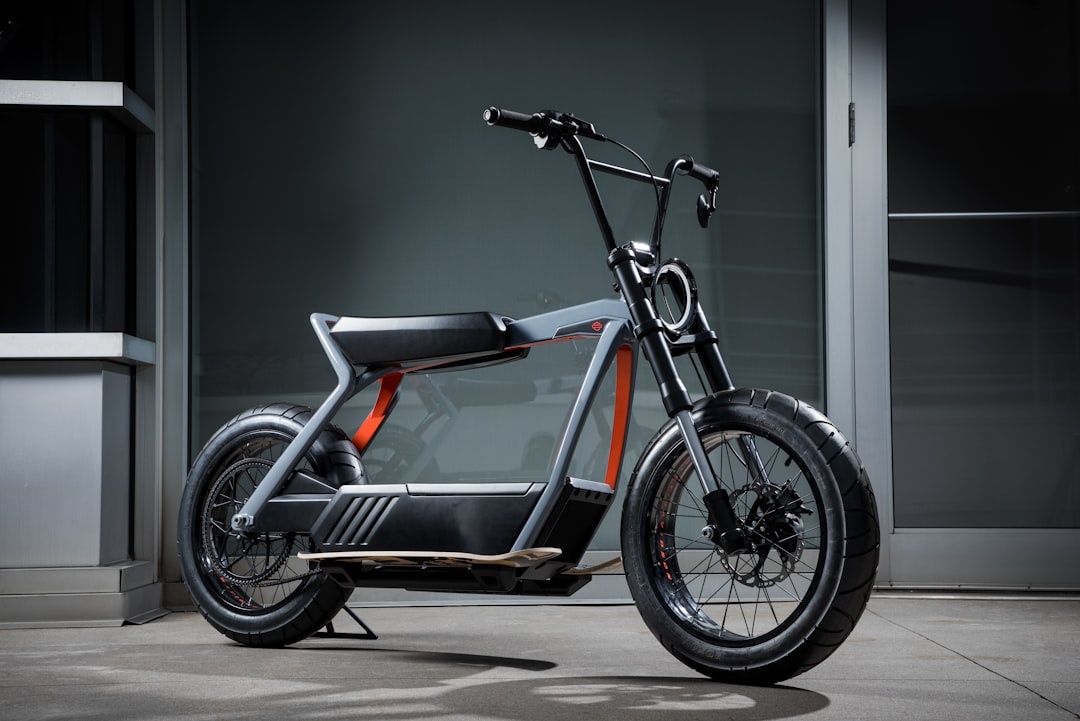
A DIY creator has just released the design files for a 3D‑printed electric motorbike that breaks down small enough to fit inside a standard suitcase. It’s called the Mirandetta — and according to its own maker, it’s “super fast… way too fast.”
If you’re traveling in peak July crowds — Mediterranean beaches jammed, Tour de France road closures across France, European cities throttling car traffic — a portable, suitcase‑sized ride sounds like freedom. But should you actually build or bring one?
Key Takeaways
- The Mirandetta is a DIY 3D‑printed electric motorbike that packs into a standard ~70cm suitcase.
- Top speed reportedly exceeds 45 km/h (28 mph), which may classify it as a moped in many countries.
- Total estimated build cost: $700–$1,200 depending on motor and battery choice.
- Battery size (~48V 15Ah typical) means most airlines will not allow it in checked or carry‑on luggage.
- For most travelers, a 12–15 kg commercial folding e‑scooter is safer and legally simpler.
What Exactly Is the Mirandetta?
The Mirandetta is a fully rideable electric motorbike built largely from 3D‑printed components. The creator released the design files publicly, meaning anyone with a capable 3D printer and mechanical skill can build one.
Why this matters when you’re traveling: it blurs the line between “personal mobility device” and “motor vehicle.” That distinction determines whether you can bring it on a plane, ride it legally in Barcelona, or get fined €200 in Florence.
Key reported specs (based on publicly shared build details):
- Top speed: 45–50 km/h (28–31 mph)
- Motor: 1,000W–1,500W hub motor (configurable)
- Battery: Typically 48V 15Ah lithium pack (~720Wh)
- Estimated range: 25–40 km depending on rider weight
- Weight: Approx. 18–22 kg fully assembled
- Breakdown size: Fits in a ~70cm hard-shell suitcase
That’s significantly more powerful than most rental e‑scooters you see in European capitals, which are usually capped at 20–25 km/h.
Why Travelers Are Even Interested
July 2026 is peak crowd season. In southern Europe, rental bikes are sold out by 9am. Train routes along the Tour de France corridor are packed. And if you’re hiking in the Nordics or wild swimming in Switzerland, the “last mile” between station and trailhead can be 3–8 km.
Why this matters when you’re traveling: portable transport saves time and taxi money.
For example:
- A 6 km taxi ride in Nice: €18–€25 in high season.
- Two days of e‑bike rental in Lake Como: €70–€90.
- One missed regional train because you couldn’t get to the station in time: priceless.
In theory, a suitcase motorbike gives you independence without renting locally.
But theory and airport security are two very different things.
The Air Travel Reality: Battery Rules Kill the Dream
The biggest problem isn’t the size. It’s the battery.
Most airlines follow IATA rules limiting lithium-ion batteries in carry‑on luggage to 100Wh (or up to 160Wh with approval). The Mirandetta’s typical 48V 15Ah battery equals:
48V × 15Ah = 720Wh
That’s over 7× the standard airline limit.
Why this matters when you’re traveling: you cannot legally bring a 720Wh battery on a commercial passenger flight in 2026 — not in carry-on, not in checked baggage.
Even high-end e‑bikes rarely fly without special cargo handling. A DIY battery pack? Almost certainly denied at check‑in.
Traveler verdict: Great for vanlife road trips. Not viable for air travel.
Is It Even Legal to Ride Abroad?
At 45–50 km/h, this is not an “e‑scooter” in many countries. It’s closer to a moped.
In Italy (relevant if you’re considering something like a Dolomites campervan road trip), vehicles above 25 km/h typically require registration, insurance, and a helmet.
In France, anything exceeding 25 km/h may fall into L1e category — meaning license plate and insurance required.
In Switzerland, electric mopeds over 20 km/h require registration and a number plate.
Why this matters when you’re traveling: riding an unregistered 1,500W DIY motorbike in a European city can result in fines between €135 and €1,500, plus confiscation.
And good luck explaining 3D‑printed brakes to local police.
Build Cost vs. Buying a Commercial Alternative
Let’s talk money.
Estimated DIY Mirandetta Build Cost
- 1,000W–1,500W hub motor: $180–$350
- 48V 15Ah battery: $250–$450
- Controller + throttle + wiring: $120
- 3D printing filament (PLA/PETG/ABS, ~6–8 kg): $120–$200
- Wheels, brakes, hardware: $150+
Total: $700–$1,200 (excluding printer cost and labor)
Now compare that to travel-friendly options:
Better for Flights: Folding E‑Scooters
- Xiaomi Electric Scooter 4 Pro (2nd Gen) – $699, 20 kg, 55 km range, 25 km/h top speed
- Segway Ninebot F2 Pro – $649, 18.5 kg, 55 km range
Still not airline-friendly due to battery size (typically 460–550Wh), but at least legally compliant for street use in most EU cities.
Actually Flyable: Micro Mobility
- Unagi Model One Voyager (detachable battery) – $990, 29.6V system, modular battery options
- Electric skateboards under 160Wh – niche but airline-possible
Why this matters when you’re traveling: the Mirandetta costs as much as a premium scooter but adds legal and airline headaches.
Buy: A commercial, speed‑limited scooter if staying long-term in one country.
Skip: DIY high-speed builds for international city-hopping trips.
Safety: “Way Too Fast” Is Not a Flex
The creator warns it’s extremely fast. At 50 km/h on 3D‑printed structural components, you’re entering motorcycle physics.
Why this matters when you’re traveling: you’re riding on unfamiliar roads, possibly cobblestones (Lisbon), tram tracks (Amsterdam), or alpine descents (Switzerland).
A 20 kg scooter at 25 km/h is manageable. A 50 km/h DIY machine without ABS? That’s hospital‑visit territory.
European ER visit for non‑EU travelers without insurance: €500–€2,000 upfront.
And if you’re combining mobility with rail travel — like planning a car‑free alpine route in our guide to Switzerland by train without a car — portability and safety matter more than speed.
Where It Actually Makes Sense
There is one scenario where the Mirandetta is brilliant: overland travel.
- Campervan road trips
- Long-term stays in one country
- Rural base camps during Nordic hiking season
- Digital nomads with workshop access
If you’re driving through Scotland and exploring remote areas (see our breakdown of wild camping realities in Scotland), a foldable motorbike stored in your van makes sense.
No airline restrictions. No rental queues. No dependence on patchy rural buses.
Why this matters when you’re traveling: in rural Europe or South America during dry season, last-mile transport can define your entire experience.
Environmental Angle: Is It Greener?
On paper, yes. A 720Wh battery uses less energy per 30 km than a car.
But 3D printing 6–8 kg of plastic filament (PLA or PETG) has its own carbon footprint. PLA production emits roughly 1.8–3.0 kg CO₂ per kg.
That’s up to 24 kg CO₂ just in raw plastic — before electronics.
Why this matters when you’re traveling: if sustainability is your priority, renting locally may be more efficient than flying heavy hardware around (even if you could).
Traveler Verdict
The Mirandetta is a brilliant engineering experiment.
For travelers? It’s niche.
If you fly frequently: Not practical due to battery restrictions.
If you slow-travel by van or car: Interesting, especially for rural exploration.
If you want legal simplicity: Buy a commercially certified e‑scooter capped at 25 km/h.
Speed is seductive. But when you’re navigating crowded July promenades in the Mediterranean, slower is safer — and less likely to get confiscated.
For most travelers in summer 2026, the better move is lightweight, airline‑compliant tech and smart public transport — not a suitcase superbike.
Frequently Asked Questions
Can you take a 3D‑printed electric motorbike on a plane?
Not with a typical 48V 15Ah (720Wh) battery. Most airlines limit lithium batteries to 100Wh (160Wh with approval), making large e‑bike batteries prohibited in both carry‑on and checked luggage.
How fast is the Mirandetta motorbike?
Reported top speeds exceed 45 km/h (28 mph), depending on motor configuration. That speed may legally classify it as a moped in many European countries.
How much does it cost to build a suitcase electric motorbike?
Expect $700–$1,200 in parts, including a $250–$450 battery and $180–$350 motor. This excludes the cost of a 3D printer and your build time.
Is a DIY electric motorbike legal in Europe?
It depends on speed and power. In many EU countries, vehicles above 25 km/h require registration, insurance, and sometimes a license plate.

About the Author: Tomáš Bzirský
Founder and editor of Distratech. Based in the Czech Republic, travelling regularly from Central Europe. Writes practical travel guides and travel-tech comparisons (eSIM, apps, airports) in six languages.