'/%3E%3Cpath%20fill='%23b2b2b2'%20d='M241%20382q0%2016%2017%2026%2017%2011%2042%2011t42-11q16-11%2017-26V269H241'/%3E%3Cpath%20fill='%239f7e00'%20d='M241%20379q0%2014%208%2023%209%209%2021%209%2014%200%2021-9%209-9%209-23V269h-59'/%3E%3Cpath%20d='M241%20339v-70h59v110q0%2014-9%2023l-6%205v-68h-15v72q-8%200-14-4v-68zm59%2040c0%2022%2015%2032%2029%2032%2021%200%2030-18%2030-32v-40h-59'/%3E%3Cpath%20fill='%239f7e00'%20d='M266%20277v5h2v12h-3v-5h2v-5h-9v5h2v5h-4v9h3v18h-5v10h34v-10h-5v-18h3v-9h-4v-5h2v-5h-9v5h2v5h-3v-12h2v-5zm42%20101q0%2010%206%2017%206%206%2015%207%2010-1%2016-7%206-7%206-17v-29h-43'/%3E%3Ccircle%20fill='%230044ad'%20cx='329.5'%20cy='372'%20r='6'/%3E%3Cellipse%20fill='%230044ad'%20cx='300'%20cy='340'%20rx='16'%20ry='21'/%3E%3C/svg%3E)
'/%3E%3C/svg%3E)


'/%3E%3C/g%3E%3Cuse%20href='%23c'%20transform='matrix(-1%200%200%201%20720%200)'/%3E%3C/svg%3E)



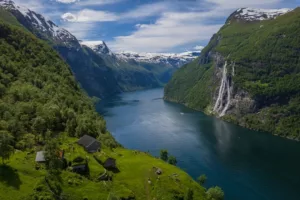
You binge “Outlander,” fall in love with Skye’s moody cliffs, and decide you’ll rent a campervan and just… park by a loch. Scotland has the “right to roam,” right?
Yes. And no. Especially in July 2026, when the North Coast 500 feels like a moving traffic jam and locals are fed up with vans blocking single-track roads.
Key Takeaways
- Wild camping is legal on most unenclosed land in Scotland, but campervans are vehicles and face local restrictions and fines up to £100 ($130).
- Camping Management Zones around Loch Lomond (March–September) require permits from £4 ($5) per night or you risk a £500 ($650) fine.
- Midge season peaks June–August; a head net (£6/$8) is more effective than most sprays.
- Official campsites cost £25–£45 ($32–$58) per night in summer 2026—often cheaper than fines and stress.
I’ve done the dreamy lochside overnights and I’ve also had the 6:30 a.m. knock from a ranger. Here’s what nobody tells you before you book that VW California for $180 per day.
1. The “Right to Roam” Doesn’t Mean “Park Anywhere”
Scotland’s Outdoor Access Code allows wild camping on most unenclosed land. But it was designed for tents, not 3.5-ton campervans with chemical toilets.
A campervan is legally a vehicle. That means you must follow road traffic laws and local parking restrictions.
In popular summer areas—Skye, Glencoe, parts of the NC500—councils have introduced byelaws limiting overnight parking. Ignore them and you can face:
- Fixed penalty notices around £100 ($130)
- Fines up to £500 ($650) in Camping Management Zones
- Towing in extreme obstruction cases
The strictest example? Loch Lomond & The Trossachs National Park. From March 1 to September 30, you cannot just park and sleep. You need a permit.
Permit cost in 2026: from £4 to £10 per night ($5–$13), bookable at lochlomond-trossachs.org. Rangers do check.
Comparison:
| Option | Cost per Night | Risk Level | Facilities |
|---|---|---|---|
| Permit zone (Loch Lomond) | £4–£10 ($5–$13) | Low | Basic toilet access |
| Official campsite (Skye) | £30–£45 ($39–$58) | None | Showers, hookups |
| Illegal roadside parking | £0 upfront | £100–£500 fine | None |
Romantic? Maybe. Worth the gamble? Usually not.
2. July Is Peak Chaos (And 2026 Is Busier Than Ever)
July is peak family travel across Europe. Add Outlander tourism and social media van-life reels, and hotspots are packed.
On the Isle of Skye this month, the Quiraing car park fills by 8:30 a.m. Miss it and you’ll be circling single-track roads with 30 other vans.
Wild camping works best when:
- You arrive before 6 p.m.
- You stay one night max
- You leave no trace (including wastewater)
If you want solitude in July, skip Skye and drive 2.5 hours further north to Assynt. The beaches near Achmelvich are just as cinematic, with half the traffic.
Drive time comparison from Inverness:
- Inverness → Portree (Skye): 2h 45m, ~180 km
- Inverness → Lochinver (Assynt): 2h 30m, ~160 km
Same Highlands drama. Fewer campervan convoys.
3. Midges Are Not a Joke
No one warned you about the midges in Outlander.
From June to August—especially at dusk near still water—you will be swarmed. We’re talking clouds around your face.
What actually works:
- Smidge repellent (100 ml £7 / $9 at Boots)
- Midge head net (£6 / $8 on Amazon UK)
- Parking in breezy, exposed spots (clifftops > forest edges)
What doesn’t: citronella candles, most natural sprays, wishful thinking.
I once chose a “sheltered woodland loch view.” Gorgeous at 5 p.m. Uninhabitable by 9 p.m. I retreated into the van and skipped sunset entirely.

If you value outdoor cooking and sitting outside, pick coastal pitches with wind exposure. It makes a dramatic difference.
4. Waste Disposal Is the Real Ethical Test
The biggest tension with wild campervans in Scotland isn’t parking. It’s waste.
Grey water dumped into lay-bys. Chemical toilets emptied into public toilets. Overflowing bins in tiny villages.
This is why locals push back.
In 2026, more councils are installing overnight height barriers (2.1 m) in coastal car parks. Translation: no high-top vans.
Plan your dump points. Use apps like:
- Park4Night (freemium)
- Campercontact (€17/year premium)
- Searchforsites (free version solid in UK)
Many fuel stations do not offer chemical disposal. Official campsites and some motorhome aires do.
Typical service stop price:
- Grey/black water dump: £5–£10 ($6–$13)
- Fresh water refill: £2–£5 ($3–$6)
Pay it. It’s cheaper than being “that tourist” on the local Facebook group.
If you’re considering upgrading your setup with a fancy off-grid shower, read our take on whether a $700 portable shower is actually worth it. In Scotland’s 15°C (59°F) summer evenings, you may not use it as much as you think.
5. Insurance, Breakdowns, and Single-Track Reality
Those cinematic Highland roads? Many are single-track with passing places.
If you’ve never driven one, practice patience. Reversing 100 meters to the last passing place is normal.
Rental costs July 2026 (7-day average):
- VW California: $1,100–$1,400 per week
- 4-berth motorhome: $1,300–$1,800 per week
- Insurance excess: often £1,500–£2,000 ($1,950–$2,600)
Reducing the excess typically costs £20–£25 per day ($26–$32). Compare that to a cracked wing mirror on a stone wall.
Public transport vs campervan example:
| Route | Train + Bus | Campervan (fuel only) |
|---|---|---|
| Edinburgh → Fort William | £35 ($45), 4h 45m | ~£25 fuel ($32), 3h 15m |
But add rental cost and parking fees, and the van is rarely “cheaper.” It’s about flexibility, not savings.
If you’re combining Scotland with wider European rail travel, our breakdown of Seat61 vs Rail Europe vs Omio will save you from dynamic pricing traps.
6. The Best Legal “Wild” Alternatives
Here’s the secret seasoned van travelers use: semi-wild sites.
These are small croft campsites or farm stays that feel remote but are fully legal.

Skye Camping & Caravanning Club Site
£32–£40 ($41–$52) per night in July. Book months ahead. Showers included, walking distance to Portree (15 min).
Ardmair Point (near Ullapool)
From £28 ($36). Absolute waterfront views. No nonsense. 5-minute drive to Ullapool seafood shack The Seafood Shack (mains ~£14/$18).
Clachtoll Beach Campsite (Assynt)
~£35 ($45). White-sand beach, turquoise water, hot showers. Wild-looking, zero stress.
Price difference vs illegal roadside spot? Maybe $40. But you sleep better.
7. The Reality Check: Is It Still Worth It?
Yes—but not for the Instagram fantasy.
Scotland in July gives you 17 hours of daylight. You can hike Old Man of Storr at 9 p.m. and still see the path. Wild swimming season is at its peak (water still cold, around 12–15°C / 54–59°F, wetsuit recommended).
You’ll wake up to mist over a loch. You’ll drink coffee with no one around. Those moments are real.
But you’ll also:
- Battle midges
- Hunt for dump points
- Pay more than you budgeted
- Compete for parking at famous sites
The trick is adjusting expectations. Scotland’s right to roam is about responsible access, not free-for-all van life.
Smart Strategy for July–August 2026
- Book your first and last nights at official campsites.
- Use wild camping sparingly in remote areas (Assynt, parts of Cairngorms).
- Avoid Camping Management Zones without permits.
- Carry cash and card for rural honesty boxes.
- Plan around wind exposure to beat midges.
If you’re traveling this summer, start early, drive slower, and assume the obvious Instagram spots are full.
Scotland rewards patience and punishes entitlement.
Final Word
“Outlander” sells romance. Real campervan travel in Scotland is logistics, weather apps, midge nets, and respecting local communities.
Do it right, and you’ll have one of the best road trips in Europe. Do it lazily, and you’ll collect fines and resentment.
If you’re planning a Highland loop this summer, map your dump stations before your viewpoints. That alone puts you ahead of half the vans on the road.
And if you’ve done it recently, I’d love to hear: did you find your perfect loch—or just perfect midges?
Frequently Asked Questions
Is wild camping in a campervan legal in Scotland?
Wild camping is legal on most unenclosed land, but campervans must follow parking laws and local byelaws. In areas like Loch Lomond (March–September), you need a permit from £4 ($5) per night or risk fines up to £500 ($650).
How much does it cost to rent a campervan in Scotland in July?
Expect $1,100–$1,800 per week in peak July 2026, depending on size. Insurance excess is typically £1,500–£2,000 ($1,950–$2,600), with optional daily fees to reduce it.
When is midge season in Scotland?
Midge season runs roughly June through August, peaking in warm, still evenings near water. A head net (£6/$8) and Smidge repellent (£7/$9) are more reliable than natural sprays.
Are campsites in Scotland expensive?
In summer 2026, most Highland campsites charge £25–£45 ($32–$58) per night for a campervan pitch with basic facilities. Semi-wild farm sites often offer the best value and scenery balance.

About the Author: Tomáš Bzirský
Founder and editor of Distratech. Based in the Czech Republic, travelling regularly from Central Europe. Writes practical travel guides and travel-tech comparisons (eSIM, apps, airports) in six languages.