'/%3E%3Cpath%20fill='%23b2b2b2'%20d='M241%20382q0%2016%2017%2026%2017%2011%2042%2011t42-11q16-11%2017-26V269H241'/%3E%3Cpath%20fill='%239f7e00'%20d='M241%20379q0%2014%208%2023%209%209%2021%209%2014%200%2021-9%209-9%209-23V269h-59'/%3E%3Cpath%20d='M241%20339v-70h59v110q0%2014-9%2023l-6%205v-68h-15v72q-8%200-14-4v-68zm59%2040c0%2022%2015%2032%2029%2032%2021%200%2030-18%2030-32v-40h-59'/%3E%3Cpath%20fill='%239f7e00'%20d='M266%20277v5h2v12h-3v-5h2v-5h-9v5h2v5h-4v9h3v18h-5v10h34v-10h-5v-18h3v-9h-4v-5h2v-5h-9v5h2v5h-3v-12h2v-5zm42%20101q0%2010%206%2017%206%206%2015%207%2010-1%2016-7%206-7%206-17v-29h-43'/%3E%3Ccircle%20fill='%230044ad'%20cx='329.5'%20cy='372'%20r='6'/%3E%3Cellipse%20fill='%230044ad'%20cx='300'%20cy='340'%20rx='16'%20ry='21'/%3E%3C/svg%3E)
'/%3E%3C/svg%3E)


'/%3E%3C/g%3E%3Cuse%20href='%23c'%20transform='matrix(-1%200%200%201%20720%200)'/%3E%3C/svg%3E)


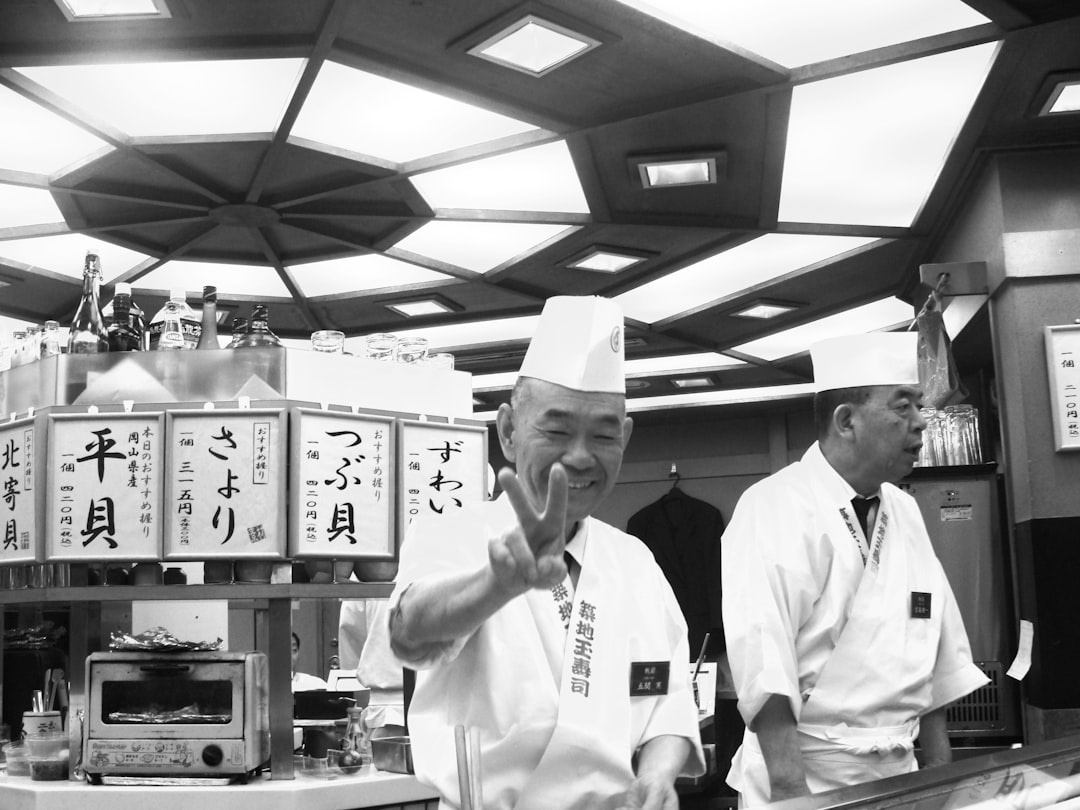
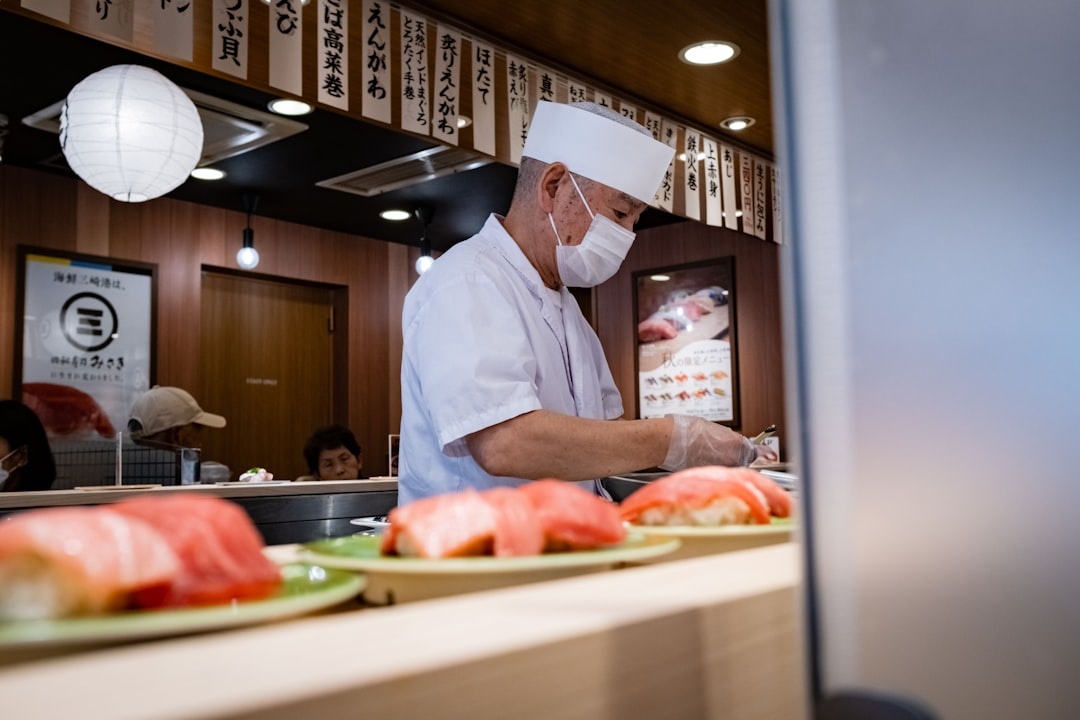
Tokyo has more Michelin stars than any city on earth — but if you only eat sushi, you’re doing it wrong.
This summer 2026, the yen is still relatively weak against the dollar and euro, which means street food, ramen counters, and neighborhood joints are better value than they’ve been in years. Think $4 snacks, $9 noodle bowls, and tasting menus under $40 — in one of the world’s most exciting food cities.
Key Takeaways
- Most neighborhood specialties cost $4–$15 USD, with Michelin-listed ramen under $10.
- Asakusa to Shimokitazawa is just 35–45 minutes by train ($1.50–$2.20 per ride).
- Many famous spots don’t take reservations — go before 11:30am or after 8pm to avoid 45+ min waits.
- Suica or Pasmo cards save time vs buying single tickets (same price, faster entry).
1. Asakusa – Monjayaki at Tsukishima Monja Okoge
Yes, monjayaki is technically from nearby Tsukishima, but Asakusa does it brilliantly — and with fewer tour buses.
At Monja Okoge Asakusa (5-minute walk from Senso-ji Temple, open 11:00am–10:30pm), you’ll grill your own savory batter mixed with cabbage, seafood, and mochi directly on the table.
Order the mentaiko mochi cheese monja for ¥1,580 (~$10.50). It’s messy, crispy-edged, and far more interactive than sushi.
Comparison: Street tempura skewer nearby: ~$3. Monjayaki full meal: ~$11 and far more filling.
2. Ueno – Tonkatsu at Yamabe
Ueno is museum central, but it’s also pork-cutlet heaven.
Tonkatsu Yamabe (3 minutes from Okachimachi Station, open 11:00am–2:30pm, 5:00pm–9:00pm) serves one of the best-value tonkatsu sets in Tokyo. The rosu katsu teishoku costs ¥1,100 (~$7.30) with rice, miso soup, and pickles.
Expect a 20-minute wait at lunch. Go at 1:30pm instead of noon and you’ll likely walk straight in.
Taxi vs Train:
| Route | Cost | Time |
|---|---|---|
| Asakusa → Ueno (Train) | $1.50 | 5–7 min |
| Asakusa → Ueno (Taxi) | $12–$15 | 10–15 min |
Take the train. Always.
3. Akihabara – Curry at Go! Go! Curry
Akihabara isn’t just anime and electronics. It’s also home to Kanazawa-style Japanese curry.
Go! Go! Curry Akihabara 1st Branch (open 10:55am–9:55pm) serves thick, dark curry over shredded cabbage and rice, topped with a crispy pork cutlet.
Small katsu curry: ¥1,000 (~$6.60). Large: ¥1,550 (~$10.30). The large is massive — skip it unless you’re starving.
Compared to a $18–$22 curry plate in New York or London, Tokyo wins on both price and depth of flavor.
4. Yanaka – Taiyaki at Nekoemon
Yanaka feels like old Tokyo — narrow lanes, wooden houses, fewer crowds.
At Nekoemon (open 10:30am–5:00pm, closed Mondays), taiyaki comes stamped with cat shapes instead of fish. Classic red bean costs ¥240 (~$1.60); custard is ¥260.
Cash only. Bring coins.
Skip: Convenience store desserts (~$2.50).
Do: Fresh taiyaki for under $2.
5. Ikebukuro – Tsukemen at Mutekiya
Ramen’s cooler cousin is tsukemen — dipping noodles served separately from ultra-rich broth.
Mutekiya (5 minutes from Ikebukuro Station, open 10:30am–10:00pm) is legendary. Expect a 30–45 minute line at peak dinner.
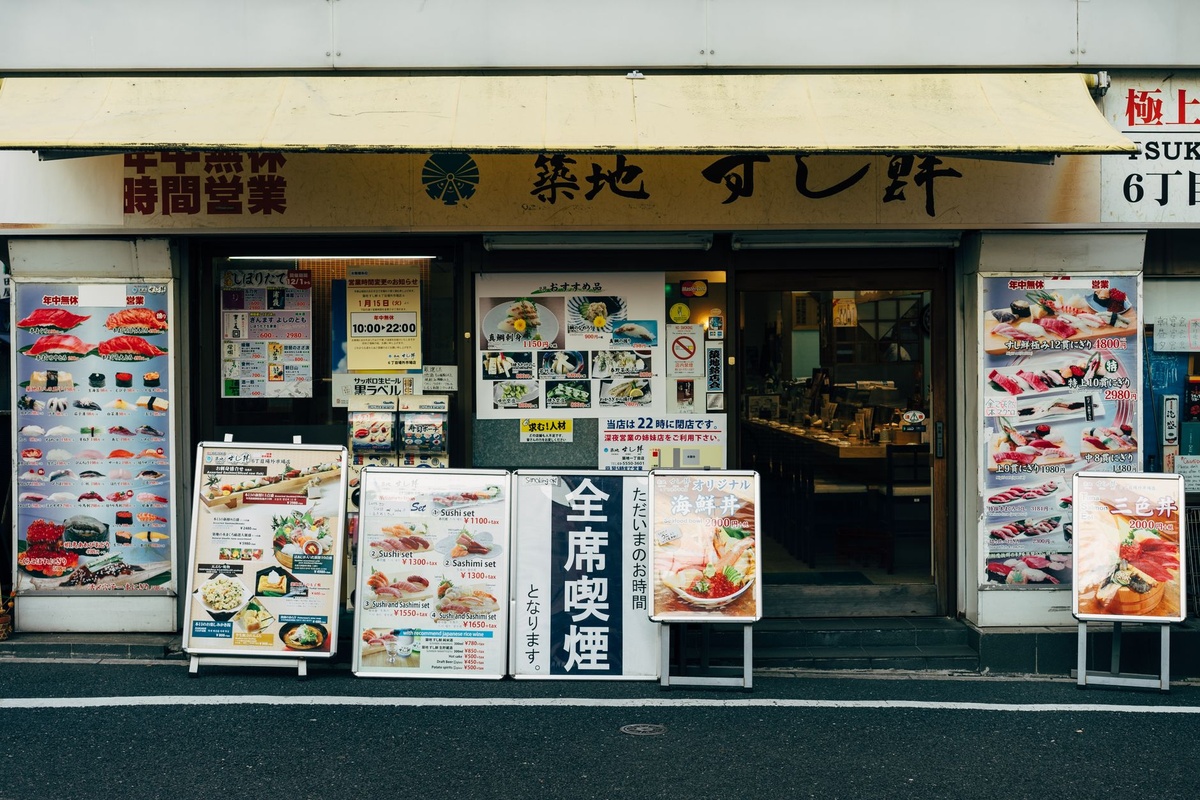
Special tsukemen: ¥1,450 (~$9.60). Portion size is generous.
Pro tip: Go at 10:30am sharp. Zero line vs 45 minutes at 7pm.
6. Harajuku – Crepes on Takeshita Street
Harajuku crepes are chaotic, overstuffed, and very Instagrammable — but choose wisely.
Skip the longest line at Marion Crepes. Go to Santa Monica Crepes instead (open 10:00am–8:00pm).
Strawberry cheesecake crepe: ¥700 (~$4.60). Add matcha ice cream for ¥150.
It’s touristy, yes. But compared to a $9 dessert crepe in Paris, this is half the price and twice the fun.
7. Shinjuku – Yakitori in Omoide Yokocho
Omoide Yokocho is a smoky alley packed with tiny grills and salarymen.
At Tori-En (open 4:00pm–11:30pm), skewers range from ¥150–¥300 ($1–$2). Order liver, thigh, and negima (chicken + scallion).
Five skewers + beer = around ¥1,500 ($10).
Comparison: Izakaya chain dinner: $25–$40. Alley yakitori crawl: $10–$15.
July evenings are humid (80–88°F / 27–31°C). Go after 8:30pm when it cools slightly.
8. Ginza – Depachika Food Halls at Mitsukoshi
Ginza is luxury central — but the basement food halls (depachika) are where locals shop.
Ginza Mitsukoshi basement (open 10:00am–8:00pm) sells everything from wagyu bento to delicate fruit sandwiches.
High-end wagyu bento: ¥2,500 (~$16.50). Compare that to a $120 steak upstairs.
This is also perfect for a picnic in Hibiya Park (10-minute walk).
9. Nakameguro – Kakigori (Shaved Ice) at Himitsudo
Summer in Tokyo is humid. Kakigori is survival.
Himitsudo (check Instagram for daily hours; usually 11:00am–6:00pm) serves fluffy shaved ice with fresh fruit syrups.
Seasonal mango or melon: ¥1,400–¥1,800 ($9–$12).
Line strategy: Arrive 20 minutes before opening. Midday waits can hit 60–90 minutes in July.
If you’re escaping Europe’s extreme heat this year (see our Europe heatwave 2026 update), Tokyo is hot too — but at least the cold desserts are elite.
10. Shimokitazawa – Soup Curry at Rojiura Curry Samurai
Shimokitazawa is vintage shops, live music, and Tokyo’s indie food scene.
Rojiura Curry Samurai (open 11:30am–3:30pm, 5:30pm–9:30pm) specializes in Hokkaido-style soup curry — thinner broth, loaded with vegetables.
Chicken & 20-vegetable curry: ¥1,650 (~$11).
Train comparison (Shibuya → Shimokitazawa):
| Option | Cost | Time |
|---|---|---|
| Odakyu Line | $1.60 | 7 min |
| Taxi | $18–$22 | 20–30 min |
Take the Odakyu. Spend the savings on craft beer at Ushitora nearby (~$6 per pint).
How to Plan Your Tokyo Food Crawl (Smart & Efficient)
Tokyo is huge. Neighborhood-hopping without a plan wastes time.
- Group by area: Asakusa + Ueno same morning; Harajuku + Shinjuku same evening.
- Use Google Maps + Tabelog: Tabelog ratings are more accurate than TripAdvisor in Japan.
- Carry cash: Many small shops are still cash-only.
- Get Suica/Pasmo: Saves 30–60 seconds per station vs paper tickets.
- Avoid peak lunch (12–1pm): Go 11am or 1:30pm.
If you’re working remotely between bites, this is a good time to upgrade your gear — here are the best Prime Day laptop deals of 2026 before you fly.
Budget Breakdown: One Full Day of Eating
| Item | Estimated Cost (USD) |
|---|---|
| Tonkatsu lunch (Ueno) | $7.30 |
| Taiyaki snack (Yanaka) | $1.60 |
| Kakigori (Nakameguro) | $10 |
| Yakitori dinner (Shinjuku) | $12 |
| Transport (4–5 rides) | $8 |
| Total | ~$39 |
Under $40 for a full-day Tokyo food crawl. Try doing that in Paris or NYC.
Where to Stay for Easy Food Access
Budget: Hotel Graphy Nezu (near Yanaka). Rooms from $75/night in summer 2026.
Mid-range: JR-East Hotel Mets Ueno. From $120/night, steps from train lines.
Boutique: Trunk Hotel Yoyogi Park (near Shibuya/Harajuku). Around $280/night.
Stay near a JR Yamanote Line station. It loops through Ueno, Tokyo, Shinjuku, and Shibuya — your food highway.
Final Bite
Sushi is great. But Tokyo’s real personality shows up in curry counters, smoky alleys, shaved ice shops, and basement food halls.
Pick three neighborhoods per day. Show up early. Order the local specialty. Repeat.
If you’re planning a summer Japan trip, save this guide — and come hungry.
For a great place to stay while you hop between Asakusa and Shimokitazawa, browse Tokyo hotel options and book early for summer 2026 deals.
Frequently Asked Questions
How much should I budget per day for food in Tokyo?
$30–$50 per day is realistic if you eat local specialties like ramen, curry, and yakitori. A mix of street snacks and sit-down meals rarely exceeds $15 per dish.
Is it better to book restaurants in Tokyo in advance?
For neighborhood spots listed here, reservations usually aren’t needed. High-end or Michelin restaurants require booking 1–4 weeks ahead via TableCheck or Pocket Concierge.
What is the best area in Tokyo for food lovers?
Shinjuku offers the widest variety within walking distance, but Ueno and Asakusa deliver better value. Shimokitazawa is best for trendy, indie dining.
Is Tokyo expensive for eating out in 2026?
Compared to the US and Western Europe, no. With the current exchange rate, many excellent meals cost $7–$12, making Tokyo surprisingly affordable.

About the Author: Tomáš Bzirský
Founder and editor of Distratech. Based in the Czech Republic, travelling regularly from Central Europe. Writes practical travel guides and travel-tech comparisons (eSIM, apps, airports) in six languages.