You’ve landed in Tokyo. The kids are buzzing on melon soda and jet lag. Now you need to get 280 miles (450 km) south to Kyoto without losing your sanity — or your luggage.
In July 2026, Japan is deep into peak family travel season. Trains are busy, flights are fuller, and highway rest stops are packed with road‑tripping locals. Below is a real‑world, first‑timer comparison of the three main options — Shinkansen bullet train, domestic flight, and rental car — focusing on cost, door‑to‑door travel time, luggage rules, and what actually works with kids.
Key Takeaways
- Fastest door‑to‑door: Shinkansen at ~3–3.5 hours total (2h15 on board).
- Cheapest headline fare: Flights from $60 (€55), but usually 4–5 hours total with transfers.
- Most flexible: Rental car (~$190–$230 one way including tolls/fuel) only makes sense with rural detours.
- Luggage rule: Shinkansen bags over 160 cm total dimensions require a free oversized seat reservation.
- Best for first‑timers: The train wins on simplicity, comfort, and fewer meltdowns.
At-a-Glance Comparison (Summer 2026 Prices)
| Option | Adult Cost (One Way) | Child Cost (6–11) | Door-to-Door Time | Luggage Hassle | Best For |
|---|---|---|---|---|---|
| Shinkansen (Nozomi) | $95–$105 (€88–€97) | ~$50 | 3–3.5 hrs | Moderate (oversize rule) | Most families |
| Domestic Flight (Haneda–Itami) | $60–$120 (€55–€110) | $45–$90 | 4–5 hrs | Airline limits | Budget hunters |
| Rental Car | $75–$110/day + tolls | N/A | 5.5–7 hrs | Trunk-dependent | Rural detours |
Let’s break it down like a parent who values both yen and naps.
Option 1: Shinkansen — The Default for a Reason
Route: Tokyo Station to Kyoto Station
Distance: 450 km (280 miles)
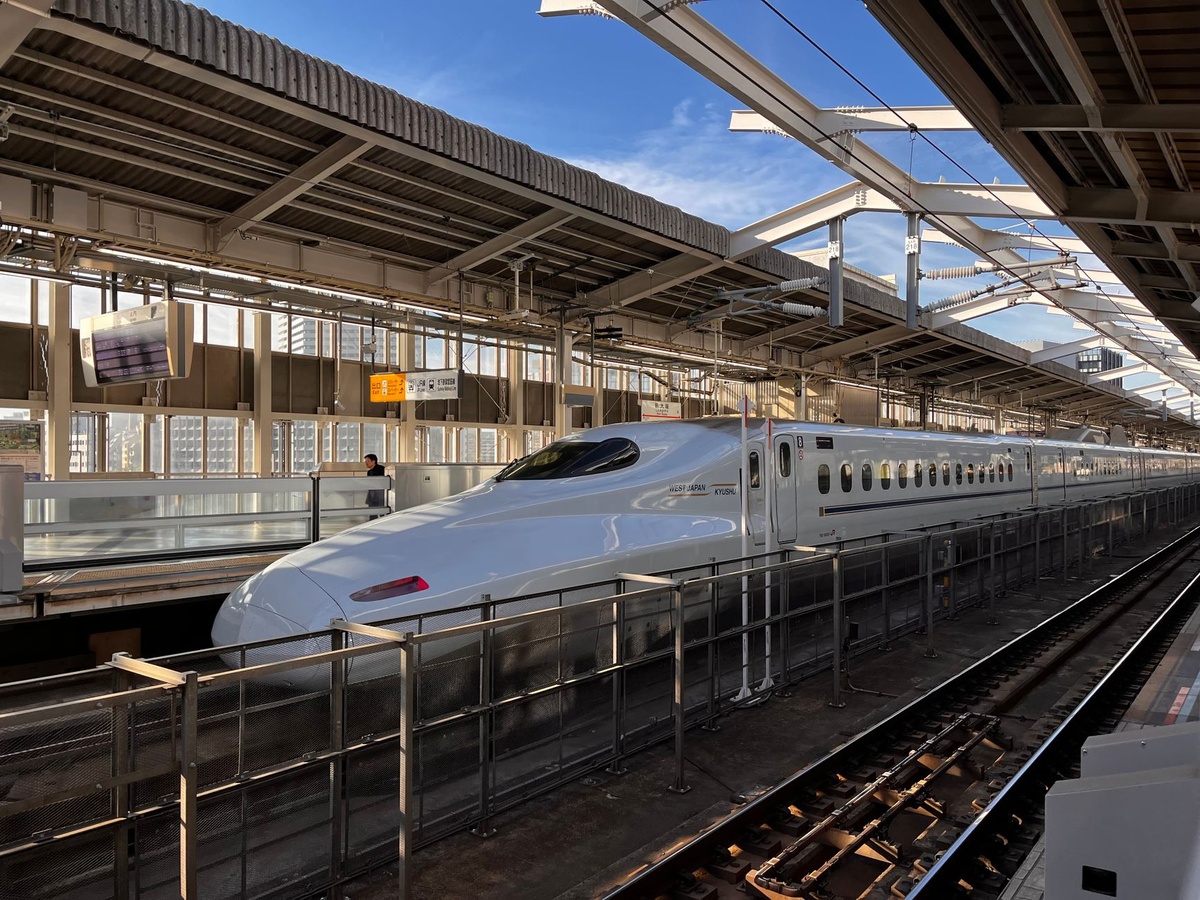
Train time: 2 hours 15 minutes on the Nozomi (fastest service)
In July 2026, a reserved ordinary-class seat costs ¥14,170 (~$98 / €90). Children aged 6–11 pay half price. Kids under 6 ride free if they do not occupy a reserved seat.
Book via SmartEX (official JR Central site/app) or at JR ticket machines. SmartEX allows advance seat selection and oversized baggage reservations — essential during summer holidays and Obon week.
Real Door-to-Door Timing (From Central Tokyo Hotel)
- 15–20 min taxi or JR ride to Tokyo Station ($10–$25 / €9–€23)
- Arrive 20 minutes early (no airport-style security)
- 2h15 train ride
- 10–15 min to exit Kyoto Station and grab taxi/subway
Total: approximately 3 to 3.5 hours.
That’s consistently faster than flying once you factor in airport transfers and waiting time.
Luggage Rules Parents Often Miss
If your suitcase exceeds 160 cm total dimensions (height + width + depth), you must reserve a seat in the last row with oversized baggage space. There’s no extra fee — but you must reserve it.
Tip: Two medium (24–26 inch) suitcases under 160 cm are easier than one oversized 30‑inch case.
Alternative: Takkyubin luggage forwarding (Yamato Transport). Cost is typically ¥2,500–¥3,000 ($17–$21 / €16–€19) per suitcase from Tokyo to Kyoto, delivered next day. Book through your hotel front desk. For families with strollers, this is a game changer.
Why Kids Handle the Train Better
- No security lines
- Freedom to stand up and walk
- Clean bathrooms in every carriage set
- Food allowed on board
Pick up ekiben lunch boxes at Tokyo Station (¥1,200–¥1,800 / $8–$12). Go for grilled salmon, teriyaki chicken, or gyudon sets for better value than character-themed boxes.
Verdict: The least stressful option for 90% of first-time families traveling Tokyo to Kyoto.
Option 2: Domestic Flight — Cheaper on Paper
Main route: Haneda (HND) to Itami (ITM)
Flight time: 1 hour 10 minutes
Airlines: ANA, JAL, Skymark
Book directly via ANA.co.jp, JAL.co.jp, Skymark.jp, or compare using Google Flights.
Typical summer 2026 one‑way fares (booked 3–6 weeks ahead):
- Skymark: $60–$85 (€55–€78)
- ANA/JAL: $90–$120 (€82–€110)
At first glance, that undercuts the train. But the total journey tells a different story.
Door-to-Door Breakdown
- 30–45 min to Haneda from central Tokyo (Keikyu Line ~¥500 / $3.50 or taxi ~$35)
- Arrive 60 minutes early (with kids, don’t risk less)
- 1h10 flight
- 20 min deplaning + baggage claim
- 50–60 min limousine bus from Itami to Kyoto Station (~¥1,340 / $9 / €8)
Total: 4 to 5 hours.
You’ll spend more time in transit friction — lines, waiting, baggage claim — especially in July heat (30–35°C / 86–95°F).
Luggage & Comfort Considerations
Most domestic fares include 20 kg checked baggage. Strollers check free.
However, you’ll still:
- Fold and tag strollers
- Wait at baggage claim
- Unload and reload luggage onto buses
Flights make sense if:
- You land internationally at Haneda and connect same day
- You score sub‑$70 fares
- You’re staying near Osaka/Itami rather than central Kyoto
Otherwise, the time savings disappear.
Option 3: Rental Car — Freedom at a Price
Distance: 450 km (280 miles)
Driving time (no traffic): 5 hours
Realistic July weekend time: 6–7 hours
Rental rates (Toyota Corolla-class automatic) in summer 2026:
- $75–$110 per day (€68–€100) via Toyota Rent a Car or Nippon Rent-A-Car
- Child seat: ¥1,100–¥1,650/day ($7–$11)
Additional costs:
- Expressway tolls: ~¥11,000 ($75 / €68)
- Fuel: $35–$45 (€32–€41)
Total one-way cost: approximately $190–$230 (€170–€210).
For a family of four using child train fares, that’s usually more than buying Shinkansen tickets.
When Driving Makes Sense
- Stopping in Hakone or Fuji Five Lakes
- Exploring rural Gifu or the Nakasendo Trail
- Planning countryside ryokan stays outside Kyoto
Parking in central Kyoto costs ¥1,000–¥2,000 ($7–$14) per day. Many traditional inns charge separately.
Japan’s highways are excellent and clearly signed in English. But for simple Tokyo→Kyoto transport, driving is rarely efficient.
Hidden Cost Factors Families Forget
1. Hotel Check-In Timing
Most Kyoto hotels allow check‑in from 3:00 pm.
Arriving at noon via Shinkansen gives you half a day to explore Nishiki Market (10:00–18:00) or Gion. Arriving by flight at 4:30 pm means dinner and bedtime.
2. Energy in the Heat
Kyoto summers are humid and intense. Less transit stress today means better mornings at Fushimi Inari or Arashiyama Bamboo Grove tomorrow.
3. JR Pass (2026 Reality)
The 7‑day JR Pass now costs over ¥50,000 (~$340 / €310). It rarely pays off for a simple Tokyo–Kyoto round trip.
Buy point‑to‑point tickets instead unless doing extensive long‑distance travel.
Tech & Booking Tips for 2026
- SmartEX app: Reserve seats and oversized luggage space in advance.
- Suica/PASMO: Use for local trains, subways, and airport transfers.
- Google Maps Japan: Extremely accurate for platforms and timing.
- Yamato luggage forwarding: Arrange via hotel for smooth transfers.
July is peak global family travel season. Book Shinkansen reserved seats at least a few days ahead — earlier during Obon (mid‑August).
So… Which Should You Choose?
First-time visitors with kids: Take the Shinkansen. It’s faster door‑to‑door, simpler, and more comfortable.
Budget-focused travelers: A $60 Skymark flight can work — if airport logistics don’t stress you.
Multi-stop explorers: Rent a car only if you’re building a broader countryside itinerary.
If this is your first Japan trip, optimize for ease. Save your patience for temple mornings, ramen hunts, and early bamboo‑forest walks — not baggage claim queues.
For families booking the next leg of your trip, you can browse Kyoto family hotels and compare options that work well with kids.
Frequently Asked Questions
How much does the Shinkansen cost from Tokyo to Kyoto in 2026?
A reserved Nozomi seat costs about ¥14,170 (~$95–$105 / €88–€97). Children 6–11 pay roughly half. Kids under 6 ride free without their own seat.
Is flying from Tokyo to Kyoto cheaper than the bullet train?
Sometimes. Budget fares start around $60 (€55), but once you add airport transfers and extra time, the overall value often favors the train.
How long is the Shinkansen from Tokyo to Kyoto?
The Nozomi takes about 2 hours 15 minutes station-to-station. From a central Tokyo hotel to a Kyoto hotel, expect about 3–3.5 hours total.
Do I need to reserve seats for luggage on the Shinkansen?
Yes, if your suitcase exceeds 160 cm total dimensions. Reserve an oversized baggage seat (free but mandatory), especially during peak summer travel.
Is a rental car worth it between Tokyo and Kyoto?
Only if you plan countryside stops like Hakone or Fuji. For direct city-to-city travel, the Shinkansen is faster and usually cheaper.
Planning Japan with kids? Map your hotel locations first, then choose the option that reduces friction — not just cost. Smooth transfers mean better temple mornings and fewer convenience‑store meltdowns.
Book early, travel light, and take the train if you value your sanity.

About the Author: Tomáš Bzirský
Founder and editor of Distratech. Based in the Czech Republic, travelling regularly from Central Europe. Writes practical travel guides and travel-tech comparisons (eSIM, apps, airports) in six languages.