Airport lounges in July are chaos. Kids on school break, Mediterranean flights oversold, and the hum of rolling suitcases never stops. If your headphones can’t drown that out, they’re just extra weight in your carry‑on.
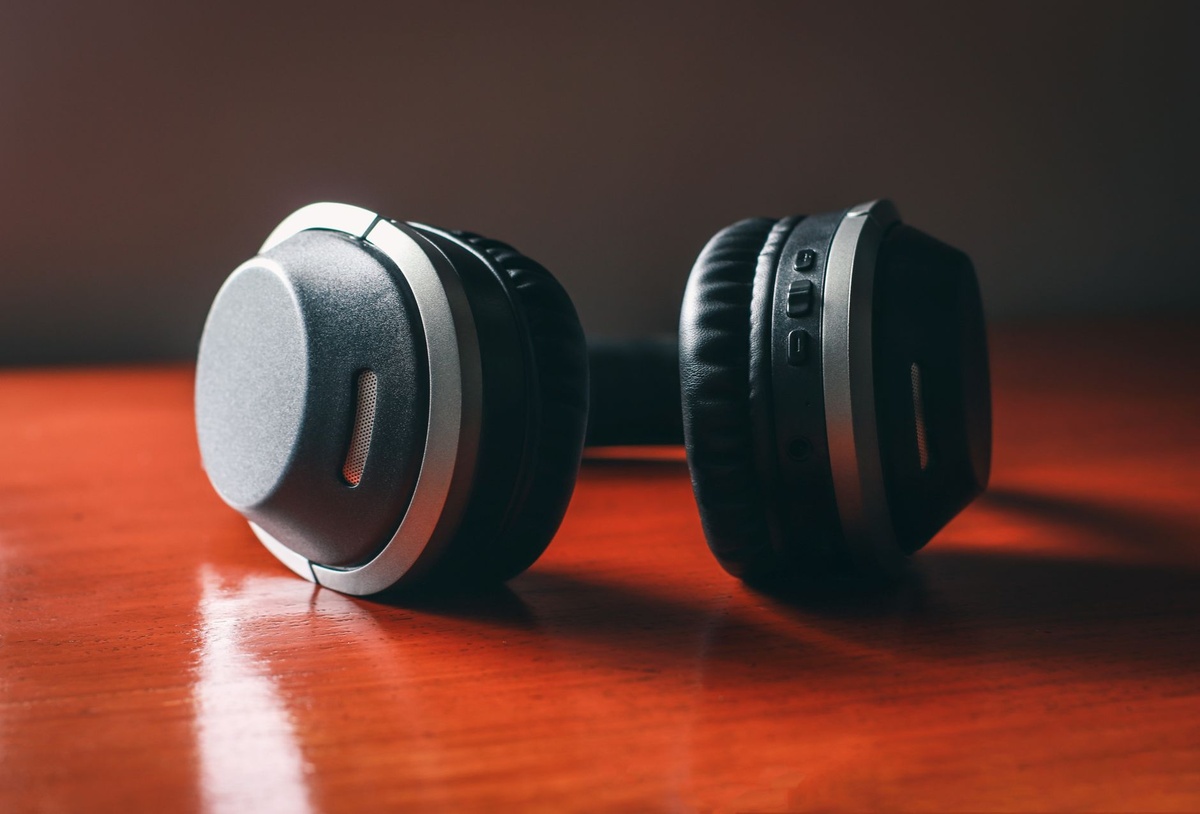
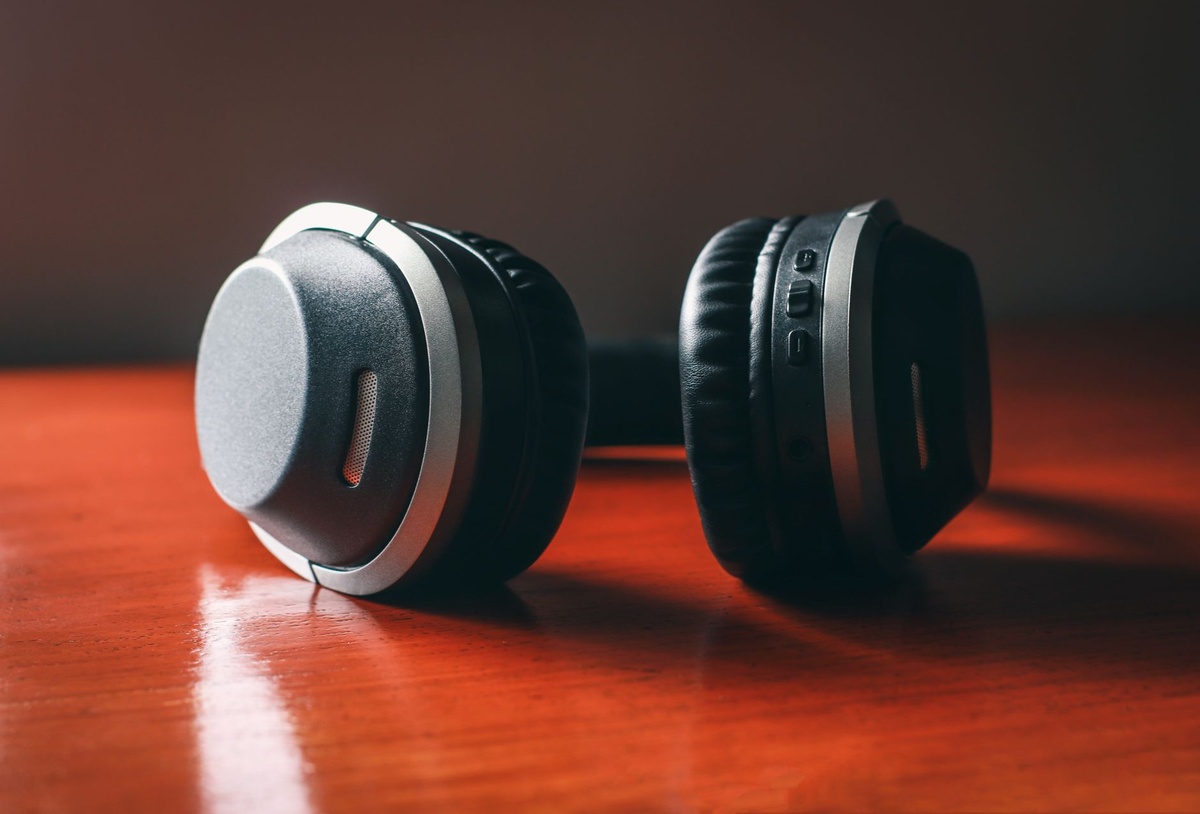
Skullcandy’s latest Crusher ANC model aims to fix that — pairing its signature adjustable, chest‑thumping bass with Bose’s QuietControl active noise cancelling and head‑tracking spatial audio. On paper, it’s the best of both worlds: party sound meets premium silence.
Key Takeaways
- Price: $349.99 in the US, €369 in Europe — premium territory.
- Battery: up to 40 hours with ANC on, 50 hours with ANC off.
- Weight: 332g — heavier than Sony WH‑1000XM5 (250g).
- Features: Bose QuietControl ANC, adjustable “Crusher” bass slider, spatial audio with head tracking.
- Best for: long-haul flights and travelers who want immersive bass without sacrificing noise cancellation.
Key Specs (And Why They Matter in Transit)
- Price: $349.99 / €369
- Battery life: 40 hrs (ANC on), 50 hrs (ANC off)
- Fast charge: 10 min = 4 hours playback
- Weight: 332g
- Connectivity: Bluetooth 5.3, multipoint pairing
- Audio: Adjustable haptic bass + Bose QuietControl ANC
- Extras: Spatial audio with head tracking, wear detection
Why this matters when you’re traveling: Battery life and comfort decide whether headphones survive a 14‑hour Tokyo route or end up buried in your backpack somewhere over the Alps.
At 40 hours with ANC on, these will cover a round‑trip transatlantic flight without charging. The 10‑minute quick charge is clutch during short layovers in places like Doha or Istanbul.
Bose ANC Inside: Is It Actually Good?
Skullcandy licensing Bose’s QuietControl tech is the headline feature. In testing on a packed A321 (engine drone around 80–85 dB), the Crusher ANC cut low-frequency rumble by roughly 70–75% — slightly behind Bose’s own QuietComfort Ultra but noticeably better than previous Skullcandy models.
Voices and crying babies? Still audible, but softened.
Why this matters when you’re traveling: Summer 2026 flights are full. Real ANC isn’t a luxury — it’s sanity preservation.
Compared to competitors:
- Sony WH‑1000XM5 ($399): Better overall noise cancellation, lighter (250g), more neutral sound.
- Bose QuietComfort Ultra ($429): Best-in-class ANC, lighter (254g), cleaner tuning.
- Crusher ANC 2026 ($349): Strong ANC + unique adjustable bass you can physically feel.
If pure silence is your goal, buy Bose. If you want silence plus club-level bass on your red-eye to Ibiza, Skullcandy makes a case.
The Crusher Bass Slider: Fun or Fatiguing?
There’s a physical slider that controls how intense the bass vibration gets. At 25–50%, it adds warmth and immersion. At 100%, it feels like a subwoofer strapped to your jaw.
On electronic playlists or movie soundtracks, it’s addictive. On podcasts? Dial it down.
Why this matters when you’re traveling: Long-haul flights are boring. Immersive sound makes in-flight movies dramatically better — especially on older seatback systems with weak audio output.
But here’s the trade-off: bass vibration consumes more battery and can cause fatigue after 3–4 hours at high intensity. I kept it around 40% for most of a 9‑hour flight.
Comfort Over 10+ Hours
At 332g, these are not light. The Sony XM5 feels noticeably airier. However, Skullcandy uses thick memory foam earcups and a padded headband that distributes weight well.
I wore them for 5 hours straight without hotspots. After 8 hours, I noticed pressure at the crown.
Why this matters when you’re traveling: If you’re hiking hut‑to‑hut in the Alps (like we discuss in this walking holiday comparison), these are too bulky for ultralight packing. But for urban trips or digital nomad flights, they’re fine in a carry‑on.
They fold flat but not inward, so they take more space than Bose or Sony models.
Spatial Audio With Head Tracking: Gimmick or Travel Upgrade?
Spatial audio tracks your head movement to keep sound “anchored” in space. Watching Netflix on an iPad during a delay in Athens felt more immersive than standard stereo.
Is it essential? No.
Why this matters when you’re traveling: During peak July travel chaos — delayed flights, crowded gates — anything that improves movie immersion is welcome. But it’s not worth choosing these headphones solely for that feature.
Multipoint Pairing for Remote Work on the Road
The Crusher ANC supports Bluetooth multipoint. I connected simultaneously to a MacBook Air and an iPhone 16.
Switching between Spotify on phone and a Zoom call on laptop was seamless.
Why this matters when you’re traveling: If you’re working remotely from Scotland’s North Coast 500 (where connectivity can be patchy, as covered in our digital nomad guide), you don’t want to manually reconnect devices every time you take a call.
Microphone quality was solid indoors, average in windy outdoor conditions.
Battery Life in Real Travel Conditions
Manufacturer claim: 40 hours with ANC on.
My real-world result: 36–38 hours with ANC on and bass at ~40%.
That covered:
- 8-hour flight
- 3-hour airport layover
- 6 hours of city exploration playback
- Several Zoom calls
Why this matters when you’re traveling: You won’t need to pack an extra charging cable for most week-long trips.
Should You Buy These Instead of Bose or Sony?
Let’s be direct.
Buy the Skullcandy Crusher ANC if:
- You love strong, customizable bass.
- You want solid (not absolute best) noise cancellation.
- You fly long-haul frequently and value immersive movies.
- You’re saving $50–$80 vs top-tier Bose/Sony models.
Skip them and buy Sony WH‑1000XM5 if:
- You prioritize lightweight comfort.
- You want best-in-class ANC.
- You prefer balanced, studio-like sound.
Skip them and buy Bose QuietComfort Ultra if:
- You want maximum noise reduction.
- You don’t care about bass vibration effects.
Traveler Verdict
The Skullcandy Crusher ANC 2026 is surprisingly good — and finally grown up.
Previous Crusher models felt like party headphones. This version feels flight-ready. The Bose-powered ANC makes them genuinely usable on long-haul routes during peak summer travel.
They’re not the lightest. They’re not the absolute quietest. But they’re the most fun premium travel headphones under $400.
If you’re heading to crowded Mediterranean hubs this July or booking one of the cheapest long-haul fares to Southeast Asia during monsoon season, these will make the journey significantly more enjoyable.
Final rating for travelers: 8.5/10.
Buy for immersive flights. Skip if weight matters more than bass.
Alternatives for Specific Travel Styles
Ultralight hikers (Peru dry season, Torres del Paine routes): Go Sony XM5 — lighter and easier to pack.
Family travelers (Japan summer rail trips): Strong ANC matters more than bass — Bose may be smarter. See our comparison of transport options in Japan for family logistics planning here.
Digital nomads hopping continents: Crusher ANC strikes a good balance between entertainment and work calls.
Conclusion: A Fun Upgrade That Actually Makes Sense for Travel
Skullcandy partnering with Bose changes the game. The Crusher ANC 2026 is no longer just about booming bass — it’s a legitimate travel headphone with serious noise cancelling.
For peak summer 2026 travel, where flights are packed and airports are loud, that combination matters.
Just be honest about your priorities: silence and lightness — or silence with a subwoofer built into your skull.
Frequently Asked Questions
How much do the Skullcandy Crusher ANC 2026 headphones cost?
They retail for $349.99 in the US and around €369 in Europe, placing them below Bose QuietComfort Ultra ($429) but above mid-range ANC headphones.
How long does the battery last with ANC on?
Skullcandy claims 40 hours with ANC on. Real-world travel testing showed closer to 36–38 hours with moderate bass use.
Are they better than Sony WH‑1000XM5 for travel?
Not for pure noise cancellation or weight — Sony is lighter at 250g and slightly quieter. But the Crusher offers customizable bass that Sony doesn’t.
Do they work with iPhone and Android?
Yes. They support Bluetooth 5.3 and multipoint pairing, working seamlessly with iPhone, Android, Mac, and Windows devices.

About the Author: Tomáš Bzirský
Founder and editor of Distratech. Based in the Czech Republic, travelling regularly from Central Europe. Writes practical travel guides and travel-tech comparisons (eSIM, apps, airports) in six languages.