'/%3E%3Cpath%20fill='%23b2b2b2'%20d='M241%20382q0%2016%2017%2026%2017%2011%2042%2011t42-11q16-11%2017-26V269H241'/%3E%3Cpath%20fill='%239f7e00'%20d='M241%20379q0%2014%208%2023%209%209%2021%209%2014%200%2021-9%209-9%209-23V269h-59'/%3E%3Cpath%20d='M241%20339v-70h59v110q0%2014-9%2023l-6%205v-68h-15v72q-8%200-14-4v-68zm59%2040c0%2022%2015%2032%2029%2032%2021%200%2030-18%2030-32v-40h-59'/%3E%3Cpath%20fill='%239f7e00'%20d='M266%20277v5h2v12h-3v-5h2v-5h-9v5h2v5h-4v9h3v18h-5v10h34v-10h-5v-18h3v-9h-4v-5h2v-5h-9v5h2v5h-3v-12h2v-5zm42%20101q0%2010%206%2017%206%206%2015%207%2010-1%2016-7%206-7%206-17v-29h-43'/%3E%3Ccircle%20fill='%230044ad'%20cx='329.5'%20cy='372'%20r='6'/%3E%3Cellipse%20fill='%230044ad'%20cx='300'%20cy='340'%20rx='16'%20ry='21'/%3E%3C/svg%3E)
'/%3E%3C/svg%3E)


'/%3E%3C/g%3E%3Cuse%20href='%23c'%20transform='matrix(-1%200%200%201%20720%200)'/%3E%3C/svg%3E)


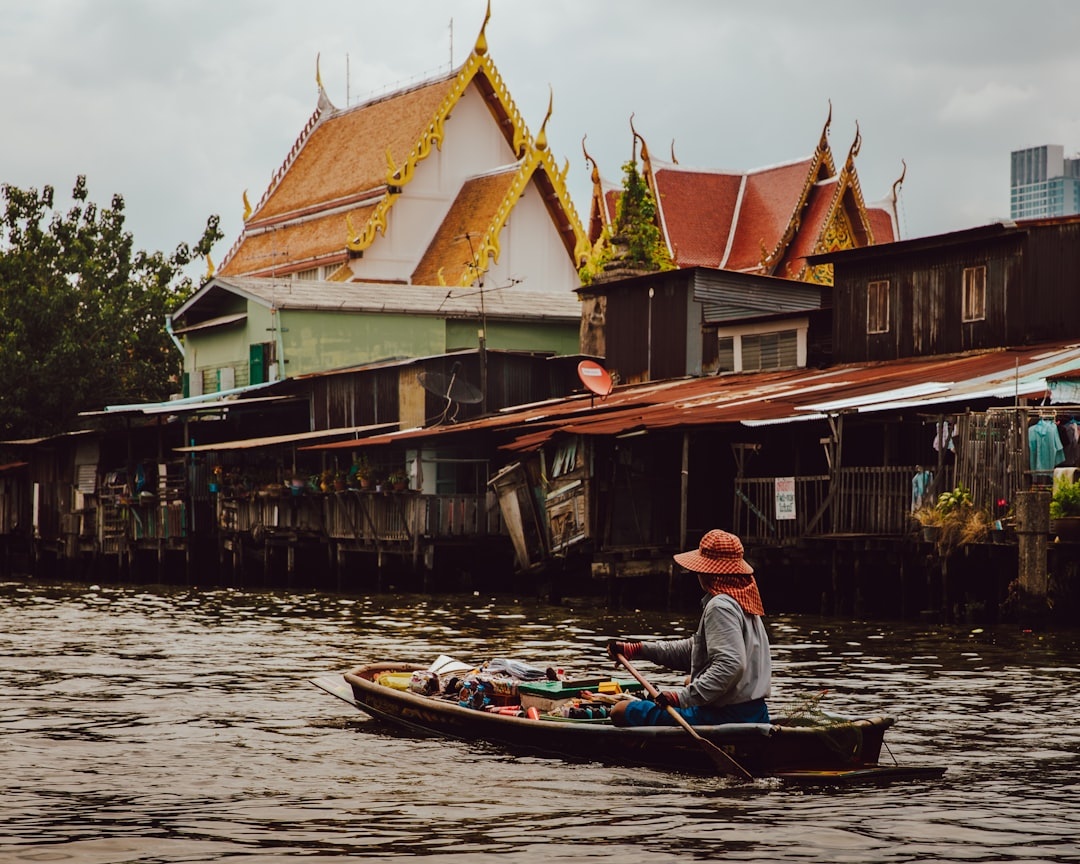
July to September is peak summer in Europe — and peak monsoon in most of Thailand. That’s exactly why you should go now.
While the Mediterranean is shoulder-to-shoulder and hotel rates in Italy are 30–50% higher than May, Thailand’s rainy season quietly delivers $90 beachfront rooms, half-empty temples, and Bangkok street food without the winter tourist crush. It doesn’t rain all day. It rains hard for 60–90 minutes, usually late afternoon. Then everything cools down.
Key Takeaways
- Beachfront hotels in Koh Samui drop to $80–$120/night (vs $180–$300 in high season).
- Bangkok–Koh Samui flights cost $55–$95 one-way in July–September.
- Expect 1–2 hours of heavy rain daily, not all-day storms.
- Street food is cheaper and less crowded — most dishes $1.50–$4.
- 10-day budget (mid-range): $1,100–$1,600 per person incl. flights.
Why Monsoon Season Is a Smart Play in 2026
Thailand has two coasts. The Andaman side (Phuket, Krabi) is rougher July–September. The Gulf side (Koh Samui, Koh Phangan) gets milder showers and more sunshine — that’s your move.
Hotel pricing data from Booking.com shows average 4-star beachfront rates in Koh Samui in August 2026 at $110/night. The same properties in January run $240–$320. That’s 50–60% cheaper.
Flights from Los Angeles or New York to Bangkok in July 2026 are hovering around $650–$900 roundtrip — some of the cheapest long-haul fares of the year. Compare that to December averages of $1,100–$1,400.
Yes, it rains. But it also drops temperatures from 95°F (35°C) dry heat to a manageable 84–88°F (29–31°C) after storms.
The 10-Day Rainy Season Itinerary
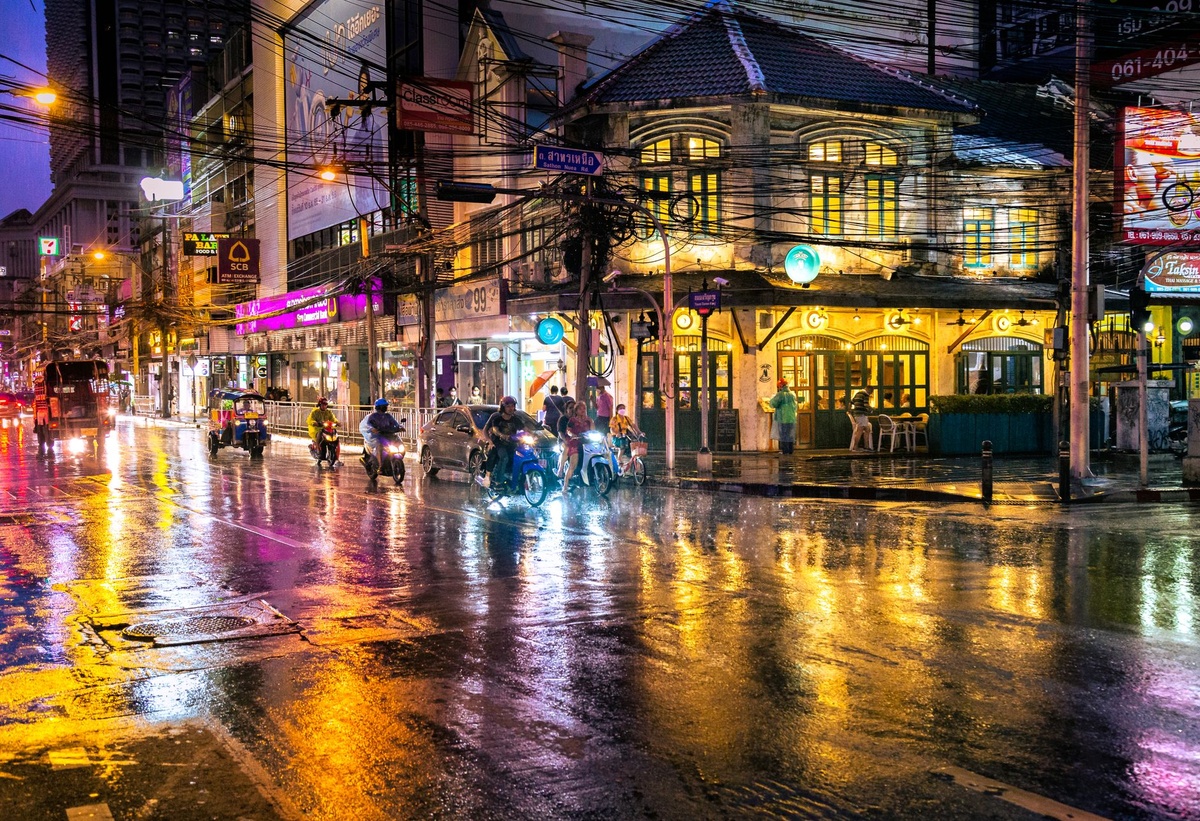
Days 1–3: Bangkok (Street Food > Rooftop Bars)
Stay near the BTS Skytrain. Sukhumvit or Silom saves hours in traffic.
Hotel picks (July rates):
- Solaria Nishitetsu Bangkok – $105/night, direct BTS access.
- Eastin Grand Sathorn – $120/night, infinity pool + Skytrain connection.
- The Standard Bangkok – $160/night, design-forward but discounted in low season.
Airport transfer comparison (Suvarnabhumi → Sukhumvit, 30 km):
| Option | Time | Cost |
|---|---|---|
| Airport Rail + BTS | 45–60 min | $2.50 |
| Grab Taxi | 35–60 min (traffic) | $12–$18 |
Skip overpriced river dinner cruises ($45–$60). Do a Chinatown food crawl instead.
Where to eat:
- Nai Ek Roll Noodles (Yaowarat Rd, 8am–midnight) – peppery pork noodle soup, $2.50.
- Jek Pui Curry (4pm–10pm) – sit-on-stool curries, $3/plate.
- Thipsamai Pad Thai – $5, touristy but still excellent.
Rain tip: plan temples (Wat Pho, $6 entry, 8:00am–6:30pm) in the morning. Schedule malls, cafes, or massages during afternoon downpours. A 1-hour Thai massage costs $8–$12.
If you shoot lots of video in sudden downpours and humid heat, bring extra storage — or offload nightly. I use a portable phone drive (this compact iPhone travel storage fix) so I don’t rely on slow hotel Wi-Fi.
Days 4–5: Ayutthaya (Ancient Ruins Without the Heat Stroke)
Ayutthaya is 80 km north of Bangkok.
Train vs Private Tour:
| Option | Time | Cost |
|---|---|---|
| 3rd Class Train | 1.5–2 hrs | $1–$2 |
| Private Car | 1 hr | $60–$90 |
Take the train. It’s basic but atmospheric.
Entrance fees to main temples (Wat Mahathat, Wat Chaiwatthanaram) are $1.50–$2 each. Rent a bicycle for $2/day.
In rainy season, ruins are greener, moats are full, and you won’t battle tour bus crowds like in January. Storms here often pass in under an hour.
Stay overnight at Baan Luang Harn (~$35/night with pool). Day-trippers leave by 4pm. Sunset light after rain is spectacular.
Days 6–10: Koh Samui (The Smart Monsoon Island Choice)
Fly Bangkok Airways to Koh Samui (1 hr 10 min). Book via bangkokair.com.
Typical July fare: $70 one-way with 20kg baggage included.
Why Samui? Compared to Phuket in August — where red-flag swimming days can exceed 15 per month — Samui’s Gulf location means calmer seas and more swimmable beaches.
Where to stay (Chaweng or Bophut):
- SALA Samui Chaweng – private pool villas from $180 (vs $350 high season).
- OZO Chaweng – modern beachfront, $95/night.
- Anantara Bophut – $140/night, quieter vibe.
Skip Lamai if it’s your first trip. Chaweng gives you better food density and transport options.
What to Do in Samui (Rain-Smart Planning)
Morning: Beach time 8am–1pm (best sun window).
Afternoon showers: Spa, cafe, cooking class.
- Ang Thong Marine Park tour – $55–$70, 8am–4pm. Seas are usually calmer than Andaman side this time of year.
- Fisherman’s Village Night Market (Fri 5pm–11pm) – street food $2–$6.
- Silver Beach – smaller, scenic, good swimming after morning rain clears.
Renting a scooter costs $6–$8/day. Car rental runs $25–$35/day. If roads are wet and you’re inexperienced, skip the scooter.
Want a splurge? Beachfront seafood at Supattra Thai Dining — expect $25–$40 per person with drinks. Still half the cost of a comparable Mediterranean beach dinner in July.
Realistic 10-Day Budget (Per Person, Mid-Range)
| Category | Estimated Cost |
|---|---|
| International Flight | $750 |
| Domestic Flights | $140 |
| Hotels (9 nights avg $110) | $990 (shared = $495 pp) |
| Food | $25/day = $250 |
| Tours & Entry Fees | $150 |
| Transport & Misc | $120 |
| Total | $1,405 approx. |
Cut that to ~$1,100 by choosing $70/night hotels and fewer tours. Go upscale and you’ll still likely stay under $2,000 — which in July barely covers a week on the Amalfi Coast.
Rainy Season Survival Tips (That Actually Matter)
- Download Grab (Thailand’s Uber). Airport scams still exist.
- Buy a DTAC or AIS tourist SIM at the airport — 15 days unlimited data ~$15.
- Carry a lightweight poncho instead of an umbrella during temple visits.
- Plan outdoor activities before 2pm. Storms cluster late afternoon.
- Use hotel booking sites with free cancellation (Agoda is strong in Thailand).
One more thing: humidity is real. Pack quick-dry clothes. Cotton stays damp for hours.
When NOT to Do This Itinerary
If your goal is diving in the Similan Islands or perfect turquoise Andaman waters, wait for November–March.
If you want guaranteed sunshine every day, Thailand’s cool season (Dec–Feb) is safer — but expect hotel prices 2x higher and packed beaches.
July–September is for travelers who prefer value, space, and dramatic skies over postcard predictability.
Final Verdict: Thailand’s “Low Season” Is a Smart Summer Escape
Europe in July 2026 is crowded and expensive. Thailand’s monsoon months flip the script: cheaper beachfront hotels, short-lived rain showers, lush scenery, and better access to locals.
Base yourself in Bangkok and Koh Samui, move in the mornings, eat aggressively in Chinatown, and treat afternoon storms as built-in downtime.
If you’re flexible, this is one of the best-value long-haul trips you can book right now.
If you want to lock in good rainy-season deals, browse Thailand hotel options and compare locations before you book.
Frequently Asked Questions
Does it rain all day in Thailand during July and August?
No. Expect heavy showers lasting 1–2 hours, usually late afternoon or evening. Mornings are often sunny, especially in Koh Samui on the Gulf coast.
Is Koh Samui better than Phuket in rainy season?
Yes for July–September. Samui typically has calmer seas and fewer red-flag swim days compared to Phuket, which faces stronger Andaman monsoon swells.
How much should I budget for 10 days in Thailand?
Mid-range travelers can expect $1,100–$1,600 including flights from the US or Europe. Daily on-the-ground costs average $60–$120 depending on hotel choice.
Are island tours cancelled often during monsoon season?
Occasionally, especially in rough seas. Ang Thong tours from Koh Samui run most days in July–September, but operators will reschedule or refund if conditions are unsafe.

About the Author: Tomáš Bzirský
Founder and editor of Distratech. Based in the Czech Republic, travelling regularly from Central Europe. Writes practical travel guides and travel-tech comparisons (eSIM, apps, airports) in six languages.