'/%3E%3Cpath%20fill='%23b2b2b2'%20d='M241%20382q0%2016%2017%2026%2017%2011%2042%2011t42-11q16-11%2017-26V269H241'/%3E%3Cpath%20fill='%239f7e00'%20d='M241%20379q0%2014%208%2023%209%209%2021%209%2014%200%2021-9%209-9%209-23V269h-59'/%3E%3Cpath%20d='M241%20339v-70h59v110q0%2014-9%2023l-6%205v-68h-15v72q-8%200-14-4v-68zm59%2040c0%2022%2015%2032%2029%2032%2021%200%2030-18%2030-32v-40h-59'/%3E%3Cpath%20fill='%239f7e00'%20d='M266%20277v5h2v12h-3v-5h2v-5h-9v5h2v5h-4v9h3v18h-5v10h34v-10h-5v-18h3v-9h-4v-5h2v-5h-9v5h2v5h-3v-12h2v-5zm42%20101q0%2010%206%2017%206%206%2015%207%2010-1%2016-7%206-7%206-17v-29h-43'/%3E%3Ccircle%20fill='%230044ad'%20cx='329.5'%20cy='372'%20r='6'/%3E%3Cellipse%20fill='%230044ad'%20cx='300'%20cy='340'%20rx='16'%20ry='21'/%3E%3C/svg%3E)
'/%3E%3C/svg%3E)


'/%3E%3C/g%3E%3Cuse%20href='%23c'%20transform='matrix(-1%200%200%201%20720%200)'/%3E%3C/svg%3E)


Dead zones ruin road trips. One minute you’re navigating to a remote beach; the next, your map freezes and your playlist cuts out.
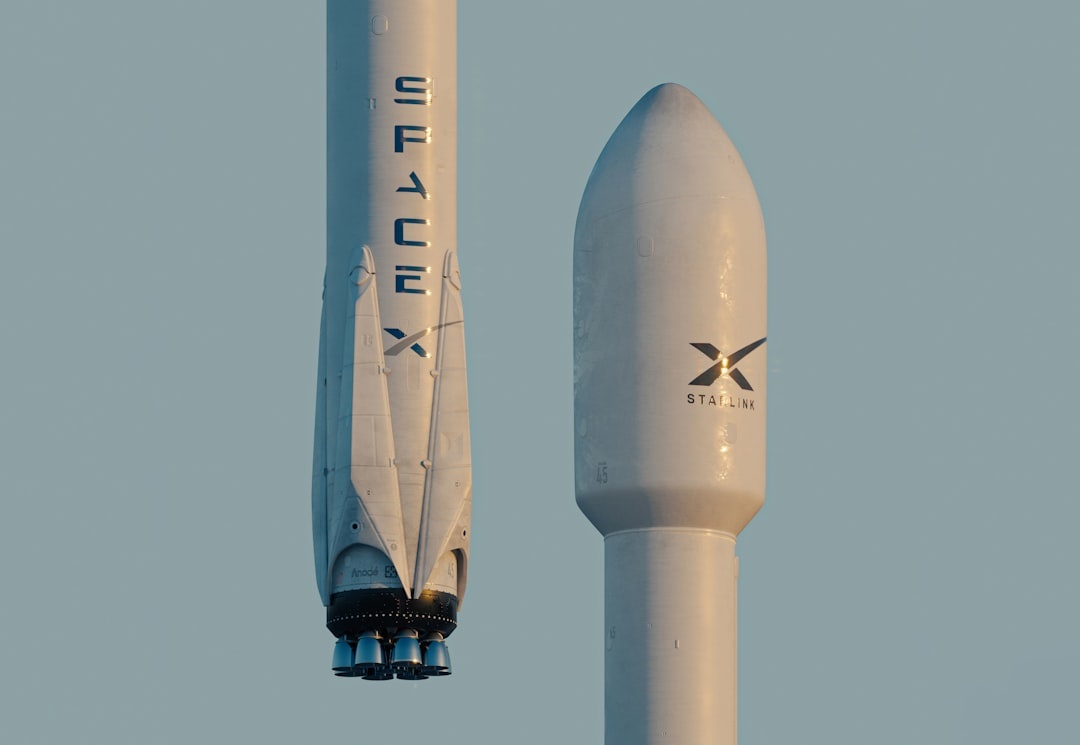
SpaceX now plans to launch a Starlink mobile phone service in the United States, aiming to connect regular smartphones directly to satellites. If it works at scale, it could eliminate coverage gaps across national parks, deserts, mountain highways, and offshore waters.
Key Takeaways
- Starlink Mobile aims to connect standard smartphones directly to satellites across the US.
- Early service is expected to focus on text and emergency messaging, expanding to voice and data later.
- Speeds will likely start below 10 Mbps per user, prioritizing coverage over raw performance.
- Best use case: rural road trips, national parks, offshore boating, and backup connectivity.
- Urban travelers with strong 5G likely won’t benefit much at launch.
What Exactly Is Starlink Mobile?
Starlink already delivers satellite internet through a dish and router. The new mobile service aims to skip the dish entirely and connect directly to your phone.
This is known as “direct-to-cell” satellite service. Instead of building more cell towers, SpaceX uses low-Earth orbit satellites to beam signals straight to compatible smartphones.
Why this matters when you’re traveling: The US has massive coverage gaps. Drive across Nevada, Wyoming, or parts of coastal Maine and you’ll lose signal for miles. Satellite-to-phone connectivity could mean no more “No Service” screens when you need directions, weather alerts, or emergency contact.
Will Your Phone Work?
Most modern smartphones released in the past 3–4 years support satellite band hardware needed for direct-to-cell — but not all features will be active at launch.
Based on current satellite messaging standards, expect compatibility with:
- iPhone 14, 15, and 16 series (already support satellite emergency messaging)
- Samsung Galaxy S23, S24, S25 series
- Google Pixel 8 and Pixel 9 series
- Select mid-range devices with updated modem chips
Budget phones may struggle. For example, while affordable models like the Galaxy A-series are great value (we recently covered the Galaxy A27 travel-friendly features here), lower-tier modems sometimes lack advanced satellite band support.
Traveler tip: If you’re upgrading before a big summer road trip, check the modem specs — not just the camera.
Expected Speeds and Performance
Let’s be realistic. This won’t replace 5G.
Early direct-to-cell satellite services globally have delivered:
- Text messaging: near-instant (5–15 seconds delay)
- Voice calls: limited capacity, potential 200–400 ms latency
- Data speeds: 1–10 Mbps under ideal conditions
- Latency: 40–100 ms for optimized satellite connections
That’s enough for:
- Google Maps navigation
- WhatsApp messages
- Weather radar checks
It’s not enough for:
- 4K streaming on the beach
- Large file uploads
- Cloud gaming
Why this matters when you’re traveling: In remote areas like Yosemite, Big Bend, or Glacier National Park during peak summer hiking season, you don’t need Netflix. You need signal for navigation and safety.
How Much Will It Cost?
Pricing hasn’t been fully confirmed, but expect one of three models:
- Included in premium unlimited plans (similar to current satellite messaging add-ons).
- $10–$20 per month satellite add-on.
- Pay-per-use emergency messaging included free, data charged separately.
For comparison:
- Traditional US unlimited 5G plans: $65–$90/month.
- Garmin inReach satellite plan: $14.95–$64.95/month.
- Starlink Roam dish plan: $150/month + $599 hardware.
If Starlink Mobile lands under $20/month as an add-on, it becomes dramatically cheaper than carrying a dedicated satellite communicator.

Traveler verdict: If you road trip 2–3 times a year into remote areas, a $15/month add-on beats buying a $400 satellite device you use twice.
Battery Impact: The Hidden Trade-Off
Satellite connections use more power than standard LTE.
Expect:
- 10–20% faster battery drain when actively connected to satellite
- Idle standby impact minimal unless constantly searching for signal
On a typical iPhone 15 (3,349 mAh battery), that could mean:
- Normal day: 18–20 hours mixed use
- Heavy satellite usage: 14–16 hours
Why this matters when you’re traveling: Summer travel means long beach days, hikes, and road trips without power outlets. Bring a 10,000 mAh power bank (about 180–220 grams) if you expect extended satellite use.
Best Use Cases for Summer 2026
1. US National Park Road Trips
Signal disappears in Yellowstone, Zion, and Rocky Mountain National Park. Satellite coverage keeps maps and emergency messaging active.
2. Alaska & Midnight Sun Travel
Long-distance driving during 20-hour daylight means more navigation time in remote zones. Satellite backup adds peace of mind.
3. Offshore Boating & Coastal Trips
Standard cellular drops just a few miles offshore. Satellite-to-phone could extend safety coverage without marine hardware.
4. Desert Drives
Planning something like our Namibia self-drive adventure? The US Southwest offers similar isolation. Satellite messaging prevents dangerous navigation gaps.
How It Compares to Alternatives
Starlink Mobile vs Traditional 5G
5G wins in cities. It’s faster (100–1,000 Mbps), lower latency (under 20 ms), and already bundled in plans.
Satellite wins in zero-coverage zones.
Starlink Mobile vs Apple Emergency SOS
Apple’s satellite service is currently limited to emergency use and basic messaging in supported countries.
Starlink aims for broader, everyday connectivity.
Traveler takeaway: If you mostly visit cities like Barcelona or Budapest (and plan spa days after reading our thermal baths comparison), this won’t change your life. If you drive 300 miles between towns, it might.
Potential Limitations to Watch
- Network congestion: Satellite capacity is limited compared to ground towers.
- Weather interference: Heavy storms can reduce performance.
- Indoor limitations: Likely requires clear sky visibility.
- Initial rollout limits: Coverage may expand region by region.
Why this matters when you’re traveling: Don’t cancel your regular carrier. Satellite is a safety net — not a primary network replacement (at least in 2026).
Should Digital Nomads Care?
Yes — but selectively.
If you’re working remotely from cities with strong fiber and 5G, this is irrelevant.
If you’re doing van life across Utah, Montana, or northern Michigan this summer, satellite-to-phone could eliminate the need for a bulky Starlink dish (which weighs about 4.2 kg with router).
For minimalists, removing that hardware is huge.
What to Expect Next
The likely rollout pattern:
- Phase 1: SMS and emergency messaging.
- Phase 2: Basic voice support.
- Phase 3: Limited mobile data expansion.
Widespread high-speed satellite data on phones? Probably years away.
Why this matters when you’re traveling: Summer 2026 trips may only benefit from messaging. Plan accordingly. Download offline maps anyway.
Final Thoughts: Is Starlink Mobile a Game Changer?
For urban travelers? No.
For road trippers, hikers, boaters, RV travelers, and anyone exploring America’s vast empty spaces? Potentially yes.
The biggest shift isn’t speed. It’s reliability. The idea that your phone simply works — even where there are no towers — changes how confidently you can explore.
Traveler verdict: If pricing stays under $20/month and compatibility is broad, enable it before any multi-state road trip. Skip it if you’re staying in major metro areas.
Dead zones are part of adventure. Being stranded without signal doesn’t have to be.
Frequently Asked Questions
When will Starlink mobile service launch in the US?
Initial rollout is expected in 2026, starting with text and emergency messaging. Broader voice and limited data support may expand later in the year or into 2027.
Will Starlink mobile replace my current cell plan?
No. It’s designed as a coverage extension for rural and remote areas. In cities, traditional 4G and 5G networks will remain faster and more reliable.
Do I need a special phone for Starlink mobile?
Most flagship smartphones from the past 3–4 years should be compatible, but older budget devices may not support required satellite bands. Always check your phone’s modem specs.
How fast will Starlink mobile data be?
Early speeds are expected between 1–10 Mbps with latency around 40–100 ms. That’s enough for maps, messaging, and email — not high-definition streaming.

About the Author: Tomáš Bzirský
Founder and editor of Distratech. Based in the Czech Republic, travelling regularly from Central Europe. Writes practical travel guides and travel-tech comparisons (eSIM, apps, airports) in six languages.