'/%3E%3Cpath%20fill='%23b2b2b2'%20d='M241%20382q0%2016%2017%2026%2017%2011%2042%2011t42-11q16-11%2017-26V269H241'/%3E%3Cpath%20fill='%239f7e00'%20d='M241%20379q0%2014%208%2023%209%209%2021%209%2014%200%2021-9%209-9%209-23V269h-59'/%3E%3Cpath%20d='M241%20339v-70h59v110q0%2014-9%2023l-6%205v-68h-15v72q-8%200-14-4v-68zm59%2040c0%2022%2015%2032%2029%2032%2021%200%2030-18%2030-32v-40h-59'/%3E%3Cpath%20fill='%239f7e00'%20d='M266%20277v5h2v12h-3v-5h2v-5h-9v5h2v5h-4v9h3v18h-5v10h34v-10h-5v-18h3v-9h-4v-5h2v-5h-9v5h2v5h-3v-12h2v-5zm42%20101q0%2010%206%2017%206%206%2015%207%2010-1%2016-7%206-7%206-17v-29h-43'/%3E%3Ccircle%20fill='%230044ad'%20cx='329.5'%20cy='372'%20r='6'/%3E%3Cellipse%20fill='%230044ad'%20cx='300'%20cy='340'%20rx='16'%20ry='21'/%3E%3C/svg%3E)
'/%3E%3C/svg%3E)


'/%3E%3C/g%3E%3Cuse%20href='%23c'%20transform='matrix(-1%200%200%201%20720%200)'/%3E%3C/svg%3E)


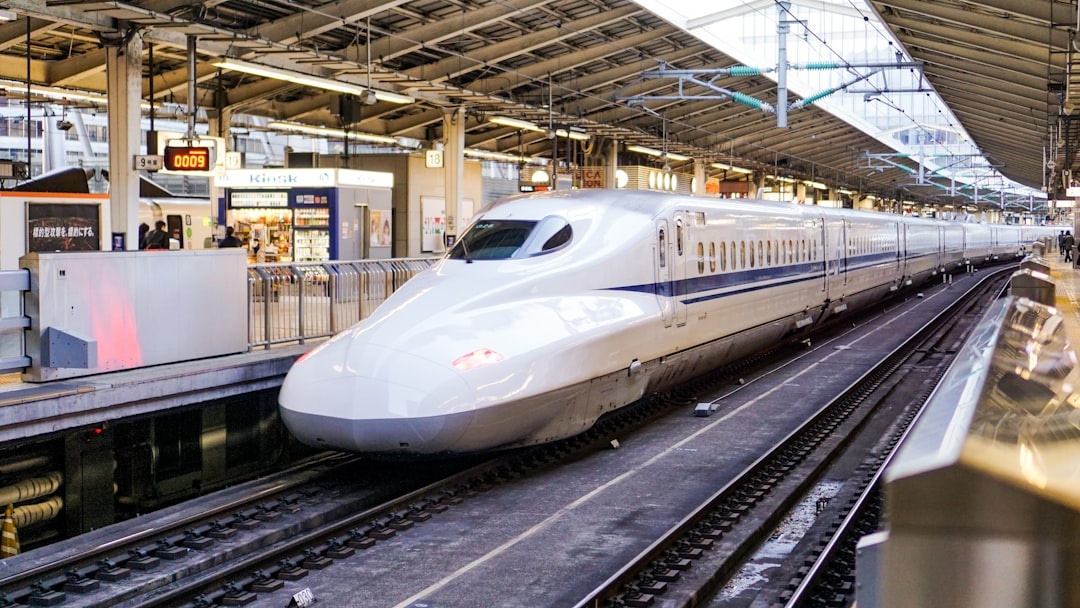
September in Japan is the sweet spot if you plan it intelligently: alpine trails are still open, the worst summer crowds have thinned, hotels outside Tokyo soften slightly, and the Hokuriku Shinkansen lets you stitch together temple forests, volcanic ridgelines, seafood towns, and samurai-era Kanazawa without renting a car.
Key Takeaways
- The best-value rail option for this route is usually the Hokuriku Arch Pass at ¥30,000 / about €188 / $207, not the nationwide JR Pass.
- Tokyo–Nagano–Toyama–Kanazawa–Tokyo is about 807 km by rail and fits comfortably into 7 days.
- September is excellent for Togakushi and Tateyama hiking, but typhoon buffers are essential after mid-month.
- Use Eki-net or e5489 for Shinkansen bookings, and forward large luggage by Yamato for about ¥2,500–¥3,200 per bag.
- Skip Shirakawa-go if heavy rain is forecast; do Toyama Glass Art Museum or Kanazawa’s 21st Century Museum instead.
Key Numbers at a Glance
| Item | Real number | Cost, Sep 2026 | Why it matters |
|---|---|---|---|
| Total rail route | Approx. 807 km: Tokyo → Nagano → Toyama → Kanazawa → Tokyo | Point-to-point approx. ¥33,920 / €212 / $234 | Useful baseline for JR Pass math |
| Hokuriku Arch Pass | 7 consecutive days | ¥30,000 / €188 / $207 | Best pass for this exact loop |
| Nationwide JR Pass | 7 consecutive days, Ordinary Car | ¥50,000 / €313 / $345 | Usually poor value for this route |
| Tokyo → Nagano | 222 km, 1 hr 20 min–1 hr 45 min | Approx. ¥8,340 / €52 / $58 | Fastest gateway to Togakushi |
| Tateyama day hike access | Toyama → Murodo round trip, 2 hr 20 min each way | Approx. ¥9,840 / €62 / $68 | Not fully covered by JR passes |
| Large station locker | Tokyo/Nagano/Toyama/Kanazawa stations | ¥800–¥1,000 / €5–€6 / $6–$7 per day | Cheaper than dragging luggage onto mountain buses |
Exchange-rate note: I’ve used rounded September 2026 planning rates of €1 ≈ ¥160 and $1 ≈ ¥145. Japan rail prices are charged in yen, so check the final card amount before purchase.
The Route: Why Tokyo–Nagano–Toyama–Kanazawa Works So Well in September
This route follows the Hokuriku Shinkansen corridor northwest from Tokyo, then loops back from Kanazawa. It avoids Japan’s more humid Pacific coast while giving you two serious hiking zones: Nagano’s cedar-shrine trails and Toyama’s Tateyama highlands.
September is shoulder season gold here. Tokyo can still be hot at 26–30°C, but Murodo on the Tateyama Alpine Route sits at 2,450 m and often feels like early autumn, with daytime temperatures around 10–16°C.
Compared with Kyoto in September, Kanazawa gives you better value and fewer tour-bus bottlenecks. A central Kanazawa business hotel often runs €70–€130 per night in September 2026, while comparable Kyoto rooms can push €130–€220 during event weekends.
The trade-off is weather. September is typhoon season, so build your itinerary around mountain-first flexibility: hike when the forecast is clear, move museums and food crawls into wet days.
Choose This Route If…
- Choose Tokyo–Nagano–Toyama–Kanazawa if you want Shinkansen convenience, mountain hikes, seafood, and culture without renting a car.
- Choose Matsumoto/Kamikochi instead if you want more classic Japan Alps scenery and don’t mind slower buses.
- Choose Kyoto/Osaka instead if first-time temples matter more than hiking, but expect bigger crowds and higher hotel prices.
- Choose Hokkaido instead if you want cooler weather and early foliage, but flights add cost and typhoon disruption can still hit connections.
My opinion: for a one-week September trip, this is one of Japan’s cleanest “train plus trail” itineraries. Skip the nationwide JR Pass, skip one-night hotel hopping where possible, and let the Hokuriku Shinkansen do the heavy lifting.
Step-by-Step 7-Day Tokyo–Nagano–Toyama–Kanazawa Itinerary
Day 1: Tokyo to Nagano — Shinkansen, Zenko-ji, Soba
Take the Hokuriku Shinkansen from Tokyo Station or Ueno to Nagano. Kagayaki services are fastest but require reserved seats; Hakutaka services are slightly slower and stop more often.
Travel time is around 1 hr 20 min to 1 hr 45 min. The one-way fare is approximately ¥8,340 / €52 / $58 in Ordinary Car reserved seating as of September 2026.
After check-in, walk or bus to Zenko-ji Temple, open 24 hours for the precinct, with the inner temple typically 5:30–16:30 in September. Entry to the main hall inner area costs about ¥600 / €4 / $4.
For dinner, skip generic station ramen and go to Uzuraya if you’re visiting Togakushi the next day, or Kusabue Nagano MIDORI near the station for walnut soba. Expect ¥1,300–¥2,000 / €8–€13 / $9–$14 for a proper soba meal.
Comparison: Nagano Station to Zenko-ji by bus costs about ¥190 / €1.20 / $1.30 and takes 10–15 minutes; a taxi costs ¥1,500–¥2,000 / €9–€13 / $10–$14 and takes 8–10 minutes. Walk if it’s not raining: 1.8 km, about 25 minutes, and free.
Day 2: Togakushi Shrine Hike — Cedar Avenue Without the Kyoto Crowds
Togakushi is the reason I’d sleep in Nagano rather than day-trip from Tokyo. The shrine trail links lower, middle, and upper shrine areas through cedar forest, mossy paths, and small soba villages.
From Nagano Station, take the Alpico bus bound for Togakushi. The ride to Togakushi Chusha takes about 60 minutes and costs around ¥1,450 / €9 / $10 one way; to Okusha entrance, it’s about 70 minutes and ¥1,650 / €10 / $11.
Hike the classic Togakushi Chusha to Okusha route, roughly 7–10 km depending on detours. Allow 3–5 hours including shrine stops and lunch.
September conditions are usually excellent: green forest, cooler air than Tokyo, and fewer domestic summer vacationers. Bring a rain shell anyway; a sunny 22°C morning can become a wet 16°C afternoon fast.
Eat at Uzuraya, one of the best-known soba restaurants in Togakushi, usually open around 10:30–16:00 and often closed on Tuesdays. Arrive before noon or expect a wait; soba sets cost roughly ¥1,500–¥2,500 / €9–€16 / $10–$17.
Skip the Ninja Trick Mansion unless you’re traveling with kids. Do add Kagamiike Pond if the weather is clear: it adds about 3 km and gives you the postcard mountain reflection everyone hopes for.
Day 3: Nagano to Toyama — Seafood Reset and Glass Art
Take the Hokuriku Shinkansen from Nagano to Toyama. The journey takes around 45–60 minutes and costs approximately ¥7,810 / €49 / $54 if bought point-to-point.
Toyama is not Japan’s prettiest city, but it is ridiculously practical. The station is clean, central, and connected to trams, restaurants, hotels, and the Dentetsu Toyama railway for Tateyama access.
Spend the afternoon at the Toyama Glass Art Museum, usually open 9:30–18:00, until 20:00 on Fridays and Saturdays, closed first and third Wednesdays. Admission to the permanent collection is around ¥200 / €1.25 / $1.40; special exhibitions cost more.
Dinner should be seafood. Shiroebi-tei inside Toyama Station is famous for white shrimp bowls, typically ¥1,500–¥2,500 / €9–€16 / $10–$17. Sushi Tama is better if you want conveyor-belt sushi that still feels local; budget ¥2,500–¥4,500 / €16–€28 / $17–$31.
Comparison: Toyama tram rides cost about ¥210 / €1.30 / $1.45 and cover most central sightseeing in 10–20 minutes. A taxi across town costs ¥1,200–¥2,000 / €8–€13 / $8–$14, only worth it in heavy rain or with luggage.
Day 4: Tateyama Alpine Route Day Hike — Murodo, Mikurigaike, Optional Summit
This is the big hiking day. Start early from Dentetsu Toyama Station and head to Murodo via train, cable car, and bus on the Tateyama Kurobe Alpine Route.
Book and check schedules at alpen-route.com. In September, first departures from Toyama-side access often begin around 5:30–6:00, with most services winding down by late afternoon; always check the exact day because mountain transport changes by season and weather.
The Toyama to Murodo round trip costs roughly ¥9,840 / €62 / $68 in September 2026: about ¥2,460 return for Dentetsu Toyama–Tateyama plus about ¥7,380 return from Tateyama Station to Murodo. This is not covered by the Hokuriku Arch Pass.
For an easy hike, do the Mikurigaike Pond loop, around 2.4 km and 1–1.5 hours. For a proper mountain day, hike toward Oyama Shrine / Mt. Tateyama, about 5–6 km return from Murodo with roughly 550 m elevation gain; allow 3.5–5 hours.
Do not underestimate the altitude shift. Murodo is at 2,450 m, so temperatures can be 12–15°C cooler than Toyama city, and wind can be brutal.
Comparison: Mikurigaike loop is 2.4 km, low commitment, and good in marginal weather; Mt. Tateyama is 5–6 km, steeper, and only worth doing with clear visibility and no thunder forecast. If clouds hide the peaks by 9 a.m., skip the summit and enjoy the geothermal ponds instead.
Day 5: Toyama to Kanazawa — Gardens, Markets, and Better Value Than Kyoto
Toyama to Kanazawa is almost comically easy by Shinkansen: about 18–25 minutes and roughly ¥3,390 / €21 / $23 one way. Local trains are cheaper but slower, and I wouldn’t bother unless you’re outside your pass validity.
Head straight to Kenrokuen Garden, open 7:00–18:00 from March to mid-October. Entry is ¥320 / €2 / $2.20, making it one of Japan’s best-value major sights.
Nearby Kanazawa Castle Park is free for the grounds, with selected reconstructed buildings costing around ¥320. The area is compact: Kenrokuen to Higashi Chaya is about 1.5 km, or 20 minutes on foot.
Lunch at Omicho Market is fun but touristy. Skip the overpriced ¥4,000 seafood bowls at the loudest stalls and go to Mori Mori Sushi Omicho early, ideally before 11:30; expect ¥2,500–¥4,000 / €16–€25 / $17–$28 for a filling sushi meal.
For dinner, book Fuwari, a local izakaya usually open around 17:00–23:00. It’s popular for a reason: polished but not stiff, with excellent seasonal fish, grilled vegetables, and sake; budget ¥4,500–¥7,000 / €28–€44 / $31–$48 per person.
Day 6: Kanazawa Hiking Day — Kakusenkei Gorge or Iozen
Kanazawa is more culture city than trailhead, so choose your hike based on weather. If the forecast is unsettled, do Kakusenkei Gorge in Yamanaka Onsen; if the weather is stable, consider Mt. Iozen for a local mountain walk.
For Kakusenkei, take the Hokuriku Shinkansen or IR/local train toward Kaga Onsen, then a bus to Yamanaka Onsen. Expect around 60–80 minutes each way from Kanazawa and ¥1,500–¥3,000 / €9–€19 / $10–$21 depending on train type and bus connections.
The gorge walk itself is easy: around 1.3 km one way, often 45–60 minutes with photo stops. Add a bath at Kikunoyu, usually around ¥490 / €3 / $3.40, and you have a perfect wet-weather shoulder-season day.
Mt. Iozen is more of a local’s hike, with trail options around 5–9 km depending on start point. Access is less convenient, so I’d only choose it if you’re confident with Japanese bus schedules or willing to use a taxi.
Comparison: Kakusenkei costs more in transport but is easy in rain and pairs with onsen; Iozen is cheaper if buses line up but riskier logistically. For most travelers, Kakusenkei is the smarter September choice.
Day 7: Kanazawa to Tokyo — Long Shinkansen, No Drama
The Hokuriku Shinkansen from Kanazawa to Tokyo takes around 2 hr 30 min–3 hr 5 min. A point-to-point reserved seat costs approximately ¥14,380 / €90 / $99.
Book an early afternoon train if you have an international flight the next day. If a typhoon is nearby, move this leg earlier rather than gambling on the last train.
Comparison: Kanazawa to Tokyo by Shinkansen is about 450 km in under 3 hours; highway buses take 7.5–9 hours and cost around ¥5,000–¥9,000 / €31–€56 / $34–$62. The bus saves money but destroys the final day, so I only recommend it for backpackers with flexible plans.
JR Pass Math: Nationwide JR Pass vs Hokuriku Arch Pass vs Point-to-Point
Here’s the blunt advice: the nationwide JR Pass is not worth it for this route. The Hokuriku Arch Pass usually is, but only if your Shinkansen legs fit within 7 consecutive days.
The Hokuriku Arch Pass covers JR travel between Tokyo and Kanazawa via the Hokuriku Shinkansen, including Tokyo, Ueno, Omiya, Nagano, Toyama, and Kanazawa. It also extends toward Osaka/Kyoto via limited express and local lines, though this itinerary loops back to Tokyo.
Buy from the official JR West page at westjr.co.jp, JR East/JR West authorized agents, or reputable rail pass sellers. For individual Shinkansen tickets, use Eki-net or JR West’s e5489.
| Option | What it covers | Sep 2026 price | Cost for this route | Verdict |
|---|---|---|---|---|
| Point-to-point tickets | Tokyo → Nagano → Toyama → Kanazawa → Tokyo | Approx. ¥33,920 / €212 / $234 | Approx. ¥33,920 / €212 / $234 | Good if route spans more than 7 days |
| Hokuriku Arch Pass | 7 days on Tokyo–Nagano–Toyama–Kanazawa corridor | ¥30,000 / €188 / $207 | ¥30,000 / €188 / $207 | Best value for this itinerary |
| Nationwide JR Pass, 7-day Ordinary | Most JR trains nationwide | ¥50,000 / €313 / $345 | ¥50,000 / €313 / $345 | Skip it unless adding long-distance side trips |
| Highway buses | Intercity buses for all major legs | Approx. ¥15,000–¥24,000 / €94–€150 / $103–$166 | Cheapest, slowest | Not worth it for a one-week trip |
The Hokuriku Arch Pass saves around ¥3,920 / €25 / $27 versus point-to-point tickets on this exact route. That’s not life-changing, but it also simplifies booking and gives you wiggle room for JR local trains.
The nationwide JR Pass costs about ¥16,080 / €101 / $111 more than point-to-point. You would need to add a major extra journey — for example Kanazawa to Hiroshima or Tokyo to Kyoto and back — to make it competitive.
Seat Reservations: Do Them, Especially in September
Kagayaki trains on the Hokuriku Shinkansen are all-reserved. Hakutaka trains usually have reserved and non-reserved cars, but reserved seats are smarter during weekends and the September public holiday periods.
Seat reservations are free with valid JR passes. Without a pass, reserved seats cost slightly more than non-reserved seats, usually by a few hundred yen; for a 2–3 hour ride, pay the difference.
My rule: reserve the right side leaving Tokyo if you want possible mountain views, but don’t obsess. Weather matters more than seat side, and September haze often hides Fuji anyway on this route.
Shinkansen Booking Websites, Apps, and Digital Setup
Japan’s rail system is brilliant once you understand which website controls which region. The Hokuriku corridor sits across JR East and JR West territory, so Eki-net and e5489 are the two names to know.
Use Japan Travel by NAVITIME for route planning; it handles platform numbers, pass filters, and transfer times better than Google Maps in rural areas. Google Maps is fine inside Tokyo, Toyama, and Kanazawa, but NAVITIME is better for “does my pass cover this?” questions.
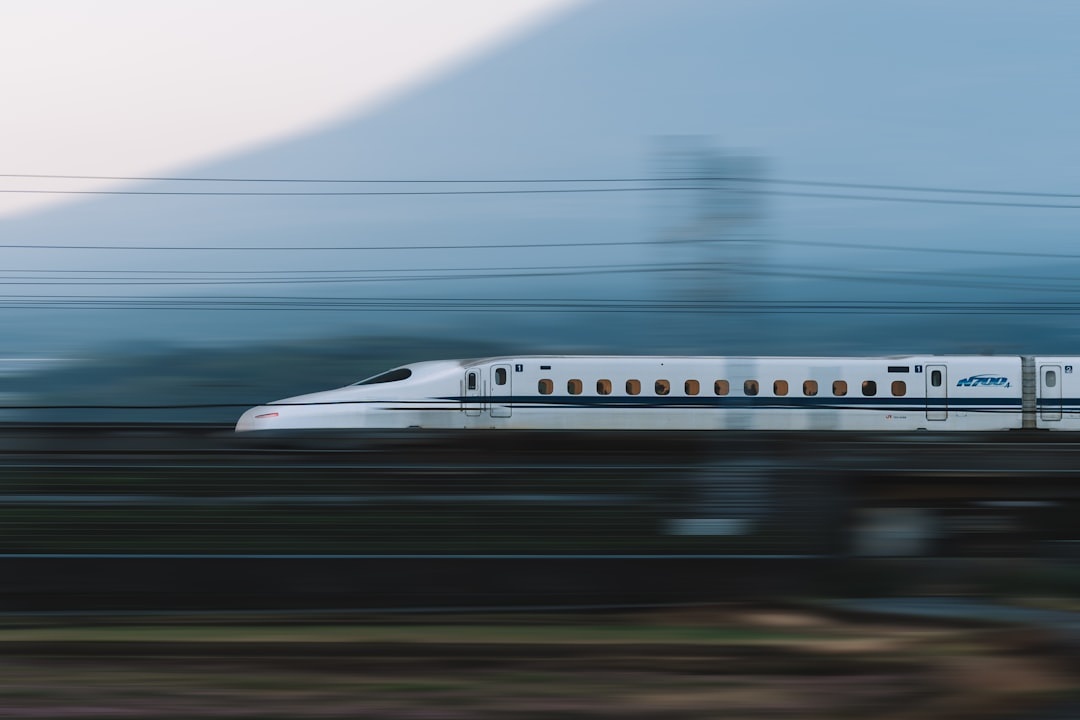
For mobile data, I’d use an eSIM rather than chasing airport SIM counters after a long-haul flight. Airalo typically sells Japan data plans from around $4.50 / €4 for 1 GB and $18–$26 / €17–€24 for 10–20 GB, depending on promotions in September 2026.
Comparison: Pocket Wi-Fi costs around ¥700–¥1,200 / €4–€8 / $5–$8 per day and works well for groups, but pickup/return is annoying. An eSIM is usually cheaper for solo travelers and activates before you reach the train ticket machines.
Best Apps for This Route
- Japan Travel by NAVITIME: best for pass-compatible rail routing and platform details.
- GO Taxi: useful in Nagano, Toyama, and Kanazawa when rain makes buses painful.
- tenki.jp: good Japanese weather app for hourly rain and mountain forecasts.
- Japan Meteorological Agency: official typhoon tracks and weather warnings at jma.go.jp.
- Yamato Transport: luggage forwarding details at kuronekoyamato.co.jp.
Luggage Rules: What You Can Bring on the Hokuriku Shinkansen
The famous oversized luggage reservation rule applies mainly to the Tokaido, Sanyo, and Kyushu Shinkansen lines, not the Hokuriku Shinkansen. Still, don’t treat that as permission to bring a monster suitcase.
On Hokuriku Shinkansen E7/W7 trains, overhead racks handle typical carry-ons, and some cars have luggage spaces. A 40-liter backpack or a carry-on suitcase under 115 linear cm is ideal.
If your bag’s total dimensions exceed 160 cm, forward it. Yamato Transport’s takkyubin service from Tokyo to Kanazawa or Toyama typically costs ¥2,500–¥3,200 / €16–€20 / $17–$22 for a 140–160 size suitcase, with next-day or two-day delivery depending on cutoff time.
This is also where luggage trackers earn their keep. If you’re comparing trackers before Japan, Distratech’s practical guide to tracking your luggage in 2026 is worth reading before you pack.
| Luggage option | Typical cost, Sep 2026 | Time impact | Best for | My take |
|---|---|---|---|---|
| Carry-on backpack, 35–45 L | Free | Fastest | Hikers and solo travelers | Best choice for this route |
| Station locker, large | ¥800–¥1,000 / €5–€6 / $6–$7 per day | 5–10 min to store/retrieve | Short city stops | Good in Toyama and Kanazawa stations |
| Yamato hotel forwarding | ¥2,500–¥3,200 / €16–€20 / $17–$22 | Usually next day | Large suitcases | Worth every yen |
| Taxi because bags are heavy | ¥1,500–¥3,000 / €9–€19 / $10–$21 per city ride | 10–25 min | Rainy arrivals | Fine occasionally, bad as a strategy |
My luggage rule for September hiking in Japan: one carry-on plus one packable daypack. Skip checked luggage unless you’re staying two nights in each city and forwarding the big bag between hotels.
Typhoon Backup Plans: How to Keep the Trip Safe and Enjoyable
September is one of Japan’s best travel months, but it is also a peak typhoon period. The Hokuriku side is often less exposed than the Pacific coast, yet heavy rain can still disrupt mountain transport, local buses, and Shinkansen schedules.
Check the Japan Meteorological Agency twice daily when a storm forms: once in the morning before committing to hikes, and once in the evening before train days. If JMA issues heavy rain, landslide, or storm warnings for Toyama or Ishikawa, do not go into mountain terrain.
The key is to build a “swap system.” Tateyama and Togakushi should happen on your clearest days; Toyama Glass Art Museum, Kanazawa museums, markets, and onsen towns should absorb the wet days.
| If this happens | Skip | Do instead | Cost, Sep 2026 | Why |
|---|---|---|---|---|
| Heavy rain in Nagano | Togakushi forest hike | Zenko-ji, Nagano Prefectural Art Museum, soba lunch | ¥700–¥2,500 / €4–€16 / $5–$17 | Forest trails get slippery fast |
| Low cloud at Murodo | Mt. Tateyama summit | Mikurigaike loop and indoor rest at Hotel Tateyama café | Transport same; food ¥1,000–¥2,000 / €6–€13 / $7–$14 | No view means no reward for summit risk |
| Typhoon approaching Hokuriku | Remote hikes and late trains | Move to Kanazawa/Tokyo earlier | Seat changes often free with pass | Protects your international flight buffer |
| Kanazawa all-day rain | Shirakawa-go bus trip | 21st Century Museum, DT Suzuki Museum, Fuwari dinner | ¥450–¥1,200 / €3–€8 / $3–$8 entries | Mountain roads and thatched village walks are poor in storms |
If trains are suspended, wait it out. Japan is extremely good at restarting service after inspections, but being on the wrong side of a closure at night is miserable.
Do not rent a car during a typhoon warning. Mountain roads around Tateyama, Hakusan, and Shirakawa-go can face landslides, closures, and standing water; the Shinkansen is the safer spine of the trip.
If a flight delay or cancellation hits your Japan arrival from Europe, keep documentation and check eligibility through AirHelp. For EU-regulated flights, compensation can reach €250–€600 depending on distance and cause, though weather-related disruption is usually exempt.
Where to Stay: Station Hotels Beat “Atmospheric” Locations Here
For this itinerary, stay near stations. This is not the trip for romantic hillside ryokan logistics unless you’re adding extra nights.
In Nagano, book Hotel Metropolitan Nagano if you want the easiest Shinkansen arrival; typical September 2026 rates run ¥13,000–¥20,000 / €81–€125 / $90–$138. Dormy Inn Nagano is better if you value an onsen bath and late-night noodles.
In Toyama, Daiwa Roynet Hotel Toyama Ekimae is my pick because Tateyama days start early. Expect ¥10,000–¥17,000 / €63–€106 / $69–$117 for a double room.
In Kanazawa, look around Korinbo or the station depending on your style. For easy sightseeing, check hotels in Kanazawa and prioritize places within 20 minutes on foot of Omicho Market or Kanazawa Station.
Comparison: Station hotels save 20–40 minutes on each travel day versus atmospheric ryokan outside the center. Over a week, that’s 2–3 extra hours — basically another museum, dinner, or train buffer.
Costed Sample Budget for 7 Days
This budget assumes one person traveling solo in September 2026, using the Hokuriku Arch Pass, mid-range business hotels, and paid mountain transport to Murodo. Couples sharing rooms can reduce the per-person lodging cost significantly.
| Category | Budget traveler | Mid-range traveler | Notes |
|---|---|---|---|
| Hokuriku Arch Pass | ¥30,000 / €188 / $207 | ¥30,000 / €188 / $207 | 7 consecutive days |
| Tateyama access | ¥9,840 / €62 / $68 | ¥9,840 / €62 / $68 | Toyama–Murodo round trip |
| Local buses/trams | ¥5,500 / €34 / $38 | ¥8,000 / €50 / $55 | Includes Togakushi and Kanazawa side trips |
| Accommodation, 6 nights | ¥48,000 / €300 / $331 | ¥84,000 / €525 / $579 | Hostels/business hotels vs better doubles |
| Food and coffee | ¥28,000 / €175 / $193 | ¥49,000 / €306 / $338 | Convenience breakfasts vs sushi/izakaya meals |
| Attractions/onsen | ¥4,500 / €28 / $31 | ¥8,000 / €50 / $55 | Gardens, museums, baths |
| Luggage forwarding | ¥0–¥3,000 / €0–€19 / $0–$21 | ¥3,000–¥6,000 / €19–€38 / $21–$41 | Optional but useful |
| Total | ¥125,840 / €787 / $868 | ¥194,840 / €1,218 / $1,344 | Excluding international flights |
The best places to save are hotels and food, not rail. Downgrading from Shinkansen to buses might save €80–€120, but it costs you a full day of travel time and makes typhoon disruption harder to manage.
Common Mistakes to Avoid
- Buying the nationwide JR Pass automatically. It costs ¥50,000 / €313 / $345 for 7 days, while this route is around ¥33,920 point-to-point or ¥30,000 with the Hokuriku Arch Pass.
- Putting Tateyama on your final full day. Bad weather can wipe it out; schedule it early enough to swap days.
- Dragging a 25 kg suitcase onto buses. Togakushi and Tateyama access are much easier with a daypack.
- Assuming September means cool weather everywhere. Tokyo and Kanazawa can still feel summery; Murodo can feel like autumn.
- Booking non-refundable hotels during typhoon season. Pay slightly more for flexible cancellation, especially after September 10.
- Overpacking sightseeing in Kanazawa. Kenrokuen, castle area, Omicho, and Higashi Chaya already make a full day if you eat properly.
- Trusting only one weather app. Cross-check tenki.jp, JMA, and mountain transport notices before hiking.
Final Verdict: The Smartest September Shinkansen Hiking Route?
For a September Japan adventure, Tokyo–Nagano–Toyama–Kanazawa is hard to beat. It gives you the efficiency of the Shinkansen, the seasonal drama of alpine Japan, and enough indoor backup options to survive a typhoon wobble without wasting the trip.
My strongest recommendation: buy the Hokuriku Arch Pass if you’re doing the loop within 7 days, travel with carry-on luggage, and keep Tateyama flexible. Skip the nationwide JR Pass unless you’re adding serious extra distance.
If you want more practical train-and-tech travel guides like this, bookmark Distratech before you start booking. Japan rewards travelers who plan precisely — and September rewards the ones who leave just enough room to pivot.
Frequently Asked Questions
Is the JR Pass worth it for Tokyo to Nagano, Toyama, and Kanazawa?
The nationwide 7-day JR Pass is usually not worth it for this route because it costs ¥50,000 / about €313 / $345. The Hokuriku Arch Pass at ¥30,000 / about €188 / $207 is better, while point-to-point tickets total roughly ¥33,920 / €212 / $234.
Is September a good time to hike in Nagano and Tateyama?
Yes, September is excellent for Togakushi and Tateyama because trails are open, temperatures are cooler at altitude, and summer crowds drop. The risk is typhoon-related rain, so keep 1–2 flexible days and check JMA forecasts before hiking.
Do I need to reserve luggage space on the Hokuriku Shinkansen?
The strict oversized luggage reservation rule mainly applies to the Tokaido, Sanyo, and Kyushu Shinkansen, not the Hokuriku Shinkansen. Still, bags over 160 cm total dimensions are awkward; use Yamato forwarding for about ¥2,500–¥3,200 / €16–€20 / $17–$22.
How many days do I need for Tokyo–Nagano–Toyama–Kanazawa?
Seven days is the sweet spot: one day for Nagano arrival, one for Togakushi, two for Toyama/Tateyama, two for Kanazawa and nearby hiking, and one return to Tokyo. You can compress it to 5 days, but you’ll lose weather flexibility.

About the Author: Tomáš Bzirský
Founder and editor of Distratech. Based in the Czech Republic, travelling regularly from Central Europe. Writes practical travel guides and travel-tech comparisons (eSIM, apps, airports) in six languages.