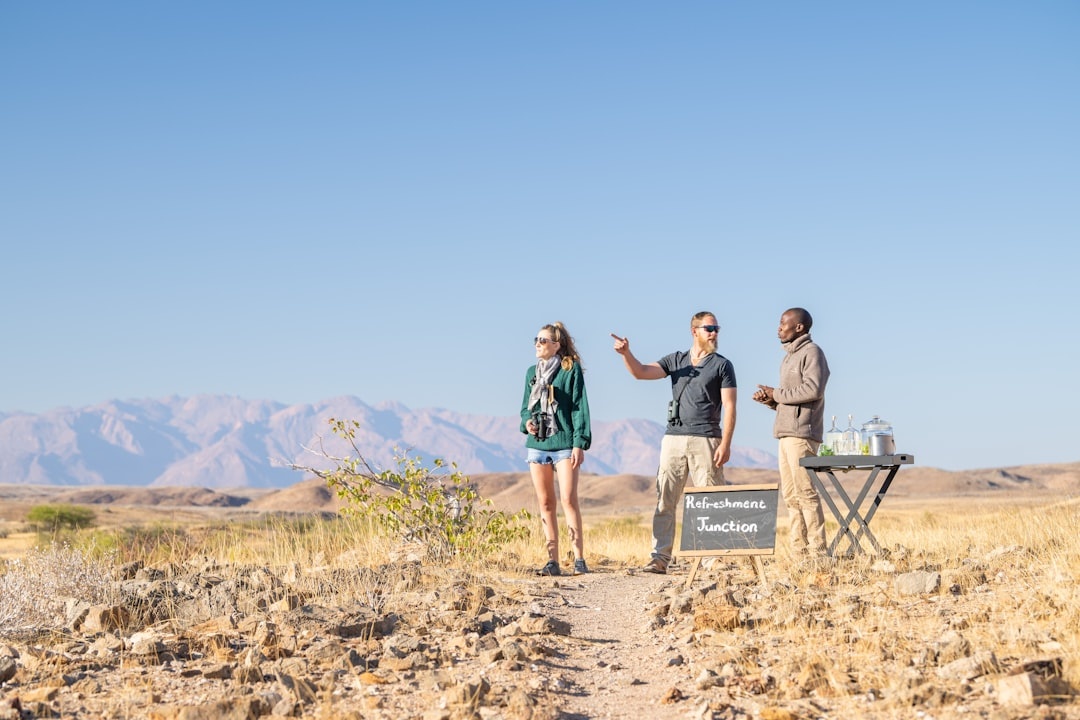
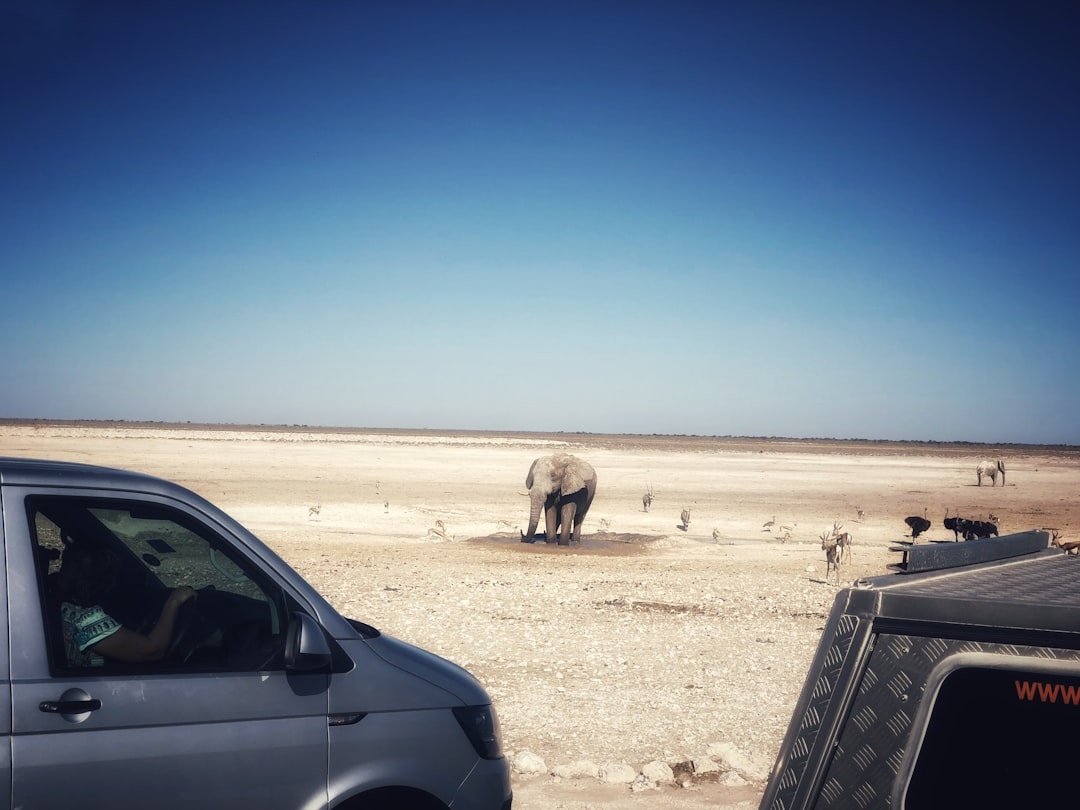
Namibia is what you book when Europe is melting in July and the Mediterranean is shoulder‑to‑shoulder with cruise crowds. While everyone fights for beach towels in Spain, you can be watching elephants at a waterhole with no one else around.
July 2026 is peak dry season in Namibia — cool mornings (5–8°C), sunny 22–25°C afternoons, and near‑guaranteed wildlife sightings around Etosha’s waterholes. It’s also peak safari demand, so planning your 4×4, campsites, and fuel strategy matters.
Key Takeaways
- Expect $85–$120/day for a fully equipped 4×4 in July 2026; book 4–6 months ahead.
- Windhoek → Etosha (Andersson Gate) is 415 km, about 4.5–5 hours on good roads.
- Fuel averages N$23/liter (~$1.25); budget $220–$300 total fuel for 10 days.
- Etosha campsites cost ~$30–$40 per person; reserve via NWR.com.na as soon as dates are fixed.
- July is prime wildlife season; Sossusvlei sunrise gate opens ~06:30 (confirm locally).
Why Namibia in July (and Why Self‑Drive Beats a Tour)
July is high season because it works. Dry conditions push wildlife to predictable waterholes, especially in Etosha — one of the best places in Africa to see the “new Big Five” wildlife travelers are chasing in 2026 (full list here).
A guided 10‑day lodge safari typically runs $3,500–$6,000 per person. A self‑drive with camping lands closer to $1,200–$1,800 per person all‑in, including vehicle, fuel, park fees, and campsites. Same animals, more freedom.
Road quality is better than most people expect. Main routes (B1, C38) are paved; gravel roads are well‑graded. Skip a sedan — get a 4×4 with high clearance for peace of mind.
Step 1: Book the Right 4×4 (2026 Rental Costs & What to Choose)
In July, vehicles sell out fast. Book 4–6 months in advance.
Recommended Rental Companies (Windhoek Airport)
- Advanced Car Hire – Toyota Hilux 4×4 with rooftop tent from ~$95/day (21+ days cheaper).
- Africa on Wheels – Similar setup ~$85–$110/day depending on insurance.
- Asco Car Hire – Premium fleet, ~$120–$140/day but newer vehicles.
Full insurance with zero excess usually adds $15–$25/day. Worth it for gravel roads.
| Option | Cost (10 days) | Best For |
|---|---|---|
| 2WD SUV + lodges | $700 rental + $1,200 lodges | Comfort, less gear setup |
| 4×4 + rooftop tent | $950 rental + $400 campsites | Adventure, better value |
For couples, the rooftop tent is surprisingly comfortable — 5 minutes to open, real mattress, mosquito screens. Skip the ground tent.
Connectivity Tip
Buy an MTC SIM card at Windhoek Airport (~N$50 SIM, N$300 for 10GB). Coverage is decent in towns, weak in parks. Download Maps.me or offline Google Maps.
If you rely on streaming or banking apps while traveling, it’s worth understanding your VPN rights in 2026 — especially if you’re EU‑based. Distratech breaks it down clearly here.
Your 10‑Day Namibia Self‑Drive Itinerary
Day 1: Arrive in Windhoek
Pick up your 4×4 at Hosea Kutako International Airport. The city is 45 km away (40 minutes).
Stay at Olive Grove Guesthouse (~$140 double with breakfast) or camp at UrbanCamp (~$18 per person). Eat at Joe’s Beerhouse — order the game platter ($28).
Day 2: Windhoek → Etosha (Andersson Gate)
Distance: 415 km
Drive time: 4.5–5 hours
Stop in Otjiwarongo for fuel and groceries (Pick n Pay). Fuel stations accept cards, but carry some cash.
Enter Etosha via Andersson Gate (open roughly sunrise to sunset; July ~06:30–18:45). Park fee: ~N$150 ($8) per person per day + N$50 vehicle fee.
Camp at Okaukuejo ($30–$40 pp). Its floodlit waterhole is legendary — rhinos often appear after dark. Skip early sleep.
Day 3–4: Etosha National Park
Drive waterhole to waterhole: Okondeka, Halali, Goas. Distances are long but roads are manageable.
Comparison: Morning drive (06:30–10:30) vs midday (12:00–15:00). Wildlife sightings are easily 3x higher in early morning when temperatures are under 15°C.
Stay one night at Halali Camp to break up driving. Book both camps through nwr.com.na. July weekends sell out first.
Day 5: Etosha → Swakopmund
Distance: 470 km
Drive time: 6–7 hours
Fuel at Outjo or Khorixas. Don’t skip this — stretches ahead are empty.
Swakopmund feels like a German seaside town dropped into the desert. Stay at Cornerstone Guesthouse (~$110 double) or camp at Alte Brücke (~$20 pp).
Dinner at The Tug. Order oysters and a Namibian white wine; expect ~$35 per person.
Day 6: Swakopmund & Walvis Bay
July mornings are cold and misty (12–15°C). Book a Living Desert Tour (~$65 pp, 08:00–12:00) to see geckos and sidewinder snakes.
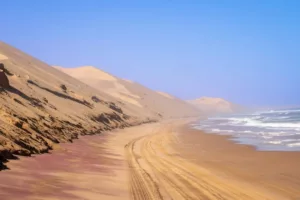
Alternatively: Sandwich Harbour 4×4 tour (~$140 pp). Skip quad biking — it’s noisy and less unique.
Day 7: Swakopmund → Sesriem (Sossusvlei)
Distance: 350 km
Drive time: 5–6 hours (gravel)
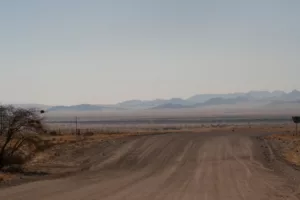
This is classic Namib gravel driving. Keep speed under 80 km/h.
Fuel at Solitaire (yes, the apple pie stop). Fill up — next reliable fuel is 300+ km away.
Stay inside the park at Sesriem Campsite (~$35 pp). Outside lodges can’t enter before sunrise, and that 60–90 minute head start matters.
Day 8: Sossusvlei & Deadvlei
Gates open at sunrise (~06:30 July; confirm locally). Drive 60 km to Sossusvlei tar road end.
Last 5 km is deep sand. If unsure, park and take the 4×4 shuttle (~N$180/$10 return). Cheaper than digging yourself out.
Climb Dune 45 at sunrise (1 hour total). Then walk into Deadvlei. By 10:30, heat and crowds increase — even in Namibia.
Day 9: Sesriem → Windhoek (via Spreetshoogte Pass)
Distance: 330 km
Drive time: 5–6 hours
Spreetshoogte Pass offers the best panoramic view of the trip. Stop for photos — but engage low gear downhill.
Stay your final night back in Windhoek. Return vehicle next morning.
Day 10: Departure
Allow 3 hours before international flights. Car inspection takes 20–30 minutes.
Fuel Stops & Budget Breakdown (Real 2026 Numbers)
Average fuel price July 2026: ~N$23/liter (~$1.25). A Toyota Hilux uses ~10–11L/100km.
Total route distance: ~1,900–2,200 km depending on game drives.
Estimated fuel total: 220 liters ≈ N$5,060 (~$275).
Recommended Fuel Stops
- Windhoek (start full)
- Otjiwarongo
- Outjo
- Khorixas (if detouring)
- Swakopmund/Walvis Bay
- Solitaire
Never pass a half‑tank in remote areas. Distances between reliable pumps can exceed 250 km.
Campsite Booking Strategy for July 2026
July is Namibia’s equivalent of August in Italy. Book early.
Etosha & Sesriem: Reserve via nwr.com.na. Payment required upfront. Aim to book 4–6 months ahead for July weekends.
Private camps (Swakopmund, Solitaire): Often bookable via email; cancellation policies are flexible (48–72 hours).
If Etosha camps are full, look at Etosha Village (~$95 double room) just outside Andersson Gate. Trade‑off: no nighttime waterhole access.
Total Budget for 2 People (10 Days, 2026)
| Category | Total (USD) |
|---|---|
| 4×4 rental (10 days) | $950 |
| Fuel | $275 |
| Campsites | $400 |
| Park fees | $160 |
| Food & dining | $500 |
| Activities | $250 |
| Total (2 people) | ~$2,535 |
That’s about $1,270 per person for a peak‑season African safari road trip. Try pricing that in Kenya in July.
Pro Tips for Couples
- Share driving: Gravel fatigue is real after 4–5 hours.
- Pack layers: July mornings at 5°C feel colder than you expect.
- Pre‑download maps: Don’t rely on signal inside Etosha.
- Bring a headlamp: Campsites are dark — romantic, but dark.
- Skip overpacking: Soft duffels fit better in 4×4 storage than hard suitcases.
Compared to overcrowded European summer routes — like the train crush described in our Prague‑to‑Lake‑Bled July breakdown — Namibia feels spacious, controlled, and refreshingly offline.
Is It Worth It in July 2026?
Yes — if you book early and accept cold mornings.
Wildlife visibility is at its annual peak, skies are clear for stargazing (early preview of August’s Perseids energy), and self‑drive logistics are straightforward with planning.
If you want safari without luxury‑lodge prices — and you’re comfortable driving long distances — this is one of the best value adventures on the planet right now.
Ready to start comparing flights? July and August are often among the cheapest long‑haul months to Southern Africa from North America thanks to counter‑season demand. Lock in the vehicle first, then flights.
For couples planning this Namibia self-drive, it helps to browse options ahead of time—see hotels in Namibia to match your route and dates.
Frequently Asked Questions
How much does a Namibia self-drive safari cost in 2026?
For 2 people over 10 days in July 2026, expect around $2,500 total including 4×4 rental, fuel, campsites, park fees, food, and a few tours — roughly $1,250 per person.
Is July a good time to visit Etosha?
Yes. July is peak dry season, with cooler temperatures (5–25°C) and excellent wildlife sightings around waterholes, but campsites must be booked 4–6 months ahead.
Do you really need a 4×4 in Namibia?
For this Windhoek–Etosha–Sossusvlei route, a 4×4 is strongly recommended, especially for gravel roads and the deep sand section near Sossusvlei; a 2WD limits flexibility.
Can you book Etosha campsites last minute?
In July, rarely. Popular camps like Okaukuejo often sell out months in advance via NWR; last‑minute availability is more common in shoulder seasons (March–May).

About the Author: Tomáš Bzirský
Founder and editor of Distratech. Based in the Czech Republic, travelling regularly from Central Europe. Writes practical travel guides and travel-tech comparisons (eSIM, apps, airports) in six languages.