The classic African Big Five still sell safari dreams. But in 2026, wildlife travelers are chasing a different list — species that feel rarer, wilder, and often more climate‑sensitive. Think polar bears on shrinking sea ice, jaguars in the Pantanal dry season, or snow leopards in high Himalayan valleys.
July is peak travel season in Europe and the Mediterranean is packed. So if you’re planning a wildlife trip now, this is the moment to look beyond overcrowded beach resorts and into nature-heavy destinations where July–September conditions are actually ideal.
Key Takeaways
- Polar bear expeditions in Churchill start at $6,500 for 6 days (Oct–Nov peak season).
- Pantanal jaguar safaris cost $350–$600 per day in dry season (June–Sept), with 90%+ sighting rates.
- Rwanda gorilla permits are $1,500 per person; Uganda is cheaper at $800.
- Galápagos cruises range from $2,000 (budget, 4 days) to $7,500+ (luxury, 7 days).
- Snow leopard expeditions in Ladakh cost $2,500–$4,000 for 10–12 days (Jan–Mar best).
Here’s the new “Big Five” wildlife bucket list — and exactly how to plan each one.
—
1. Polar Bears in Churchill, Canada
If you want a true climate-era icon, it’s the polar bear. Churchill, Manitoba, calls itself the “Polar Bear Capital of the World” — and for good reason.
October and November are prime viewing months, when bears gather along Hudson Bay waiting for sea ice to form. Tundra buggy tours run daily during peak season.
Cost breakdown (6-day package from Winnipeg):
| Operator | Duration | Price (USD) | Includes |
|---|---|---|---|
| Frontiers North | 6 days | $7,295 | Flights from Winnipeg, lodge, buggy tours |
| Natural Habitat | 6 days | $6,495 | Flights, meals, guided excursions |
Compare that to DIY: return flight Winnipeg–Churchill costs around $900–$1,200, and a single tundra buggy day tour is $600–$700. Packages are expensive, but logistically simpler.
When to book: By July for October departures — many 2026 slots are already 70% full.
Tech tip: There’s patchy cell service. Download offline maps on Google Maps and bring a power bank rated for cold weather (Anker 737 works well down to -20°C).
—
2. Jaguars in Brazil’s Pantanal (Best Value Safari on Earth)
If African safaris feel overpriced in 2026 (Kenya high-season lodges now average $800+ per night), head to Brazil’s Pantanal instead.
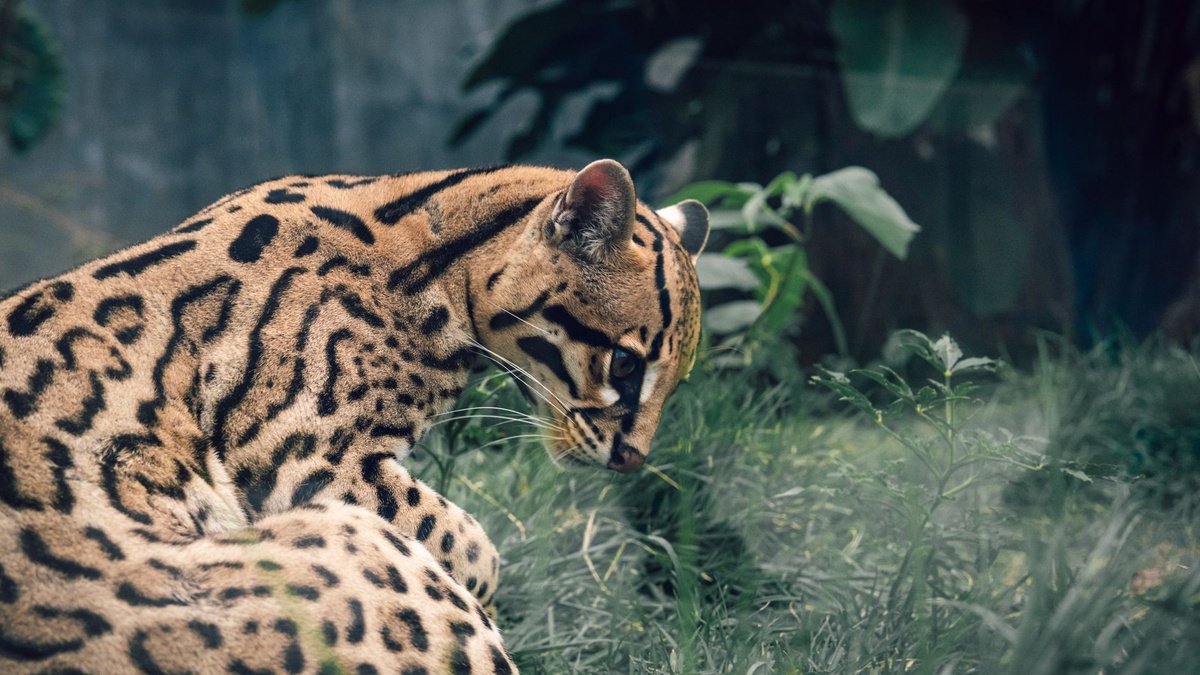
From June to September — dry season — water levels drop and jaguars concentrate along riverbanks. Sightings near Porto Jofre regularly exceed 90% over 3 days.
Typical daily cost:
- Lodge + full board: $250–$400 per night
- Boat safari (full day): $180–$250
- Cuiabá airport transfer (5–6 hours): $100–$150 per vehicle
A solid 4-day trip costs around $1,500–$2,000 total. Compare that to 4 days in the Serengeti: easily $3,500+.
Travel logistics:
Cuiabá (CGB) has direct flights from São Paulo (2h10m, ~$120 one-way on LATAM). From Cuiabá, it’s a 250 km drive to Porto Jofre — last 145 km on dirt road.
Where to stay:
Pousada do Rio Mutum (mid-range) or Jaguar Flotel (floating lodge with prime river access).
Skip day trips from Cuiabá — too much driving. Stay riverside.
—
3. Mountain Gorillas in Rwanda or Uganda
Gorilla trekking remains one of the most emotional wildlife encounters anywhere. You hike through rainforest, then spend one controlled hour with a habituated family group.
The big decision: Rwanda or Uganda?
| Rwanda (Volcanoes NP) | Uganda (Bwindi) | |
|---|---|---|
| Permit | $1,500 | $800 |
| Access | 2.5 hrs from Kigali | 8–10 hrs from Entebbe |
| Lodges | $300–$1,500/night | $150–$800/night |
If time is tight, Rwanda wins. You can land in Kigali at 8am and be in your lodge by lunch.
If budget matters, Uganda is almost half the permit cost. Total 3-day Uganda trip: ~$1,800–$2,200. Rwanda: $2,800–$4,000.
Permits must be booked via official tourism boards:
– Rwanda: visitrwanda.com
– Uganda: ugandawildlife.org
July–September is peak trekking season — drier trails, easier hiking.
—
4. Galápagos Giant Tortoises & Marine Iguanas, Ecuador
The Galápagos aren’t new. But they’re trending again because travelers want biodiversity, not just beaches.
You have two options: land-based or cruise.
4-day cost comparison:
| Budget Land-Based | Small-Ship Cruise | |
|---|---|---|
| Price | $1,200–$1,800 | $2,000–$3,500 |
| Islands | 2–3 | 4–6 |
| Wildlife access | Day tours | Remote visitor sites |
Flights from Quito or Guayaquil cost $250–$400 return (2 hours).
Cruises give better access to remote nesting sites and snorkeling with sea lions and hammerheads. If budget allows, do a 5-day cruise minimum.
July is cooler and drier — excellent for hiking and wildlife activity. Water is colder (18–22°C), so rent a 5mm wetsuit ($10–$15/day).
—
5. Snow Leopards in Ladakh, India
The hardest of the new Big Five — and arguably the most rewarding.
Snow leopard tracking season runs January–March. You’ll base yourself in Ulley or Rumbak Valley at 3,500–4,000 meters.
Typical 11-day expedition:
– Delhi–Leh flight: $80–$150 one way
– Guided snow leopard trek: $2,500–$4,000
– Includes homestays, meals, local trackers
Success rates in prime season are now around 60–70% thanks to experienced local spotters.
It’s cold: -15°C mornings are normal. Bring serious gear. A Garmin fitness tracker with altitude acclimatization tracking (like the one reviewed in our piece on Garmin’s screen‑free travel fitness tracker) helps monitor oxygen saturation and recovery days.
This is not a casual add-on to a Golden Triangle tour. It’s a dedicated wildlife mission.
—
When to Plan These Trips (Season Strategy for 2026)
July reality check:
- Pantanal: Go now — peak dry season, best sightings.
- Gorillas: Excellent trekking weather.
- Galápagos: Great hiking season, cooler seas.
- Polar bears: Book now for October.
- Snow leopards: Plan for Jan–Mar 2027.
Contrarian tip: July is also one of the cheapest months for long-haul flights to South America from Europe and the U.S. this year. I’m seeing Madrid–São Paulo returns for $620 and Miami–Quito for $380 on Google Flights.
Meanwhile, Southeast Asia is monsoon-heavy — which makes Borneo orangutan trips 20–30% cheaper, but expect daily rain.
—
Practical Booking Tips (So You Don’t Mess This Up)
- Secure permits first. Gorilla and polar bear slots sell out 6–12 months in advance.
- Use Wise or Revolut. Many safari lodges charge 3–5% for credit cards.
- Travel insurance is non-negotiable. MedEvac from remote areas can exceed $25,000.
- Bring backup storage. A 1TB SSD (Samsung T7, ~$95) handles RAW wildlife photos easily.
- Don’t overpack lenses. 100–400mm covers 90% of situations.
Skip “ethical elephant selfies” or drugged tiger encounters. If the animal interaction feels easy, it’s probably exploitative.
—
Why These Five — Not the Old Ones?
The original Big Five were colonial hunting trophies: lion, leopard, rhino, elephant, buffalo.
The new Big Five reflect something else — conservation urgency, remoteness, and ecological uniqueness.
Polar bears represent climate change. Gorillas symbolize conservation success. Jaguars prove rewilding works. Galápagos species show evolutionary isolation. Snow leopards embody extreme wilderness.
They’re harder to see. More expensive. Logistically complex.
That’s exactly why they matter.
—
Ready to Build Your Own Wildlife Bucket List?
Start with seasonality. In July 2026, the Pantanal and gorilla trekking are at their best. If you’re planning ahead, lock in polar bear permits for October or snow leopard tracking for early 2027.
Pick one species. Build the trip around it. Give yourself at least 3–4 days on the ground.
Wildlife travel isn’t about ticking boxes. It’s about being patient enough for that one unforgettable sighting.
Book smart, pack light, and choose operators that protect what you came to see.
—
Frequently Asked Questions
How much does a polar bear tour in Churchill cost?
Most 6-day packages cost $6,500–$7,500 including flights from Winnipeg, lodging, and tundra buggy excursions. A single buggy day tour alone is around $600–$700.
Is the Pantanal better than an African safari for jaguars?
For jaguars specifically, yes. Dry season sighting rates exceed 90% in some areas, and a 4-day trip costs around $1,500–$2,000 — often half the price of a comparable African safari.
Why is Rwanda more expensive than Uganda for gorilla trekking?
Rwanda charges $1,500 per permit versus Uganda’s $800. However, Rwanda’s park is only 2.5 hours from Kigali airport, saving significant travel time.
When is the best time to see snow leopards?
January to March offers the highest sighting rates (around 60–70%) when leopards descend to lower elevations. Expect temperatures as low as -15°C.

About the Author: Tomáš Bzirský
Founder and editor of Distratech. Based in the Czech Republic, travelling regularly from Central Europe. Writes practical travel guides and travel-tech comparisons (eSIM, apps, airports) in six languages.