If you rely on a portable Wi‑Fi hotspot for travel, here’s something you should know before your next trip: the FCC has clarified that its expanding ban on certain foreign-made networking gear now includes portable Wi‑Fi hotspots — not just home routers.
The good news? Your smartphone’s built-in hotspot feature isn’t affected. At least for now.
Key Takeaways
- The FCC now defines “consumer routers” broadly enough to include portable Wi‑Fi hotspots.
- Smartphones with hotspot/tethering features are not part of the ban.
- Some travel hotspots from lesser-known foreign brands could disappear from US retail channels.
- Major carrier-branded hotspots (Verizon, AT&T, T-Mobile) are unlikely to be affected.
- Spring and summer 2026 travelers should double-check hotspot models before buying for international trips.
What Changed: The FCC’s Expanded Definition
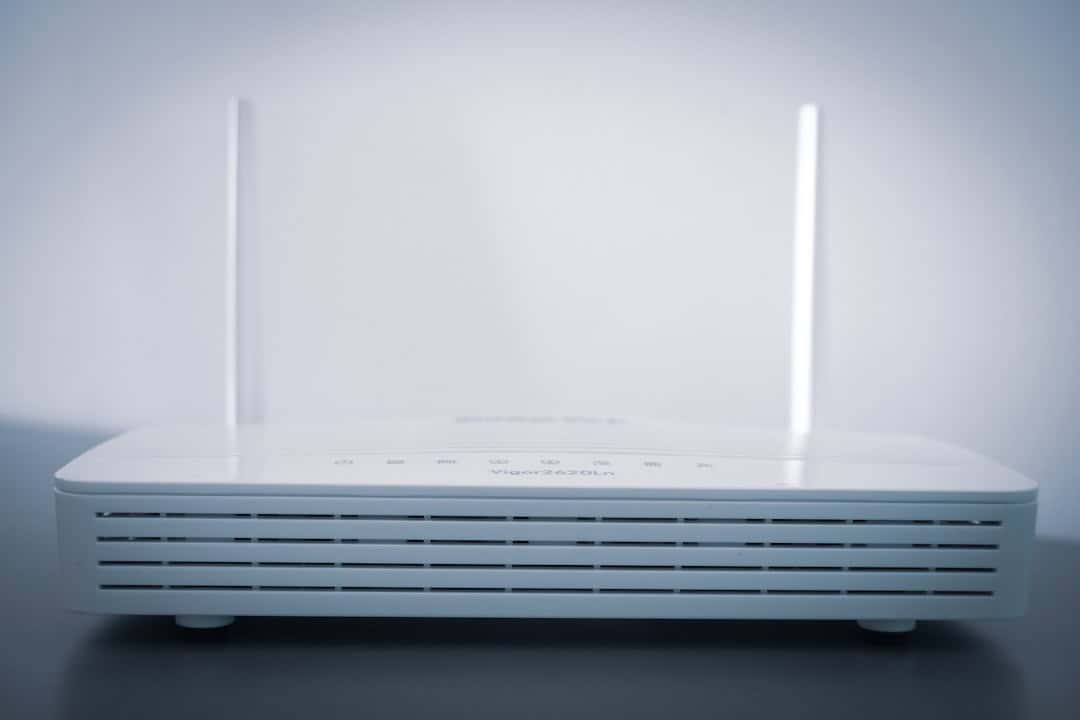
The Federal Communications Commission recently updated its guidance around restricted communications equipment, clarifying that its definition of “consumer routers” includes portable Wi‑Fi hotspots and similar networking devices.
In practical terms, this means small battery-powered travel routers — the kind you toss in your backpack for a Patagonia trek or a spring rail trip across Europe — could fall under the same scrutiny as full-size home routers.
This isn’t about performance. It’s about national security and supply chains. The FCC is targeting specific foreign-made networking gear it considers risky for US infrastructure.
But here’s where it matters for travelers: some of the most affordable unlocked hotspots on Amazon and other marketplaces are made by smaller overseas brands. Those are the devices most likely to feel the impact.
Why Phones With Hotspot Features Are Exempt
If you’re wondering whether your iPhone 16 Pro or Galaxy S25 Ultra is suddenly non-compliant — relax.
Smartphones are regulated under a different device category. Even though they can broadcast Wi‑Fi and function like a router when tethering, the FCC is not treating them as standalone networking infrastructure.
So when you:
- Turn on Personal Hotspot on your iPhone
- Use Android tethering over 5G
- Share your eSIM data connection with your laptop
…you’re operating outside the scope of this router-focused clarification.
For digital nomads and remote workers, that distinction is huge.
Why This Matters for Spring & Summer 2026 Travel
We’re heading into peak hiking and shoulder-season travel across Europe and South America. If you’re planning a remote-work stretch in the Algarve, road-tripping through tulip country, or heading to Patagonia for late-season trekking, connectivity matters.
For example, if you’re mapping out hikes using our Patagonia shoulder season guide, you’ll want reliable backup internet in towns where Wi‑Fi is patchy.
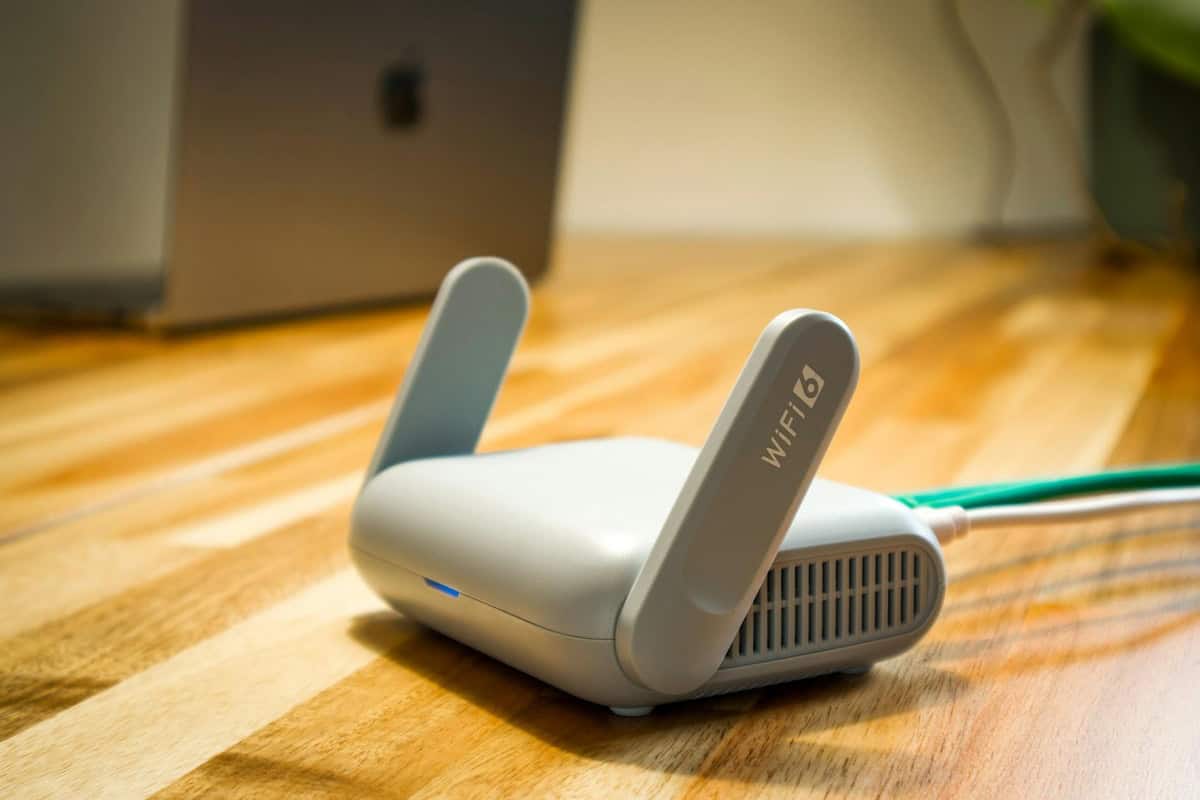
Portable hotspots are popular because they:
- Keep your phone battery alive
- Support multiple devices (laptop + tablet + partner’s phone)
- Often have stronger antennas than smartphones
- Allow dedicated local SIM or data-only eSIM plans
If certain budget-friendly models quietly disappear from US retailers this spring, last-minute buyers could see price spikes.
Which Devices Are Most at Risk?
Let’s be blunt: this isn’t likely to affect mainstream carrier devices.
If you’re buying:
- Verizon Inseego MiFi X Pro 5G ($349–$399)
- T-Mobile 5G Hotspot ($199–$299 depending on plan)
- AT&T Turbo Hotspot 3 ($249 range)
…you’re almost certainly fine. These are carrier-certified and tightly integrated into US networks.
The devices that could face scrutiny are:
- Unbranded or white-label 4G/5G hotspots sold online
- Deep-discount imports under $120
- Unknown-brand “global Wi‑Fi” gadgets with vague certifications
If you’ve ever searched “cheap international hotspot no contract” and clicked the lowest-priced option, that’s the category to watch.
Should Travelers Still Buy a Dedicated Hotspot?
Short answer: yes — but be selective.
For spring 2026 travel in Europe, especially if you’re exploring less crowded destinations like those in our guide to cherry blossom alternatives in Europe, a portable hotspot still makes sense if:
- You’re working full-time remotely
- You need stable Zoom or Teams calls
- You’re traveling with multiple people
- You want to use a data-only eSIM separate from your phone
But if you’re a light user — Google Maps, messaging, occasional uploads — your phone’s hotspot is simpler and now arguably safer from regulatory disruption.
Hotspot vs. Phone Tethering: Real-World Travel Comparison
Here’s how they stack up for travelers in 2026:
Phone Hotspot
- Cost: Free (included in your phone plan, sometimes throttled)
- Battery drain: High
- Convenience: Excellent
- Best for: Short trips, urban travel, solo travelers
Dedicated Hotspot
- Cost: $200–$400 upfront
- Battery life: 8–24 hours typical
- Signal strength: Often better antenna performance
- Best for: Remote work, rural travel, group trips
Personally? If I’m hiking in the Atlas Mountains this spring and uploading footage at night (see our Atlas Mountains spring hiking guide), I’d bring a dedicated device. Mountain guesthouse Wi‑Fi is unpredictable.
For a city break in Lisbon or Amsterdam? I’m just using my phone.
What to Check Before Buying a Travel Hotspot Now
With the FCC’s clarification in place, here’s a quick checklist before you click “Buy Now”:
- Check FCC certification details on the manufacturer’s site.
- Avoid unknown marketplace brands with limited support info.
- Confirm US carrier band compatibility if you plan to use it domestically before departure.
- Verify eSIM support if you want flexible international data.
- Buy early — not the week before your flight.
Supply chain changes rarely hit all at once. They show up as limited stock and creeping prices.
Could Prices Go Up?
Possibly — but not across the board.
If low-cost imports shrink in availability, mid-tier brands could see a bump in demand. That typically means:
- Fewer sub-$150 options
- More $300+ 5G models dominating shelves
- Carrier financing becoming more common
For budget travelers, that shifts the equation toward using your existing phone more aggressively.
The Bigger Picture for Digital Nomads
This move is part of a broader tightening around networking infrastructure. While today’s clarification targets routers and portable hotspots, it signals closer scrutiny of standalone connectivity devices.
For digital nomads, that reinforces a trend we’ve seen all year: eSIM-first travel.
Modern flagship phones now support multiple eSIM profiles, 5G global bands, and Wi‑Fi 6/6E hotspot capabilities. In many cases, your phone is already as capable as a mid-range portable router.
Unless you truly need multi-device endurance or better antenna performance, the simplicity of a high-end phone + regional eSIM is hard to beat in 2026.
Bottom Line for Travelers
The FCC’s clarification doesn’t mean you need to panic-buy a hotspot.
It does mean you should be smarter about which one you choose — especially if you’re prepping for spring trekking, remote work abroad, or a long shoulder-season Europe itinerary.
Your phone’s hotspot feature is safe. Carrier-branded hotspots are likely safe. Bargain-bin imports? Maybe not.
As always in travel tech: buy quality, test before departure, and never rely on just one connection method when you’re halfway up a mountain or about to join a client call from a café terrace.
Frequently Asked Questions
Does the FCC router ban affect portable Wi‑Fi hotspots?
Yes. The FCC clarified that portable Wi‑Fi hotspots fall under its expanded definition of consumer routers, meaning certain foreign-made models could face restrictions.
Are smartphone hotspot features banned?
No. Smartphones with built-in hotspot or tethering features are regulated differently and are not included in the FCC’s router-focused restrictions.
Will travel hotspots disappear from Amazon?
Major carrier-branded hotspots are unlikely to disappear, but lesser-known imported brands could see reduced availability or higher prices.
Is it better to use a phone hotspot or a dedicated device for travel in 2026?
For light travel use, a phone hotspot is usually enough. For remote work, multi-device use, or rural travel, a dedicated hotspot with 8–24 hours of battery life is still more reliable.

About the Author: Tomáš Bzirský
Founder and editor of Distratech. Based in the Czech Republic, travelling regularly from Central Europe. Writes practical travel guides and travel-tech comparisons (eSIM, apps, airports) in six languages.