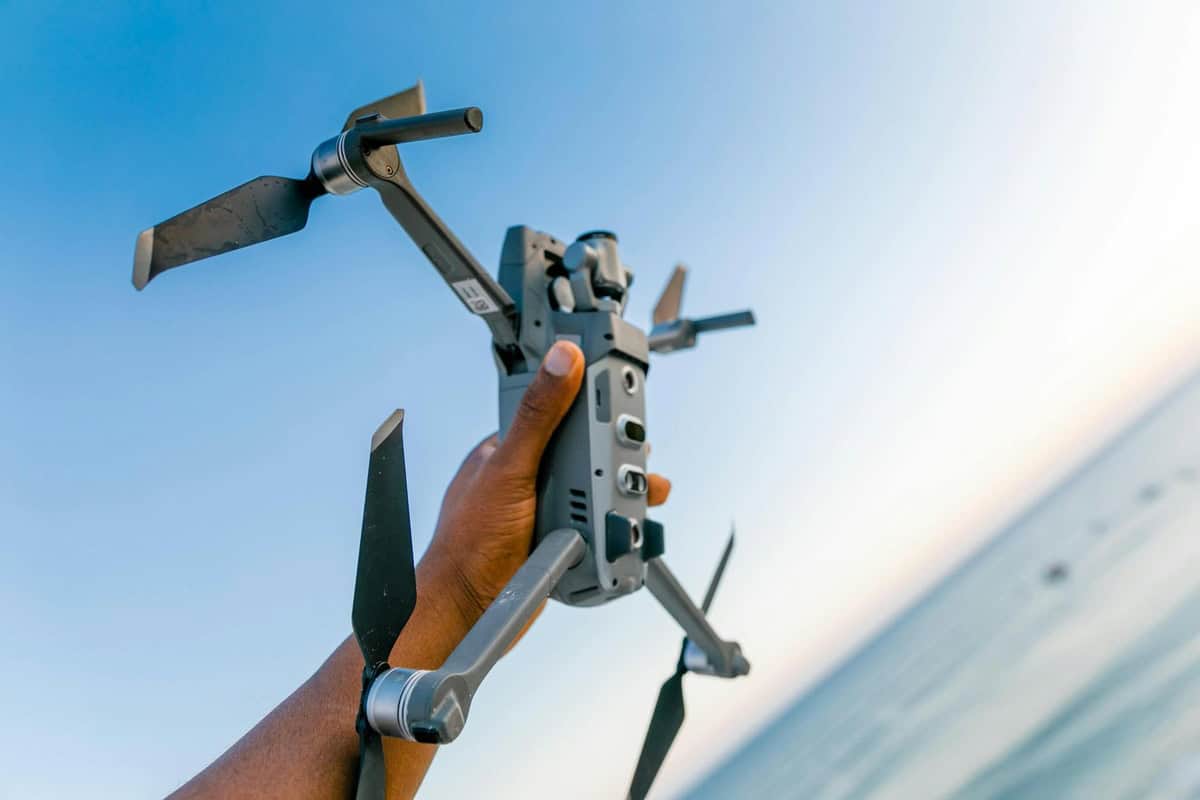
DJI just made travel drones a lot more accessible. The new Lito 1 and Lito X1 both weigh under 249 grams, shoot stabilized 4K video, and start at less than $400 — squarely targeting beginners who want serious aerial footage without serious bulk (or paperwork).
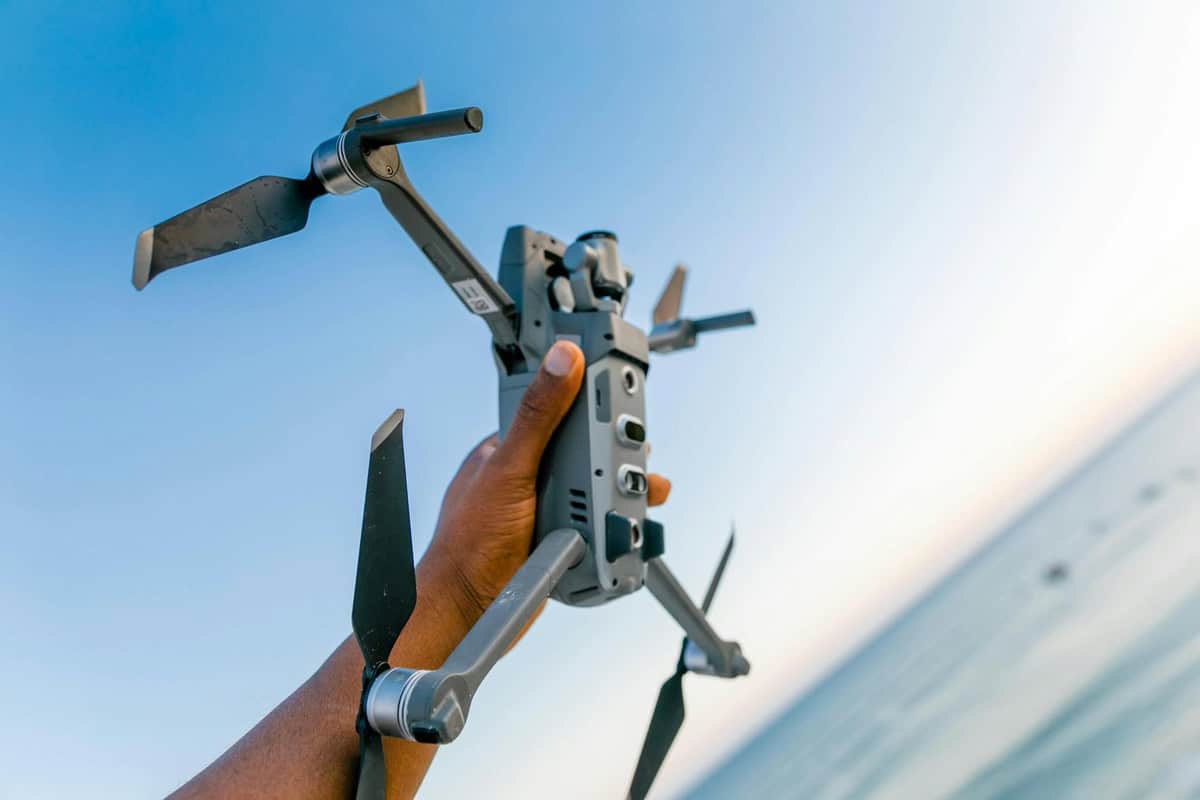
For spring 2026 — think tulip fields in the Netherlands, hiking season in Central Asia, and shoulder-season city breaks across Europe — this could be the most practical drone launch of the year.
Key Takeaways
- DJI Lito 1 and Lito X1 both weigh under 249g, avoiding registration in many countries.
- Prices start under $400, making them some of DJI’s most affordable 4K drones.
- Both offer 4K stabilized video, with the X1 adding advanced obstacle avoidance.
- Compact size makes them ideal for carry-on travel and spring hiking trips.
What’s New With the DJI Lito Series?
The Lito Series sits below the Mini line in price but keeps many features travelers actually use. DJI clearly designed these drones for people upgrading from a phone — not from a $1,000 prosumer rig.
Both models weigh under 249 grams. That’s the magic number in many regions, including the US and parts of Europe, where lighter drones often avoid registration requirements and face fewer flight restrictions.
Here’s how they break down:
DJI Lito 1: The Affordable Travel Companion
The Lito 1 is the entry-level model and the one most travelers should consider first.
- Weight: Under 249g
- Video: 4K at up to 30fps
- Stabilization: 3-axis mechanical gimbal
- Battery life: Around 30 minutes per charge
- Transmission: HD live feed up to several kilometers (region-dependent)
- Price: Starts under $400
That’s more than enough for Instagram Reels, YouTube travel vlogs, or cinematic B-roll of Albania’s Riviera if you’re planning a trip after reading our 2026 Albania travel guide.
The big win here is simplicity. QuickShots, automated flight modes, and app-guided tutorials make it beginner-friendly. If you’ve never flown before, this is not intimidating.
DJI Lito X1: For Travelers Who Want Extra Safety
The Lito X1 steps things up with enhanced obstacle sensing and more advanced subject tracking.
- All Lito 1 features
- Upgraded obstacle avoidance (multi-directional)
- Improved ActiveTrack for moving subjects
- Higher bitrate 4K video
- Price: Still under $400 at launch
If you’re filming yourself hiking in Kazakhstan’s expanding national parks — like those we covered in this Central Asia adventure guide — better obstacle sensing is worth paying for.
Forests, cliffs, and uneven terrain are where beginner pilots usually get into trouble. The X1 gives you more margin for error.
Why the 249g Weight Really Matters for Travelers
This is the feature that makes the Lito Series genuinely travel-friendly.
In many countries, drones under 249 grams:
- Don’t require registration (or face simplified rules)
- Have fewer operational restrictions
- Are easier to carry in hand luggage
- Draw less attention at security checks
Regulations vary — always check local aviation authority rules — but sub-250g drones consistently face fewer headaches.
For spring 2026 trips across Europe, when parks and coastal towns are busy but not yet peak summer chaos, a lightweight drone gives you flexibility. You can fly early morning, pack up quickly, and move on.
Is It Better Than the DJI Mini Series?
Here’s the honest take: if you already own a recent DJI Mini model, you probably don’t need a Lito.
But if you’ve been hesitating because $700–$900 felt like too much for “just a hobby,” the Lito line changes that calculation.
Under $400 for stabilized 4K in a sub-249g body is aggressive pricing. DJI is clearly targeting first-time buyers — especially younger travelers and digital nomads.
For remote workers who want cinematic B-roll for YouTube or client projects, this is the new entry point.
Real-World Travel Use Cases
Let’s make this practical. Where does a drone like this actually shine?
1. Coastal Road Trips
Spring road trips along the Mediterranean, Morocco’s blue city rooftops (see our Chefchaouen itinerary), or Albania’s beaches are perfect for wide, sweeping aerials.
The Lito 1 is more than capable here.
2. Hiking Season (Right Now)
April through June is prime hiking season across Europe and Central Asia. Trails are green, waterfalls are full, and crowds are manageable.
At under 249g, the Lito fits in a daypack without tipping you into “why did I bring this?” territory.
3. City B-Roll at Golden Hour
Early morning or sunset shots over less congested urban areas can elevate travel videos dramatically.
Just remember: many major cities restrict drone flights entirely. Always check local laws before launching.
What I Like — And What I Don’t
Pros
- Strong value under $400
- Legally easier to travel with (sub-249g)
- True 4K with mechanical stabilization
- Beginner-friendly software
- Compact enough for minimalist packing
Cons
- No 5.4K or advanced pro video options
- Likely limited low-light performance (small sensor)
- Wind resistance won’t match heavier drones
- Obstacle avoidance on base model is limited
If you’re expecting cinematic documentary-level footage, this isn’t it. But for social media, personal travel memories, and lightweight content creation? It’s more than sufficient.
Should You Buy One Before Your Spring Trip?
Here’s my recommendation:
- First-time drone buyer? Get the Lito 1.
- Filming yourself outdoors often? Upgrade to the Lito X1.
- Already own a recent Mini? Skip it unless you need a backup.
If you have a May or June Europe trip coming up — tulip season in the Netherlands, shoulder-season Italy, Balkan coastlines — buying now gives you time to practice before departure.
That’s critical. The worst time to learn to fly is on a windy cliff in a foreign country.
Travel Tips for Flying the DJI Lito Abroad
- Check local drone laws at least 1–2 weeks before departure.
- Carry spare batteries in your cabin bag (never checked luggage).
- Bring a landing pad if you’re flying on sand or gravel.
- Fly at sunrise for better light and fewer crowds.
- Respect privacy — especially in small villages and residential areas.
And remember: some destinations are better experienced than filmed. Not every moment needs propellers.
The Bottom Line
The DJI Lito Series is one of the smartest launches we’ve seen for travelers in 2026.
It lowers the cost barrier, keeps the weight under key regulatory thresholds, and delivers stabilized 4K footage that’s good enough for 90% of travel creators.
If you’ve been waiting for an excuse to add aerial shots to your spring adventures, this might be it.
Just practice first. And maybe don’t test your first flight over a cliff in Albania.
Frequently Asked Questions
Do I need to register the DJI Lito 1 or Lito X1?
In many countries, drones under 249g do not require registration, including in parts of the US and EU. However, rules vary by location, so always check local aviation authority guidelines before flying.
Is the DJI Lito Series good for beginners?
Yes. With automated flight modes, app-guided setup, and built-in stabilization, both models are designed for first-time pilots upgrading from smartphones or action cameras.
What’s the difference between the Lito 1 and Lito X1?
The Lito X1 adds more advanced obstacle avoidance and improved subject tracking, making it better for solo travelers filming themselves during hikes or outdoor activities.
Can I travel internationally with the DJI Lito drone?
Yes, its sub-249g weight makes it easier to carry in hand luggage, and drone batteries must be transported in cabin bags. Always research destination-specific drone laws before departure.

About the Author: Tomáš Bzirský
Founder and editor of Distratech. Based in the Czech Republic, travelling regularly from Central Europe. Writes practical travel guides and travel-tech comparisons (eSIM, apps, airports) in six languages.