'/%3E%3Cpath%20fill='%23b2b2b2'%20d='M241%20382q0%2016%2017%2026%2017%2011%2042%2011t42-11q16-11%2017-26V269H241'/%3E%3Cpath%20fill='%239f7e00'%20d='M241%20379q0%2014%208%2023%209%209%2021%209%2014%200%2021-9%209-9%209-23V269h-59'/%3E%3Cpath%20d='M241%20339v-70h59v110q0%2014-9%2023l-6%205v-68h-15v72q-8%200-14-4v-68zm59%2040c0%2022%2015%2032%2029%2032%2021%200%2030-18%2030-32v-40h-59'/%3E%3Cpath%20fill='%239f7e00'%20d='M266%20277v5h2v12h-3v-5h2v-5h-9v5h2v5h-4v9h3v18h-5v10h34v-10h-5v-18h3v-9h-4v-5h2v-5h-9v5h2v5h-3v-12h2v-5zm42%20101q0%2010%206%2017%206%206%2015%207%2010-1%2016-7%206-7%206-17v-29h-43'/%3E%3Ccircle%20fill='%230044ad'%20cx='329.5'%20cy='372'%20r='6'/%3E%3Cellipse%20fill='%230044ad'%20cx='300'%20cy='340'%20rx='16'%20ry='21'/%3E%3C/svg%3E)
'/%3E%3C/svg%3E)


'/%3E%3C/g%3E%3Cuse%20href='%23c'%20transform='matrix(-1%200%200%201%20720%200)'/%3E%3C/svg%3E)


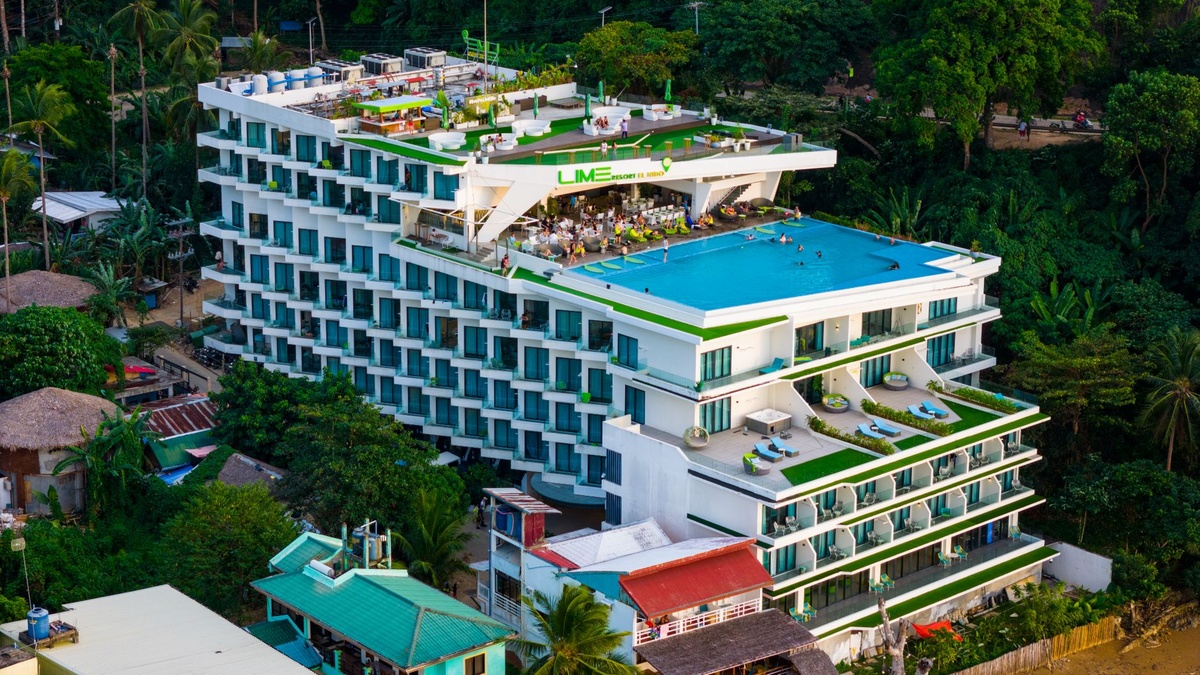
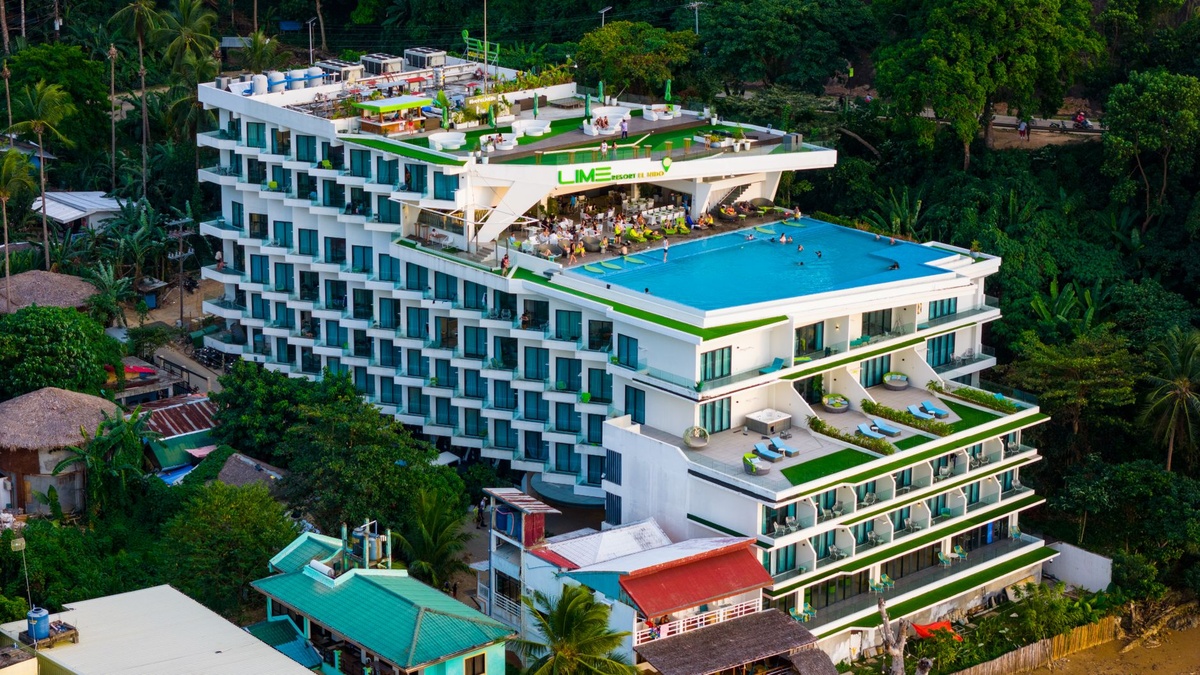
I wanted a cheap, slightly ridiculous remote-work month in Cambodia: half barefoot island life on Koh Rong Samloem, half city reset in Phnom Penh. The rule was simple: no roaming bill, no “maybe the hostel Wi-Fi works” optimism, and no paying digital-nomad prices for a country where lunch still costs $2.50.
Key Takeaways
- Best budget setup: one regional eSIM for arrival plus a local Smart or Cellcard SIM/eSIM in Phnom Penh from about $5–$10.
- Phnom Penh to Koh Rong Samloem takes 6–8 hours total: bus $13–$16 plus ferry about $14 one-way or $25 return.
- M’Pai Bay has better backpacker prices and workable mobile signal; Saracen Bay is prettier but more expensive and patchier for calls.
- Download Google Maps, ferry PDFs, Khmer address screenshots, and offline translation before the Sihanoukville ferry.
- August is wet-season cheap in Cambodia, with short storms and fewer crowds; September is even better for lower room rates.
The 30-Day Plan: Island First, City Second
My route was Phnom Penh airport → one night near Riverside → bus to Sihanoukville → ferry to Koh Rong Samloem → back to Phnom Penh for two productive weeks. That split mattered: the island was good for writing and slow mornings, while Phnom Penh was where I handled video calls, uploads, and admin.
Distance-wise, Phnom Penh to Sihanoukville is about 225 km. Giant Ibis and Larryta buses usually take 4.5–6 hours and cost $13–$16 via Giant Ibis, Larryta, Camboticket, or 12Go; a private taxi is faster at 3.5–4 hours but costs $65–$90.
The ferry from Sihanoukville Autonomous Port to Koh Rong Samloem takes 45–75 minutes depending on sea conditions and stops. Speed Ferry Cambodia, GTVC, Buva Sea, and Island Speed Ferry sell tickets from about $14 one-way or $25 return; buy online, but still arrive 45 minutes early because pier logistics are chaotic after rain.
| Segment | Budget Option | Faster Option | My Pick |
|---|---|---|---|
| Phnom Penh Airport to Riverside, 11 km | PassApp tuk-tuk: $4–$7, 35–60 min | Airport taxi: $12–$15, 30–45 min | PassApp, unless arriving after midnight |
| Phnom Penh to Sihanoukville, 225 km | Bus: $13–$16, 4.5–6 hr | Taxi: $65–$90, 3.5–4 hr | Giant Ibis morning bus |
| Sihanoukville to Koh Rong Samloem | Ferry: $14 one-way, 45–75 min | Private boat: often $80+ | Regular ferry, booked the day before |
Skip the afternoon bus if you’re ferry-bound. A 2:30 p.m. delay in Phnom Penh can mean missing the last island boat, paying $18–$25 for a basic Sihanoukville room, and losing a workday.
My eSIM Stack: Cheap, Redundant, and Not “Unlimited”
Here’s the blunt version: unlimited eSIMs are usually bad value for backpackers in Cambodia. They’re convenient, but for 30 days of real remote work, I’d rather stack a cheap eSIM with a local data plan than pay $70+ for “unlimited” that may throttle when I need Zoom.
I used a regional eSIM for arrival, maps, banking codes, and ferry-day backup. Then I bought local Cambodian data in Phnom Penh for heavy use, because local networks are far cheaper than travel eSIM marketplaces.
| Plan Type | Typical Aug 2026 Price | Best For | Downside |
|---|---|---|---|
| Airalo Cambodia eSIM | About $4.50–$13 for 1–5 GB | Landing, maps, WhatsApp, ferry transfer day | Too pricey for 30 GB+ remote work |
| Nomad Cambodia / APAC eSIM | About $8–$20 for 3–10 GB | Regional trips through Thailand, Vietnam, Cambodia | Network routing can add latency |
| Jetpac Asia-Pacific eSIM | About $18–$25 for 10–15 GB | Good-value regional backup | Check Cambodia network partner before buying |
| Holafly Cambodia unlimited | Roughly $69–$79 for 30 days | People who hate monitoring data | Expensive for backpackers; hotspot rules vary |
| Local Smart / Cellcard data | Often $5–$10 for large monthly bundles | Zoom, uploads, hotspotting laptop | Requires shop visit and passport |
My actual 30-day data use was 23.6 GB: about 8.4 GB on calls, 5.2 GB on cloud docs and uploads, 4.1 GB on maps/music/messages, and the rest on app updates I should have blocked. One hour of Zoom at 720p can burn 800 MB–1.2 GB; one full day in Google Docs and Gmail was usually under 300 MB.
If you want a premium bundled eSIM with extras like support perks, read our Saily Ultra eSIM review first. My opinion for Cambodia: premium plans are nice for business travelers, but overkill if your bed costs $8 and your dinner is fried noodles.
Koh Rong Samloem: Where Mobile Data Actually Worked
Koh Rong Samloem is not one island experience; it’s several small realities connected by boats, jungle tracks, and unreliable assumptions. M’Pai Bay was the best fit for budget remote work because rooms were cheaper, restaurants stayed open later, and mobile signal was more forgiving near the village and ridge.
Saracen Bay is the postcard beach, but I would not base a 30-day work trip there unless your workload is mostly offline. It’s beautiful, yes, but a $35 bungalow with weak Wi-Fi is worse value than a $10 dorm near a workable 4G pocket.
For stays, The Cliff Hostel in M’Pai Bay usually runs about $7–$10 for dorms and $18–$25 for basic private rooms; sunset views are excellent, but the hill climb is sweaty. Onederz Koh Rong Samloem on Saracen Bay is cleaner and more polished, with dorms around $8–$14, but food nearby costs more.
My signal rule was simple: test before unpacking. At M’Pai Bay pier I saw usable 4G for messaging and light browsing; near The Cliff, speeds were better for uploads; inside some wooden bungalows, data dropped from workable to useless.
- Best island work zone: M’Pai Bay village edge or higher ground near The Cliff.
- Best beach-offline zone: Lazy Beach, reached by a 20–30 minute jungle walk from Saracen Bay.
- Worst work assumption: “The hostel has Wi-Fi” — many networks collapse when 20 people return from the beach.
- Best power habit: charge laptop and power bank by 5 p.m.; outages are more annoying after storms.
Food is cheap if you avoid resort menus. In M’Pai Bay, simple Khmer curry or fried rice was $2.50–$4, while Western breakfasts were $4–$6; on Saracen Bay, similar meals often jumped to $5–$8.
Skip the resort pizza unless you’re desperate. Do a Khmer rice plate at a village restaurant instead: $3 versus $8, faster service, and less chance of regretting imported cheese on a humid island.
Phnom Penh: The Productivity Reset
After island life, Phnom Penh felt like fiber-optic civilization. It’s noisy, hot, and not cute in the effortless way Chiang Mai is, but it’s far better for getting work done than most travelers admit.
I stayed near Riverside because it kept logistics easy: ferries/buses arrive centrally, cafés are close, and PassApp rides to BKK1 or Russian Market are usually $1.50–$3.50. Dorms at Onederz Phnom Penh and Mad Monkey often sit around $7–$12; private budget rooms range from $18–$35, and you can compare hotels in Phnom Penh if you want air-con and a desk.
For serious work, cafés beat hostel lounges. Brown Coffee near Riverside typically opens around 6:30 a.m.–9:00 p.m., has iced lattes around $2.50–$3.25, and is better for two-hour work blocks than pretending a dorm common room is an office.
Workspace 1 at Factory Phnom Penh is stronger for calls, with day passes commonly around $8–$12 and weekday hours around 8:00 a.m.–6:00 p.m. The trade-off: it’s about 7–9 km from Riverside, so a PassApp car can cost $4–$7 each way in traffic.
For food, David’s Noodle is still my favorite cheap central meal: hand-pulled noodles around $3–$4 and opening hours usually late morning to about 9:00 or 10:00 p.m. Eleven One Kitchen is better for a proper sit-down Khmer meal, with mains around $4.50–$7 and hours roughly 7:00 a.m.–9:00 p.m.
Skip working from the riverside bars. A $1 draft beer becomes expensive when the Wi-Fi fails, the fan points at someone else, and your “quick call” competes with scooter horns.
The Offline “Rescue” Tactic I’ll Use Every Island Trip Now
The biggest mistake travelers make with eSIMs is treating them like magic. An eSIM gives you access to a network; it does not create a tower on a jungle island, fix a dead phone battery, or help when your ferry booking PDF is trapped in Gmail with no signal.
My rescue system takes 20 minutes before leaving Phnom Penh. It saved me once when a storm delayed ferries, mobile data crawled, and the ferry office wanted to see a booking reference I couldn’t reload online.
- Download offline maps: Save Phnom Penh, Sihanoukville, and Koh Rong Samloem in Google Maps; add Maps.me as a second offline map because footpaths can differ.
- Screenshot everything: Ferry ticket, hostel address, passport photo page, eSIM QR code, bus ticket, and emergency contact numbers.
- Save Khmer text: Put your destination in Khmer in Notes; “Sihanoukville Autonomous Port” is easier to show than pronounce in traffic.
- Create a signal ladder: Mark three places where you’ll try data in order: pier, open beach, higher ground; indoors is last, not first.
- Carry a $10 cash buffer: ATMs are not guaranteed on the island, and card terminals fail faster than mobile data.
The key comparison: a 10,000 mAh power bank costs $12–$18 in Phnom Penh and can recharge most phones twice; one missed ferry and emergency hotel in Sihanoukville can cost $40–$70. Buy the power bank before you need it.
I also disable auto-updates on travel days. iCloud Photos, WhatsApp backups, and app updates can chew through 3–5 GB overnight, which is absurd when your entire backup eSIM may only be 5 GB.
August 2026 Timing: Wet Season, Cheap Beds, Dark Skies
August in Cambodia is not dry-season brochure weather. Expect hot, humid days around 28–32°C, sudden afternoon rain, and ferry delays when storms roll through the Gulf of Thailand.
That said, August is exactly when backpackers can squeeze value out of the islands. While southern Europe is pushing 40°C and northern Europe is still charging peak summer rates, Koh Rong Samloem rooms often soften by 15–30% compared with dry-season holiday weeks.
The Perseids meteor shower peaks around 12–13 August, and Koh Rong Samloem has the darkness for it if clouds cooperate. My tactic would be simple: don’t book a non-refundable island transfer that day, because the sky might be perfect or the rain might turn the sea into soup.
September is underrated too. Cambodia stays wet, but prices remain friendly, and if you’re also considering the Mediterranean, September is the real summer there: warm seas, fewer families, and less 40°C misery than August.
Final Budget: What 30 Days Cost Me
This was not a “$10 a day paradise” fantasy. Remote work needs backup data, air-con sometimes, coffee, and the occasional private room when your dormmate discovers speakerphone.
| Category | Backpacker Spend | Comfort Spend |
|---|---|---|
| Accommodation, 30 nights | $240–$360 in dorms | $600–$900 in basic privates |
| Food and coffee | $270–$390 | $450–$650 |
| Transport: PP ↔ island | $55–$75 | $120–$190 with taxis |
| eSIM + local data | $18–$35 | $60–$90 for unlimited-style plans |
| Coworking / café work | $40–$90 | $120–$200 |
| Total | $623–$950 | $1,350–$2,030 |
My sweet spot was about $1,050 because I mixed dorms, cheap privates, café days, and one coworking day per week in Phnom Penh. The data bill was tiny compared with accommodation, which is exactly why overbuying an eSIM makes no sense here.
My Verdict: Best Cheap Data Setup for This Route
For Koh Rong Samloem plus Phnom Penh, I’d do this again: buy a 3–5 GB Cambodia or Asia eSIM before flying, use it for arrival and backup, then get local Cambodian data in the city. That combo beats a single expensive unlimited eSIM on price and gives you redundancy when one network struggles.
Skip Saracen Bay if your trip depends on daily video calls. Stay in M’Pai Bay for cheaper beds and better backpacker infrastructure, then use Phnom Penh for upload-heavy work, coworking, and stable call days.
If you’re planning this for August or September 2026, build weather slack into ferry days and treat offline prep as part of your packing list. Save this guide, price-check your eSIM before departure, and don’t board the island ferry with your only ticket stored in an app that needs data.
Frequently Asked Questions
What is the best eSIM for Cambodia backpackers?
For budget travelers, the best setup is a small 3–5 GB travel eSIM from providers like Airalo, Nomad, or Jetpac plus a local Smart or Cellcard data plan in Phnom Penh. Expect to pay about $4.50–$20 for the travel eSIM and $5–$10 for a larger local bundle.
Does Koh Rong Samloem have good internet for remote work?
It has workable internet, not guaranteed good internet. M’Pai Bay is generally better for budget remote work than Saracen Bay, but video calls should be scheduled for Phnom Penh or tested from higher ground before committing.
How much does it cost to travel from Phnom Penh to Koh Rong Samloem?
Budget about $40–$55 one-way including a $13–$16 bus to Sihanoukville, local port transfer if needed, and a ferry ticket around $14. A taxi from Phnom Penh to Sihanoukville raises the total by $65–$90.
Is August a good time to visit Koh Rong Samloem?
August is wet season, so expect humidity, afternoon storms, and possible ferry delays. It is good for cheaper rooms and fewer crowds, and the Perseids meteor shower around 12–13 August can be excellent if skies clear.

About the Author: Tomáš Bzirský
Founder and editor of Distratech. Based in the Czech Republic, travelling regularly from Central Europe. Writes practical travel guides and travel-tech comparisons (eSIM, apps, airports) in six languages.