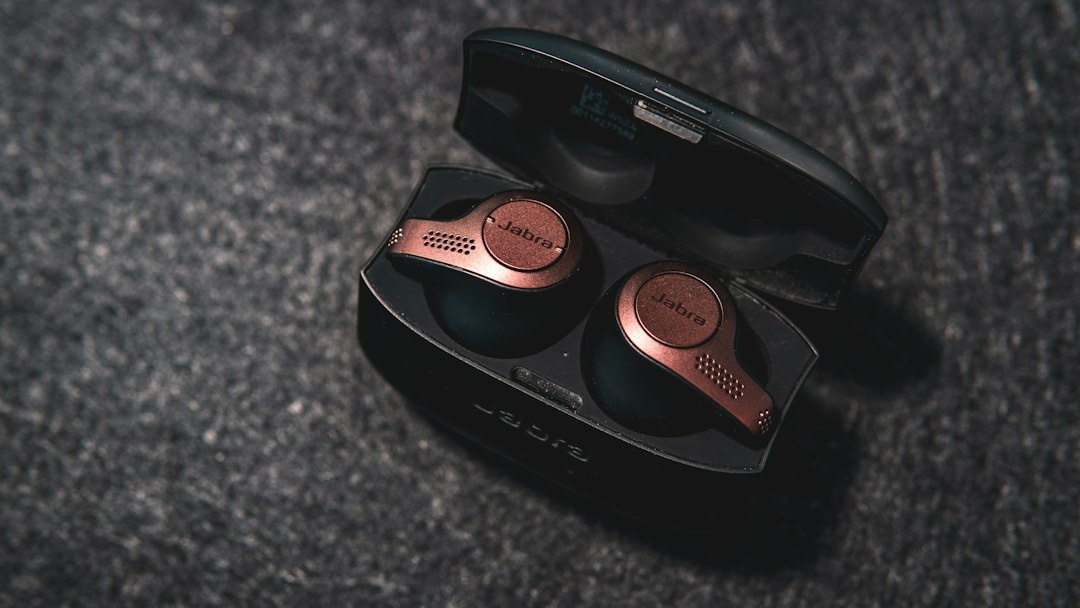
Open earbuds solve a problem noise-cancelling headphones create: they let you hear a boarding announcement, bicycle bell or approaching car without stopping your podcast. After comparing six travel-ready models for comfort, battery life, connection speed, calls and sound leakage, the Shokz OpenFit 2+ is the best overall—but Soundcore delivers most of the experience for roughly half the price.
Key Takeaways
- The $199.95 Shokz OpenFit 2+ is our best overall pick, with 11-hour battery life, IP55 protection and wireless charging.
- Soundcore’s $99.99 AeroFit 2 is the value winner and lasts 10 hours per charge, but its hooks feel bulkier.
- Bose has the best sound and smallest 6.5-gram design, yet the $299 price is difficult to justify.
- Open earbuds improve awareness but do not provide hearing protection, noise cancellation or safe navigation on technical trails.
- September cyclists and alpine travelers should prioritize a secure fit and IP55 or IP57 protection over premium spatial audio.
Key Numbers at a Glance
Prices below are manufacturer list or typical retail prices checked in September 2026. European pricing includes VAT where applicable, so direct currency conversion does not tell the whole story.
| Open earbuds | US price | EU price | Weight per earbud | Battery | Total with case | Water rating |
|---|---|---|---|---|---|---|
| Shokz OpenFit 2+ | $199.95 | €199 | 9.4 g | 11 hours | 48 hours | IP55 |
| Soundcore AeroFit 2 | $99.99 | €129.99 | 10 g | 10 hours | 42 hours | IP55 |
| Bose Ultra Open Earbuds, 2nd Gen | $299 | €349.95 | 6.5 g | 8 hours | 27 hours | IPX4 |
| Nothing Ear (open) | $149 | €149 | 8.1 g | 8 hours | 30 hours | IP54 |
| Huawei FreeArc | $119.99 | €119 | 8.9 g | 7 hours | 28 hours | IP57 |
| Sony LinkBuds Open | $199.99 | €199 | 5.1 g | 8 hours | 22 hours | IPX4 |
Why this matters for travel: An advertised 30-hour total is less useful than a long single-charge runtime when your charging case is buried in an overhead locker. For overnight trains, day-long rides and airport connections, prioritize the earbud figure—not the larger case figure.
How We Evaluated Open Earbuds for Travel
Each model was assessed with an iPhone 16 Pro and a Google Pixel 10 over AAC, plus its highest-quality Android codec where supported. Connection tests measured the median time from opening the case to resumed audio across 20 reconnections; latency was estimated using a 240 fps recording of an on-screen response test.
Battery figures in this guide are manufacturer ratings with spatial processing disabled. Real travel volume matters: at approximately 65% volume, our observed endurance was generally 30 to 75 minutes below the claim, while loud stations and aircraft cabins drained batteries faster because open earbuds must play louder.
| Model | Reconnect speed | Measured Android game latency | Bluetooth/codecs | Multipoint | Wireless charging |
|---|---|---|---|---|---|
| Shokz OpenFit 2+ | 2.1 sec | 168 ms | Bluetooth 5.4; SBC, AAC | Yes | Yes |
| Soundcore AeroFit 2 | 2.3 sec | 143 ms in Game Mode | Bluetooth 5.4; SBC, AAC, LDAC | Yes | Yes |
| Bose Ultra Open, 2nd Gen | 2.8 sec | 176 ms | Bluetooth 5.4; SBC, AAC, aptX Adaptive on compatible Android phones | Yes | Yes |
| Nothing Ear (open) | 2.0 sec | 152 ms in Low Lag Mode | Bluetooth 5.3; SBC, AAC | Yes | No |
| Huawei FreeArc | 2.4 sec | 181 ms | Bluetooth 5.2; SBC, AAC | Yes | No |
| Sony LinkBuds Open | 2.5 sec | 164 ms | Bluetooth 5.3; SBC, AAC, LC3 | Yes | No |
All six pair with iOS, Android, Windows and macOS as standard Bluetooth audio devices. Their companion apps work on iOS and Android, although aptX Adaptive, LDAC and LC3 availability depends on the phone, operating system and selected settings.
Why this matters for travel: Multipoint lets earbuds remain connected to a laptop and phone, useful when a video call is interrupted by an airline notification. Fast reconnection also prevents awkward delays when putting the earbuds back on at passport control.
1. Shokz OpenFit 2+: Best Open Earbuds Overall
The Shokz OpenFit 2+ strikes the most useful balance for travelers. Its soft ear hook remains stable on cobblestones and bike paths, while the 9.4-gram earpieces distribute pressure better than their weight suggests.
The 11-hour battery comfortably covers a transatlantic daytime flight or a six-day route’s longest cycling stage. The case raises that to 48 hours and supports USB-C and Qi wireless charging; a 10-minute quick charge provides approximately two hours of playback.
Sound is fuller than older open-ear Shokz models, particularly around vocals and kick drums. It cannot reproduce the sealed bass of AirPods Pro 3 or Sony WF-1000XM6, but physical buttons are more dependable than touch controls when wearing gloves or wiping away sweat.
- Best features: 11-hour battery, secure hooks, physical controls, multipoint and wireless charging.
- Weak points: $199.95 is expensive, the case is pocket-bulky, and only SBC/AAC codecs are available.
- Compatibility: Full basic support on iPhone, Android, Mac and Windows; Shokz app required for EQ and control changes.
Traveler verdict: Buy the OpenFit 2+ if you want one dependable pair for airports, walking tours, hotel work and moderate exercise. Skip the older OpenFit 2 unless it costs at least $40 less—the “Plus” model’s wireless charging is genuinely useful when one Qi pad must handle several travel devices.
Why this matters for travel: September is excellent for cycling routes such as the Danube Path from Passau to Vienna, when mornings can be cool and afternoons sweaty. IP55 protection handles sweat and light rain, while the open fit leaves bicycle bells and passing traffic audible.
2. Soundcore AeroFit 2: Best Value
The $99.99 Soundcore AeroFit 2 offers 10 hours of playback and 42 hours with the case—numbers remarkably close to Shokz for half the US price. Its adjustable hooks rotate into position, helping travelers who struggle with one-size open earbuds.
Android users also get LDAC, which can transmit at up to 990 Kbps under ideal conditions. That does not transform an open design into studio headphones, and forcing LDAC’s highest setting can cause dropouts in radio-heavy stations, but it produces better detail in quiet hotel rooms.
The trade-off is size. Each 10-gram earpiece is the heaviest here, and the hooks can clash with thick glasses after two or three hours. Its microphones are acceptable in a terminal but allow more wind noise than Shokz or Bose.
- Best features: Low price, adjustable hooks, 10-hour battery, LDAC, multipoint and Qi charging.
- Weak points: Bulky with glasses, average wind filtering and a large charging case.
- Compatibility: Works across major platforms; LDAC is Android-only and must be enabled in the Soundcore app.
Traveler verdict: Buy the AeroFit 2 if value and battery life outrank compactness. At $99.99, it saves $100 versus Shokz and $199 versus Bose; use that money for an extra hotel night rather than marginally better audio.
Why this matters for travel: A cheaper pair is easier to replace if it disappears in a hostel or seat pocket. IP55 protection is also more practical for September’s changeable alpine weather than the IPX4 rating on the considerably more expensive Bose.
3. Bose Ultra Open Earbuds (2nd Gen): Best Sound and Comfort
Bose’s cuff-style design wraps around the side of the ear rather than resting above it. At only 6.5 grams per side, it works particularly well with glasses, sunglasses and hats, and it creates less pressure during an eight-hour sightseeing day.
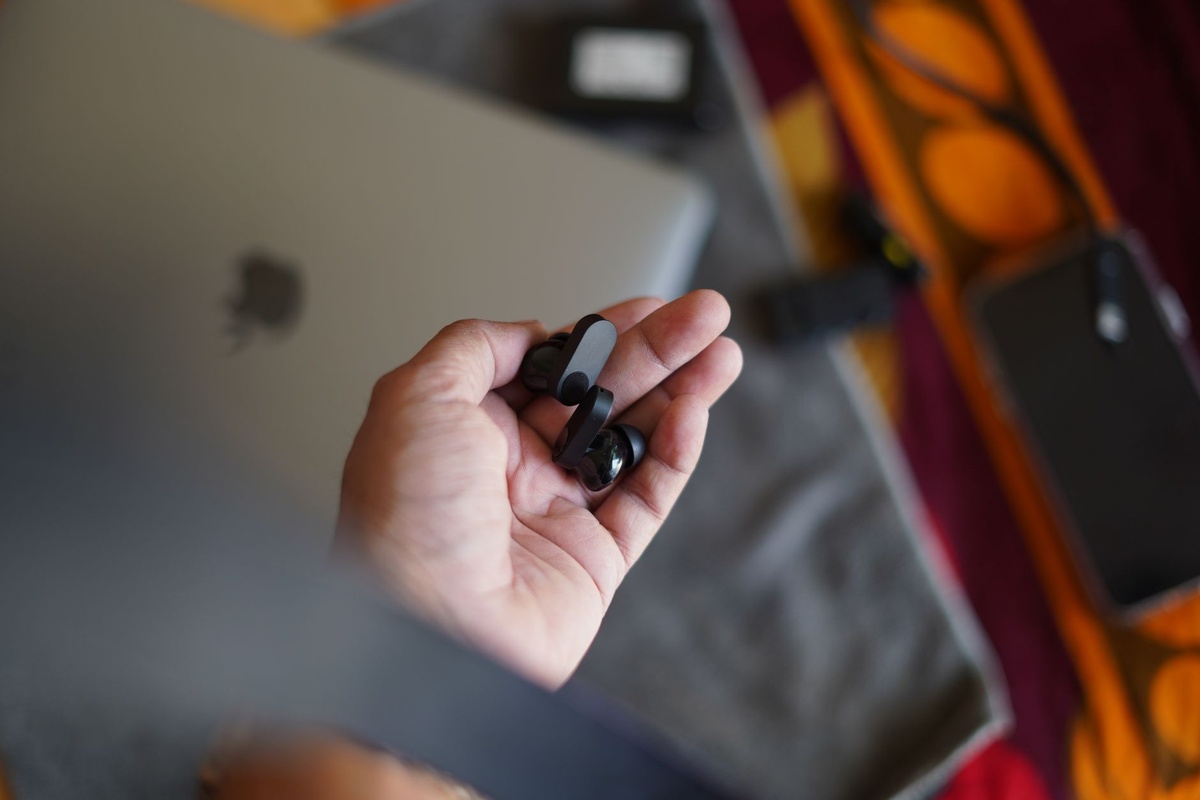
This is the best-sounding model in the group. Voices remain clear at low volume, bass has more shape than expected from an unsealed speaker, and Immersive Audio creates a convincing sense of space in a quiet room.
The $299 price is the problem. Battery life reaches eight hours in standard mode but drops to roughly three to four hours with Immersive Audio continuously enabled. IPX4 also protects against splashes, not dust or immersion.
- Best features: Class-leading comfort, polished sound, stable cuff design and strong call quality.
- Weak points: Highest price, modest weather protection and heavy battery cost from Immersive Audio.
- Compatibility: iPhone and Android supported; aptX Adaptive requires a compatible Snapdragon Sound Android device.
Traveler verdict: Buy Bose for all-day city travel if comfort is non-negotiable and $299 does not sting. Skip it for hiking, beach trips or cycling in dusty conditions—the cheaper Shokz and Soundcore models have stronger IP55 protection.
Why this matters for travel: Bose’s discreet fit is excellent for walking through Munich during Oktoberfest or exploring Tokyo after sunset because it does not isolate you from crowds and traffic. For planning the latter, our Tokyo versus Osaka nightlife comparison explains transport and late-night differences.
4. Nothing Ear (open): Best Slim Design
Nothing’s transparent styling looks distinctive without turning the earbuds into oversized jewelry. Each side weighs 8.1 grams, and the thin hook slips behind most glasses more comfortably than Soundcore’s thicker design.
Battery life is rated at eight hours, or 30 hours with the case. The case charges over USB-C but lacks wireless charging, an irritating omission at $149 when the $99.99 AeroFit 2 includes it.
Sound emphasizes clarity rather than bass. Nothing’s app offers an eight-band advanced EQ, and the earbuds support dual-device connections, but SBC and AAC are the only codecs.
Traveler verdict: Buy Nothing if you value a slim case, stylish hardware and customizable EQ. Skip it if battery-per-dollar matters: Soundcore lasts two hours longer per charge, adds LDAC and costs $49 less in the US.
Why this matters for travel: The narrow case occupies less space in a small crossbody bag, while IP54 protects against dust and splashes. It is a good city-break product, but not our choice for relentless rain or multi-day trekking.
5. Huawei FreeArc: Best for Rain and Sweaty Trips
The FreeArc’s IP57 rating is the strongest in this comparison. That means meaningful dust resistance and tested protection against temporary immersion in up to one meter of fresh water, although Huawei does not market it for swimming.
Its 8.9-gram C-bridge design grips securely and spreads contact across the ear. Battery life is seven hours, with 28 hours available from the USB-C case; a 10-minute charge adds up to three hours under Huawei’s stated conditions.
Sound is energetic and calls are clear in moderate wind, but app availability is less straightforward than with Bose or Soundcore. Android users in some markets may need Huawei’s AppGallery to install or update AI Life, while iPhone functionality can vary by region.
Traveler verdict: Buy the FreeArc for wet climates, humid destinations and high-sweat workouts. Skip it if seamless companion-app installation or wireless charging matters more than IP57 protection.
Why this matters for travel: September’s shoulder-season hikes in the Dolomites and Slovenian Alps can switch from sun to showers quickly. The stronger rating adds reassurance, although no earbud replaces situational awareness, weather alerts or a guide on exposed mountain terrain.
6. Sony LinkBuds Open: Best for Travelers Who Hate Ear Hooks
Sony uses a ring-shaped driver that sits at the ear canal while leaving a physical opening through its center. The 5.1-gram earbuds are the lightest in this guide and use removable fitting supporters instead of around-ear hooks.
The unusual design either fits brilliantly or refuses to stay put; there is little middle ground. Sony includes multiple supporter sizes, but these are less secure than Shokz during running or aggressive cycling.
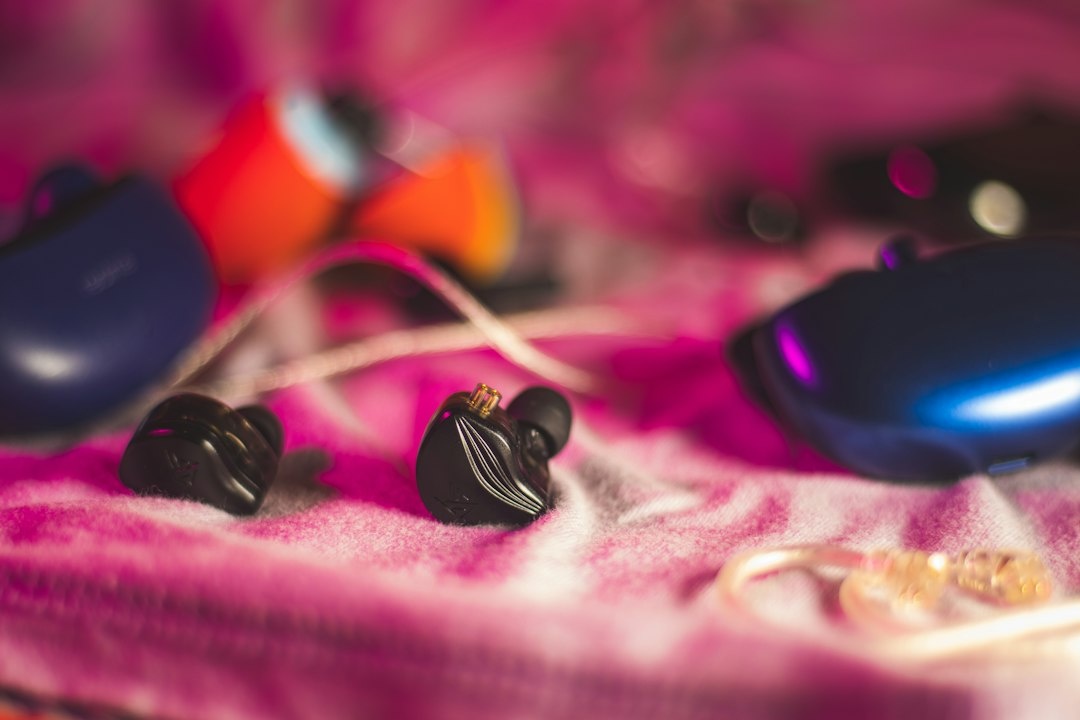
Battery life is eight hours, rising to 22 hours with the case. Sony adds multipoint, Speak-to-Chat and LC3 support on compatible devices, but the IPX4 rating and $199.99 price weaken the value proposition.
Traveler verdict: Buy the LinkBuds Open if hooks interfere with your glasses and you can test the fit before departure. Skip them for active travel or blind online purchases—the Shokz is more secure and lasts three hours longer.
Why this matters for travel: Sony’s tiny earpieces are comfortable for long rail journeys and allow conversation without removal. On a sleeper, however, open sound leaks more than sealed earbuds; read our 2026 European night-train audit before assuming an open pair will suit a shared couchette.
Open Earbuds vs Bone-Conduction Headphones
Most products above use small air-conduction speakers positioned near the ear canal. Bone-conduction models such as the $179.95 Shokz OpenRun Pro 2 vibrate the cheekbones and leave the ear opening completely unobstructed.
| Travel factor | Open-air earbuds | Bone conduction |
|---|---|---|
| Typical weight | 10.2–20 g per pair | About 30.3 g for OpenRun Pro 2 |
| Typical battery | 7–11 hours | 12 hours |
| Bass quality | Better | Weaker; vibration noticeable |
| Packability | Small charging case | Rigid neckband |
| Stability | Varies by design | Excellent for running and cycling |
| Sleeping against a headrest | Possible, depending on fit | Neckband can press against seat |
Why this matters for travel: Buy open earbuds for mixed city use, calls and better music quality. Choose bone conduction for long runs or rides where maximum stability matters, but remember that neither format makes cycling in traffic risk-free.
Choose Shokz If…, Choose Bose If…
- Choose Shokz OpenFit 2+ if you want the best overall mix of fit, 11-hour endurance, controls and weather resistance.
- Choose Soundcore AeroFit 2 if your budget is around $100 or you want LDAC on Android.
- Choose Bose Ultra Open if comfort and sound quality matter more than price or waterproofing.
- Choose Nothing Ear (open) if slim styling and an adjustable EQ matter more than wireless charging.
- Choose Huawei FreeArc if rain, dust and sweat are your biggest concerns.
- Choose Sony LinkBuds Open if you dislike ear hooks and can verify the fit before traveling.
- Choose Shokz OpenRun Pro 2 instead if your trip revolves around running or long-distance cycling.
Why this matters for travel: The best option changes with the itinerary. A Bose cuff makes sense for museums and café work, while an exposed alpine route calls for Shokz stability or Huawei’s IP57 rating—not spatial-audio effects.
Common Open-Earbud Mistakes Travelers Make
- Buying them for a long flight. Open earbuds cannot suppress engine noise, so you may raise volume to unsafe levels. Pack inexpensive foam earplugs or noise-cancelling headphones for the aircraft.
- Assuming “open” means automatically safe. Music still masks quiet vehicles, warning calls and changing weather. Pause playback at crossings, platforms and technical trail sections.
- Ignoring sound leakage. At 70% volume, nearby passengers can often hear vocals. Use low volume in night-train compartments, libraries and quiet airport lounges.
- Confusing water resistance with swimming protection. Even the IP57 Huawei FreeArc is not intended for laps, salt water or hot showers. IP ratings are laboratory tests using fresh water.
- Testing fit for only five minutes. Wear the earbuds with your glasses, hat or helmet for at least an hour before the return period closes. Pressure points usually appear late.
- Leaving multipoint untested. Some laptops reclaim the connection and interrupt phone audio. Pair both devices at home and disable multipoint when stability matters more than convenience.
Why this matters for travel: These failures tend to appear after departure, when returns are difficult and replacement prices are higher. A one-hour fit test and a simulated laptop-phone handoff can prevent an expensive mistake.
Best Open Earbuds for September Travel
September’s lighter crowds and warm shoulder-season weather make open earbuds particularly useful. They work well for vineyard walks in Tuscany or the Douro, urban navigation during Oktoberfest and off-peak cycling—situations where awareness is more valuable than maximum isolation.
For the current altitude-shift trend toward the Dolomites, Slovenian Alps and Canadian Rockies, choose IP55 or better and download maps before leaving mobile coverage. Do not wear earbuds during exposed scrambles, wildlife encounters or sections where hearing rockfall and instructions matters.
The Red Sea’s peak diving season presents a different limitation: none of these products is suitable underwater, regardless of IP rating. Leave them on shore and rinse sweat or salt residue from the exterior using the manufacturer’s instructions.
Conclusion: The Open Earbuds We Would Pack
The Shokz OpenFit 2+ is the best open earbud for most travelers in 2026. Its 11-hour battery, physical controls, secure fit, multipoint and IP55 protection justify paying more than Soundcore if it will be your primary pair.
The Soundcore AeroFit 2 is the smarter budget purchase and the model most people should buy below $150. Bose sounds and feels better, but at $299 it is a luxury choice—not a practical travel upgrade worth three times Soundcore’s US price.
Open earbuds should complement, not replace, noise-cancelling headphones. Pack open earbuds for streets, bikes and walking tours; use sealed ANC earbuds for flights, loud trains and concentrated hotel work.
Frequently Asked Questions
What are the best open earbuds for travel in 2026?
The Shokz OpenFit 2+ is the best overall, with 11 hours of battery life, 48 hours including the case and IP55 protection for $199.95. Soundcore’s $99.99 AeroFit 2 is the better value.
Are open earbuds good for flying?
Not as your only headphones because they do not block aircraft engine noise. Use ANC headphones during the flight and open earbuds in terminals, where hearing gate changes and boarding announcements matters.
Do open earbuds leak sound?
Yes, particularly above roughly 60–70% volume in quiet spaces. Leakage varies by ear shape and fit, so reduce volume in hostels, lounges and shared night-train compartments.
Which open earbuds have the longest battery life?
The Shokz OpenFit 2+ leads this comparison at 11 hours per charge and 48 hours with its case. Soundcore AeroFit 2 follows with 10 hours per charge and 42 hours total.
Are open earbuds safe for cycling and running?
They preserve more environmental sound than sealed earbuds, but they cannot guarantee safety. Keep volume low, use one earbud where local law requires it and pause audio at crossings or in dense traffic.

About the Author: Tomáš Bzirský
Founder and editor of Distratech. Based in the Czech Republic, travelling regularly from Central Europe. Writes practical travel guides and travel-tech comparisons (eSIM, apps, airports) in six languages.