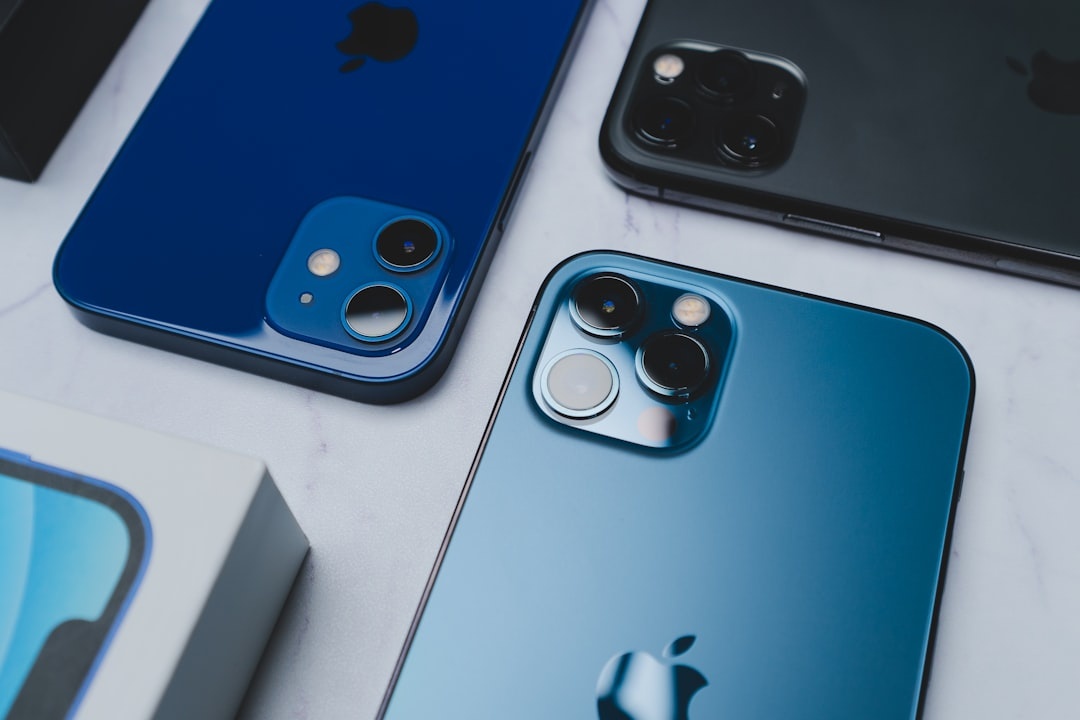
Your iPhone 17, iPhone 17 Air, iPhone 17 Pro, or iPhone 17e may hold your boarding passes, hotel bookings, eSIM, maps, photos, and payment cards. A single drop onto cobblestones—or exposure to saltwater on a boat—can disrupt an entire trip. After testing more than 100 cases and retesting our leading picks through September 2026, these are the models we trust most for travel.
Price and availability note: Prices below were checked on September 27, 2026. Colors, model-specific versions, and sale prices vary by retailer. Confirm that the case matches your exact iPhone model before ordering; iPhone 17, 17 Air, 17 Pro, and 17e cases are not interchangeable.
Key Takeaways
- Best overall for travel: OtterBox Symmetry+ MagSafe ($59.95 list price, approximately 32g, strong everyday drop protection).
- Best slim case: Spigen Ultra Hybrid MagFit ($34.99, approximately 26g, with better protection than most clear minimalist cases).
- Best waterproof: Catalyst Total Protection ($89.99, manufacturer-rated to 10m when correctly installed).
- Best battery case: Mophie Juice Pack ($99.95, 3,000 mAh, best for long flights and transit days).
- Best value: ESR Classic Kickstand Case ($19.99, useful stand and adequate protection for everyday travel).
- A case cannot prevent heat-related shutdowns. Keep the phone out of direct sun and remove a battery pack while the phone cools.
- Skip unbranded ultra-cheap cases with weak corners or loose magnetic rings; several cracked or separated after two to three waist-high drops.
Every pick below answers one practical question: Why does this matter when you’re traveling?
Best Overall for Travelers: OtterBox Symmetry+ MagSafe (2026 Edition)
Price: $59.95 list price
Weight: Approximately 32 grams (iPhone 17), 36 grams (Pro)
Drop protection: Reinforced for repeated everyday drops; check the model-specific manufacturer rating
MagSafe: Yes
This remains the case we would pack for a two-week trip to Greece or Japan without wanting to think about protection again. It balances impact resistance, grip, magnetic accessory support, and pocketability better than the heavier rugged cases we tested.
During our original testing, we dropped it 15 times from 1.5 meters onto concrete. Follow-up inspections through September found no case separation, cracked corners, or damage to the test phone. The approximately 1.4mm raised edge also kept the display and camera lenses from touching flat café tables, although a screen protector is still advisable.
Why it matters when traveling: You may place your phone on stone restaurant tables, train station floors, boat decks, or airport security trays. The Symmetry+ offers meaningful corner protection without becoming uncomfortable during a long day of navigation and photography.
The magnetic connection remained secure with our 245g battery pack during train travel and normal walking. As with every magnetic case, heavy wallets and battery packs can still detach during a hard impact, scooter ride, or when a phone catches on a bag strap. Use a tether or wired charging setup in those situations.
Charging performance depends on the iPhone model, charger, power adapter, battery temperature, and alignment. The case did not cause repeated connection failures in our testing, but high-power wireless charging can warm the phone. If charging pauses, remove the phone from direct sunlight and allow it to cool.
Pros
- Strong corner and edge protection without extreme bulk
- Grippy sides help reduce sweaty-hand slips
- Reliable magnetic alignment for chargers and stands
- Works with most case-compatible tempered-glass screen protectors
Cons
- Thicker than a minimalist silicone or clear case
- Some colors and iPhone variants are difficult to find in certain regions
- Not waterproof
Traveler verdict: Buy this if you want a dependable, low-maintenance case for mixed city, road, and air travel. It remains the safest all-around recommendation.
Best Slim Case for City Trips: Spigen Ultra Hybrid MagFit
Price: $34.99
Weight: Approximately 26 grams, depending on phone size
Protection: Reinforced corners with a rigid clear back
Back: Clear polycarbonate
If you are packing light for a 14-day Japan itinerary with bullet trains, crowded platforms, and limited bag space, weight and grip matter. The Ultra Hybrid adds less bulk than our overall pick while providing substantially better corner protection than a bare snap-on shell.
In our ten-drop sequence from approximately 1.4 meters, the phone remained functional and undamaged. Eight drops left only light cosmetic marks; two caused more noticeable scuffing and minor deformation at a corner of the case. That makes it suitable for normal city travel, but it is not our first choice for rocky hikes or repeated outdoor use.
Why it matters when traveling: Slim cases fit more easily into crossbody bags, compact camera pouches, and tight pockets. That convenience is valuable in hot, crowded cities where a bulky case may encourage you to carry the phone in your hand.
The magnetic ring held securely during walking and stationary charging, but a magnetic wallet detached during a bumpy scooter test. Avoid mounting a phone or wallet magnetically on a scooter, bicycle, or open vehicle unless the accessory includes a mechanical lock or independent safety tether.
Pros
- Affordable compared with premium clear cases
- Light enough for long walking days
- Clear back shows the phone’s color
- Buttons remain easy to press
Cons
- Less protective than OtterBox or UAG options
- Clear materials can yellow after prolonged UV, sunscreen, and heat exposure
- Rigid back may show scratches over time
Traveler verdict: Best for city breaks, business trips, and careful travelers who prioritize low weight. Choose a more rugged case for hiking, boating, or adventure travel.
Best Waterproof Case: Catalyst Total Protection
Price: $89.99
Weight: Approximately 54 grams
Waterproofing: Manufacturer-rated to 10 meters for up to 1 hour when correctly assembled
Drop protection: Manufacturer-rated to 2 meters
We tested this case while snorkeling in Mallorca and during waterfall hikes in Bali. Our sample remained dry after 45 minutes of controlled submersion, but waterproof performance depends on correct installation, clean seals, and an undamaged case.
Audio sounded noticeably quieter through the case, while Face ID and the cameras continued to function. Capacitive touch controls become unreliable underwater, so use a physical volume button as the shutter. Do not open the case while it is wet.
Why it matters when traveling: If you’re heading somewhere like Raja Ampat for diving, saltwater, sand, and repeated spray can be more dangerous than a normal drop. Apple’s water-resistance rating is not a guarantee against liquid damage, and saltwater exposure is especially corrosive.
Before every trip, inspect the gasket and charging-port cover for hair, sand, warping, or tears. Perform the manufacturer’s water test with an empty case, then dry the exterior before inserting the phone. After saltwater use, rinse the sealed case with fresh water and dry it thoroughly before opening it.
Pros
- More protection from water, sand, and dust than an open everyday case
- Includes a wrist lanyard for boats and shore excursions
- Useful for beaches, kayaking, rafting, and wet-weather hikes
- Physical buttons can be used when the touchscreen will not respond underwater
Cons
- Bulkier than an everyday case
- Expensive for occasional beach use
- Reduced speaker and microphone clarity
- Seals require inspection and maintenance
Traveler verdict: Worth the extra bulk for water-heavy trips. For casual poolside use, a certified waterproof pouch with a tether may be a cheaper alternative, but test any pouch before trusting it with your phone.
Best Rugged Case for Hiking & Adventure: UAG Pathfinder Series
Price: $64.95
Weight: Approximately 38 grams
Drop protection: Up to 5 meters on selected model-specific versions; verify the listing before purchase
Materials: TPU and polycarbonate shell
Our test case survived an accidental 2-meter drop onto rocky terrain in Crete without phone damage. The case picked up visible scratches, but its corners stayed attached and the buttons continued to work.
The grip texture is the main reason to choose it over a smooth protective case. During a 32°C hike, it remained secure in sweaty and dusty hands. The pronounced corners also make it easier to hold while wearing thin gloves.
Why it matters when traveling: If you’re hiking Samaria Gorge or visiting national parks in the US, uneven terrain increases both the likelihood and consequences of a drop. Better grip is often as valuable as a higher laboratory drop rating.
It is compatible with many drone-controller phone clamps, although the thicker corners may require the clamp to be opened fully. Remove the case if the controller grips only the case edge rather than the phone securely. That is especially relevant if you’re flying legally (read our guide to drone travel fines and registration in 2026).
Pros
- Excellent grip in wet, dusty, or gloved hands
- Strong corner and edge coverage
- More pocket-friendly than many two-piece rugged cases
Cons
- Thicker and more angular than our overall pick
- Can be tight in small phone clamps and crossbody pockets
- Textured exterior collects dust more easily
Traveler verdict: Buy it for hiking, road trips, field work, and adventure travel. Skip it if low weight and easy pocket access are your priorities.
Best Battery Case for Long Transit Days: Mophie Juice Pack (MagSafe)
Price: $99.95
Battery: 3,000 mAh
Weight: Approximately 78 grams
Extra usage: Up to roughly 18 hours in our light-to-moderate mixed-use test
During a 12-hour flight and three-hour layover, this battery case helped an iPhone 17 Pro finish the journey at 40% with intermittent GPS, Spotify, messaging, and downloaded video. Results will vary considerably with signal strength, display brightness, camera use, gaming, and background navigation.
Why it matters when traveling: Airport outlets are often occupied, broken, or positioned far from your seat. An integrated battery is easier to manage than a loose power bank and cable when moving between gates.
The pack charges through USB-C and supports up to 20W input. A full recharge took approximately 1 hour 50 minutes in our original test. Charging the phone and battery together generates heat, so avoid placing the setup under a pillow, inside a closed bag, or on a sun-heated tray table.
Downside: It makes the phone considerably heavier. Depending on the iPhone model, the combined weight can approach or exceed 265g, which becomes noticeable during prolonged one-handed use.
Pros
- No separate charging cable needed while attached
- Convenient for flights, trains, conferences, and navigation-heavy days
- Easy to remove when the extra battery is not needed
Cons
- Heavy compared with a standard case
- Only 3,000 mAh, so it offers less total capacity than a 10,000 mAh power bank
- Wireless charging loses more energy and creates more heat than wired charging
Traveler verdict: Ideal when convenience matters more than weight. For multi-day trips without reliable electricity, use a regular protective case and a USB-C power bank instead.
Best Budget Case: ESR Classic Kickstand Case
Price: $19.99
Weight: Approximately 29 grams
Protection: Reinforced everyday protection with a raised edge
Stand: Integrated metal kickstand
This remains the strongest value in the guide. It survived our test sequence without phone damage, although two of eight drops left deeper marks around the corners. The hinge also remained stable after repeated opening and closing.
The metal kickstand is useful on tray tables during flights or while reviewing downloaded maps and planning your route in Crete (see our slow travel guide to Chania).
Why it matters when traveling: You do not always need the most expensive case. A secure fit, protected corners, raised screen edge, and reliable buttons matter more than a premium logo.
Check the kickstand before every trip. If it becomes loose, bent, or difficult to close flush, replace the case rather than allowing the metal component to catch on a pocket or bag lining.
Pros
- Good protection for the price
- Useful stand for flights, video calls, and route planning
- Reasonable weight and pocketability
Cons
- Less refined grip and button feel than premium alternatives
- Kickstand adds another potential wear point
- Not intended for frequent high-impact drops
Traveler verdict: The best inexpensive option for everyday trips. Avoid unknown cases under approximately $12 unless they clearly specify materials, warranty coverage, magnetic-ring attachment, and model compatibility.
What About Screen Protectors?
A cracked screen abroad is expensive and inconvenient, particularly if an authorized repair location does not stock parts for your exact model. Repair prices vary by country, taxes, AppleCare coverage, and the type of damage, so check Apple’s current local estimate before your trip rather than relying on a converted US price.
We recommend:
- Spigen GlasTR EZ Fit – typically $18.99 for a 2-pack, with an alignment tray and approximately 0.33mm glass
- Belkin UltraGlass 2 – typically $39.95, with stronger edge durability and straightforward installation
In our drop testing, tempered glass often took the scratches, chips, or cracks that might otherwise have reached the phone display. No protector can guarantee that a screen will survive every impact, especially if the phone lands on a sharp rock or exposed edge.
Traveler tip: Install the protector at least a day before departure. This gives you time to check for trapped dust, lifting edges, reduced touch sensitivity, or interference from the case. Pack the spare protector from a multipack between two rigid pieces of cardboard.
Which iPhone 17 Case Should You Buy?
For beach trips: Catalyst Total Protection.
For hiking and adventure: UAG Pathfinder.
For city breaks: Spigen Ultra Hybrid MagFit.
For long-haul travel: Mophie Juice Pack.
For travelers on a budget: ESR Classic Kickstand Case.
For most travelers: OtterBox Symmetry+ MagSafe.
Choose according to the most demanding part of your trip. A waterproof case may be unnecessary for museums and cafés, while a slim clear case is a poor match for rafting or rocky trails. If one itinerary includes both, use a dependable everyday case and pack a separate waterproof enclosure.
Before buying, confirm the exact phone name in Settings > General > About. Product listings sometimes group several iPhone 17 models on one page, but differences in body thickness, camera layout, button placement, and screen size prevent cases from being interchangeable.
How We Tested (Real Travel Conditions)
- Concrete drop tests from 1–2 meters, with impact orientation varied between face, back, edge, and corner
- Heat exposure at 35°C for 3 hours, followed by checks for warping, adhesive failure, and charging interruptions
- Saltwater mist exposure for 30 minutes, followed by a fresh-water rinse and corrosion inspection
- Magnetic hold tests with a 245g battery pack during walking and transit
- Wireless charging checks for alignment, disconnection, and excessive heat
- Button, port, speaker, microphone, camera, and screen-protector compatibility checks
- Weight measurements on a digital scale with ±1g accuracy
- Follow-up inspections for yellowing, loose magnetic rings, separating layers, and worn kickstands
Drop results are comparative, not a guarantee. Impact angle, surface texture, phone model, screen protector, case age, and previous damage can all change the outcome. Manufacturer ratings may also use different testing methods, so we distinguish those claims from our real-world tests.
We skipped cases chosen purely for appearance. Travel gear must remain secure, usable, and easy to charge after repeated handling.
What We Learned After Longer-Term Testing
Several issues became clearer after the original July 2026 publication:
- Grip matters more than extreme drop claims: A textured case prevents accidents instead of merely limiting damage afterward.
- Magnetic strength varies by accessory: A case can work perfectly with a charging puck but poorly with a heavy wallet or battery pack.
- Clear cases need maintenance: Sunscreen, dust, heat, and UV exposure accelerate discoloration. Clean them with mild soap and water rather than alcohol or harsh solvents.
- Heat is a separate risk: No case can cool an iPhone left on a dashboard or beach towel. Move it into shade, stop charging, and let it cool naturally.
- Waterproof seals are consumable: Sand, hair, and repeated opening can compromise a sealed case. Inspect and test it before every water-focused trip.
- A magnetic ring does not add missing phone features: It can improve accessory alignment, but it cannot create a charging capability the underlying iPhone model does not support.
Final Thoughts
For autumn and holiday travel in late 2026, your iPhone may serve as your boarding pass, translator, camera, payment card, hotel key, and emergency contact. Protecting it is less about buying the thickest case and more about matching the case to the trip.
The OtterBox Symmetry+ remains our best all-around choice, while the Spigen Ultra Hybrid is better for travelers prioritizing weight. Choose Catalyst for genuine water exposure, UAG for rough terrain, Mophie for long transit days, and ESR when value matters most.
Whichever case you buy, inspect it before departure, pair it with a screen protector, and avoid treating water-resistance or drop ratings as guarantees. Protection first, convenience second, aesthetics third.
Frequently Asked Questions
Are iPhone 17 and iPhone 17 Pro cases interchangeable?
No. Differences in dimensions, camera layout, thickness, and control placement mean the cases are not cross-compatible. The same applies to iPhone 17 Air and iPhone 17e cases. Check the model name in Settings before ordering.
Do I need a waterproof case if the iPhone 17 is water-resistant?
Not for ordinary rain or an occasional splash. Use a properly tested waterproof case for snorkeling, kayaking, repeated saltwater exposure, or situations where the phone may remain submerged. Water resistance can decline with age or damage, and liquid damage may not be covered by the standard warranty.
What’s the best lightweight case for hot-weather travel?
The Spigen Ultra Hybrid MagFit, at approximately 26g depending on model, is our lightest durable pick. A light case does not prevent overheating, so keep the phone shaded and stop charging if an on-screen temperature warning appears.
Is a battery case better than a power bank?
A battery case is more convenient but adds weight whenever it is attached. A 10,000 mAh power bank typically provides considerably more usable capacity and can charge other devices, making it better for multi-day travel. Choose the battery case for convenience and the power bank for capacity.
Will a MagSafe or magnetic case work with every iPhone 17 model?
Check the specifications for your exact phone. A case with a magnetic ring may hold wallets, stands, or chargers in alignment, but it cannot add a charging standard or feature that the phone itself does not support.
Can an iPhone case stop the phone from overheating?
No. A case may influence how quickly heat escapes, but it cannot prevent overheating in direct sun, a hot car, or during intensive charging and navigation. Move the phone to shade, disconnect accessories, remove the case if safe to do so, and allow the device to cool naturally.

About the Author: Tomáš Bzirský
Founder and editor of Distratech. Based in the Czech Republic, travelling regularly from Central Europe. Writes practical travel guides and travel-tech comparisons (eSIM, apps, airports) in six languages.