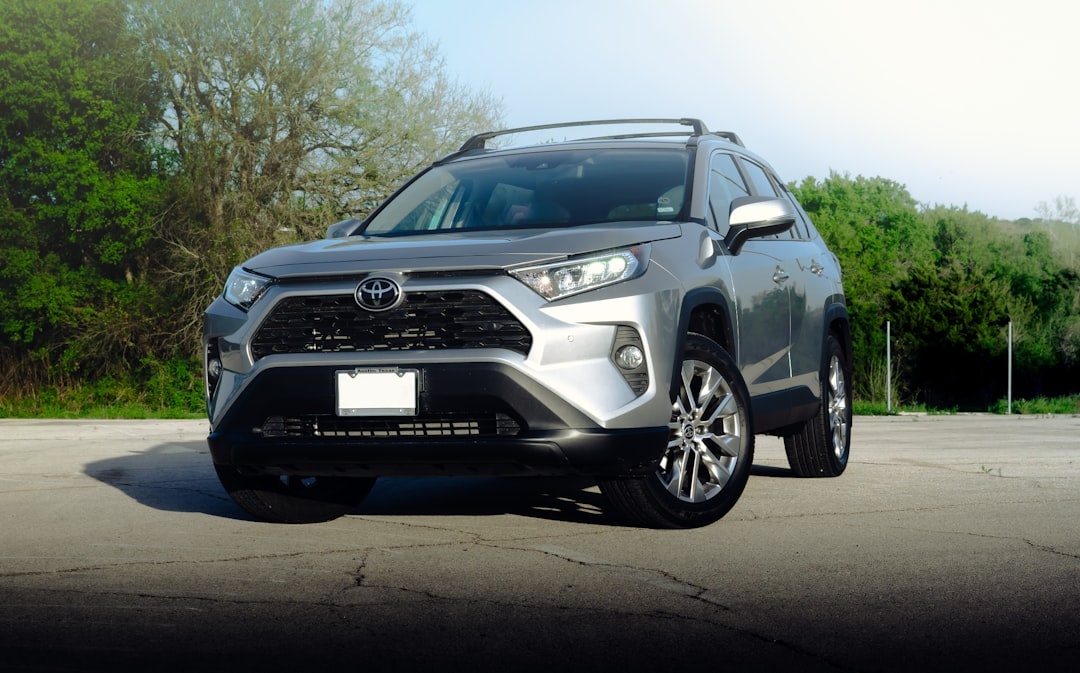
Peak summer 2026 means packed Mediterranean highways, sold‑out rental cars in Italy, and family road trips everywhere. If you’re driving instead of flying this July, fuel stops are slow, expensive, and crowded.
The 2026 Toyota RAV4 Plug‑In fixes that with one simple upgrade: a much larger battery that lets most daily driving happen on electricity alone. For travelers, that means fewer gas stops, lower costs, and quiet early‑morning departures from campsites or Airbnbs.
Key Takeaways
- Estimated 22.7 kWh battery delivers up to ~60 miles (97 km) of electric range per charge.
- Combined output around 302 hp; 0–60 mph in about 5.8 seconds.
- Expected pricing: from ~$43,000 (SE), ~$47,000 (XSE); federal/state incentives may apply.
- Level 2 charging (6.6 kW) refills the battery in roughly 3 hours at hotels or home.
What’s New for 2026 — And Why Travelers Should Care
The headline change is battery size. The 2026 RAV4 Plug‑In uses an estimated 22.7 kWh lithium‑ion pack (up from ~18.1 kWh in older versions), pushing electric range to roughly 60 miles under EPA testing.
Why this matters when you’re traveling: 60 miles covers most day trips from a base city — think Florence to Chianti and back, or Barcelona to Costa Brava beaches — without burning a drop of gas. If you’re staying in one place for a week, you can effectively treat it like an EV.
Combined system output remains strong at around 302 horsepower from a 2.5‑liter four‑cylinder engine plus dual electric motors. It’s all‑wheel drive by default.
Travel benefit: Fully loaded with luggage (RAV4 cargo space: 33.5 cubic feet behind rear seats), you still get brisk acceleration for highway merges, even on mountain routes in the Alps or Rockies.
Real‑World Electric Range: Can You Actually Skip Gas?
Toyota estimates up to ~60 miles of EV range. In mixed summer driving at 75–85°F (24–30°C), expect 50–58 miles with A/C running.
At highway speeds (70–75 mph), range drops closer to 45–50 miles. In city traffic — common during peak July tourism — regenerative braking helps you get closer to the full estimate.
Why this matters when you’re traveling: If you’re based near a national park or coastal town, you can do multiple short sightseeing drives daily without refueling. That’s ideal during peak season when rural gas stations close early or have long lines.
Once the battery depletes, it operates like a highly efficient hybrid, returning an estimated 38–40 mpg combined.
Charging on the Road: Hotel Reality Check
The onboard charger supports up to 6.6 kW AC charging. On a Level 2 charger (240V), a full recharge takes about 3 hours. On a standard 120V outlet, expect 10–12 hours.
Why this matters when you’re traveling:
- Arrive at a hotel at 6 pm.
- Plug into a 240V destination charger.
- Wake up at 7 am with a full battery.
You’ve just “refueled” overnight without visiting a gas station. In crowded summer destinations — Amalfi Coast, Croatian islands (where we recommend taking an August Adriatic ferry instead of a cruise) — that’s a time saver.
Unlike full EVs, you don’t need DC fast charging infrastructure. If the hotel charger is occupied, you can simply use gasoline the next day.
Cost Per Mile: Electricity vs Gas in 2026
Let’s run numbers.
Average U.S. residential electricity price (mid‑2026): ~$0.18 per kWh. A full 22.7 kWh charge costs about $4.09.
If that gives you 55 miles of real‑world range, you’re paying roughly $0.074 per mile.
At $3.80/gallon and 40 mpg hybrid efficiency, gasoline costs about $0.095 per mile.
Why this matters when you’re traveling: On a 1,000‑mile summer road trip, maximizing electric miles could save $20–$40. Not life‑changing — but add peak tourist gas markups in Europe ($7–9 per gallon equivalent), and savings climb fast.
In countries with cheap public AC charging (Spain, parts of France), the math gets even better.
Interior Tech for Road Warriors
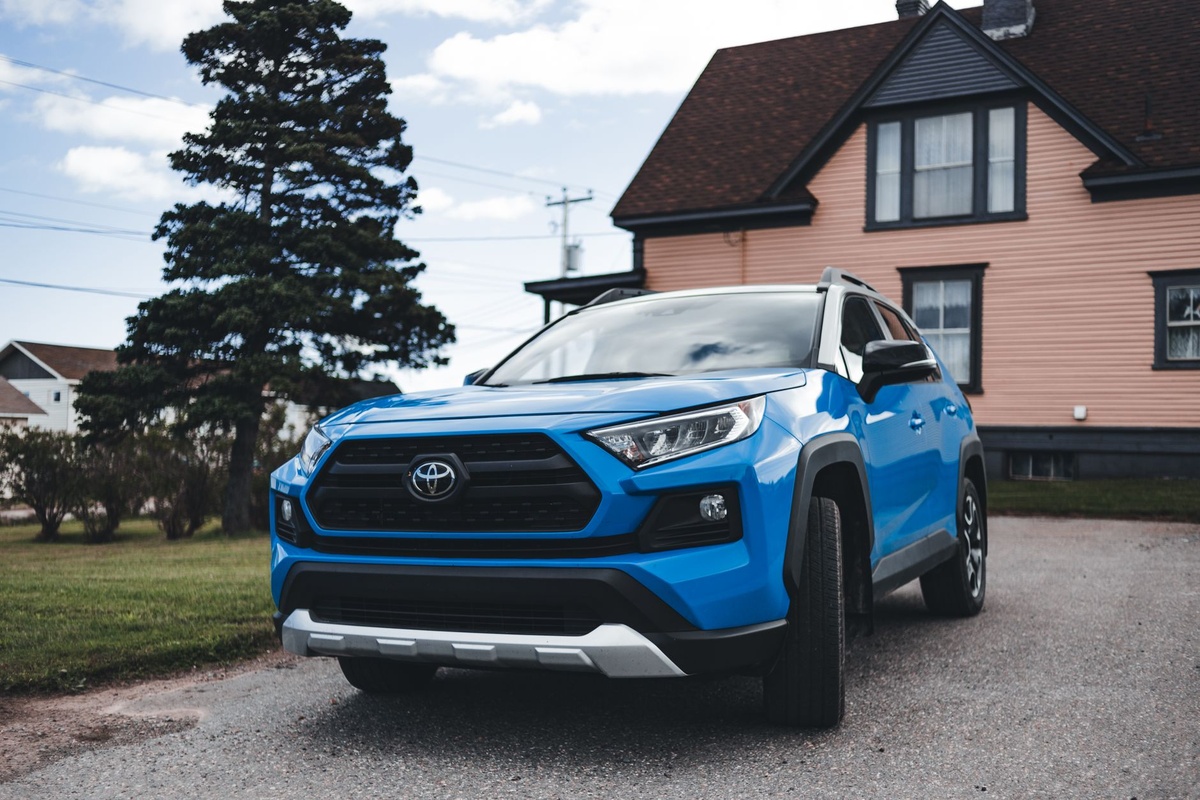
The 2026 model features a 12.3‑inch digital gauge cluster and up to a 12.3‑inch infotainment touchscreen. Wireless Apple CarPlay and Android Auto are standard.
USB‑C ports deliver up to 27W charging — enough to fast‑charge an iPhone 17 Pro from 0–50% in about 30 minutes.
Why this matters when you’re traveling: You don’t need a 12V adapter jungle. Four passengers can charge devices simultaneously without fighting over ports.
Toyota’s native navigation integrates charging station data, but most travelers will rely on Google Maps or ABRP (A Better Route Planner) for planning EV‑heavy days.
Cargo, Weight, and Practicality
Curb weight is approximately 4,300 lbs (1,950 kg). That’s heavier than the standard hybrid but still manageable.
Cargo capacity: 33.5 cubic feet (949 liters) behind rear seats, expanding to about 63.2 cubic feet folded.
Why this matters when you’re traveling: It easily handles:
- Two large 23 kg checked bags
- Two carry‑ons
- A 55‑liter hiking backpack
- A folded travel crib
For comparison, a Tesla Model Y offers more total cargo (76 cubic feet with seats folded), but you’re committing to full EV charging logistics.
RAV4 Plug‑In vs Tesla Model Y vs Honda CR‑V Hybrid
Tesla Model Y Long Range (2026)
Price: from ~$48,990
Range: ~330 miles (full EV)
DC fast charging: Yes
Buy it if you want zero gas ever and are comfortable planning charging stops. Skip it if you’re road‑tripping in rural regions with inconsistent fast chargers.
Honda CR‑V Hybrid (2026)
Price: from ~$34,500
Electric‑only range: None
Fuel economy: ~40 mpg
Buy it if you want lower upfront cost and don’t care about plugging in. Skip it if you have easy access to home or hotel charging.
2026 Toyota RAV4 Plug‑In
Price: from ~$43,000
Electric‑only range: ~60 miles
Fuel economy (hybrid mode): ~38–40 mpg
Traveler sweet spot: It’s the least stressful option for mixed infrastructure trips — like combining urban Spain with rural Portugal, or national parks plus small towns.
Summer 2026 Use Cases
1. Mediterranean Road Trips
July traffic in southern Europe means lots of slow driving — perfect for EV efficiency. You’ll maximize regenerative braking and minimize gas use.
Charging overnight at agriturismos or boutique hotels turns the RAV4 into a “local EV” for daily exploring.
2. Southeast Asia Green Season
If you’re doing contrarian monsoon travel (we broke down why it can actually be safer in our guide to Southeast Asia’s green season), short city drives between downpours favor electric operation.
And if infrastructure is spotty outside major cities? The gasoline engine removes range anxiety.
3. U.S. National Parks + Stargazing
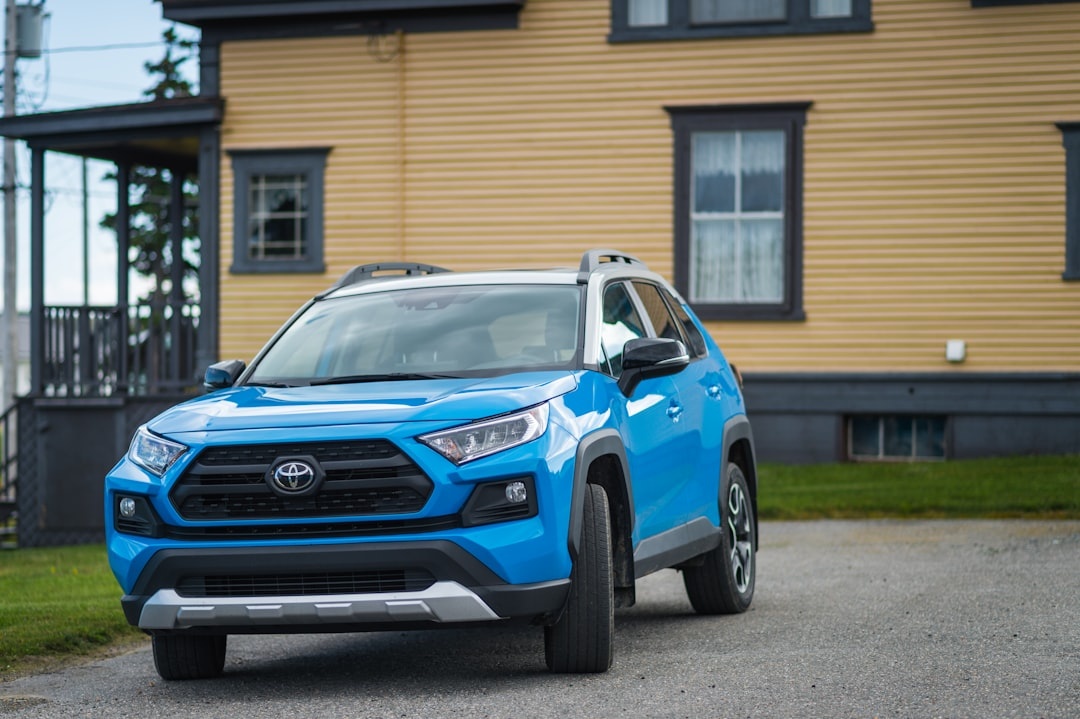
Heading out for Perseids meteor shower viewing in August? You can idle silently in EV mode near campsites without engine noise or fumes.
That’s a small but meaningful quality‑of‑life upgrade at 2 am under dark skies.
What We’d Skip: GR Sport Trim
Toyota’s sport‑themed versions add cosmetic tweaks and firmer suspension. They look good.
But for travelers: Skip it.
You’ll pay more (likely $2,000–$3,000 premium), get slightly harsher ride quality on broken rural roads, and gain no additional electric range.
Buy the XSE with the larger screen and better seats instead. Comfort beats styling on 5‑hour drives.
Downsides You Should Know
- No DC fast charging — you’re limited to Level 2 speeds.
- Heavier than standard hybrid, so handling feels less nimble.
- Real‑world EV range drops fast above 75 mph.
Why this matters when you’re traveling: If you’re planning 500‑mile highway days at high speeds, you’ll operate mostly as a hybrid anyway. The EV advantage shines in short‑hop tourism, not cannonball runs.
Traveler Verdict: Should You Buy It for Road Trips?
Buy it if:
- You can charge at home or most nights while traveling.
- Your trips involve short daily drives from a central base.
- You want EV benefits without EV stress.
Skip it if:
- You regularly drive 300+ highway miles in a single stretch.
- You have no access to charging.
- You want full electric and are ready for fast‑charge planning.
For peak summer 2026 travel — crowded roads, high fuel prices, slow scenic routes — the 2026 Toyota RAV4 Plug‑In hits a practical sweet spot.
It’s not the most exciting SUV. It’s not the cheapest. But it may be the most convenient for travelers who want to treat daily driving like an EV and still cross a country without hunting for chargers.
That’s freedom worth paying for.
Conclusion: The Hybrid That Thinks Like a Traveler
The big battery changes how you use the RAV4. Instead of being a hybrid that occasionally plugs in, it behaves like an EV that occasionally needs gas.
In a summer where airports are chaotic and trains are sold out (just ask anyone who tried booking the Bernina Express in July), having your own flexible, semi‑electric road trip machine feels like a smart hedge.
If you road‑trip often and can charge overnight, the 2026 RAV4 Plug‑In is one of the most traveler‑friendly SUVs on sale this year.
Frequently Asked Questions
What is the electric range of the 2026 Toyota RAV4 Plug‑In?
EPA estimates are around 60 miles (97 km) on electricity alone, with real‑world summer driving typically delivering 50–58 miles per charge.
How long does it take to charge the RAV4 Plug‑In?
Using a 6.6 kW Level 2 charger, a full charge takes about 3 hours. On a standard 120V outlet, expect 10–12 hours for a complete refill.
Does the 2026 RAV4 Plug‑In support DC fast charging?
No, it does not support DC fast charging. It is limited to AC charging up to 6.6 kW, which is sufficient for overnight hotel charging.
How much does the 2026 Toyota RAV4 Plug‑In cost?
Pricing is expected to start around $43,000 for the SE trim and about $47,000 for the XSE, before any federal or state incentives.
Is the RAV4 Plug‑In good for long road trips?
Yes, especially for trips with short daily drives and overnight charging. For long 300+ mile highway days, it operates efficiently as a 38–40 mpg hybrid.

About the Author: Tomáš Bzirský
Founder and editor of Distratech. Based in the Czech Republic, travelling regularly from Central Europe. Writes practical travel guides and travel-tech comparisons (eSIM, apps, airports) in six languages.