I don’t sleep well in hotels. Or on red-eyes. Or in Airbnb bedrooms with mystery street noise and summer festival crowds outside.
Like a lot of frequent travelers, I rely on podcasts or white noise to shut my brain off. But sleeping in earbuds is uncomfortable, and blasting audio from your phone speaker in a shared room isn’t exactly polite.
This summer, I tested a thin under-pillow speaker on three trips — a beach week in Portugal, a long-haul flight to Buenos Aires, and a road trip across California. It’s now one of the few pieces of sleep tech I actually pack.
Key Takeaways
- The Snoozeband Sleep Speaker ($39.99) is 8mm thin, weighs 72g, and lasts up to 10 hours per charge.
- It sits under your pillow, delivering private audio without earbuds or disturbing roommates.
- Battery life covers most long-haul flights but not two nights without recharging.
- Best for side sleepers and light sleepers in hotels, hostels, or shared Airbnbs.
The Product: Snoozeband Sleep Speaker (2026 Model)
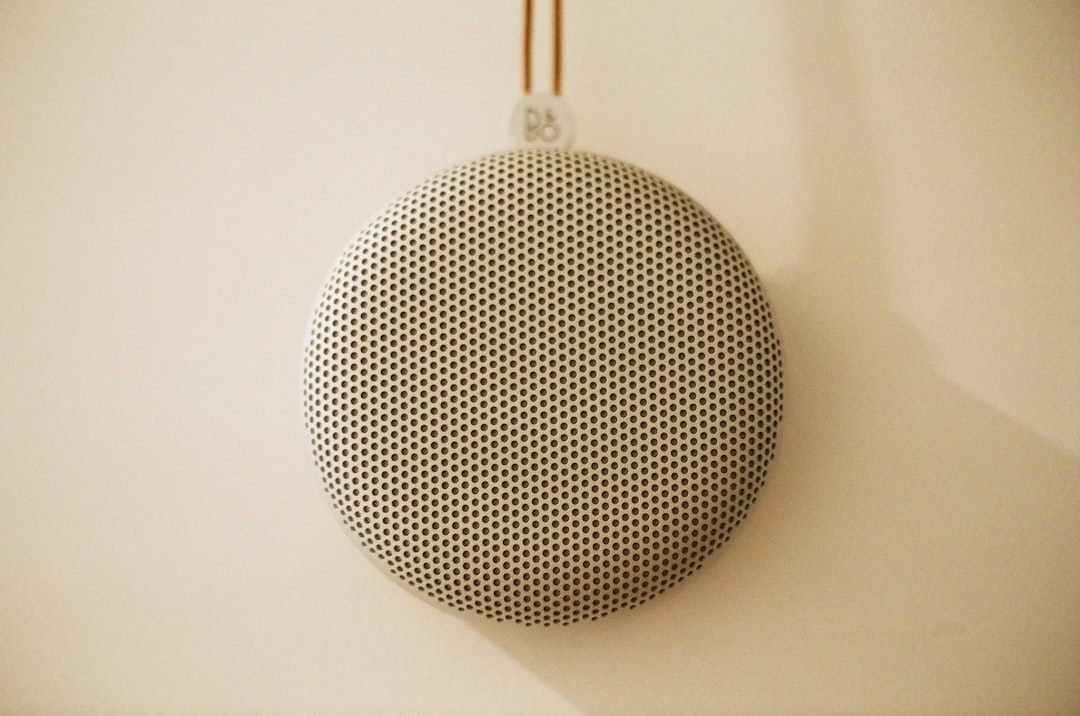
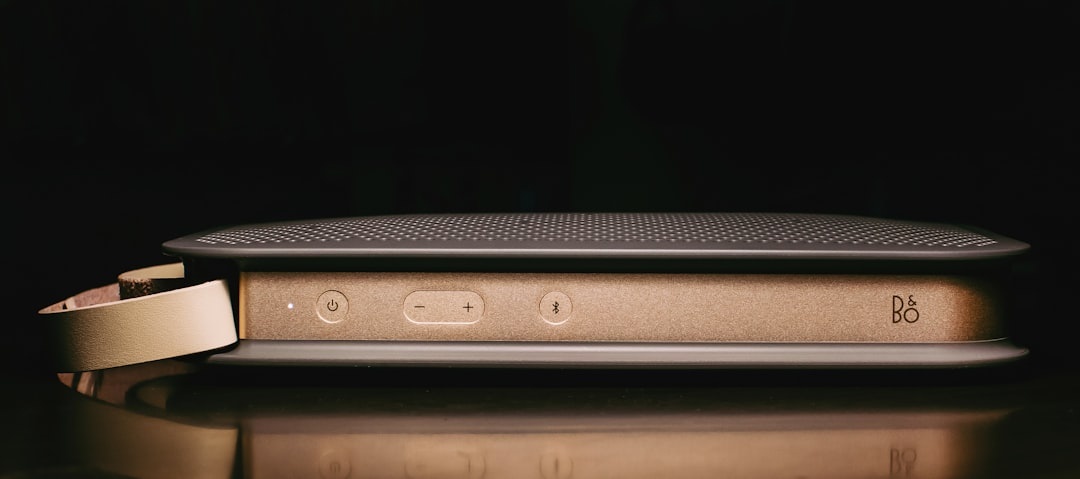
The model I tested is the Snoozeband Sleep Speaker (not the headband version). It’s a flat Bluetooth speaker designed specifically to slide under your pillow.
Why this matters when you’re traveling: space and weight are everything. This thing is thinner than most travel wallets and lighter than a power bank.
Key Specs
- Price: $39.99 (often discounted to $34.99)
- Thickness: 8mm
- Weight: 72g
- Battery life: Up to 10 hours
- Charging: USB-C, ~2 hours full charge
- Connectivity: Bluetooth 5.0
- Compatibility: iOS, Android, tablets, laptops
It pairs like any Bluetooth speaker. I tested it with an iPhone 16 Pro and a Samsung Galaxy S25 — no dropouts, even in airport lounges with heavy interference.
Why this matters when you’re traveling: it works with whatever device you already carry. No app required. No Wi-Fi needed.
Why Not Just Use Earbuds?
I’ve tried AirPods Pro (2nd gen), Sony WF-1000XM5, and even wired earbuds for sleeping.
They all share the same problem: pressure.
If you’re a side sleeper — which most travelers become when dealing with bad hotel pillows — earbuds press into your ear canal. After 30–60 minutes, it’s uncomfortable. On long-haul flights, it’s worse.
Why this matters when you’re traveling: you’re already sleep-deprived. Anything that makes you wake up at 2:30 a.m. in a different time zone is a problem.
Over-ear headphones? Forget it. Too bulky. And you’ll look like you passed out mid-movie.
Real-World Travel Testing
1. Beach Hotel in Portugal (Peak Summer Noise)
July in coastal Europe means open windows, late-night bar traffic, and thin walls.
I slipped the speaker under the pillow, connected to Spotify, and played a 45-minute sleep podcast at about 40% volume.
Result: I could hear it clearly. My partner, 30 cm away, heard nothing.
Why this matters when you’re traveling: in shared hotel rooms, you don’t want to negotiate bedtime audio. This eliminates that conversation entirely.
2. Red-Eye Flight (11 Hours)
I used it after meal service, once cabin lights dimmed.
It works surprisingly well wedged between the airline pillow and headrest. Not perfect — airplane noise competes — but at 60–70% volume, I could follow a podcast comfortably.
Battery dropped from 100% to 35% after about 7.5 hours of intermittent playback.
Why this matters when you’re traveling: you can fall asleep without earbuds falling out or digging into your ears mid-flight.
3. Road Trip + Budget Motel
Budget motels often have loud AC units cycling every 20 minutes.
Instead of fighting the noise, I used brown noise through the speaker. It masked the AC hum better than expected.
Why this matters when you’re traveling: you can’t control the room quality. But you can control your audio environment.
Sound Quality: Manage Your Expectations
This is not a Bose SoundLink. Bass is minimal. It’s tuned for voice clarity and low-frequency sleep sounds.
Podcasts sound crisp. Audiobooks are excellent. White noise and rain tracks are convincing.
Music? Fine, but not immersive.
Why this matters when you’re traveling: this is a sleep tool, not a beach party speaker. If you want dual-purpose gear, look elsewhere.
How It Compares to Alternatives
1. Sleep Headbands (e.g., Musicozy, $24.99)
Pros: All-in-one design, washable fabric.
Cons: Hot in summer, especially in Mediterranean climates or tropical Asia.
Why skip it for travel: In July heat waves, a headband feels like wearing a sweatband to bed. Not ideal without strong AC.
2. AirPods Pro 2 ($249)
Pros: Active noise cancellation (ANC), great sound.
Cons: Expensive, uncomfortable for side sleepers, easy to lose in hotel bedding.
Why skip them for sleep: I’ve nearly left one behind in hotel sheets twice. At $249, that’s a risky habit.
3. Phone Speaker (Free)
Pros: No extra gear.
Cons: Disturbs roommates, weak sound under pillows.
Why it fails while traveling: In hostels or shared Airbnbs, it’s inconsiderate.
Bottom line: At $39.99, the under-pillow speaker hits a sweet spot between comfort and practicality.
Battery Life & Charging on the Road
Ten hours is enough for:
- One full long-haul flight
- Two 4–5 hour sleep sessions
- Three nights if you use a 30-minute sleep timer
It charges via USB-C, which matters more than you think.
Why this matters when you’re traveling: if you’re already carrying a USB-C cable for your phone, laptop, or power bank, you don’t need another charger.
I charged it from a 10,000mAh Anker power bank and got roughly 4 full recharges.
Who Should Actually Buy This?
This is not for everyone.
Buy it if you:
- Struggle with insomnia in new environments
- Share rooms frequently (partner, kids, hostels)
- Travel long-haul multiple times per year
- Listen to podcasts or audiobooks to sleep
Skip it if you:
- Sleep instantly anywhere
- Need strong noise cancellation (get ANC headphones instead)
- Want premium music sound quality
Why Sleep Tech Matters More for Digital Nomads
If you’re bouncing between cities every few weeks, sleep consistency becomes a performance tool.
When I spent a month working remotely in Lisbon, stable sleep mattered as much as fast Wi-Fi. (If you’re planning something similar, check our guide to affordable coworking spaces in Lisbon under €150/month.)
Why this matters when you’re traveling: productivity drops fast when you’re jet-lagged and underslept. A $40 device that improves sleep is cheaper than losing a full workday.
Small Gear, Big Impact in Summer Travel
Summer 2026 travel is busy. Flights are full. Hotels are louder. European beach towns don’t sleep before 2 a.m.
This kind of micro-gear makes chaotic environments manageable.
And unlike bulky sleep gadgets, it takes up almost no room in your packing cube.
Traveler Verdict
Rating: 8.5/10
At $39.99, the Snoozeband Sleep Speaker is a smart buy for frequent travelers who rely on audio to fall asleep.
It’s not audiophile-quality. It won’t replace noise-canceling headphones. But it solves a very specific travel problem: how to fall asleep comfortably without earbuds.
I now pack it automatically — alongside my eye mask and universal adapter.
If you value sleep on the road, this is an easy add to your kit.
Conclusion: The Most Underrated Travel Gadget of the Summer
Travel gear usually focuses on movement — chargers, backpacks, eSIMs, carry-ons. (And yes, you should still set up your eSIM before landing in Europe.)
But recovery matters just as much.
This thin under-pillow speaker won’t make your flight shorter or your hotel quieter. It simply gives your brain something steady to focus on — without plastic pressing into your ears.
For under $40, that’s a travel upgrade worth making.
Frequently Asked Questions
Can you hear an under-pillow speaker through the pillow?
Yes. At 40–60% volume, voices and white noise are clearly audible to you but barely noticeable to someone lying next to you. Thick hotel pillows slightly reduce clarity but not usability.
Is it better than sleeping with AirPods?
For side sleepers, yes. AirPods Pro ($249) offer better sound and noise cancellation, but they create pressure and can fall out during sleep. The under-pillow speaker is more comfortable overnight.
Does it block outside noise?
No active noise cancellation. It masks noise by playing audio. It works well against moderate sounds like AC hum or hallway noise, but not against very loud environments.
How long does the battery last on a long flight?
Up to 10 hours per charge. In real-world use on an 11-hour flight, expect 7–9 hours depending on volume level.

About the Author: Tomáš Bzirský
Founder and editor of Distratech. Based in the Czech Republic, travelling regularly from Central Europe. Writes practical travel guides and travel-tech comparisons (eSIM, apps, airports) in six languages.