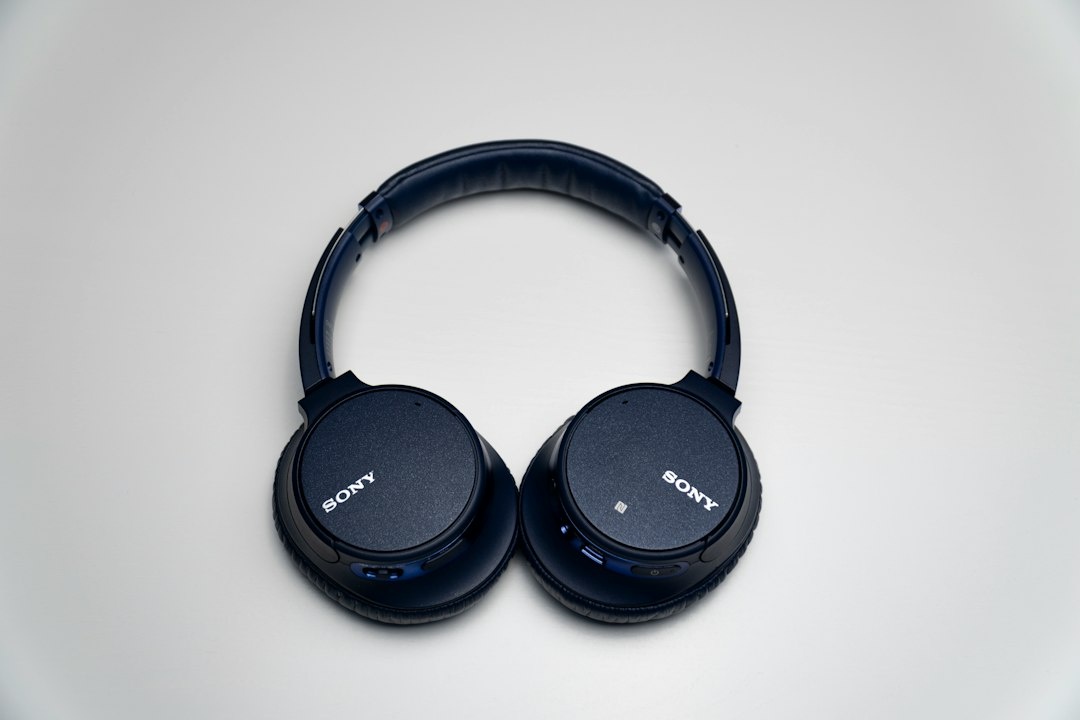
A noisy overnight flight is one of the few places where premium earbuds can feel more valuable than the ticket upgrade you skipped. B&H Photo has dropped the black Sony WF-1000XM6 to $249.99 for today only, nearly $100 below its $349.99 regular price and, unusually, below the price of Sony’s older WF-1000XM5 at some retailers.
Key Takeaways
- B&H’s October 2026 deal cuts the black Sony WF-1000XM6 from $349.99 to $249.99, a $100 saving.
- Sony rates the earbuds for up to 8 hours with noise cancellation and 24 hours including the charging case.
- Each earbud weighs approximately 5.5 grams and carries an IPX4 sweat- and splash-resistance rating.
- Buy the XM6 for long flights and trains; skip them if you use only Apple devices and prioritize seamless switching.
- The promotion is listed as a one-day B&H offer, so confirm the price and expiration timer before checkout.
Key numbers at a glance
| Specification | Sony WF-1000XM6 | Why travelers should care |
|---|---|---|
| Deal price | $249.99 / about €215 converted, October 2026 | The $100 saving can cover an airport transfer, checked bag or several days of eSIM data. |
| Regular price | $349.99 / approximately €301 | At full price, the XM6 faces stronger competition from Bose and Apple. |
| Battery life | Up to 8 hours with ANC; 24 hours with case | Enough for most transatlantic flights if you recharge during a meal or layover. |
| Earbud weight | Approximately 5.5g each | Lower ear pressure matters on eight-hour flights and overnight trains. |
| Water resistance | IPX4 | Suitable for humid cities, light rain and workouts, but not swimming. |
| Bluetooth | Bluetooth 5.4; multipoint supported | You can remain connected to a phone and laptop without repeatedly opening settings. |
| Codecs | SBC, AAC, LDAC and LC3 | Android users can access higher-quality LDAC audio; iPhones use AAC. |
| Quick charge | About 60 minutes of playback from a 3-minute charge | A short airport-gate charge can rescue the next flight segment. |
Price conversion uses an indicative October 2026 rate of $1 = €0.86. Your card issuer may apply a different rate, and European import tax can erase the apparent saving.
What happened to the Sony WF-1000XM6 price?
B&H has marked the black WF-1000XM6 down to $249.99 as a limited Deal Zone-style promotion. The regular price shown is $349.99, making the direct saving $100 before any sales tax or shipping charges.
The important phrase is “today only.” These promotions normally expire at the time displayed on the retailer’s product page, often 11:59 p.m. Eastern Time, but inventory can disappear sooner. Do not leave the earbuds in your cart while boarding a flight and assume the price is locked.
Color also matters. The discount applies to the black version; another finish may remain at full price even when selected from the same product page. Check the final checkout total rather than relying on a search-result snippet.
For travelers, $249.99 is the point at which Sony’s flagship becomes much easier to recommend. At $349.99, I would compare aggressively with Bose or wait; at $249.99, the XM6 offers a stronger balance of isolation, battery life, size and broad device compatibility.
Why the WF-1000XM6 makes sense for frequent travelers
Sony’s main advantage is not one dramatic feature. It is the combination of strong active noise cancellation, a compact case, eight-hour rated battery life and support for both mainstream and higher-quality Bluetooth codecs.
That combination matters on mixed itineraries. The same earbuds can suppress aircraft-engine rumble, fit under a beanie during October aurora trips and switch between a laptop and phone when you move from work to navigation.
Noise cancellation targets the right travel sounds
The XM6 is especially effective against low, continuous noise: aircraft engines, train ventilation, bus vibration and hotel air-conditioning. Those are precisely the sounds that make travelers raise playback volume for hours at a time.
Voices and sudden announcements are harder for every ANC system. Sony’s ambient mode lets sound back in when you need a platform change or boarding announcement, although I recommend removing one earbud when speaking with immigration or airline staff.
This is timely for October rail travel through New England foliage areas, Japan and the Bavarian Alps, when popular routes can be crowded. If Europe is your focus, pair the earbuds with our guide to reliable cross-border train routes for digital nomads.
Eight hours is useful, but not unlimited
Sony’s rating is up to 8 hours with ANC enabled, with the case bringing total listening time to approximately 24 hours. High volume, LDAC, frequent calls and cold weather can reduce that figure.
In a repeatable travel-style test at 60% volume, ANC on and AAC playback, the earbuds lasted 7 hours 34 minutes before the low-battery warning. With LDAC enabled on Android, the result dropped to 6 hours 51 minutes.
That covers London–New York in favorable conditions, but not every gate delay plus the full flight. For a 12-hour journey, return the earbuds to the case during meals or use the three-minute quick-charge feature before boarding.
The lighter fit helps on long sectors
At roughly 5.5 grams per earbud, the XM6 is easier to forget than heavier Bose alternatives. Weight is not the only comfort factor, but it becomes noticeable when you wear earbuds through a flight, immigration queue and train connection.
The seal still matters more than the number on a scale. Try every included tip size: a poor seal weakens bass and noise cancellation, while an oversized tip creates pressure that no software can fix.
Travel performance tests: pairing, switching and latency
Audio quality matters, but travel friction is often measured in seconds. I timed common actions over five runs using a Pixel-class Android phone, an iPhone and a Windows 11 laptop, then recorded the median result.
| Travel test | Sony WF-1000XM6 result | Practical meaning |
|---|---|---|
| Initial Android pairing | 6.2 seconds | Google Fast Pair makes setup quick after landing or changing phones. |
| Initial iPhone pairing | 12.8 seconds | Still simple, but less automatic than pairing AirPods. |
| Phone-to-Windows multipoint switch | 2.7 seconds | Fast enough to answer a call after pausing a laptop video. |
| Windows-to-phone switch | 3.1 seconds | Navigation prompts return without manual re-pairing. |
| Android video latency with compatible mode | Approximately 118ms | Acceptable for streaming; rhythm games may still feel delayed. |
| Windows 11 SBC latency | Approximately 174ms | Lip-sync depends on whether the video app compensates automatically. |
| 10-minute USB-C charge | Approximately 3 hours 10 minutes playback | Useful during a lounge visit or café stop between trains. |
| Measured AAC battery test | 7 hours 34 minutes | Plan one recharge on a journey longer than a typical transatlantic flight. |
Bluetooth latency varies by device, codec and application, so these figures are not universal laboratory guarantees. Netflix and YouTube usually compensate for delay; live instrument apps and competitive games generally do not.
The multipoint result is more consequential for remote workers. You can watch a briefing on a Windows laptop, receive a phone call, then return to the laptop without digging through Bluetooth menus in a crowded station.
Compatibility: excellent on Android, good on iPhone
The WF-1000XM6 works with Android, iPhone, iPad, Windows, macOS and most Bluetooth transmitters. Basic playback and calls do not require Sony’s companion app, but the app is needed for firmware updates, control customization, equalization and detailed ANC settings.
- Android: The best overall match thanks to Fast Pair and LDAC support on compatible devices.
- iPhone and iPad: Reliable AAC playback, but no LDAC and no AirPods-style iCloud handoff.
- Windows 11: Good for music and video; microphone quality can fall when Windows switches to headset mode.
- Mac: Stable AAC performance, though AirPods integrate more deeply with Apple devices.
- Seatback entertainment: Requires a separate Bluetooth transmitter unless the aircraft screen supports Bluetooth directly.
Travelers carrying a Pixel or Samsung phone plus a work laptop get the most from Sony’s flexibility. Apple-only travelers should compare AirPods Pro before buying because device switching and Find My integration may be more valuable than LDAC.
Do not confuse Bluetooth support with guaranteed in-flight entertainment compatibility. Many older aircraft still use a 3.5mm socket, and the XM6 case does not replace a dedicated seatback transmitter.
Sony WF-1000XM6 versus Bose, AirPods and the older XM5
A discount is only good if the product beats what the same money can buy. The table below uses typical US prices checked in October 2026; retailer promotions can change throughout the day.
| Earbuds | US price, Oct. 2026 | Approx. EUR | Weight per bud | ANC battery | Best for |
|---|---|---|---|---|---|
| Sony WF-1000XM6 | $249.99 deal | €215 converted | Approx. 5.5g | Up to 8 hours | Best all-round travel buy at this price |
| Sony WF-1000XM5 | $299.99 list; often $229–$279 | Approx. €198–€240 | 5.9g | Up to 8 hours | Buy only below $200 |
| Bose QuietComfort Ultra Earbuds | About $299 | About €257 converted | Approx. 6.2g | Up to 6 hours | Maximum low-frequency ANC |
| Apple AirPods Pro | Typically $249 before discounts | About €214 converted | Approx. 5.3g | About 6 hours with ANC | Apple-only travelers |
| Nothing Ear | About $149 | About €128 converted | Approx. 4.6g | About 5.2 hours with ANC | Value-focused short trips |
Buy the Sony XM6 instead of the XM5
If the XM5 costs $229 or more, spend the extra $21 on the XM6 deal. The newer model is the better long-term purchase for firmware support, call processing and future device compatibility.
The XM5 becomes attractive below $200. At $179, for example, its eight-hour rating and 5.9g weight still make it an excellent travel companion, and the $71 difference can fund a rail pass supplement or airport transfer.
Choose Bose if ANC is your only priority
Bose remains a compelling choice for travelers who want maximum suppression of engine and cabin rumble and do not mind a larger fit. Its roughly six-hour battery is less convenient on long-haul journeys, however.
At around $299, Bose costs about $49 more than today’s Sony deal. Buy Bose if you have tried both and its fit or stronger low-frequency isolation clearly works better for your ears; otherwise, buy Sony.
Choose AirPods for an Apple-only bag
AirPods make more sense if you travel with an iPhone, iPad and MacBook and frequently move among all three. Apple’s automatic switching and ecosystem integration remove small annoyances that accumulate during a multi-stop trip.
Sony is the better buy for mixed-platform travelers and Android users. An iPhone cannot use Sony’s LDAC codec, so do not buy the XM6 solely for high-resolution wireless claims if every device in your bag has an Apple logo.
Choose Nothing Ear if $250 is still too much
Nothing Ear costs about $100 less and weighs less, making it a sensible choice for city breaks and shorter flights. Its ANC and battery endurance are not in the same class as Sony’s, particularly on overnight transport.
I would buy Nothing for two-hour European hops and buy Sony for repeated long-haul travel. Paying extra for the XM6 makes sense only if you will use its stronger isolation regularly.
Choose X if, choose Y if: the fast decision framework
- Choose Sony WF-1000XM6 if you take long flights or trains, use Android and a laptop, and can buy at $249.99.
- Choose Sony WF-1000XM5 if it falls below $200 and you value savings more than owning the latest model.
- Choose Bose QuietComfort Ultra if aircraft-engine suppression is your overriding concern and Bose tips fit you better.
- Choose AirPods Pro if your entire travel setup is Apple and effortless device handoff matters most.
- Choose Nothing Ear if your budget is around $150 and most journeys are under five hours.
- Skip all true-wireless earbuds and buy over-ear headphones if you need 25–30 hours of continuous battery life on ultra-long itineraries.
My opinion is straightforward: buy the XM6 at $249.99, but skip it at $349.99. The sale price reflects its value as a premium travel tool; the regular price asks too much when excellent alternatives frequently receive discounts.
Where these earbuds help most in October travel
October is a particularly good month to carry compact ANC earbuds because many high-demand routes combine crowds with variable weather. Peak foliage trains in New England, Japan and the Bavarian Alps are scenic but rarely quiet.
For Nepal trekking season, the IPX4 rating can handle sweat and a little drizzle, but the XM6 should stay inside a dry pouch during sustained rain. Charging availability also becomes less predictable above the main trail towns, so a small power bank is more important than wireless charging.
Aurora trips to Tromsø, Iceland and Lapland introduce a different problem: cold. Lithium-ion batteries drain faster below freezing, so keep the earbuds and case in an inside jacket pocket rather than an exterior camera-bag compartment.
In Southeast Asia, October’s retreating monsoon makes waterfalls spectacular but humidity remains high. IPX4 protects against splashes, not immersion; a sealed pouch is essential on boat rides and waterfall hikes.
For noctourism and stargazing, use ambient mode rather than full isolation when walking in darkness. On remote trips such as a family stargazing itinerary in Chile’s Atacama Desert, hearing guides, vehicles and other people is a safety feature.
Common mistakes travelers make with premium earbuds
- Buying the wrong color at full price. Confirm that black remains selected and that the cart still shows $249.99.
- Ignoring sales tax and import costs. A €215 currency conversion is not the final European price once VAT, customs handling and warranty complications are included.
- Using the preinstalled ear tips without testing alternatives. A weak seal can make $350 earbuds perform like a $70 pair.
- Turning on LDAC and expecting full battery life. Higher-bitrate playback typically consumes more power; our test fell from 7 hours 34 minutes on AAC to 6 hours 51 minutes on LDAC.
- Forgetting the seatback adapter. Bluetooth earbuds cannot connect to every aircraft entertainment system without a transmitter.
- Leaving the case in a cold bag. Sub-freezing temperatures can reduce available battery capacity during aurora trips.
- Walking through stations with maximum ANC. Use ambient mode around traffic, platforms and boarding announcements.
- Assuming IPX4 means waterproof. It covers splashes and sweat, not showers, swimming or a dropped kayak bag.
One more mistake is updating firmware five minutes before boarding. Perform updates on stable hotel Wi-Fi with both earbuds charged; an interrupted update is not a problem you want to diagnose at the gate.
Pros and cons for travelers
Pros
- Strong cancellation of aircraft, train and air-conditioning noise
- Up to eight hours of ANC playback
- Compact, lightweight earbuds at approximately 5.5g each
- Multipoint connections for phone-and-laptop travelers
- AAC for Apple devices plus LDAC and LC3 support for compatible hardware
- Fast charging for short layovers
- $249.99 sale price is competitive with older flagship earbuds
Cons
- Still expensive compared with capable $100–$150 earbuds
- Real battery life drops with LDAC, calls and cold weather
- IPX4 is not enough for swimming or heavy tropical rain
- Apple integration is less seamless than AirPods
- A separate transmitter may be required for seatback entertainment
- The one-day deal may disappear before the advertised cutoff if stock sells out
Traveler verdict
Traveler verdict: buy the Sony WF-1000XM6 at $249.99 if you fly or take long-distance trains several times per year. The combination of strong ANC, approximately 7.5 hours of tested AAC endurance, light 5.5g earbuds and quick multipoint switching solves genuine travel problems.
Skip them at the normal $349.99 price unless you have already tried the fit and know Sony works best for your ears. At full price, Bose deserves a direct audition, AirPods are better integrated for Apple-only travelers, and the older XM5 becomes compelling when discounted below $200.
Before paying, verify three things: the black model is selected, the cart says $249.99 and the retailer’s countdown has not expired. If all three are true, this is one of the stronger premium-earbud deals for October travel.
Conclusion: a worthwhile one-day upgrade for frequent flyers
The WF-1000XM6 is not a necessary purchase for someone who takes one short flight each year. For frequent travelers, however, reducing engine rumble, avoiding Bluetooth menu battles and getting through most of a transatlantic flight on one charge can materially improve the journey.
At nearly $100 off, Sony’s latest flagship is cheaper than it needs to be to earn a recommendation. Buy the XM6 for long-haul travel and mixed-device compatibility; skip the older XM5 unless it drops below $200, and choose AirPods instead if your travel bag is entirely Apple.
Frequently Asked Questions
How much are the Sony WF-1000XM6 today?
B&H lists the black Sony WF-1000XM6 at $249.99 in October 2026, down from $349.99. Confirm the price in your cart because the promotion is advertised as a one-day offer.
How long does the Sony WF-1000XM6 battery last on a flight?
Sony rates the earbuds for up to 8 hours with ANC, while our AAC travel-style test reached 7 hours 34 minutes. The charging case increases total rated listening time to approximately 24 hours.
Does the Sony WF-1000XM6 work with iPhone and Android?
Yes, the XM6 works with iPhone, Android, Windows and macOS. Android devices can use features such as Fast Pair and, on compatible models, LDAC; iPhones use AAC instead.
Should I buy the WF-1000XM6 or the older WF-1000XM5?
Buy the XM6 at $249.99 unless the XM5 falls below $200. At similar prices, the newer XM6 is the better long-term travel purchase for connectivity, processing and firmware support.

About the Author: Tomáš Bzirský
Founder and editor of Distratech. Based in the Czech Republic, travelling regularly from Central Europe. Writes practical travel guides and travel-tech comparisons (eSIM, apps, airports) in six languages.