Paris is not “rude.” Paris is structured. Once you learn the rhythm — greet first, walk with purpose, book ahead, lower your voice, don’t treat cafés like co-working lounges — the city becomes dramatically warmer.
September is one of the smartest months to visit Paris in 2026: daytime highs hover around 68–73°F / 20–23°C, summer crowds thin out, and hotel rates usually soften after the August peak. It is also Fashion Week season, so book restaurants and central hotels early if your dates overlap late September shows.
Key Takeaways
- Always say “bonjour” before asking anything; skipping it is the fastest way to annoy Parisians.
- A single metro/train/RER ticket costs about €2.50, while taxis from CDG are fixed at roughly €56–€65.
- Book major sights like the Louvre (€22) and Eiffel Tower summit tickets (€35+) at least 1–2 weeks ahead.
- Restaurant kitchens often close between 2:30pm and 7pm, so plan lunch and dinner like a local.
- Use Bonjour RATP, Citymapper, TheFork, and an eSIM from Airalo to avoid rookie logistics mistakes.
1. Say “Bonjour” Before Anything Else
The most important Paris etiquette rule costs €0 and takes two seconds: greet people before making a request. Walk into a bakery and say, “Bonjour, madame” or “Bonjour, monsieur” before ordering a croissant.
In the U.S., “Can I get a coffee?” sounds normal. In Paris, launching straight into a demand can feel abrupt. A €1.30 baguette tradition at Du Pain et des Idées in the 10th gets better service when it starts with “bonjour.”
Skip: “Do you speak English?” as your opening line. Do: “Bonjour, excusez-moi, parlez-vous anglais?” That tiny effort changes the whole temperature of the exchange.
2. Don’t Block the Sidewalk, Metro Doors, or Escalator Left Side
Paris is compact: the city proper is only about 105 sq km / 41 sq miles, and people actually live their daily lives in the tourist zones. Stopping suddenly in the middle of Rue de Rivoli for a photo will earn you the same look you’d get for stopping in a bike lane in Amsterdam.
On escalators, stand right and walk left. On the metro, let passengers exit before boarding. Line 1 from Châtelet to Charles de Gaulle–Étoile takes about 9 minutes; blocking doors can delay an entire train for hundreds of people.
| Route | Local Move | Tourist Mistake | Time/Cost Difference |
|---|---|---|---|
| CDG to central Paris | RER B, about 35–45 min | Taxi in rush hour | €13 vs €56–€65 fixed fare |
| Marais to Saint-Germain | Metro Line 1 + Line 4, about 18 min | Taxi across the center | €2.50 vs €18–€28 |
| Louvre to Eiffel Tower | Bus 72, about 25–35 min | Uber at 5pm | €2 vs €20–€35 |
3. Dress Like You Meant to Leave the Hotel
Paris is not formal all the time, but it is intentional. You do not need designer clothes; you do need clean sneakers, a good jacket, and clothes that look considered.
Dark jeans, leather sneakers, a simple coat, and a scarf will take you almost anywhere. Compare that with flip-flops and gym shorts: technically legal, socially loud.
For September, pack layers. Morning temperatures can sit around 57°F / 14°C, while afternoons reach 72°F / 22°C. A light trench beats a puffer jacket, and waterproof shoes are smarter than sandals during sudden fall showers.
4. Book the Big Attractions — But Don’t Overbook Paris
Paris punishes winging it at famous sights. The Louvre costs €22 online, is generally open 9am–6pm, closes Tuesdays, and stays open late on Fridays until around 9:45pm. Book through louvre.fr, not a random reseller charging €38 for the same ticket.
The Eiffel Tower summit by lift is typically around €35+ for adults via toureiffel.paris. Sunset slots disappear first, especially in September when the light is golden and the weather is still pleasant.
Skip: cramming Louvre, Eiffel Tower, Sainte-Chapelle, and Montmartre into one day. Do: book one major monument daily, then walk the neighborhood slowly. Paris rewards wandering more than checklist tourism.
5. Treat Cafés as Social Spaces, Not Unlimited Workstations
A Paris café is not automatically a laptop office. If you buy one €3 espresso and occupy a four-top for three hours at noon, you are breaking an unwritten contract.
At Café Charlot in the Marais, an espresso is about €3, a café crème about €5.50, and lunch mains run €18–€26. If tables are filling up, order food or move on.
Need to work? Use Hubsy République, where the model is time-based: roughly €6 for the first hour and snacks/coffee included, or about €25 for the day. That is far more Paris-friendly than colonizing a tiny café table during lunch service.
6. Learn the Meal Clock or Go Hungry
Paris does not eat all day. Bakeries open early, but many proper restaurant kitchens serve lunch roughly 12pm–2:30pm and dinner from 7pm–10:30pm. Arrive at 5:30pm asking for steak frites and you may get a polite shrug.
For a reliable, affordable meal, book Bouillon République. Starters often cost €3–€8, mains about €10–€16, and desserts around €4–€7 — far better value than a random tourist bistro near Notre-Dame charging €24 for mediocre onion soup.
Use TheFork for reservations, but call directly for smaller places. For classic steak frites, Le Relais de l’Entrecôte is about €31–€35 per person before wine; expect a queue because they do not take reservations at every location.
7. Keep Your Voice Down — Especially Indoors
Paris is dense, and sound travels. A normal American restaurant voice can feel like a Bluetooth speaker in a Paris dining room.
At a small wine bar like Septime La Cave, where glasses start around €7–€9 and bottles can run €35–€80, the vibe is intimate, not performative. If the table next to you can follow your entire itinerary, lower the volume.
This applies on the metro too. A Line 4 ride from Gare du Nord to Saint-Sulpice is about 12 minutes; nobody in the carriage needs your FaceTime recap of Versailles.
8. Don’t Assume Everyone Speaks English — But Don’t Panic If They Do
Many Parisians speak English, especially in hotels, museums, and central restaurants. The etiquette point is not fluency; it is effort.
Download French in Google Translate before you land. Offline language packs are free and take under 100MB, which is tiny compared with the 1GB+ you can burn uploading travel videos over a week.
If you need mobile data, an eSIM is easier than hunting for a SIM card at CDG after a red-eye. Expect Paris travel eSIM plans to start around $4.50–$6 for 1GB, compared with international roaming that can cost $10–$15 per day on U.S. carriers.
9. Tip Lightly, Not Lavishly
Service is included in French restaurant prices by law, usually shown as “service compris.” That means you do not need to add 20% like in New York.
For a €42 dinner, rounding to €45 is appreciated. For excellent service at a nicer restaurant, 5–10% is generous. Leaving €15 on a €50 casual meal is not offensive, but it signals you do not understand the system.
- Café drink: round up €0.20–€0.50 if you want.
- Casual lunch: leave €1–€3 for good service.
- Dinner: 5–10% only if service was genuinely strong.
- Taxi: round up to the nearest euro or add €2–€5 for luggage help.
10. Stay Central, But Not on Top of the Tourist Machine
For a first trip, stay in the 3rd, 4th, 5th, 6th, 9th, 10th, or 11th arrondissements. You will spend less time commuting and more time enjoying Paris on foot.
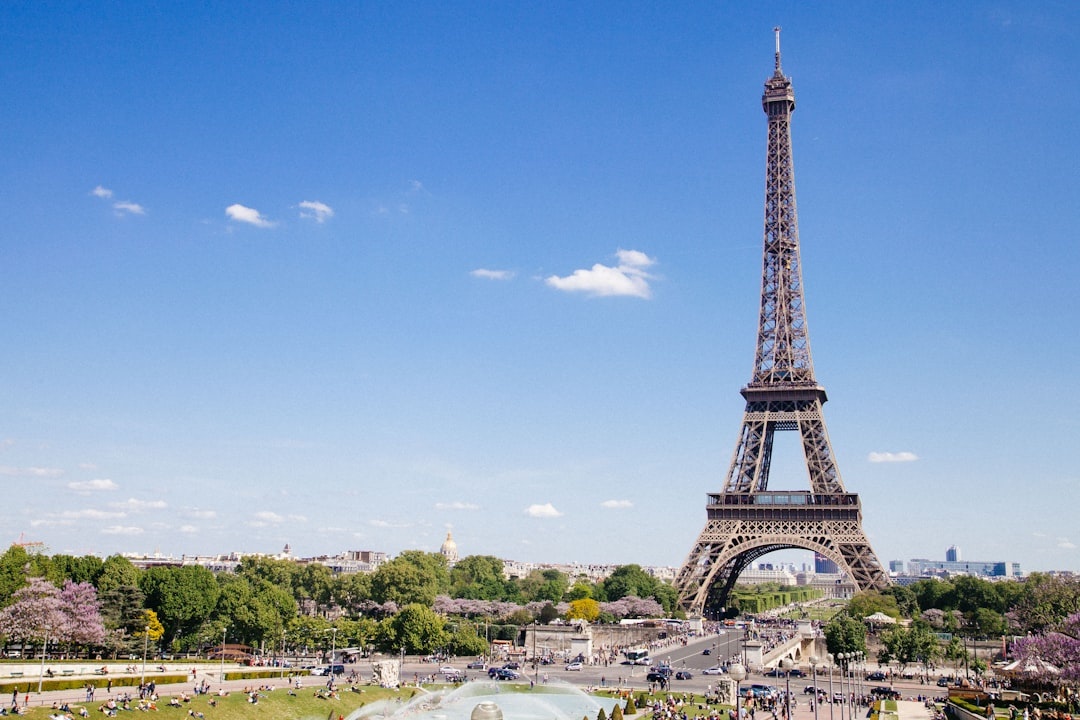
Skip: staying right by the Eiffel Tower unless you have a specific reason. It is beautiful, but restaurant quality drops and metro connections can be less convenient than the Marais, Saint-Germain, or South Pigalle.
September rates vary widely. A smart 3-star hotel in the 9th might cost €170–€240 per night, while a similar property near the Eiffel Tower can run €260–€380. Browse hotels in Paris early if your trip overlaps Paris Fashion Week, when rates can jump 25–50%.
Good picks: Hôtel des Grands Boulevards for style and location, Hôtel Henriette for a quieter Left Bank base, and Le Citizen Hotel for Canal Saint-Martin views. For budget, look at Hotel des Arts Bastille, often under €160 in shoulder periods if booked ahead.
11. Walk More Than You Think You Should
Paris is a walking city, not just a museum city. The distance from Notre-Dame to the Louvre is about 1.5 miles / 2.4 km, roughly 30 minutes on foot along the Seine. By metro it can still take 15–20 minutes once you include stairs, platforms, and transfers.
September is ideal for this. The summer heat has eased, trees begin to turn in parks like Luxembourg Gardens and Parc Monceau, and the city feels less frantic than July.
If you like slow travel, Paris is also a gateway to bigger European walking trips. Our guide to walking holidays in Europe explains why car-free itineraries are becoming the antidote to overtourism.
Skip: Ubering between every arrondissement. Do: walk one “axis” per day: Canal Saint-Martin to Le Marais, Saint-Germain to the Latin Quarter, or Palais-Royal to Pigalle.
Paris Etiquette Quick Rules: What to Do Instead
If you remember nothing else, remember this: Paris rewards restraint, timing, and basic courtesy. You do not need to act Parisian, but you should avoid acting like the city is a theme park.
- Say “bonjour” before every transaction.
- Use “s’il vous plaît” and “merci” even when speaking English.
- Stand right on escalators and move away from metro doors.
- Book major attractions directly through official websites.
- Eat lunch before 2:30pm and dinner after 7pm.
- Keep your phone calls quiet or take them outside.
- Round up tips instead of adding automatic 20% gratuity.
- Carry a contactless card; many bakeries accept cards from €1, but small markets may prefer cash.
The Distratech Verdict: Paris Is Better When You Stop Fighting It
The real Paris travel hack is not a secret rooftop or a hidden croissant counter. It is adjusting your pace and attitude.
Greet people. Book the few things that need booking. Walk when the weather is good. Eat on the local schedule. Put your phone away long enough to notice the zinc bar, the handwritten menu, and the waiter who warms up once you stop treating speed as the goal.
September gives you Paris at its most usable: warm afternoons, thinner museum lines, and just enough autumn energy to make cafés feel cinematic again. Save this guide, share it with your travel group, and send it to the friend who still thinks Paris is “overrated.”
Frequently Asked Questions
What should tourists not do in Paris?
Do not skip greetings, block sidewalks, speak loudly indoors, or assume restaurants serve food all day. Say “bonjour” first, keep right on escalators, and plan meals around lunch from about 12pm–2:30pm and dinner from 7pm.
How much should you tip in Paris restaurants?
Service is included in menu prices, so tipping 20% is unnecessary. Round up a few euros for casual meals or leave 5–10% for excellent service at a nicer restaurant.
Is September a good time to visit Paris?
Yes, September is one of the best months to visit Paris, with mild weather around 68–73°F / 20–23°C and fewer crowds than July or August. Book early for late September because Fashion Week can push hotel rates up 25–50%.
Do you need to speak French in Paris?
You do not need fluent French, but you should learn basic phrases like “bonjour,” “merci,” and “parlez-vous anglais?” Download Google Translate offline before arrival; it is free and works without mobile data.

About the Author: Tomáš Bzirský
Founder and editor of Distratech. Based in the Czech Republic, travelling regularly from Central Europe. Writes practical travel guides and travel-tech comparisons (eSIM, apps, airports) in six languages.