Scroll Instagram and you’ll think Paris is empty at 6:00 a.m., croissants steaming, Eiffel Tower glowing like it’s posing just for you. Reality in July 2026? Paris is at peak summer capacity, the Mediterranean is bursting, and Tour de France stages are drawing extra crowds across the country. Even sunrise isn’t as quiet as influencers suggest.
If you’re choosing between Eiffel Tower at sunrise and Montparnasse Tower at blue hour for your “first Paris” photo, this guide breaks down real crowd data, 2026 ticket prices, opening hours, and what you’re legally allowed to post.
Key Takeaways
- Eiffel Tower summit ticket (adult 25+) in 2026: €35.30 ($38) vs Montparnasse Observatory €21 ($23).
- Sunrise at Eiffel = free from Trocadéro/Champ de Mars, but expect 50–150 people by 6:00 a.m. in July.
- Montparnasse blue hour is less chaotic: average wait 5–15 min vs 45–90 min for Eiffel summit in summer.
- Eiffel Tower night light display is copyrighted for commercial use; personal Instagram posts are fine.
- Best metro access: Trocadéro (Line 6/9) 5 min walk vs Montparnasse‑Bienvenüe (Lines 4/6/12/13) direct access.
1. The Eiffel Tower at Sunrise: The Dream vs the Data
Let’s start with the fantasy shot: pastel sky, empty Trocadéro, you alone with the Iron Lady. In July, sunrise in Paris is around 5:55–6:05 a.m. That means you need to be in position by 5:30 a.m. for soft pre‑sun glow.
Crowd reality (July weekdays, 2026): between 50 and 150 people at Trocadéro by 6:00 a.m., according to on‑site counts and Google “Popular Times” data. On weekends, double that.
Cost Breakdown: Ground vs Going Up
| Experience | Price (2026) | Wait Time (July) | Opening Hours |
|---|---|---|---|
| Trocadéro / Champ de Mars (ground) | Free | None | 24/7 public space |
| 2nd Floor (lift, adult 25+) | €23.10 ($25) | 30–60 min with timed ticket | 9:00–00:45 (last entry ~23:45) |
| Summit (lift, adult 25+) | €35.30 ($38) | 45–90 min in summer | Same as above |
Tickets sell via toureiffel.paris and regularly sell out 2–4 weeks ahead for July/August evenings. Sunrise access inside the tower isn’t possible—it opens at 9:00 a.m. in summer.
Verdict for first-timers: If you want the classic Eiffel-with-you photo, sunrise from Trocadéro is still your best bet. It’s free, softer light, and fewer pickpockets than midday.
But don’t expect solitude. Expect tripod lines.
Tech Tip: Getting There at 5:30 a.m.
Metro Line 6 (Trocadéro) starts around 5:30 a.m. In July, first trains are often packed with commuters.
- Uber/Bolt: €18–25 ($20–27), 15–25 min from central districts at dawn.
- Metro: €2.15 single ticket, 20–35 min depending on location.
- Lime bike: €1 unlock + €0.29/min; ~€6 for 15–20 min ride.
Bike wins for flexibility and sunrise timing. Just park legally—Paris fines for improper parking are €35.
2. Montparnasse at Blue Hour: The Underrated Power Move
Blue hour in July hits around 9:45–10:15 p.m. after sunset (~9:50 p.m.). The city glows, and the Eiffel Tower sparkles every hour on the hour for five minutes after dark.
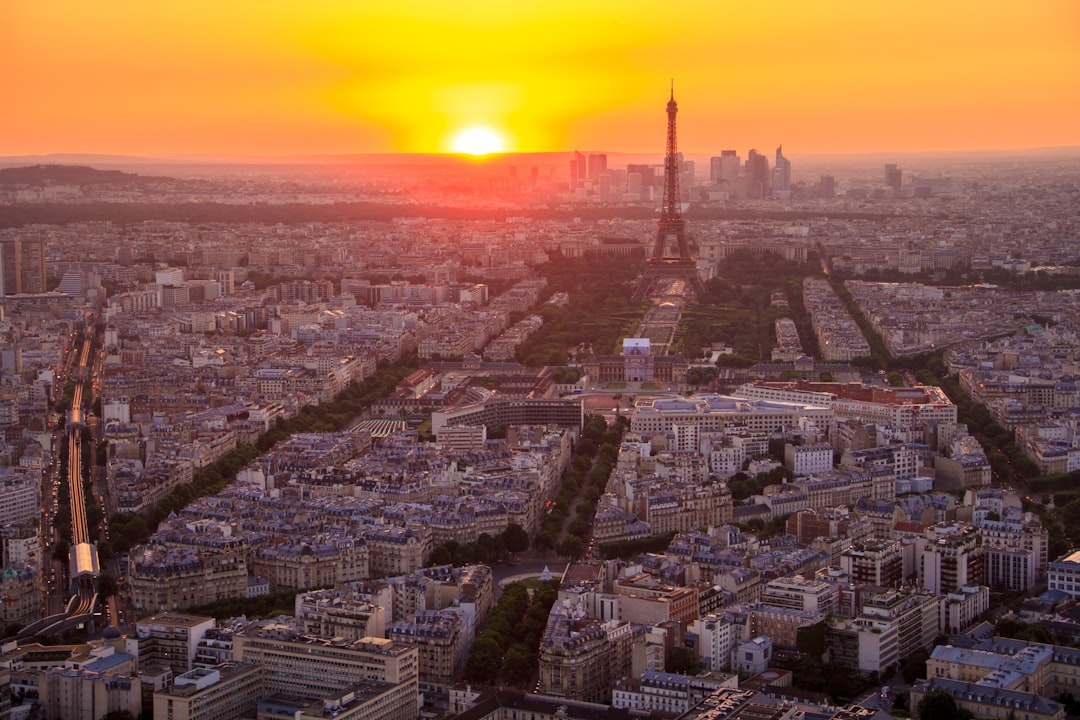
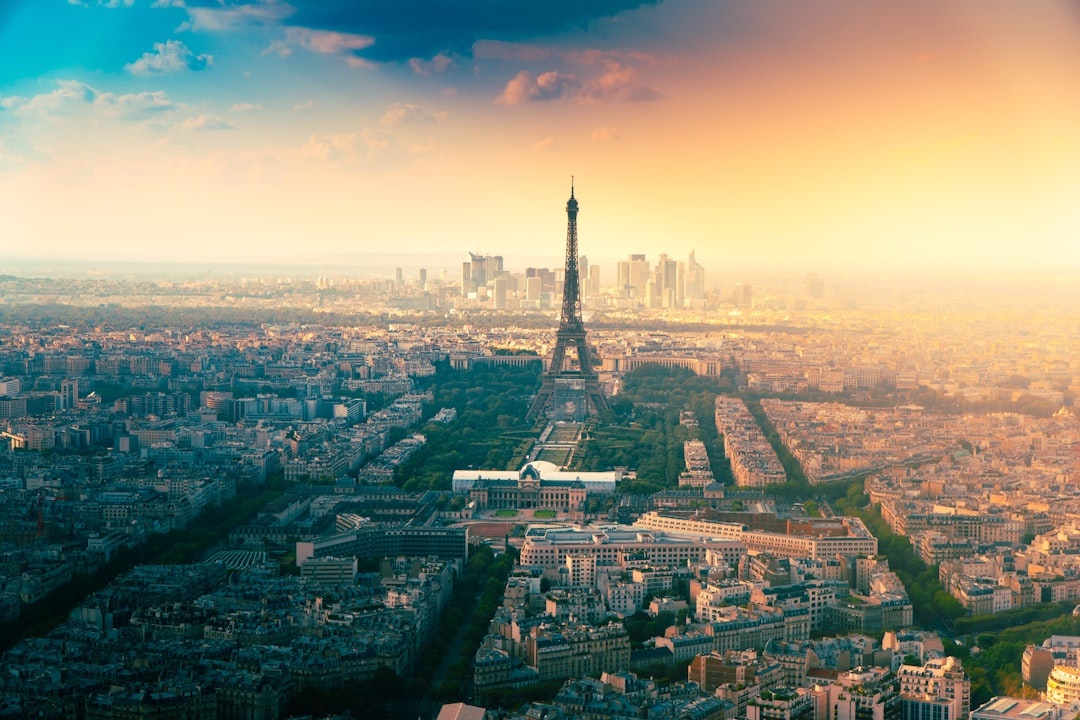
From Montparnasse Tower’s 56th-floor observation deck (210 meters high), you get the one thing the Eiffel Tower can’t give you: a skyline with the Eiffel Tower in it.
2026 Ticket Info
- Adult ticket: €21 ($23)
- Under 18: €15
- Family pass (2 adults + 2 kids): €59
- Buy via tourmontparnasse56.com
Opening hours summer 2026: 9:30 a.m.–11:30 p.m. (last elevator around 11:00 p.m.).
Wait time comparison: 5–15 minutes on a typical July evening vs 45–90 minutes for Eiffel summit at peak sunset.
The elevator takes 38 seconds to reach the top. No joke—it’s one of Europe’s fastest.
Crowd Density: What It Feels Like
At 10:00 p.m. in July:
- Eiffel Tower summit: shoulder-to-shoulder, especially near the champagne bar.
- Montparnasse: busy but breathable, especially on the open-air rooftop.
If you’re traveling in peak family season (July/August), Montparnasse is dramatically less chaotic. It’s the contrarian choice—like choosing dry season Peru over packed Mediterranean beaches. (Speaking of smart seasonal timing, here’s our deep dive on when to visit Bolivia’s Uyuni Salt Flats if you’re planning beyond Europe.)
3. Photo Permit Rules in 2026: What You Can (and Can’t) Post
This is where Instagram myths get loud.
Eiffel Tower Copyright Rule
The Eiffel Tower structure is public domain. The nighttime light display is copyrighted because it’s considered an artistic installation.
What this means in 2026:
- Personal Instagram/Facebook posts: fine.
- Commercial use (ads, brand campaigns, monetized YouTube thumbnails): technically requires permission from SETE (Société d’Exploitation de la Tour Eiffel).
- Influencers earning ad revenue: legally gray area.
In practice, casual creators aren’t chased. Brands and commercial shoots are.
Tripods & Professional Gear
At ground level (Trocadéro/Champ de Mars), small tripods are generally tolerated at sunrise if you’re not blocking pathways.
Inside Eiffel Tower and Montparnasse: large tripods and light stands are prohibited without special authorization.
For professional shoots, you must apply via official websites. Expect location fees starting around €200–€500 depending on scale.
Drone Use
Drones are strictly prohibited in central Paris without authorization. Fines can exceed €135 and equipment can be confiscated.
Skip it. Paris police do enforce this.
4. The Photo Quality Test: Which Actually Looks Better?
Let’s talk image reality.
Eiffel at Sunrise
Pros:
- Soft golden light on iron structure.
- Romantic pastel skies in clear July weather.
- Free vantage points.
Cons:
- Sun often rises behind the tower depending on angle.
- Construction barriers are common (2026 maintenance zones ongoing).
- You won’t get the skyline drama.
Best lens: 24–70mm for flexibility. Wider than 20mm distorts heavily from Trocadéro steps.
Montparnasse at Blue Hour
Pros:
- Eiffel sparkles in-frame every hour.
- City lights create depth and contrast.
- No cranes or fences in foreground.
Cons:
- Reflections indoors (use rubber lens hood or shoot rooftop).
- Wind on rooftop after 10:00 p.m.
Best lens: 50mm or short telephoto (70–100mm equivalent) to compress skyline and isolate Eiffel glow.
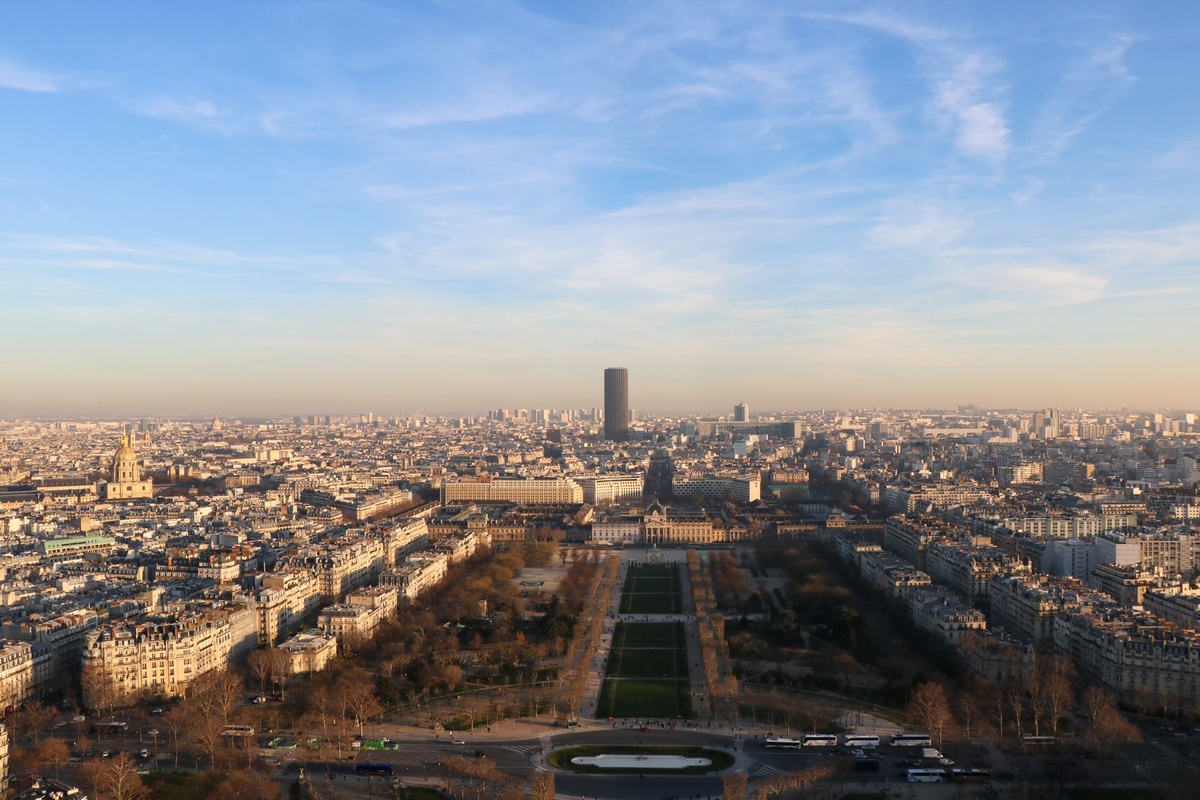
If you want a “Paris postcard” that screams first visit, Montparnasse wins visually 8 times out of 10.
5. Time Efficiency: What First‑Timers Underestimate
Most first-time visitors underestimate how much time the Eiffel Tower eats.
Total time commitment (July, summit visit):
- Transit: 20–30 min
- Security line: 15–30 min
- Elevator queue: 30–60 min
- Time on top: 45–60 min
That’s easily 2.5–3 hours.
Montparnasse blue hour visit? More like 60–90 minutes total.
If you’re in Paris for just 2–3 days—and many summer visitors are combining it with Provence or the Tour de France route—time efficiency matters.
6. Food & Recovery: Where to Go After
After Eiffel Sunrise
Skip overpriced cafés near Trocadéro charging €6 for espresso.
Walk 12 minutes to Carette (Place du Trocadéro) for proper hot chocolate (€8.50) and croissants (€3.20). Yes, it’s touristy. Yes, it’s good.
Better value: Boulangerie Pâtisserie Coudrier Geffroy (15th arrondissement) — croissant €1.40, espresso €2.20.
After Montparnasse Blue Hour
Skip the tower’s café.
Walk 5 minutes to Le Ciel de Paris if you want upscale dinner with similar views (mains €38–€52). Reserve in advance.
Better move: Crêperie Josselin — savory galettes €12–€16, cider €6. No skyline view, but authentic and packed with locals.
So… Which Should You Choose?
Choose Eiffel at sunrise if:
- You want the iconic “I was here” shot.
- You’re on a tight budget (free vantage points).
- You don’t mind early alarms.
Choose Montparnasse at blue hour if:
- You want the best skyline photo.
- You value shorter lines and lower stress.
- You’re okay paying €21 for efficiency.
If you have two nights in Paris? Do both. Sunrise one day, blue hour another. Just don’t waste prime July daylight waiting 90 minutes in an elevator line when better angles exist.
Final Take for July 2026 Travelers
Paris in peak summer is busy, expensive, and still absolutely worth it. But smart travelers adapt.
The Instagram myth says Eiffel sunrise is magical and empty. The reality is it’s beautiful but shared. Montparnasse at blue hour is less hyped—and often the stronger first-trip photo.
Plan your timing, book tickets in advance, respect photo rules, and treat viewpoints like strategic moves, not impulsive stops.
For more data-backed travel timing guides (especially if you’re plotting your next long-haul after Europe), explore the rest of Distratech. Smart travel always beats viral travel.
Planning your first Paris visit? Browse hotels in Paris for this itinerary and lock in the best deals early.
Frequently Asked Questions
How much does it cost to go up the Eiffel Tower in 2026?
In 2026, adult summit tickets (25+) cost €35.30 ($38) and second-floor lift tickets cost €23.10 ($25). Ground-level views from Trocadéro or Champ de Mars are free.
Is Montparnasse Tower worth it for first-time visitors?
Yes—at €21 ($23), it’s cheaper than the Eiffel summit and offers a full Paris skyline view with the Eiffel Tower included. Wait times in July average 5–15 minutes.
Can I post Eiffel Tower night photos on Instagram?
Yes for personal use. The light display is copyrighted for commercial use, so brands and professional campaigns need permission.
What time is sunrise and sunset in Paris in July?
In mid-July, sunrise is around 6:00 a.m. and sunset around 9:50 p.m., with blue hour lasting roughly 20–30 minutes after sunset.

About the Author: Tomáš Bzirský
Founder and editor of Distratech. Based in the Czech Republic, travelling regularly from Central Europe. Writes practical travel guides and travel-tech comparisons (eSIM, apps, airports) in six languages.