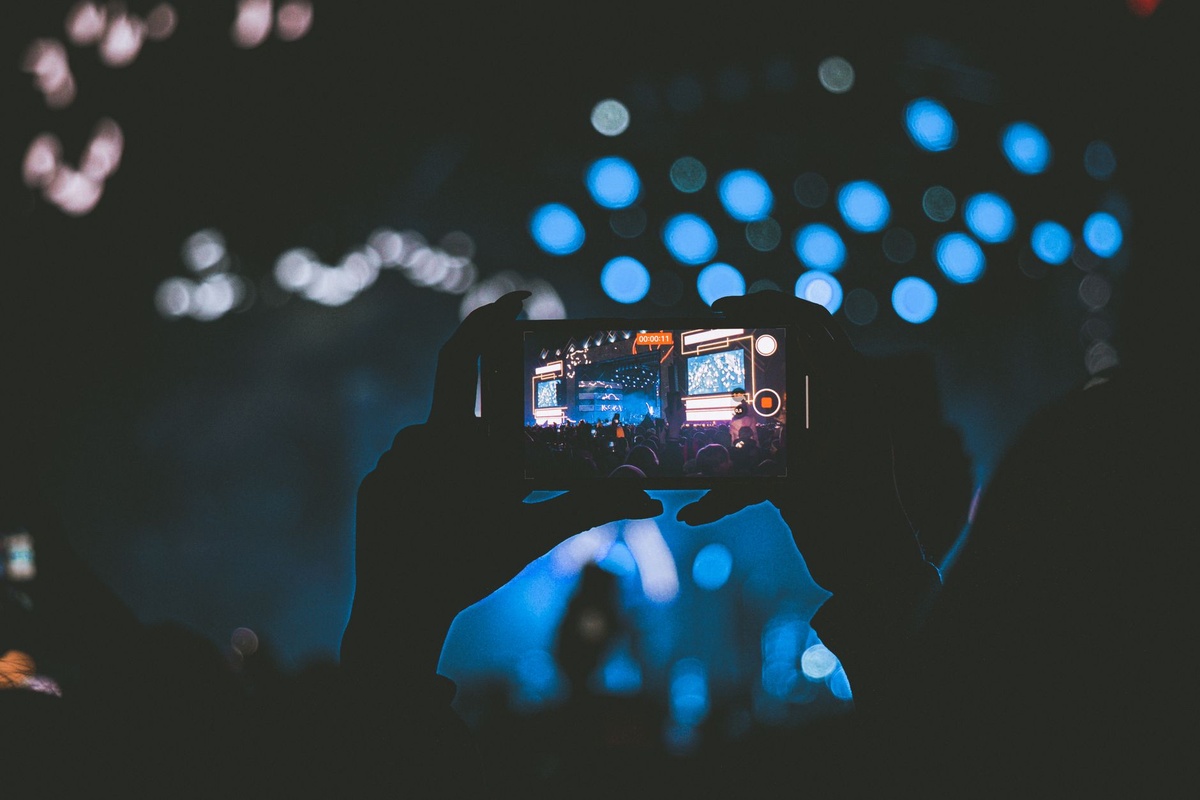
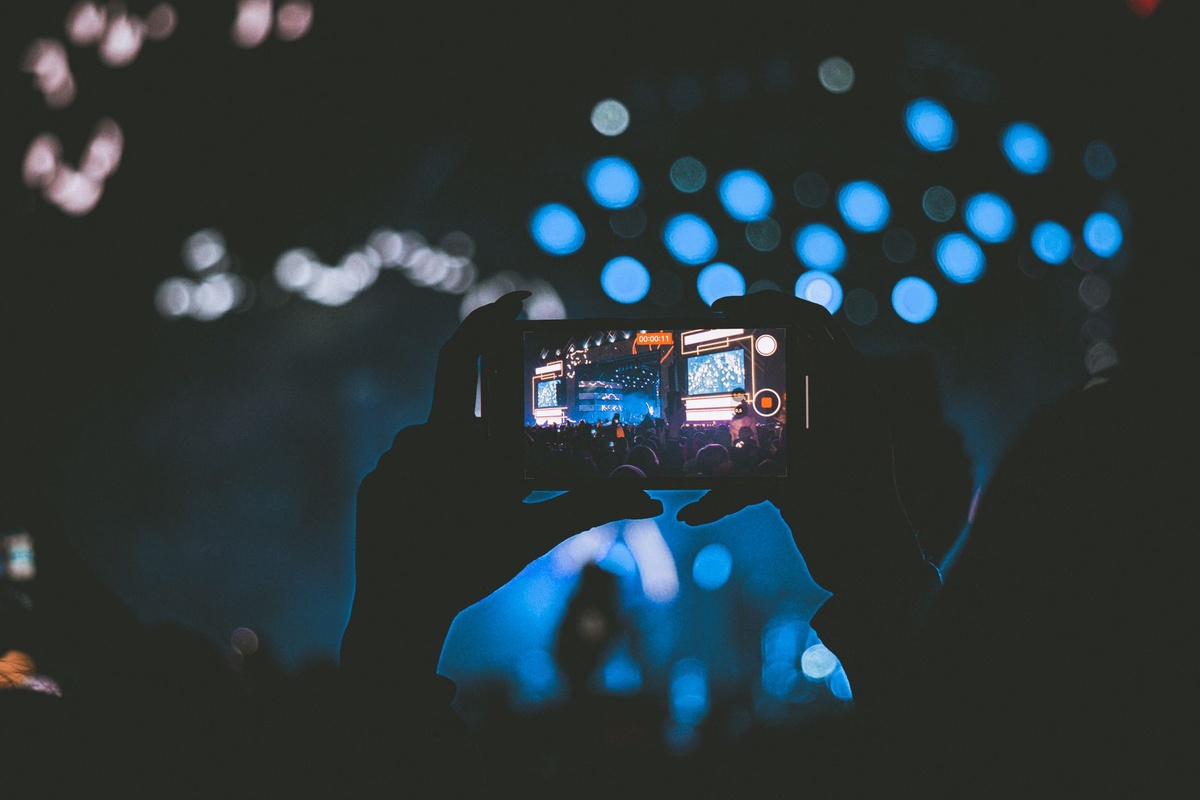
You land in Barcelona for Primavera Sound. The band starts, the crowd roars—and the stage announcements are entirely in Spanish. Or you’re at a tech conference in San Francisco and the keynote switches between English and Mandarin.
DeepL just bought Mixhalo, a live-event audio streaming company, and that scenario is about to change in a big way for travelers.
Key Takeaways
- DeepL acquired Mixhalo in June 2026 to add real-time audio streaming and translation at live events.
- Mixhalo currently streams low-latency audio (sub-50ms) to smartphones via Wi‑Fi or local networks.
- DeepL Pro plans start at $10.49/month, with enterprise pricing likely for event integrations.
- Expect pilot rollouts in U.S. venues first, as DeepL opens a San Francisco office.
- For travelers, this could mean live translated concerts, conferences, and sports events via your phone and earbuds.
What Just Happened?
DeepL, the German AI translation company known for producing more natural translations than Google Translate in side-by-side tests, has acquired Mixhalo, a U.S.-based live audio streaming platform.
Mixhalo’s tech lets event organizers stream high-quality, low-latency audio directly to attendees’ smartphones. Think concerts, conferences, sports games, film festivals.
Now combine that with DeepL’s neural translation engine.
Why this matters when you’re traveling: Language barriers don’t just exist in restaurants and train stations. They’re everywhere at large-scale events—where translators are rare and subtitles are nonexistent.
What Is Mixhalo, Exactly?
If you’ve never heard of Mixhalo, that’s normal. It’s mostly been used behind the scenes at major events.
Here’s what it does:
- Streams live audio from the stage directly to your phone
- Works over local Wi‑Fi or dedicated event networks
- Delivers audio with sub‑50 millisecond latency
- Supports thousands of concurrent users per venue
Attendees typically use their own smartphones (iPhone or Android) and standard wired or wireless earbuds.
Battery impact? In past deployments, 2–3 hours of continuous streaming drained about 15–25% on a 4,500mAh Android phone and about 20% on an iPhone 15 Pro (3,274mAh). That’s comparable to streaming Spotify on 5G.
Why this matters when you’re traveling: You won’t need to rent a bulky translation headset at a conference. Just your phone (180–220g) and your regular 4g AirPods.
Where DeepL Changes the Game
DeepL already supports 30+ languages and is widely considered more nuanced than competitors for European languages like German, French, Spanish, and Italian.
DeepL Pro pricing as of June 2026:
- Starter: $10.49/month (limited character volume)
- Advanced: $34.49/month
- Ultimate: $68.99/month
- Enterprise: Custom pricing
Event-level live translation won’t be part of the $10 plan. Expect enterprise licensing deals between DeepL and venues, festivals, and conference organizers.
But here’s the shift: instead of reading translated captions on a tiny phone screen, you could hear real-time translated audio in your ears.
Why this matters when you’re traveling: Reading subtitles in bright Mediterranean sun at an outdoor festival? Painful. Listening to translated audio through noise-canceling earbuds (like Sony WF‑1000XM5, 8-hour battery, 5.9g per bud)? Much better.
Real-World Travel Scenarios (Summer 2026)
1. European Music Festivals
Heading to Sziget in Hungary or Primavera in Spain? Artist commentary, safety instructions, and schedule changes are often local-language only.
With DeepL + Mixhalo integration, festivals could offer:
- Live translated stage announcements
- Real-time safety alerts in multiple languages
- Artist Q&A translation streams
For travelers exploring cheaper festival cities like those in our budget-friendly European summer alternatives, this makes smaller regional events more accessible—even if you don’t speak the local language.
Traveler verdict: Massive upgrade for solo travelers. Skip guessing. Plug in and understand everything.
2. Tech Conferences in the U.S. and Asia
DeepL is opening a San Francisco office as part of its U.S. expansion. That strongly suggests early adoption at:
- Tech conferences
- Startup demo days
- Developer summits
Currently, conference translation headsets weigh 150–300g and are loaned on-site. Audio quality is often compressed and slightly delayed (1–2 seconds).
Mixhalo’s low-latency stream could reduce that delay significantly, potentially under 300ms including translation processing.
Why this matters when you’re traveling: If you’re a digital nomad attending Web3 or AI events abroad, you won’t miss nuance—or networking opportunities—because of language gaps.
3. Sports Events During Peak Travel Season
Summer 2026 is packed with international sports tournaments and pre-season tours.
Stadium announcements are usually monolingual. Emergency alerts? Same story.
Live translated streams could deliver:
- Safety announcements
- Player interviews
- Press conference feeds
Traveler verdict: This isn’t just convenience. It’s safety. Clear instructions in your language during an evacuation matter.
How It Compares to Existing Translation Options
Let’s compare what travelers use today:
Google Translate (Free)
- Cost: Free
- Offline mode: Yes (language packs ~50–100MB)
- Live conversation mode: Yes
- Live event integration: No
Problem: It’s optimized for one-on-one conversation, not arena-scale events.
Traveler verdict: Keep it for taxis and menus. It won’t help at a 20,000-person concert.
AI Wearables (e.g., Timekettle WT2 Edge – $349)
- Battery: ~3 hours continuous use
- Weight: ~46g per earbud set
- Languages: 40+
These work well in small group settings. But they require paired speakers or app coordination—not practical in live concerts.
Traveler verdict: Great for business meetings. Overkill for festivals.
DeepL + Mixhalo (Future Deployment)
- Hardware: Your own smartphone + earbuds
- Latency target: Likely under 500ms total
- Scalability: Thousands of attendees simultaneously
- Cost to traveler: Likely free with event ticket
Traveler verdict: If venues include this in ticket pricing, it’s the most frictionless solution yet.
Connectivity: The Hidden Travel Factor
Here’s the catch: live audio streaming depends on stable connectivity.
Most Mixhalo deployments use:
- Dedicated local Wi‑Fi networks
- On-site edge servers to reduce latency
- Minimal reliance on public cellular data
That’s good news. You won’t burn through your 5GB eSIM data plan in Croatia.
Still, always bring:
- Fully charged phone (minimum 50% before entry)
- Power bank (10,000mAh = ~2 full charges for most phones, 180–220g)
- Wired earbuds as backup (Bluetooth interference happens in dense crowds)
Why this matters when you’re traveling: Festival days run 8–12 hours. Translation won’t help if your phone dies at sunset.
What to Expect Next (Late 2026–2027)
Here’s my prediction:
Phase 1 (U.S.): Tech conferences and premium venues adopt multilingual streams as a competitive feature.
Phase 2 (Europe): Major festivals and cultural events integrate it for tourism-heavy cities—especially places balancing overtourism and accessibility.
Phase 3 (Airlines & Airports?): Imagine live translated gate announcements streamed directly to your device. Considering how airlines are upgrading onboard experiences—like United’s enhanced dining on long-haul routes—we’re clearly in an era of premium differentiation.
Traveler verdict: If airports adopt this, it’s bigger than concerts.
Should Travelers Care Right Now?
Short answer: Yes—but don’t expect universal rollout this summer.
If you’re traveling in summer 2026, this won’t be everywhere yet. But watch for it in:
- San Francisco tech events
- Major U.S. arenas
- Flagship European festivals
When booking event tickets abroad, check:
- Does the venue offer app-based audio streaming?
- Is multilingual support included?
- Do they recommend specific earbuds?
Events that market “immersive audio experiences” are the most likely early adopters.
Bottom Line for Travelers
DeepL acquiring Mixhalo isn’t just another AI headline. It’s a practical shift in how we experience events across borders.
This summer, millions of travelers will fly for concerts, sports, and conferences. Language has always been a quiet barrier in those spaces.
If DeepL executes this well—with low latency, natural-sounding translation, and seamless app integration—it could become as standard as free Wi‑Fi at venues.
For travelers, that means fewer awkward guesses, better safety awareness, and richer cultural experiences.
And that’s tech worth packing in your pocket.
Frequently Asked Questions
Will DeepL live translation work offline at events?
Unlikely. Mixhalo typically relies on dedicated local Wi‑Fi networks inside venues, and DeepL’s AI processing requires server-side computation. Expect on-site connectivity, not full offline support.
How much will DeepL live event translation cost travelers?
Most likely it will be included in ticket prices through enterprise licensing deals. DeepL Pro plans start at $10.49/month, but live event integrations are expected to be venue-level contracts.
Do I need special headphones for Mixhalo-powered events?
No. Any wired or Bluetooth earbuds work. For long festival days, choose earbuds with at least 6–8 hours of battery life, like Sony WF‑1000XM5 (8 hours with ANC off).
How fast is the translation delay likely to be?
Mixhalo’s audio latency is under 50ms, and total translated output could stay under 500ms depending on processing. That’s significantly faster than traditional conference interpreter systems.

About the Author: Tomáš Bzirský
Founder and editor of Distratech. Based in the Czech Republic, travelling regularly from Central Europe. Writes practical travel guides and travel-tech comparisons (eSIM, apps, airports) in six languages.