You don’t need a $1,200 flagship to navigate Tokyo’s subway, scan boarding passes in Lisbon, or shoot tulip fields in the Netherlands this spring. In 2026, the best budget smartphones cost between $199 and $499 — and for most travelers, they’re more than enough.
If your phone is a tool (maps, camera, eSIM, banking, WhatsApp) rather than a status symbol, this guide is for you. I’ve focused on phones that are affordable, reliable abroad, and practical for real travel — not just impressive on a spec sheet.
Key Takeaways
- The Google Pixel 8a ($499) is the best overall budget phone for travelers thanks to its camera and 7 years of updates.
- The Samsung Galaxy A35 5G (~$399) offers excellent battery life and a bright screen for outdoor use.
- The iPhone SE (3rd gen, ~$429) is still the cheapest reliable iPhone with strong travel app support.
- Most 2026 budget phones now support eSIM — essential for avoiding roaming fees abroad.
What Actually Matters in a Budget Phone for Travel?
Before we get into picks, here’s what I look for as a frequent traveler:
- eSIM support (so you can activate a local data plan before landing)
- All-day battery (4,500mAh+ ideally)
- Bright screen (for hiking, beaches, and spring city walks)
- Reliable camera (especially night mode for food and city shots)
- Long software support (for security when using banking apps abroad)
Spring shoulder season in Europe — think Portugal’s Douro Valley vineyards or city-hopping in Italy — means long days outside. A dim screen or weak battery becomes very annoying, very fast.
1. Google Pixel 8a — Best Overall Budget Phone for Travelers
Price: $499
Display: 6.1-inch OLED, 120Hz
Battery: 4,492mAh
Software support: 7 years of OS & security updates
eSIM: Yes
If you want one simple answer: buy the Pixel 8a.
Google’s A-series has been the sweet spot for years, and in 2026 it’s still the smartest travel buy under $500. You get flagship-level photo quality thanks to Google’s image processing — which matters when you’re shooting ramen in low light in Tokyo or sunsets over Porto.
The 120Hz OLED display is bright enough for outdoor use, even during full-sun hikes. Battery life easily lasts a full sightseeing day with Maps, camera, and Spotify running.
The real win? Seven years of updates. That means this phone will still be secure in 2033 — critical if you’re using mobile banking, travel insurance apps, or storing passport scans.
Why it’s great for travelers:
- Excellent low-light photography (restaurants, night markets)
- Magic Eraser for cleaning up crowded tourist shots
- Strong global 5G band support
- Compact and easy to use one-handed
Downside: Charging is slower than some competitors, and there’s no telephoto lens.
Verdict: If you’re planning trips like those in our May 2026 shoulder-season guide, this is the best-value phone to bring.
2. Samsung Galaxy A35 5G — Best Battery Life Under $400
Price: ~$399
Display: 6.6-inch AMOLED, 120Hz
Battery: 5,000mAh
eSIM: Yes (in most regions)
If battery anxiety stresses you out more than airport security, look at the Galaxy A35.
The 5,000mAh battery comfortably lasts a day and a half of moderate use. That’s huge for long transit days — train from Rome to Florence, flight delays, or hiking in the Alps.
The display is larger and extremely bright, making it ideal for navigation in direct sunlight. Samsung’s AMOLED panels are still among the best at this price.
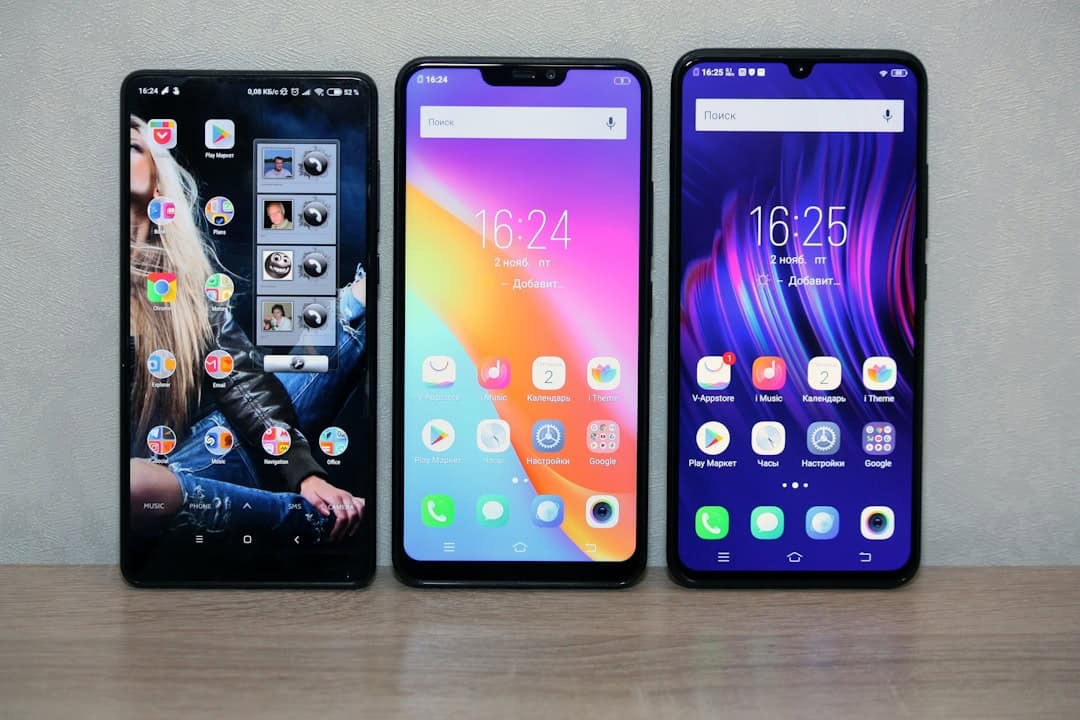
Cameras are solid but not Pixel-level. Daytime photos look great; night shots are fine but not magical.
Why it’s great for travelers:
- Big battery = fewer power bank emergencies
- MicroSD support (rare in 2026)
- Durable build with IP67 water resistance
Downside: Software updates aren’t as long as Google’s, and performance is good — not blazing.
Verdict: Best choice if endurance matters more than camera perfection.
3. iPhone SE (3rd Gen) — Best Budget iPhone (Still)
Price: ~$429 (often less on sale)
Display: 4.7-inch LCD
Battery: Small but efficient
eSIM: Yes
Yes, it looks old. Yes, it still has a home button. But it works.
The iPhone SE remains the cheapest reliable way into Apple’s ecosystem. For travelers who rely on AirDrop, iMessage, Apple Wallet, and seamless AirTag tracking, it’s still a practical option.
Performance is strong thanks to Apple’s A15 chip. The camera is surprisingly good in daylight, though it struggles in low light compared to modern Android phones.
Why it’s great for travelers:
- Works perfectly with AirTags (great for luggage)
- Excellent app optimization worldwide
- Compact and pocket-friendly
Downside: The small screen feels cramped for maps and translation apps. Battery life is just okay.
Verdict: Buy it only if you’re committed to iOS. Otherwise, Android gives you more for the money.
4. Nothing Phone (2a) — Best Design + Value Combo
Price: ~$349–$399
Display: 6.7-inch OLED, 120Hz
Battery: 5,000mAh
eSIM: Yes
If you want something that doesn’t look like everyone else’s phone in the airport lounge, the Nothing Phone (2a) is refreshingly different.
It delivers excellent performance for the price, a clean Android experience, and very good battery life. The large display is ideal for watching downloaded Netflix on long flights.
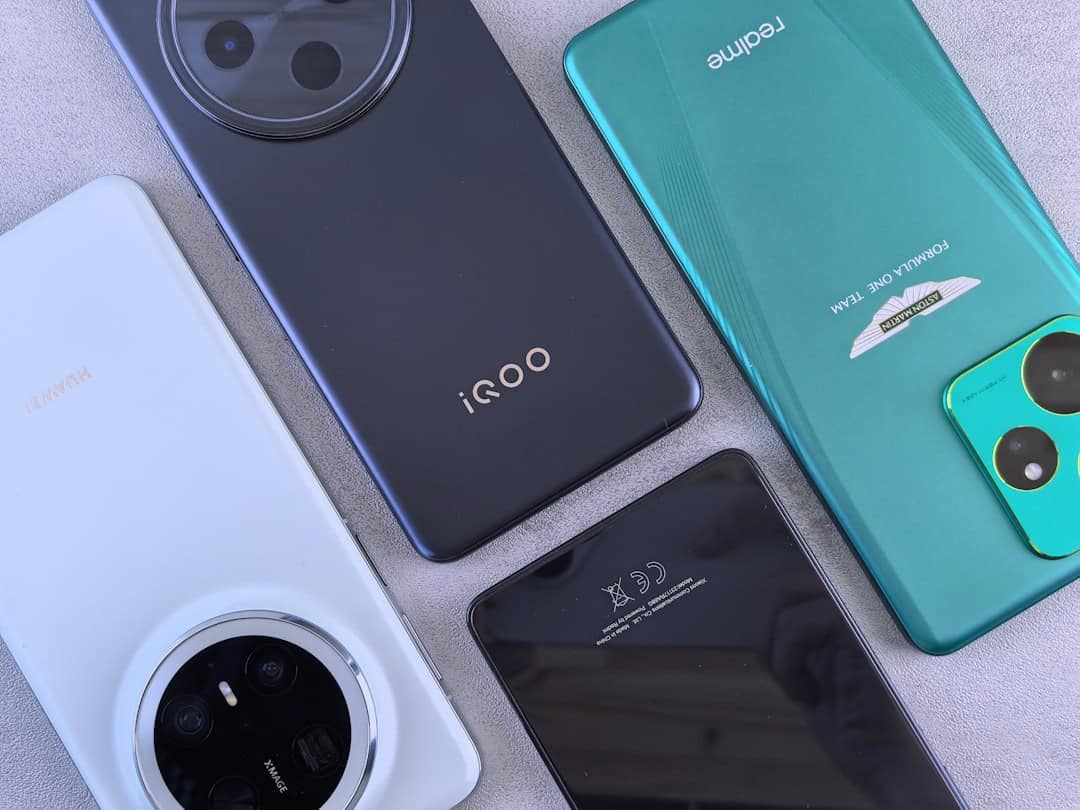
The camera isn’t flagship-level, but it’s reliable for social media and daylight travel photography — think vineyard shots in Portugal or spring markets in Amsterdam.
Downside: Limited availability in some regions and shorter update promise than Google.
Verdict: A strong mid-range pick if you want style without flagship pricing.
Budget Phone vs. Flagship: What Are You Really Giving Up?
For travel, surprisingly little.
You’re mostly sacrificing:
- Zoom lenses (5x+ optical)
- Premium materials (titanium, etc.)
- Wireless charging speed
- Top-tier gaming performance
You’re not giving up reliable maps, excellent social media photos, mobile payments, translation apps, or video calls home.
Unless you’re a professional content creator, a $400–$500 phone is more than enough for documenting trips like slurping through our Tokyo ramen guide or budgeting around Japan’s 2026 travel price changes.
Pro Tips: How to Travel Smarter With a Budget Phone
- Set up eSIM before departure. Install your travel data plan at home over Wi-Fi.
- Carry a compact 20W charger. Budget phones often don’t include one.
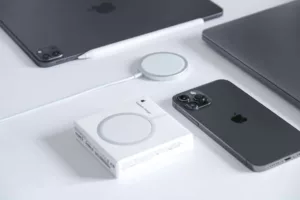
- Use MagSafe-style accessories. Many Android phones now support magnetic cases — see our guide to the best MagSafe travel accessories.
- Download offline maps. Especially useful in rural hiking areas.
- Enable theft protection features. Both Android and iOS now offer improved stolen-device protections.
Which Budget Phone Should You Actually Buy?
If you want the simplest recommendation in April 2026:
Best overall: Google Pixel 8a
Best battery: Samsung Galaxy A35 5G
Best cheap iPhone: iPhone SE
Best under $400 wildcard: Nothing Phone (2a)
For most travelers, the Pixel 8a hits the ideal balance of price, camera quality, software longevity, and international usability.
Remember: the best travel tech isn’t the most expensive. It’s the gear you don’t have to think about while you’re busy enjoying the trip.
Frequently Asked Questions
What is the best budget smartphone for travel in 2026?
The Google Pixel 8a ($499) is the best overall choice thanks to its excellent camera, eSIM support, and seven years of software updates — ideal for long-term security while traveling.
Are budget phones good enough for international travel?
Yes. Most 2026 budget phones include 5G, eSIM, strong cameras, and all-day batteries, which are more than enough for maps, translation apps, and mobile payments abroad.
Do cheap smartphones support eSIM?
Many do. Models like the Pixel 8a, Galaxy A35 5G (region-dependent), and iPhone SE support eSIM, letting you activate local data plans without swapping physical SIM cards.
How much should I spend on a phone for travel?
For most travelers, $300–$500 is the sweet spot. You’ll get a reliable camera, good battery life, and long software support without paying flagship prices above $1,000.

About the Author: Tomáš Bzirský
Founder and editor of Distratech. Based in the Czech Republic, travelling regularly from Central Europe. Writes practical travel guides and travel-tech comparisons (eSIM, apps, airports) in six languages.