In early 2026, Insta360 quietly unlocked something big: the ability to turn a simple 360-degree video into a fully explorable 3D scene you can “walk” through — no lidar scanner, no drone fleet, no Google Street View car required. All you need is a consumer 360 camera like the Insta360 X4 (from $499) and new Gaussian-splat-based software that converts footage into interactive spatial environments.
Think Google Street View, but DIY — and smoother. You can move around corners, lean closer to details, and explore depth instead of just spinning in place. For travelers, creators, and digital nomads, this isn’t a gimmick. It’s a new way to capture places in spring 2026 — from tulip fields in the Netherlands to Madeira’s cliffside levadas — and relive them in actual 3D.
Key Takeaways
- New software transforms standard 360 footage into explorable 3D scenes using Gaussian splats.
- You only need a consumer camera like the Insta360 X4 ($499) — no lidar or pro rigs.
- Ideal for travel creators, remote property previews, and immersive trip planning.
- Processing is cloud-based and currently optimized for short scenes (1–5 minutes).
What’s the “New Superpower,” Exactly?
Traditional 360 cameras let you stand in the middle of a scene and look around. That’s it. You can’t step forward, peek behind a pillar, or shift perspective meaningfully.
The new trick uses a technique called Gaussian splatting. In simple terms, AI analyzes your 360 footage and reconstructs a volumetric 3D environment made of millions of tiny data points. Instead of a flat sphere, you get depth.
Result? You can:
- Move through a space like a lightweight video game
- Shift perspective naturally (parallax actually works)
- Revisit travel locations with spatial realism
- Embed interactive scenes on websites or view them in VR
This is the first time everyday travelers can generate immersive 3D “digital twins” without professional scanning gear.
What Gear Do You Actually Need?
You don’t need a $10,000 rig. That’s the beauty of it.
As of spring 2026, here’s what works best:
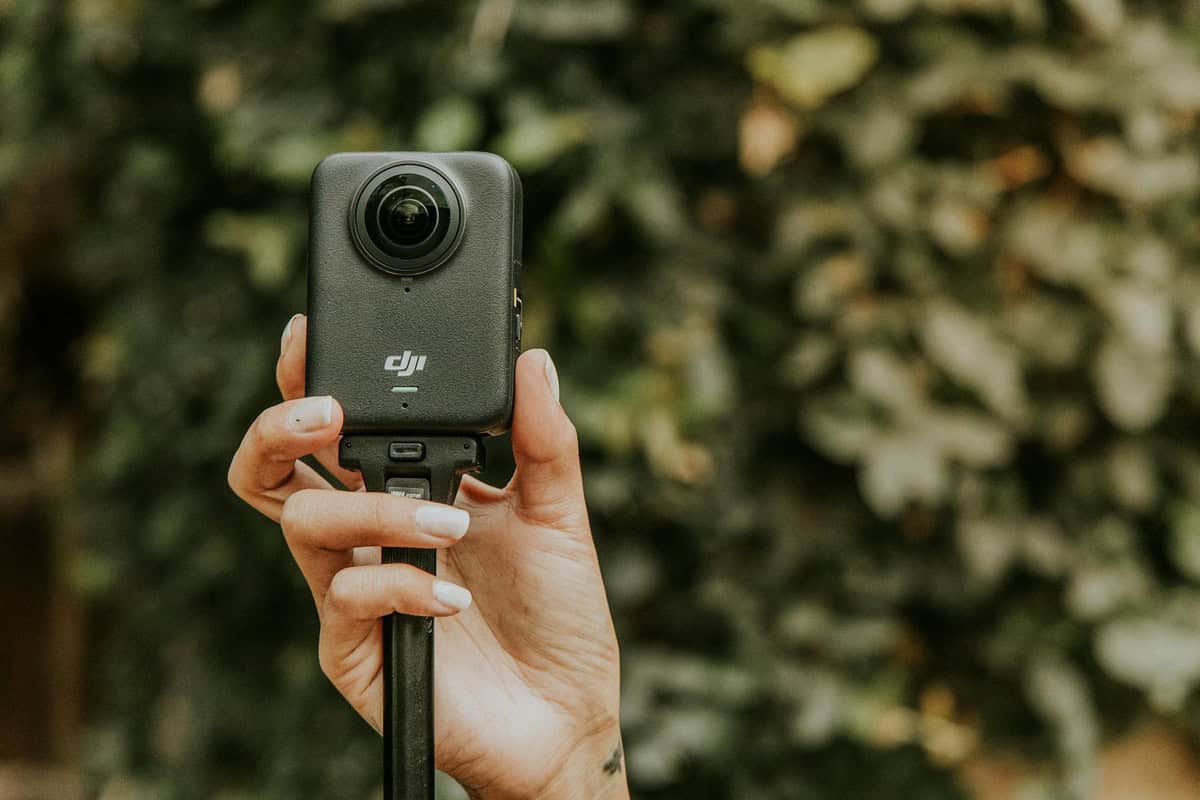
- Insta360 X4 – 8K 360 video, 1/2″ sensors, excellent stabilization (from $499)
- Insta360 ONE RS 1-Inch 360 Edition – Better low light, bulkier (around $799)
- Stable monopod or invisible selfie stick – Essential for smooth reconstruction
- Cloud processing subscription – Required for 3D scene generation
If you’re hiking this spring — say, tackling routes from our guide to Top 8 Spring Hiking Destinations in Europe for 2026 — the X4 is the sweet spot. It’s weather-resistant, light enough for day hikes, and the 8K capture gives the AI more detail to work with.
I wouldn’t recommend older 5.7K models anymore. The 3D reconstructions look noticeably softer.
Why This Matters for Travelers (Not Just YouTubers)
This isn’t just a toy for content creators. It solves real travel problems.
1. You Can Scout Locations Like a Local
Imagine visiting Milan and Cortina post-Olympics and recording a walk through a neighborhood near your hotel. Later, you can virtually revisit that street to check café options, metro entrances, or ski rental shops.
If you’re planning a trip inspired by our Milan-Cortina guide, this tech lets you build your own interactive memory map instead of relying on static photos.
2. It’s Perfect for Spring Landscapes
Spring 2026 is peak shoulder season across Europe. Wildflowers, fewer crowds, softer light.
Places like Madeira’s levadas — especially those featured in our Madeira spring hiking guide — are ideal for 3D capture. Forest depth, waterfalls, cliff edges — these environments shine with parallax. A normal video flattens them. Gaussian-based 3D preserves their layers.
3. Remote Work & Property Hunting
Digital nomads can create spatial walkthroughs of Airbnbs or coworking spaces. Instead of asking, “Is the desk near a window?” you can literally move around the room.
For slow travelers testing cities for a 1–3 month stay, that’s powerful.
4. More Authentic Social Sharing
Instagram still flattens everything. Even 360 uploads lose depth.
Hosting your own interactive scene on a personal site or portfolio makes your travel stories stand out — especially if you’re a tour guide, retreat organizer, or adventure blogger.
How to Capture Footage for Best 3D Results
This isn’t point-and-shoot. Capture technique matters.
- Move slowly and steadily — abrupt turns confuse reconstruction.
- Prioritize depth-rich environments — corridors, forests, markets, architecture.
- Avoid heavy crowds — moving people can distort geometry.
- Shoot in bright, even light — early morning or late afternoon is ideal.
- Keep clips short — 1–3 minutes works better than 20-minute recordings.
Spring shoulder season helps here. Fewer tourists mean cleaner spatial maps. Tulip fields in April? Perfect. Ibiza in August? Probably chaos.
Limitations You Should Know
This isn’t magic. Yet.
Processing time: Expect cloud rendering to take anywhere from 30 minutes to several hours depending on clip length and resolution.
Storage: 8K 360 video eats memory. A weeklong trip can easily generate 200–300GB if you’re not careful.
Battery life: The Insta360 X4 lasts about 75–90 minutes in 8K mode. Bring extra batteries for hikes.
Privacy concerns: If you’re capturing public spaces in Europe, remember GDPR. Avoid clearly identifiable faces when possible.
Is This Better Than a Drone?
Different tool, different purpose.
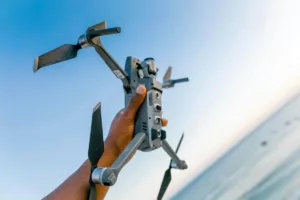
Drones give you cinematic scale. But they can’t capture interior depth, markets, museums, or forest trails easily (or legally in many EU zones).
A 360 camera with 3D reconstruction:
- Works indoors
- Is legal in more places
- Fits in your jacket pocket
- Doesn’t require flight permits
For spring city breaks or alpine villages, this is often more practical than packing a drone.
Who Should Actually Buy One in 2026?
Be honest with yourself.
Buy it if you:
- Create travel content regularly
- Run tours, retreats, or digital products
- Love documenting hikes and outdoor routes
- Work remotely and move cities often
Skip it if you:
- Only post casual Instagram stories
- Don’t want to manage large files
- Prefer quick smartphone edits
At $499–$799 plus accessories, this isn’t impulse-buy territory. But compared to professional 3D scanning setups that cost thousands, it’s surprisingly accessible.
What Happens Next?
Here’s where this gets interesting.
Expect travel booking platforms to integrate user-generated 3D walkthroughs within the next year. Hotels, boutique stays, and even hiking routes could become spatially explorable.
VR adoption is slowly climbing again in 2026. As headsets get lighter and cheaper, immersive travel archives will feel less niche and more mainstream.
If you start capturing now — during spring’s photogenic shoulder season — you’ll build a library of spatial memories before everyone else catches on.
Final Verdict: A Gimmick or a Travel Game-Changer?
Most camera “breakthroughs” are incremental. Better stabilization. Slightly sharper sensors.
This is different.
Turning simple 360 footage into explorable 3D spaces lowers the barrier to spatial storytelling. For travelers, that means deeper memories, smarter planning, and a more immersive way to share places.
Is it essential? No.
Is it the most interesting travel-tech shift of 2026 so far? Absolutely.
If you’re heading out for spring hikes, Olympic-post Italy trips, or scouting your next digital nomad base, this might be the year a 360 camera earns a permanent spot in your backpack.
Frequently Asked Questions
Do I need a special 3D camera to create explorable scenes?
No. Cameras like the Insta360 X4 (8K, from $499) can capture standard 360 video, which is then converted into a 3D scene using cloud-based Gaussian reconstruction software.
How long can a 3D scene be?
Currently, short clips (1–5 minutes) produce the best results. Longer recordings increase processing time and may reduce reconstruction quality.
Is this better than using a drone for travel videos?
It depends. Drones are better for aerial landscapes, but 360 cameras with 3D reconstruction work indoors, in cities, and on trails where drones are restricted.
Can I view these 3D travel scenes without a VR headset?
Yes. Most platforms allow browser-based exploration on a laptop or phone, while VR headsets provide a more immersive experience.

About the Author: Tomáš Bzirský
Founder and editor of Distratech. Based in the Czech Republic, travelling regularly from Central Europe. Writes practical travel guides and travel-tech comparisons (eSIM, apps, airports) in six languages.