'/%3E%3Cpath%20fill='%23b2b2b2'%20d='M241%20382q0%2016%2017%2026%2017%2011%2042%2011t42-11q16-11%2017-26V269H241'/%3E%3Cpath%20fill='%239f7e00'%20d='M241%20379q0%2014%208%2023%209%209%2021%209%2014%200%2021-9%209-9%209-23V269h-59'/%3E%3Cpath%20d='M241%20339v-70h59v110q0%2014-9%2023l-6%205v-68h-15v72q-8%200-14-4v-68zm59%2040c0%2022%2015%2032%2029%2032%2021%200%2030-18%2030-32v-40h-59'/%3E%3Cpath%20fill='%239f7e00'%20d='M266%20277v5h2v12h-3v-5h2v-5h-9v5h2v5h-4v9h3v18h-5v10h34v-10h-5v-18h3v-9h-4v-5h2v-5h-9v5h2v5h-3v-12h2v-5zm42%20101q0%2010%206%2017%206%206%2015%207%2010-1%2016-7%206-7%206-17v-29h-43'/%3E%3Ccircle%20fill='%230044ad'%20cx='329.5'%20cy='372'%20r='6'/%3E%3Cellipse%20fill='%230044ad'%20cx='300'%20cy='340'%20rx='16'%20ry='21'/%3E%3C/svg%3E)
'/%3E%3C/svg%3E)


'/%3E%3C/g%3E%3Cuse%20href='%23c'%20transform='matrix(-1%200%200%201%20720%200)'/%3E%3C/svg%3E)


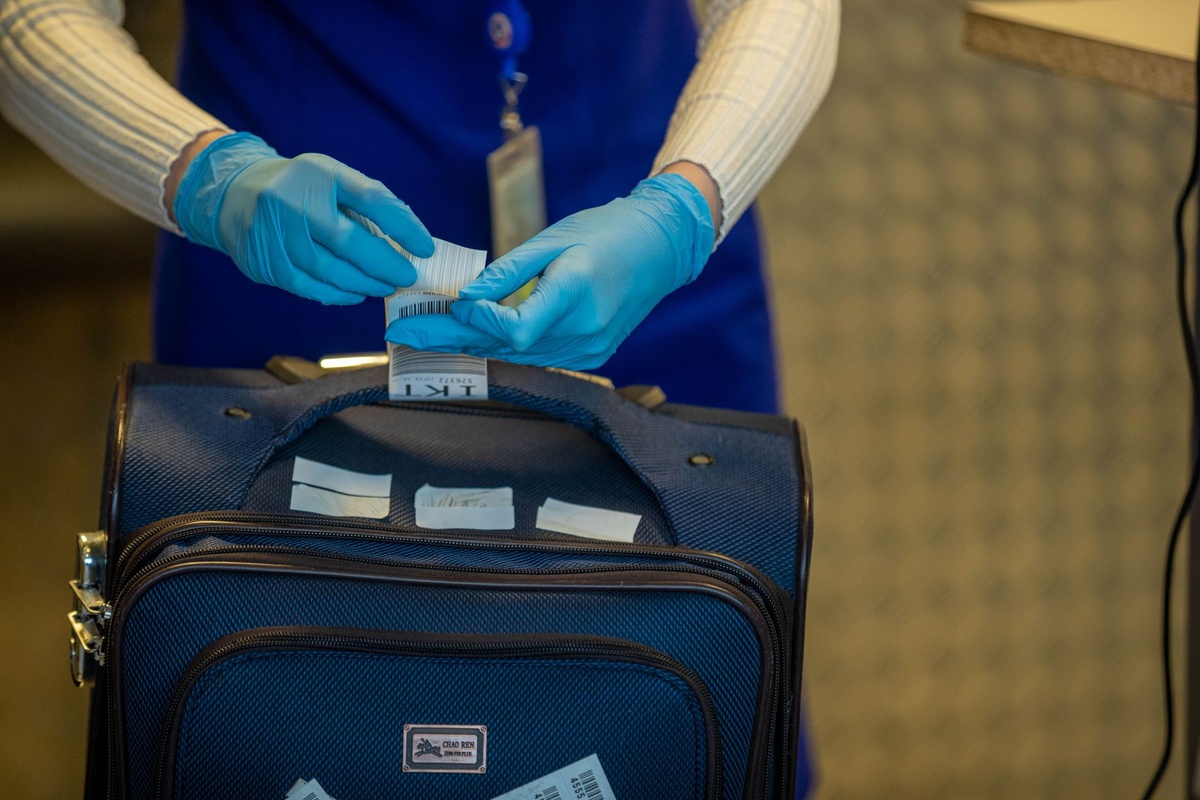
The best airport goodbye is no longer a curbside hug beside idling Ubers. TSA’s new PreCheck-related gate access perk is making it easier for approved non-ticketed visitors to go through security and accompany friends or family to the gate at select U.S. airports — useful for parents sending off students, grandparents meeting kids, nervous solo flyers, and anyone squeezing one more meal out of a September fallcation send-off.
Key Takeaways
- Non-ticketed airport gate access is free at participating airports, but you must apply online before arriving.
- TSA PreCheck costs about $77–$85 for 5 years, while Global Entry costs $120 and includes PreCheck.
- Visitor passes do not guarantee entry; TSA screening and airport capacity limits still apply.
- September is a smart month to use the perk because post-Labor Day airport crowds are lighter than July and August.
- Bring a REAL ID-compliant license or passport, and arrive 60–90 minutes before the traveler’s boarding time.
What TSA’s PreCheck Gate Perk Actually Does — And What It Doesn’t
The headline version sounds dreamy: “Go to the gate without a ticket.” The real version is more specific: at participating airports, non-ticketed visitors can apply for an airport visitor pass, clear TSA screening, and accompany or meet ticketed passengers airside.
TSA PreCheck matters because the program is increasingly being woven into faster identity verification and checkpoint access. But PreCheck alone is not a universal gate pass; you still need the airport’s approved visitor-pass process.
Think of it like this: TSA PreCheck is the trusted-traveler credential, while the airport visitor pass is the permission slip. One costs around $77–$85 for five years; the other is usually free but only valid for a specific airport and day.
| Option | Typical Cost | What It Gets You | Best For |
|---|---|---|---|
| TSA PreCheck | $76.75–$85 for 5 years | Expedited screening for ticketed travelers at 200+ U.S. airports | Frequent domestic flyers |
| Airport Visitor Pass | $0 | Non-ticketed access beyond security at select airports | Gate goodbyes, arrivals, airport dining |
| Global Entry | $120 for 5 years | Expedited U.S. re-entry plus TSA PreCheck | International travelers |
| CLEAR Plus | About $199 per year | Identity lane shortcut, not automatic gate access | Heavy travelers at busy hubs |
Skip CLEAR if your only goal is walking your kid to the gate; do a free airport visitor pass instead. CLEAR helps with ID queues, but it does not replace a boarding pass or visitor-pass approval.
Who Can Use a Non-Ticketed Visitor Pass?
Most programs are built for exactly the situations travelers actually care about: helping an elderly parent reach the gate, meeting a deployed service member, sending off an anxious teenager, or enjoying dinner with someone during a long layover. The visitor must usually be at least 18 with a valid government-issued photo ID, while minors can enter with an approved adult.
At most airports, approvals are capacity-controlled. SEA Visitor Pass, for example, has historically limited daily approvals, while programs like PHL Wingmate and ONT+ also require advance registration rather than walk-up access.
Expect the same TSA rules as any traveler: no knives, no oversized liquids, no cannabis products, no wrapped gifts that can’t be inspected. A visitor going through standard screening with a backpack may take 25–40 minutes at a busy checkpoint, compared with many TSA PreCheck lanes that TSA says often run under 10 minutes.
- Bring: REAL ID-compliant driver’s license, passport, or other TSA-accepted ID.
- Leave behind: Pocket knives, pepper spray, wine bottles, full-size toiletries, and multi-tools.
- Time it right: Arrive 60–90 minutes before boarding, not departure.
- Check the terminal: Some visitor passes work only in specific terminals or concourses.
This is especially useful in September 2026, when shoulder-season travel is in full swing. Flights to Europe for wine harvest, Oktoberfest in Munich, and alpine “altitude shift” trips are busy, but U.S. airport lines are generally calmer than peak July weekends.
Participating Airports to Check First
The biggest catch: this perk is not nationwide yet. Airport-run visitor pass programs come and go, so always confirm on the airport’s official website before promising anyone a gate goodbye.
Here are the U.S. airports I’d check first because they’ve had established visitor-access programs or active public-facing gate-pass systems. Apply through the airport website, not a third-party site.
| Airport | Program / Website | Cost | Good To Know |
|---|---|---|---|
| Seattle-Tacoma International Airport | SEA Visitor Pass | $0 | Best for plane-spotting, dining, and family send-offs; apply online before arrival. |
| Detroit Metro Airport | DTW Destination Pass | $0 | Strong option for McNamara Terminal dining and Delta gate goodbyes. |
| Philadelphia International Airport | PHL Wingmate Pass | $0 | Useful for meeting arriving family before baggage claim or grabbing airport food. |
| Ontario International Airport | ONT+ | $0 | One of the easiest Southern California airports for low-stress gate access. |
| Orlando International Airport | MCO Visitor Pass | $0 | Terminal C access has been especially popular for families and Brightline users. |
Seattle is the easiest example to understand. Downtown Seattle to SEA by Link light rail takes about 38 minutes and costs around $3.25–$3.50, while an Uber often runs $45–$70 and takes 25–50 minutes depending on I-5 traffic.
At Orlando, Terminal C is 10–15 minutes by airport train from the main A/B terminal area. If you’re coming from Walt Disney World, an Uber is typically $35–$60 for a 25–40 minute ride, while Lynx public buses can cost about $2 but take 60–90 minutes.
My take: if the airport has rail, use it. Paying $60 for an Uber just to spend 45 minutes at a gate is airport romance gone financially feral.
How to Apply for a Gate Visitor Pass
The application process is usually simple, but the timing matters. Most airports require your legal name, date of birth, gender, and ID details for security vetting, then issue a digital or printable pass if approved.
Apply the day before when possible. Same-day approval can work, but it is less reliable during Friday afternoon departures, holiday weekends, and big event periods like Oktoberfest departures to Munich or fall foliage trips to New England.
- Go to the airport’s official visitor-pass page. Use links from the airport website, not Google ads or paid “airport assistance” services.
- Enter your ID information exactly. “Mike” instead of “Michael” can trigger a mismatch.
- Choose the visit date and terminal. Some programs restrict you to a specific terminal or security checkpoint.
- Wait for approval. Many airports send confirmation by email, often with a QR code or digital pass.
- Arrive early with physical ID. A screenshot alone is not enough; TSA still checks your government ID.
- Clear security like a passenger. Standard 3-1-1 liquids rules apply unless the visitor is separately eligible for PreCheck screening.
Budget your time like you’re flying, even if you aren’t. A visitor-pass security line can take 30 minutes, and walking from security to a far concourse can add another 10–20 minutes at large airports like DTW, SEA, or MCO.
For comparison, curbside drop-off takes 5–10 minutes and costs nothing beyond transportation. A gate goodbye can take 90–150 minutes door-to-door, but it buys you a proper meal, a calmer handoff, and one last check that the traveler actually knows where their passport is.
Best Uses: Family Send-Offs, Fallcations, and Long Layovers
The sweet spot is not casual plane-spotting, though that’s fun. The real value is emotional and practical: helping someone navigate the airport without buying an extra refundable ticket as a workaround.
If your family is taking one of this year’s big September “fallcation” trips, this can be genuinely useful. Shoulder season is booming because flights are often cheaper than summer, European weather is still warm, and wine regions like Tuscany, Bordeaux, the Douro, and Mendoza are in harvest mode; we break down the trend in our guide to why fallcation travel is surging in 2026.
Here’s where the perk shines:
- College students: Walk them to the gate with checked-bag receipts, passport, medication, and charger confirmed.
- Older relatives: Stay with them until boarding instead of handing them off at curbside wheelchair assistance.
- Military families: Get a proper goodbye without hovering near TSA stanchions.
- Unaccompanied minors: Visitor passes may supplement, but do not replace airline unaccompanied minor procedures.
- Long layovers: Meet someone airside for dinner when they do not have time to exit and re-clear security.
Cost-wise, this beats buying a fully refundable ticket just to access the terminal. A refundable domestic fare can be $250–$600, and while many are refundable, you’re still tying up money and risking airline rules; a visitor pass is $0.
Skip the “buy a ticket and cancel it” hack. Do the official visitor pass instead — it’s cleaner, safer, and won’t set off airline fraud systems if you make a habit of it.
Where to Eat Airside If You’re Making the Trip Worth It
If you’re going through security without flying, at least eat better than a sad $14 pre-packaged turkey sandwich. The best visitor-pass airports have enough airside food to make the hassle worthwhile.
At Seattle-Tacoma, skip the generic coffee lines and head to Beecher’s Handmade Cheese for mac and cheese, usually around $8–$12, or Floret by Café Flora for a proper vegetarian meal around $16–$24. A downtown Seattle brunch can easily hit $30 before parking; SEA lets you turn the send-off into lunch without leaving the terminal.
At Detroit Metro, I’d prioritize the McNamara Terminal over North Terminal if your pass and traveler routing allow it. The terminal tram cuts long walks to a few minutes, while walking end-to-end can take 15–20 minutes.
At Philadelphia, skip random concourse pizza and look for local names like Federal Donuts if available in your terminal; a donut and coffee is roughly $7–$10, while a chicken sandwich meal is closer to $14–$18. That is still cheaper than airport parking plus a city detour.
Airport parking is the sneaky cost. SEA garage parking is typically about $8 per hour, while PHL short-term parking can run around $5 for the first 30 minutes and climb from there; compare that with a cell-phone lot, which is free but keeps you landside.
Tech Setup Before You Go Through Security
This is where Distratech readers can save time. Have the visitor-pass email, airline app, parking app, and traveler’s boarding details ready before you reach the terminal curb.
Download the free MyTSA app for checkpoint estimates and permitted-item searches. Pair it with Flighty if you want better delay alerts; Flighty Pro is about $48.99 per year, compared with free but slower airline push notifications.
If you’re sending someone abroad for a September wine-harvest trip or alpine escape, install their eSIM before the goodbye gets emotional. I like Airalo for simple short trips because a 1–5 GB Europe plan is usually cheaper than a $10-per-day U.S. carrier roaming pass.
For delays, remember that gate access does not change airline obligations. If the trip falls apart, check the airline’s app first and read our explainer on the new U.S. flight delay refund rule before accepting a voucher too quickly.
My airport tech rule: one shared note beats six screenshots. Put the confirmation number, gate, visitor-pass QR code, parking level, and emergency contacts in Apple Notes or Google Keep, then share it with everyone involved.
Important Limits Before You Promise a Gate Goodbye
The non-ticketed visitor pass is a privilege, not a right. TSA can deny access, airports can cap daily entries, and security conditions can suspend programs without much notice.
International departures can also complicate things. You may be allowed into the terminal, but you cannot board, enter airline lounges without eligible access, or follow the traveler through exit immigration procedures where applicable.
Airline lounge access is especially misunderstood. A visitor pass gets you airside, but an Amex Centurion Lounge guest still needs eligible cardholder access and same-day travel; no boarding pass generally means no lounge entry.
Also, don’t bring luggage unless you want extra scrutiny. A small backpack clears faster than a roller bag; in real checkpoint terms, that can be 5 minutes versus 20 minutes if TSA needs to inspect electronics, snacks, liquids, or gifts.
September is one of the best months to try this because crowds soften after Labor Day, but weekends are still busy with leaf-peeping flights, Europe harvest trips, and early holiday travel deals. For Thanksgiving week, assume visitor-pass availability will be tighter and checkpoint waits can double.
Verdict: Is TSA’s New PreCheck Gate Perk Worth It?
Yes — if you use it for the right moment. For a major goodbye, an elderly traveler, a first solo flight, or a long layover meal, a free visitor pass is far better than a curbside scramble.
No — if you’re just curious and the airport is 45 minutes away with $8-per-hour parking. In that case, track the flight from home, save the money, and meet at arrivals instead.
The move I’d make in September 2026: apply the day before, take public transit if available, arrive 90 minutes before boarding, eat somewhere local inside the terminal, and leave before the aircraft pushes back. You get the good part of airport nostalgia without pretending the airport is a shopping mall.
If this perk is available at your home airport, bookmark the visitor-pass page now. The families who plan ahead will get the gate hugs; everyone else will still be waving from the curb.
Frequently Asked Questions
Can I go through TSA security without a plane ticket?
Yes, but only at participating airports with an approved visitor-pass program. You must apply online, bring a valid government photo ID, and pass TSA screening like a ticketed passenger.
How much does a TSA airport visitor pass cost?
Most airport visitor passes cost $0. The real costs are transportation and parking, which can range from about $3.25 by Seattle light rail to $45–$70 for an airport Uber.
Does TSA PreCheck let me bring family to the gate?
TSA PreCheck by itself does not automatically let non-ticketed family members go to the gate. The visitor needs approval through a participating airport’s gate-pass program, and TSA still controls final security access.
How early should a non-ticketed visitor arrive at the airport?
Arrive 60–90 minutes before the traveler’s boarding time, not departure time. At large airports, security plus walking to the gate can easily take 40–60 minutes.

About the Author: Tomáš Bzirský
Founder and editor of Distratech. Based in the Czech Republic, travelling regularly from Central Europe. Writes practical travel guides and travel-tech comparisons (eSIM, apps, airports) in six languages.