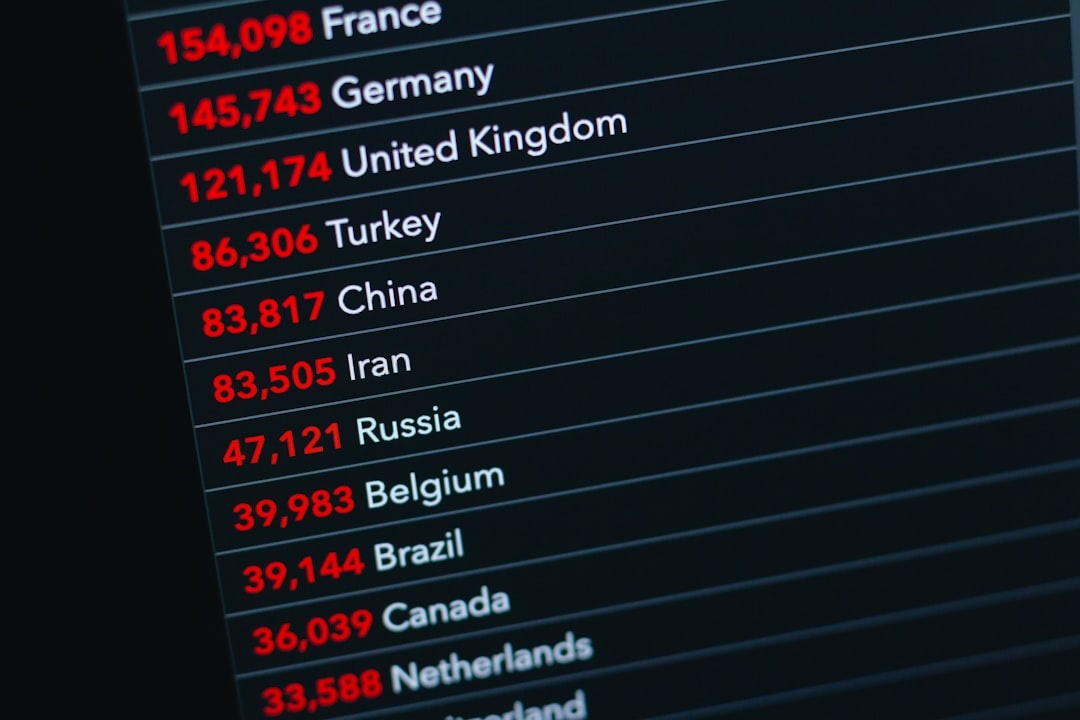
2019 was the last “normal” year for global tourism. Then came shutdowns, revenge travel, airline chaos, and a full reshuffling of where people actually want to go.
Fast forward to July 2026, and the winners aren’t always the obvious ones. Yes, Spain is packed this summer. But some countries didn’t just recover — they surged past their 2019 numbers by double digits.
Key Takeaways
- Saudi Arabia saw the biggest jump, from ~17M visitors in 2019 to 27M+ in 2025 (+60%+).
- Albania nearly doubled arrivals, hitting ~10M tourists in 2025.
- Colombia surged ~45%, boosted by new U.S. routes and digital nomad visas.
- Greece grew ~20% above 2019, despite €90 peak ferry tickets in July.
- Japan rebounded past 2019 levels in 2025, driven by a weak yen and cheap long-haul fares.
1. Saudi Arabia (+60%+ Growth)
2019: ~17.5 million visitors
2025: 27–30 million (official targets exceeded)
This is the biggest transformation story in global tourism.
Saudi Arabia didn’t just recover — it reinvented itself. New e-visas (available in under 10 minutes at visa.visitsaudi.com), mega-events like Riyadh Season, and aggressive airline expansion pushed arrivals up more than 60% compared to 2019.
Riyadh hotel rates in July 2026 average $180–250 per night at 4-star properties like the Narcissus Hotel. Compare that to $320+ in Dubai for similar quality. Flights from London are often $480 round-trip on Saudia during summer promos.
Skip: Treating it as a quick Dubai substitute.
Do instead: Pair AlUla (UNESCO desert landscapes) with Red Sea diving near Umluj.
AlUla’s Maraya concert hall now draws international acts, and entry to Hegra archaeological site costs 95 SAR ($25). It’s not backpacker-cheap — but growth numbers don’t lie.
2. Albania (+90% vs 2019)
2019: ~6.4 million visitors
2025: ~10 million
If you’ve been scrolling TikTok this summer, you’ve seen Ksamil’s turquoise water. Albania is the Mediterranean’s breakout star.
In July 2026, beachfront hotels in Sarandë average €85–120 per night — compared to €280+ in nearby Corfu. A Tirana–Sarandë bus costs €15 (5.5 hours) versus a €180 private transfer (4 hours).
Low-cost carriers (Wizz Air, Ryanair) expanded aggressively. London–Tirana round-trips regularly drop to $70–120 in shoulder season.
It’s also benefiting from Greece overflow. Travelers who discover €90 last-minute ferries between Mykonos and Santorini quickly start looking elsewhere — something we break down in our guide to ferry mistakes in Greece in July.
Pro tip for July 2026: Book Ksamil hotels 2–3 months out. Prices double inside 30 days.
3. Colombia (+45% Growth)
2019: ~4.5 million visitors
2025: ~6.5–7 million
Colombia quietly became South America’s easiest entry point.
Why the surge?
- More direct U.S. flights (Miami–Medellín from $220 round-trip on Avianca sales)
- Digital nomad visa (up to 2 years)
- Improved safety perception
In Medellín’s El Poblado, a solid Airbnb runs $40–60 per night. Compare that to Lima’s Miraflores at $80+ for similar quality.
Cartagena boutique hotels average $140 per night in July — but that’s rainy season Caribbean, meaning afternoon storms and hotel discounts of 20–30% versus January.

Bus Medellín–Guatapé: $5, 2 hours.
Private car: $70, 1.5 hours.
For 2026, Colombia is also riding the “cheapest long-haul” wave. Round-trip fares from Madrid to Bogotá have dipped to €420 — cheaper than many European summer routes.
4. Greece (+20% Above 2019)
2019: ~31 million visitors
2025: ~37–38 million
Yes, Greece was already huge. But it still grew by roughly 20%.
This July, Athens International Airport is breaking passenger records again. Americans alone are up significantly, with JFK–Athens summer fares around $650–850 round-trip — often cheaper than peak domestic U.S. flights.
Island prices reflect demand:
| Route | Ferry (July walk-up) | Flight (booked 3–4 weeks ahead) |
|---|---|---|
| Athens–Santorini | €80–100, 5–8 hrs | €60–90, 50 min |
| Athens–Crete | €45–70, 8–9 hrs | €50–85, 55 min |
Smart travelers are avoiding the Mykonos–Santorini cliché and opting for Naxos, Milos, or mainland Pelion for wild swimming.
If you’re thinking longer stays, house-sitting has exploded here. Our detailed breakdown on traveling Greece for 6 weeks with $0 rent shows how TrustedHousesitters ($169/year membership) can wipe out your biggest expense.
July tip: Meltemi winds regularly cancel high-speed ferries. Always compare flight vs ferry — price gaps are smaller than you think.
5. Japan (Finally Surpassed 2019)
2019: ~31.9 million visitors
2025: ~34–36 million
Japan’s border reopening lagged — but once it came back, it exploded.
The weak yen (¥160–170 per USD through much of 2025) made Japan 20–30% cheaper for Americans compared to pre-2020 levels.
In Tokyo:
- Business hotel (APA, Tokyu Stay): $70–110 per night
- Ramen lunch: $7–10
- JR 7-day regional pass: ~$190
Compare that to Switzerland, where basic hotels rarely dip below $220 per night.
Summer 2026 is hot and humid (35°C in Tokyo this week), but festivals and hiking in the Japanese Alps are at their peak. Meanwhile, long-haul fares from the U.S. West Coast have dropped to $620–750 round-trip — among the cheapest Asia routes this year.
6. Morocco (+30% Growth)
2019: ~13 million visitors
2025: ~17 million
Morocco benefited from Europe’s overcrowding problem.
As Spain and Portugal hit record visitor caps this summer, travelers started hopping a 1-hour ferry from Tarifa to Tangier (€45 each way, booked via FRS).
Marrakech riads average $90–140 per night for stylish mid-range stays — half the cost of comparable boutique hotels in southern Spain.
High-speed train Tangier–Casablanca:
$15, 2 hours 10 min.
Taxi same route: $180+, 4–5 hours.
With the 2030 World Cup (shared with Spain and Portugal) on the horizon, infrastructure investment is accelerating — and tourism numbers reflect that confidence.
What These Gains Tell Us (And How to Use the Trend)
Tourism growth isn’t random. It follows:
- Visa simplification (Saudi Arabia, Colombia)
- Airline expansion (Albania, Morocco)
- Currency advantage (Japan)
- Overflow from crowded neighbors (Albania vs Greece, Morocco vs Spain)
For July and August 2026 travel planning:
- Want Mediterranean water without €300 hotel nights? Albania over Amalfi.
- Chasing dry season in South America? Colombia beats Peru’s higher July rates.
- Looking for cheapest long-haul? Japan and Colombia fares are undercutting Europe.
- Avoiding peak Europe chaos? Morocco or Saudi offer infrastructure without Santorini-level congestion.
The key isn’t just “where is popular.” It’s “where is growing because it’s still relatively undervalued.”
The Surprising Losers
Not every country beat 2019.
China remains below pre-2020 inbound numbers. Thailand only recently returned to parity but hasn’t surged past it. Some Western European giants (France, Italy) are near 2019 levels — but growth is marginal, not explosive.
Translation: the action is in emerging or repositioned destinations, not traditional heavyweights.
Final Take: Follow the Momentum (Strategically)
If a country gained 40–90% more visitors than in 2019, it’s rarely an accident. It means easier visas, cheaper flights, better infrastructure — or all three.
But growth also means rising prices. Albania in 2026 isn’t Albania in 2016. Greece isn’t cheap unless you use smart tactics like house-sitting or shoulder-season flights.
The sweet spot right now? Countries still in their growth curve — not at the top of it.
If you’re planning late summer travel (or even eyeing Perseids stargazing in August), start looking at the destinations gaining momentum — before they fully price in their popularity.
Frequently Asked Questions
Which country gained the most tourists since 2019?
Saudi Arabia saw the largest percentage jump, increasing arrivals by 60% or more between 2019 and 2025, thanks to new visas and major tourism investment.
Is Albania really cheaper than Greece in 2026?
Yes. In July 2026, beachfront hotels in Albania average €85–120 per night versus €250–350 on popular Greek islands like Santorini or Mykonos.
Why is Japan so popular right now?
The weak yen made Japan 20–30% cheaper for U.S. travelers compared to pre-2020, with Tokyo hotels starting around $70 per night and round-trip flights from $650.
Are these fast-growing destinations overcrowded?
Some hotspots are (Ksamil in Albania, Marrakech medina), but overall congestion is still lower than peak Mediterranean icons like Barcelona or Santorini.

About the Author: Tomáš Bzirský
Founder and editor of Distratech. Based in the Czech Republic, travelling regularly from Central Europe. Writes practical travel guides and travel-tech comparisons (eSIM, apps, airports) in six languages.