The O Circuit in Torres del Paine is Patagonia’s full 130 km (80-mile) loop — wilder, quieter, and far more rewarding than the popular W Trek. But it’s also logistically brutal if you don’t plan ahead, especially for peak January when campsites sell out months in advance and winds regularly hit 80–100 km/h.
I’ve done the loop in high season and helped others plan it remotely. Here’s the exact step-by-step process for booking permits, ferry tickets from Puerto Natales, navigating January campsite availability, and not getting flattened by Patagonian wind.
Key Takeaways
- The O Circuit is ~130 km over 7–9 days; expect $450–$900 total depending on camps and gear rental.
- January campsites sell out 3–5 months ahead; book via Las Torres and Vertice Patagonia websites.
- Bus Puerto Natales → Laguna Amarga: $12–15 USD, 2 hours; ferry Pudeto → Paine Grande: ~$30 USD.
- Winds regularly exceed 80 km/h in January; plan early starts and secure tents aggressively.
- You must pre-book every campsite before entering the park — no wild camping allowed.
Step 1: Understand the O Circuit Route (And Why January Is Tricky)
The O Circuit includes the entire W plus the remote backside via John Gardner Pass (1,200 m / 3,937 ft). Most hikers go counterclockwise starting at Laguna Amarga.
Typical 8-day breakdown:
- Laguna Amarga → Serón (13 km)
- Serón → Dickson (18 km)
- Dickson → Los Perros (12 km)
- Los Perros → Grey via John Gardner Pass (22 km)
- Grey → Paine Grande (11 km)
- Paine Grande → Francés or Cuernos (17–20 km)
- Cuernos/Francés → Chileno (13–17 km)
- Chileno → Base Torres → exit (18–20 km)
January is peak Chilean summer. Daylight stretches to 16+ hours, temperatures range 5°C–22°C (41–72°F), but the tradeoff is wind and crowd pressure. Camps like Chileno and Grey often sell out by September for January dates.
Comparison: January = best weather + worst availability. March = cooler (3–18°C), fewer crowds, 30–40% better campsite availability.
Step 2: Book Park Entry & Campsites (The System That Confuses Everyone)
1. Park Entry Ticket
Buy online at aspticket.cl.
2026 pricing:
- Foreign adult (3+ days): ~CLP 49,000 (~$55 USD)
- Chilean resident: ~CLP 16,000
You’ll show the QR code at Laguna Amarga ranger station.
2. Campsite Reservations (Two Companies)
This is where people mess up. The park is divided between:
- Las Torres Patagonia (Serón, Chileno, Central, Cuernos, Francés)
- Vertice Patagonia (Dickson, Los Perros, Grey, Paine Grande)
You must book each campsite individually through their websites:
- Lastorres.com
- Vertice.travel
No single booking portal exists. Yes, it’s annoying.
January 2026 Campsite Prices (Per Person, Per Night)
| Campsite Type | Bring Tent | Fully Equipped (Tent + Mat + Bag) |
|---|---|---|
| Las Torres | $38–45 | $110–160 |
| Vertice | $35–40 | $95–140 |
Full O Circuit (8 nights) cost estimate:
- Bring your own tent: ~$300–350 total
- All pre-set tents: $800–1,100 total
If you’re renting gear in Puerto Natales, expect:
- Tent: $20/day
- Sleeping bag: $12/day
- Stove: $8/day
Break-even math: If trekking 8 days, renting gear (~$320) + campsite fees (~$320) ≈ $640. Pre-set camps often cost similar without carrying weight. I’d carry my own gear for the Gardner Pass day.
Peak January Availability Strategy
- Book 4–6 months ahead (August–September for January)
- Lock in Dickson & Los Perros first (they’re the bottleneck)
- Be flexible with Francés vs Cuernos — Cuernos sells out faster
- Check daily for cancellations in December
Skip third-party resellers charging 30–40% markups unless you’re truly desperate.
Step 3: Getting There — Buses & Ferry Logistics from Puerto Natales
Puerto Natales is your base. If you’re arriving during South America’s dry season (May–September), you’ll find better long-haul flight deals into Santiago — July is actually one of the cheapest months for transcontinental routes.
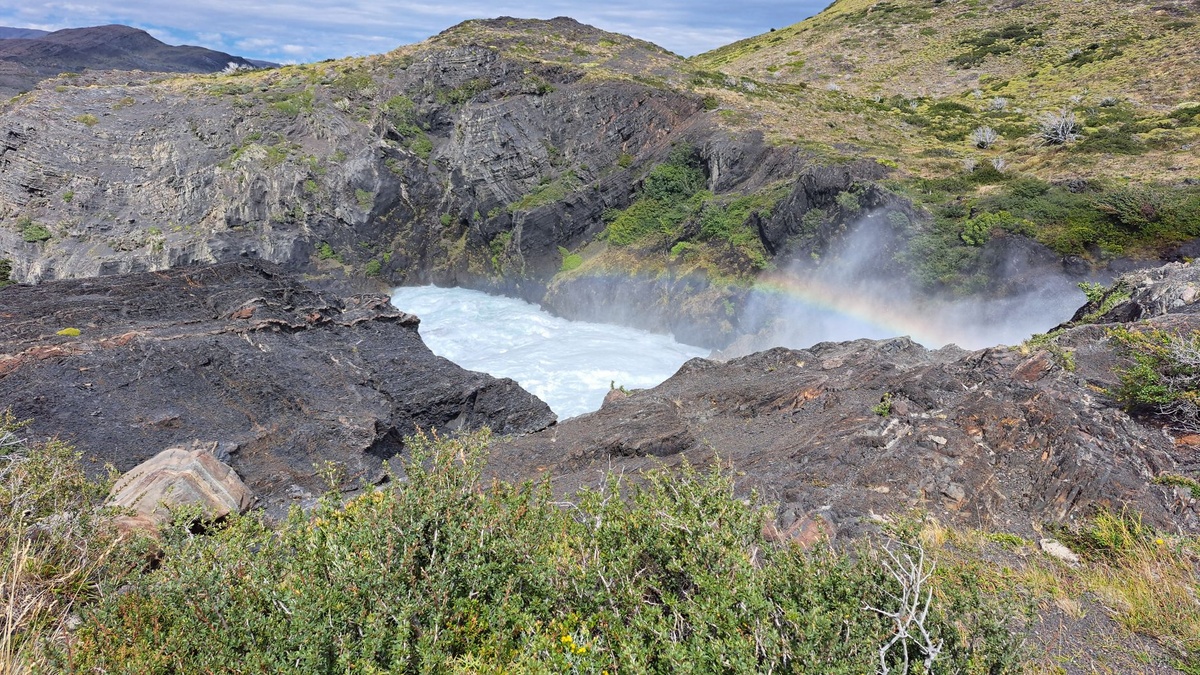
Bus: Puerto Natales → Torres del Paine
Companies: Bus-Sur, Buses Gómez.
- Cost: $12–15 USD one-way
- Time: 2 hours
- Departures: 7:00, 9:00, 14:30 (high season)
Taxi comparison:
- $120–150 USD private transfer
- 1.5 hours
Bus wins unless you’re splitting 4 ways.
Catamaran Ferry: Pudeto → Paine Grande
If starting from Paine Grande (some O hikers do), you’ll take the Hielos Patagónicos catamaran.
- Cost: ~$30 USD one-way
- Time: 30 minutes
- Schedule: 2–3 departures daily (typically 10:30, 13:30, 18:30 in summer)
- Pay by card or cash on board
In January, arrive 45–60 minutes early. It fills up after W trekkers flood in.
Pro tip: Download offline maps (Maps.me or Gaia GPS). There’s limited cell service beyond Paine Grande unless you carry satellite gear — and if you’re considering remote connectivity, read our breakdown of Starlink V5 vs V4 for travelers before lugging hardware into Patagonia. Spoiler: overkill for this trek.
Step 4: Wind Safety — The Real Danger of the O Circuit
The John Gardner Pass section is exposed and infamous. Gusts regularly hit 80 km/h (50 mph), and 100+ km/h isn’t rare.
Wind is stronger December–February. Morning is calmer. Start from Los Perros by 6:00–7:00 am.
Critical Wind Tips
- Always face sideways to gusts — never square-on
- Loosen backpack chest straps slightly to avoid choking pressure
- Use trekking poles on Gardner descent (steep + slippery)
- Double stake tents; use rocks over pegs
- Never cook in vestibules — wind spreads flames fast
I’ve seen tents flattened at Grey campsite in January because people used only 4 stakes. Use all guy lines.
Comparison: Wind risk is significantly lower in March–April, but daylight drops to 11–13 hours. Tradeoffs.
Step 5: Food Strategy — Refugio Meals vs Carrying Everything
You can book full board at most refugios:
- Dinner: $45–55
- Breakfast: $25
- Box lunch: $30
Full meal package for 7 days = ~$700. That’s more than your campsites.
Carrying food from Puerto Natales:
- Supermarket Unimarc prices for 7 days: ~$120–150
- Weight: 6–8 kg
Hybrid strategy works best:
- Carry 5 days of food
- Book dinner at Grey after Gardner Pass (hot meal morale boost)
In Puerto Natales, eat at El Asador Patagónico the night before — order the cordero al palo (around $28 USD). Skip touristy spots near the waterfront.
Step 6: Budget Breakdown — Realistic January 2026 Costs
| Category | Budget Style | Comfort Style |
|---|---|---|
| Park Entry | $55 | $55 |
| Campsites | $320 | $900 |
| Food | $150 | $700 |
| Transport (Bus + Ferry) | $60 | $60 |
| Gear Rental | $320 | $0 |
| Total | ~$905 | ~$1,715 |
Guided tours typically start at $2,500–3,200 USD. Unless you need navigation support, self-guided is straightforward.
When to Go — January vs Other Months
January: Best weather, wildflowers, longest days, highest prices.
February: Slightly fewer crowds, similar weather.
March: Cooler, golden foliage, best photography light.
November: Shoulder season, snow possible on Gardner Pass.
If you’re already in South America during the current dry season (Peru and Bolivia are excellent right now), pairing Torres del Paine with a trip to Cusco or Uyuni makes logistical sense.
Final Advice Before You Book
Book camps first. Then buy flights. Not the other way around.
Train with a loaded pack for at least 4–6 weeks. The Gardner Pass day (22 km) is not casual.
Download all confirmations offline. Bring printed copies. Patagonia Wi‑Fi is unreliable.
If you want the full Patagonia experience without the W Trek crowds Instagram loves, the O Circuit is worth every blister.
Plan early, pack smart, respect the wind — and you’ll walk one of the most spectacular long-distance loops on Earth.
Planning your Torres del Paine base before tackling the O Circuit? Find hotels in Chile near Torres del Paine and book early for January availability.
Frequently Asked Questions
How much does the O Circuit cost in 2026?
Expect $900–1,000 USD minimum if carrying your own gear and food. Comfort-style with pre-set tents and refugio meals can reach $1,700+ per person.
How far in advance should I book January campsites?
Book 4–6 months ahead (August–September for January dates). Dickson, Los Perros, and Chileno are usually the first to sell out.
Do I need a guide for the O Circuit?
No. The trail is well-marked and GPS apps work offline. Most hikers complete it self-guided unless they prefer porter support.
How bad is the wind in Torres del Paine?
Summer gusts often reach 80–100 km/h, especially near John Gardner Pass and Grey. Start early and fully secure your tent with all guy lines.

About the Author: Tomáš Bzirský
Founder and editor of Distratech. Based in the Czech Republic, travelling regularly from Central Europe. Writes practical travel guides and travel-tech comparisons (eSIM, apps, airports) in six languages.