'/%3E%3Cpath%20fill='%23b2b2b2'%20d='M241%20382q0%2016%2017%2026%2017%2011%2042%2011t42-11q16-11%2017-26V269H241'/%3E%3Cpath%20fill='%239f7e00'%20d='M241%20379q0%2014%208%2023%209%209%2021%209%2014%200%2021-9%209-9%209-23V269h-59'/%3E%3Cpath%20d='M241%20339v-70h59v110q0%2014-9%2023l-6%205v-68h-15v72q-8%200-14-4v-68zm59%2040c0%2022%2015%2032%2029%2032%2021%200%2030-18%2030-32v-40h-59'/%3E%3Cpath%20fill='%239f7e00'%20d='M266%20277v5h2v12h-3v-5h2v-5h-9v5h2v5h-4v9h3v18h-5v10h34v-10h-5v-18h3v-9h-4v-5h2v-5h-9v5h2v5h-3v-12h2v-5zm42%20101q0%2010%206%2017%206%206%2015%207%2010-1%2016-7%206-7%206-17v-29h-43'/%3E%3Ccircle%20fill='%230044ad'%20cx='329.5'%20cy='372'%20r='6'/%3E%3Cellipse%20fill='%230044ad'%20cx='300'%20cy='340'%20rx='16'%20ry='21'/%3E%3C/svg%3E)
'/%3E%3C/svg%3E)


'/%3E%3C/g%3E%3Cuse%20href='%23c'%20transform='matrix(-1%200%200%201%20720%200)'/%3E%3C/svg%3E)


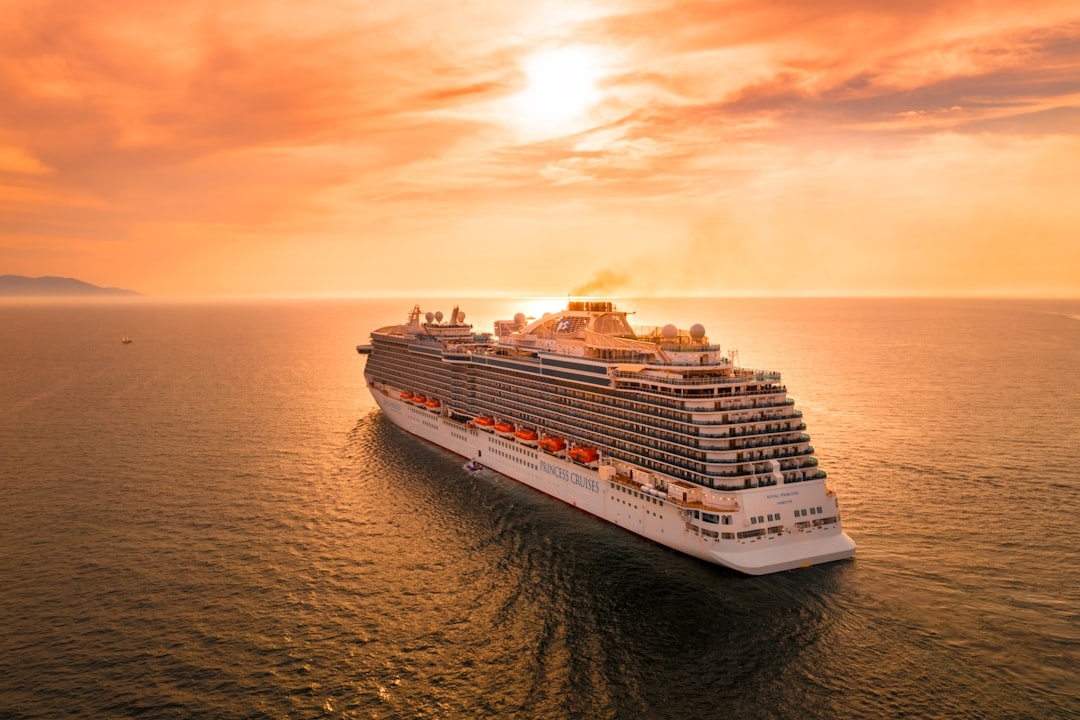
July is peak cruise season — but it’s also the start of Atlantic hurricane season (June–November) and deep monsoon across Southeast Asia. Cruise lines discount fares to fill cabins, and suddenly that $599 Caribbean itinerary looks like a steal.
Here’s the catch: when storms start shifting routes and ports get canceled, the “cheap” cruise quietly gets expensive. Fast. Especially if you’re a digital nomad counting on reliable Wi‑Fi and specific port stops.
Key Takeaways
- Hurricane-season cruise fares can drop 25–40%, but Wi‑Fi and rerouting fees can add $200–$500 per week.
- Onboard Wi‑Fi averages $20–$35/day; port SIM cards ($10–$30) are useless if your stop gets canceled.
- Travel insurance often excludes storms named before you book — policies cost $80–$250 but read the fine print.
- Missed-port compensation is usually $25–$100 onboard credit, not cash refunds.
- Monsoon Asia cruises reroute frequently, triggering $100–$300 last‑minute flight change fees.
1. Onboard Wi‑Fi Packages That Double Your “Cheap” Fare
In calm weather, you might rely on port cafés or local SIM cards. During hurricane or monsoon reroutes, you’re stuck at sea longer — and suddenly ship Wi‑Fi is your only option.
Typical 2026 pricing:
| Cruise Line | Basic Plan (per day) | Streaming Plan (per day) |
|---|---|---|
| Royal Caribbean | $22.99 | $29.99 |
| Norwegian | $24.99 | $34.99 |
| MSC | $19.99 | $29.99 |
| Carnival | $18.70 | $23.80 |
Seven-night cruise at $25/day? That’s $175. Two devices? $350. That’s half the cost of many hurricane-season fares.
And speeds drop in storms. I’ve seen 1–3 Mbps mid-Atlantic — barely enough for Zoom. Compare that to a $12 Airalo Caribbean eSIM (1GB) that works great in port… unless that port is canceled.
If you’re working remotely, share your live location with teammates or family before storms hit — here’s how to share your location on iPhone or Android in case itineraries shift unexpectedly.
2. Port Cancellations = Excursion Money Tied Up
Hurricane-season Caribbean cruises average 1–2 missed ports per 7–10 days, according to Cruise Lines International Association disruption reports from 2024–2025.
If you booked excursions through the cruise line, you’ll get a refund. If you booked independently? It depends.
Example: Cozumel reef dive.
- Ship excursion: $129 (refunded automatically if canceled)
- Independent operator: $95 via cozumelscuba.com (48-hour cancellation policy)
If the captain cancels 12 hours before arrival, your $95 may be gone.
Some operators are flexible during named storms — others aren’t. Always check refund terms in writing.
3. “Free” Onboard Credit Instead of Cash
Miss a marquee port like Grand Cayman or Santorini? Expect $25–$100 onboard credit per passenger.
That credit:
- Can’t be withdrawn as cash
- Usually can’t be applied to gratuities
- Expires at disembarkation
So you end up buying overpriced cocktails ($14 each on Royal Caribbean) or spa treatments (50-minute massage: $179).
Compare that to a $140 ferry ticket from Miami to Bimini (2 hours each way) where if weather cancels, you get a refund — not store credit.
4. Travel Insurance Loopholes for Named Storms
This is the big one.
If a hurricane is named before you buy your insurance policy, many insurers classify it as a “foreseen event.” That means no payout.
Typical 2026 travel insurance costs:
- Allianz OneTrip Basic: $85–$120 (7-day cruise, $1,000 trip cost)
- World Nomads Explorer: $150–$220
- SafetyWing Nomad Insurance (monthly): $56–$70, but limited trip interruption coverage
“Cancel for Any Reason” (CFAR) upgrades add 40–50% to your premium and usually reimburse only 50–75% of costs.
Digital nomads often assume flexible coverage applies globally — but many policies exclude itinerary changes unless the ship is fully disabled.
5. Last-Minute Flight Changes When Itineraries Shift
Monsoon season in Southeast Asia (June–October) regularly forces ships to swap Thai or Vietnamese ports for Singapore or Port Klang.
Imagine your cruise ends in Phuket instead of Singapore.
Flight change example (July 2026 pricing):
- Singapore–Los Angeles nonstop (Singapore Airlines): $980
- Phuket–Los Angeles same dates: $1,240 + $120 change fee
That’s a $380 surprise.
Budget carriers in the region charge aggressively for changes. AirAsia flight changes often cost $50–$150 plus fare difference.
6. Hotel Nights You Didn’t Plan For
Storm delays frequently push disembarkation by 12–24 hours.
Miami July hotel rates (peak summer family season):
- Hyatt Place Miami Airport: $189/night
- InterContinental Downtown: $259/night
- Budget option (Yotel Miami): $149/night
One extra night + airport transfer ($35 Uber to MIA) = $200–$300.
Compare that to planning a buffer night upfront using a Booking.com July 2026 promo code and locking in 15–20% off.
7. Gratuities Continue — Even If You’re Stuck at Sea
Automatic gratuities in 2026:
- Royal Caribbean: $18.50–$21 per person/day
- Norwegian: $20 per person/day
- Carnival: $16–$18
Seven days for two people on Royal Caribbean balcony cabin?
$18.50 × 2 × 7 = $259.
If you lose two ports to storms, you’re still paying full gratuities — even though you’re not receiving port-day services.
8. Shore Internet Plans You Can’t Use
Digital nomads often buy local SIM cards in first port.
Caribbean SIM examples:
- Digicel 7-day tourist SIM (Jamaica): $25
- Flow Bahamas prepaid: $30 for 15GB
If Ocho Rios is skipped, that SIM is useless.
Compare that to cruise Wi‑Fi: more expensive, but at least accessible anywhere at sea.
If your workflow depends on stable land-based internet, honestly skip hurricane-season Caribbean cruises and consider fixed-base travel like these surf towns with reliable summer Wi‑Fi instead.
9. Medical Costs When Seas Get Rough
Rough seas mean more injuries and seasickness visits.
Ship medical center typical pricing:
- Basic consultation: $150–$200
- IV fluids for dehydration: $120–$180
- Seasickness injection: $90
These are charged to your onboard account immediately.
Compare that to a land pharmacy in Cozumel where meclizine costs $6–$10.
10. Missed Independent Transfers
If you arranged your own port transfers (common in Europe and Asia to save money), missed stops equal lost reservations.
Example: Civitavecchia to Rome private driver:
- Pre-booked sedan via RomeCabs: €160 one way
- Train alternative: €4.60 regional train, 1h 10m
If weather skips the port, that €160 is often non-refundable within 24 hours.
Cruise-line bus transfers are pricier (often €49 per person), but automatically refunded if the port is canceled.
11. The “It’s Cheap for a Reason” Fare Trap
July–September Caribbean fares drop 30–40% compared to March–April.
Sample 2026 pricing (7-night balcony cabin, per person):
| Month | Price |
|---|---|
| March 2026 | $1,149 |
| July 2026 | $749 |
| September 2026 | $699 |
Looks like a $400 savings.
Add:
- Wi‑Fi (2 devices): $350
- 1 missed private excursion: $95
- Extra hotel night: $220
- Medical visit: $150
Total surprise costs: $815.
Your “cheap” cruise is now more expensive than peak season — with worse weather and fewer ports.
How to Protect Yourself (Especially as a Digital Nomad)
- Buy insurance immediately after booking — before any storm is named.
- Budget $25/day for Wi‑Fi if traveling June–November in the Atlantic or June–October in Southeast Asia.
- Book refundable shore excursions or pay slightly more for cruise-sponsored tours.
- Fly in 1 day early and out 1 day late — yes, it adds $150–$300, but avoids $1,000 flight chaos.
- Track storms with NOAA and Windy.com starting two weeks before departure.
If flexibility matters more than floating amenities, consider land-based alternatives during monsoon — Peru and Bolivia are in dry season right now, and Nordic hiking is at its best in July.
The Bottom Line
Hurricane and monsoon season cruises aren’t automatically a bad idea. They’re just rarely as cheap as the headline fare suggests.
If you’re purely vacationing and flexible, go for the discount. If you’re working remotely or coordinating flights across continents, factor in an extra $300–$800 buffer.
Storm-season cruising rewards flexibility — and punishes rigid schedules. Price accordingly.
Frequently Asked Questions
Are cruises cheaper during hurricane season?
Yes. Caribbean fares from July to September are typically 25–40% cheaper than peak spring pricing (e.g., $699 vs $1,149 for a 7-night balcony cabin in 2026). However, added Wi‑Fi, missed ports, and hotel nights can erase those savings.
Does travel insurance cover hurricane-related cruise cancellations?
Usually — but only if you purchased the policy before the storm was officially named. Basic policies cost $85–$220 for a weeklong cruise, and “Cancel for Any Reason” upgrades reimburse only 50–75%.
How much does cruise Wi‑Fi cost in 2026?
Expect $20–$35 per device per day depending on the cruise line. A 7-night cruise with two devices can easily cost $300–$350.
What happens if my cruise skips a port?
You’ll usually receive $25–$100 onboard credit per passenger, not a cash refund. Cruise-sponsored excursions are refunded; independent bookings may not be.

About the Author: Tomáš Bzirský
Founder and editor of Distratech. Based in the Czech Republic, travelling regularly from Central Europe. Writes practical travel guides and travel-tech comparisons (eSIM, apps, airports) in six languages.