You’re juggling sunscreen, a carry-on that barely fits the sizer, and a boarding pass glowing on your phone. A stranger glances at it for two seconds.
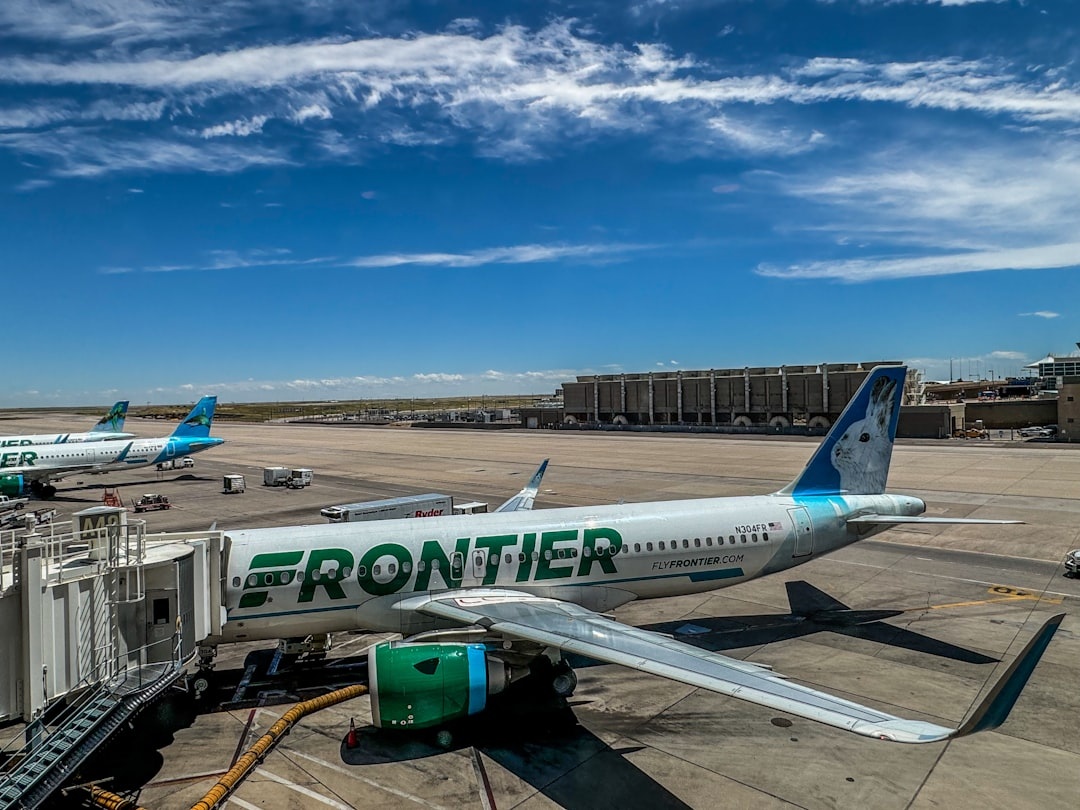
According to a security researcher cited in recent reports, that might be all it takes to access a shocking amount of personal data tied to your Frontier Airlines booking — including home address, passport details, TSA PreCheck number, and partial credit card information.
If true, this isn’t just a tech glitch. It’s a travel security nightmare — especially in peak summer 2026 when flights are packed and boarding passes are constantly exposed at beach airports, music festivals, and family destinations.
Key Takeaways
- Reports claim Frontier’s booking system exposed detailed passenger data using only a booking code and last name.
- Boarding passes display both pieces of information in plain text and barcodes.
- Leaked data allegedly included address, passport info, TSA PreCheck, and partial payment details.
- Summer 2026’s crowded airports increase the risk of shoulder-surfing and boarding pass photography.
What Allegedly Happened — And Why It’s So Easy to Exploit
The claim is simple: enter a passenger’s confirmation code (also called a PNR) and last name into Frontier’s “Manage Booking” portal, and you could access the full reservation record.
Why does this matter when you’re traveling? Because both pieces of information are printed clearly on your boarding pass — paper or digital.
A typical Frontier confirmation code is six characters (letters and numbers). It appears:
- On your boarding pass (top section)
- In the barcode/QR code
- On luggage tags
- On bag drop receipts
- On printed itineraries
If someone photographs or even memorizes that code and your last name, they may be able to access your booking.
During summer travel — think crowded Orlando departures, Las Vegas weekend runs, or family trips inspired by our NYC kid-friendly hotel guide — boarding passes get waved around constantly. That increases exposure.
What Kind of Information Was Allegedly Exposed?
According to the researcher’s findings, the accessible data reportedly included:
- Full passenger names
- Date of birth
- Home address
- Email address and phone number
- Passport details (for international trips)
- TSA PreCheck Known Traveler Number
- Partial credit card data
Why does this matter when you’re traveling? Because this is enough information to enable identity theft, targeted phishing, or even social engineering while you’re abroad.
If someone knows you’re flying to Iceland for a “coolcation” (like the ones in our Europe Coolcations 2026 index), they could time scams while you’re offline on a glacier tour with no signal.
How Serious Is a Booking Code Exposure, Really?
Some travelers shrug this off: “It’s just a booking reference.”
Bad take.
Airlines treat the combination of confirmation code + last name as authentication. It’s basically a six-character password that never changes.
Why does this matter when you’re traveling?
Because unlike a compromised password, you can’t rotate a PNR mid-trip. If someone grabs it at departure, they potentially have access for your entire journey — including return flights.
That could allow someone to:
- Cancel or modify your booking
- View passport details
- Steal loyalty account numbers
- Harvest data for identity fraud
Imagine landing in Barcelona on a €89 fare (like the deals we highlight in our cheap European cities under €100/day guide) only to discover your return leg was altered.
Even if rare, the disruption cost could be massive: last-minute transatlantic fares in July 2026 are averaging $850–$1,200 one-way.
Summer 2026 Risk Factor: Higher Than Usual
This timing makes it worse.
June through August is peak U.S. leisure travel. TSA throughput is averaging over 2.8 million passengers per day. Airports are crowded, rushed, and chaotic.
Why does this matter when you’re traveling?
Crowded environments increase:
- Shoulder surfing
- Accidental boarding pass photography
- Lost bag tag exposure
- Shared family bookings with multiple visible names
Family bookings are particularly vulnerable. One visible boarding pass can expose multiple passengers in the same reservation.
Digital Boarding Pass vs. Paper: Which Is Safer?
Short answer: digital is slightly better — but only if you handle it correctly.
Apple Wallet / Google Wallet
Pros: Screen auto-lock, Face ID protection, harder to photograph discreetly.
Cons: You still show the code at boarding and bag drop.
Printed Paper Pass
Pros: No hacking risk via phone malware.
Cons: Easy to photograph, easy to lose, confirmation code visible at all times.
Why does this matter when you’re traveling?
If you’re on a beach-hopping itinerary or bouncing between islands, paper boarding passes tend to get folded into passports and exposed repeatedly.
Traveler verdict: Use Apple Wallet or Google Wallet and avoid posting boarding pass photos on Instagram. Ever.
What Frontier Travelers Should Do Right Now
Even if the issue gets patched, the lesson applies to all airlines.
Here’s your practical action plan:
- Never post boarding passes online — even with a filter.
- Delete screenshots after travel — don’t leave them in your camera roll.
- Use credit monitoring — free options like Credit Karma (U.S.) cost $0.
- Set airline account passwords — don’t rely only on PNR access.
- Cover paper passes when not actively boarding.
Why does this matter when you’re traveling?
Because summer trips mean distractions — kids, heat, jet lag. Security hygiene slips when you’re focused on making your ferry to Mykonos.
How This Compares to Other Airline Data Incidents
Airline data exposures aren’t new. Over the past five years, multiple carriers have faced breaches via third-party vendors or loyalty programs.
The difference here is simplicity.
Why does this matter when you’re traveling?
If the barrier to access is just information printed on your ticket, the attack doesn’t require hacking skills — just observation.
That’s fundamentally different from a sophisticated database breach.
Is TSA PreCheck or Passport Data the Bigger Concern?
Passport data is more sensitive long term. Replacing a passport costs:
- $130 for a U.S. adult renewal (2026 fee)
- 6–8 weeks processing (standard)
- 2–3 weeks expedited ($60 extra)
Why does this matter when you’re traveling?
Losing passport control weeks before a planned August trip to Japan ruins your itinerary — especially if you’ve carefully mapped routes like our Kyoto temple strategy guides.
TSA PreCheck numbers are also valuable because they’re tied to identity verification databases. They shouldn’t be floating around unsecured.
Should You Avoid Frontier Because of This?
Here’s the honest take.
Ultra-low-cost carriers like Frontier offer base fares as low as $39–$79 for domestic summer routes. That’s hard to ignore.
Why does this matter when you’re traveling?
If the vulnerability is confirmed and fixed quickly, the practical risk window may be limited.
But if you’re choosing between a $59 Frontier fare and a $79 legacy carrier fare on the same route, paying the extra $20 might be worth it for peace of mind — especially for international bookings where passport data is involved.
Traveler verdict: For short domestic hops with no passport data involved, risk is moderate. For international trips, I’d lean toward carriers with stronger multi-factor account protections.
The Bigger Lesson: Your Boarding Pass Is Sensitive Data
Most travelers treat boarding passes like receipts. They’re not.
They’re authentication tokens.
Why does this matter when you’re traveling?
Because airport security focuses on physical threats. Digital privacy is your responsibility.
This summer — whether you’re chasing midnight sun in Scandinavia or squeezing into a Florida-bound Airbus — assume your boarding pass is as sensitive as your passport.
Final Take
The reported Frontier Airlines booking flaw highlights a larger issue in travel tech: airlines still rely on outdated authentication models.
A six-character code shouldn’t unlock your identity.
Until the industry modernizes with mandatory two-factor authentication for reservation access, travelers need to treat booking references like passwords.
This summer, protect your data like you protect your luggage — and don’t let a quick glance turn into a long-term identity headache.
Frequently Asked Questions
Can someone really access my flight details with just my confirmation code?
On many airlines, yes — entering the six-character confirmation code plus your last name allows access to booking details via the “Manage Trip” page. If vulnerabilities exist, more sensitive data may be visible.
Is it safe to post a boarding pass on social media?
No. Boarding passes contain your confirmation code and barcode, which can potentially be decoded to retrieve booking information. Always avoid posting them, even after your flight.
What should I do if I think my airline booking was accessed?
Immediately change your airline account password, monitor your credit card for unauthorized charges, and contact the airline to verify no changes were made. Consider credit monitoring if passport or address data was exposed.
Is a digital boarding pass safer than a printed one?
Digital passes stored in Apple Wallet or Google Wallet are generally safer because they require device unlock, but the confirmation code is still visible during boarding, so discretion is essential.

About the Author: Tomáš Bzirský
Founder and editor of Distratech. Based in the Czech Republic, travelling regularly from Central Europe. Writes practical travel guides and travel-tech comparisons (eSIM, apps, airports) in six languages.