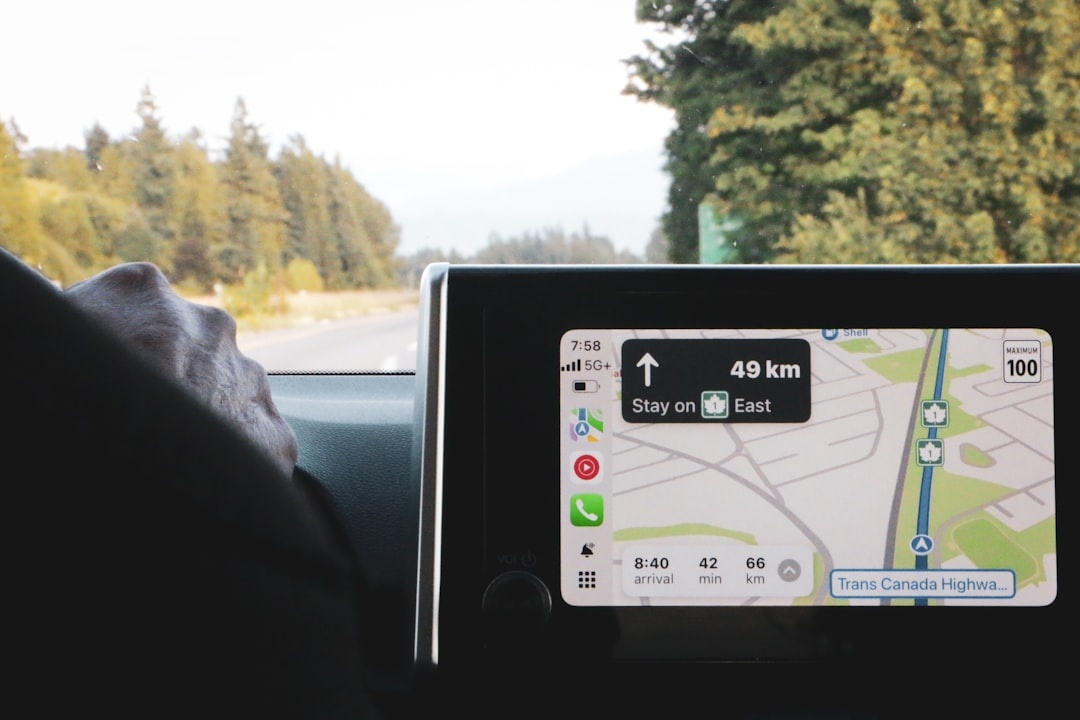
Ford just confirmed it will embed Apple Maps directly into its next-generation Universal Electric Vehicle Platform, starting with a $30,000 midsize electric pickup slated for 2027. At the same time, it’s upgrading BlueCruise, its hands‑free highway driving system.
If you’re planning summer road trips through overcrowded Mediterranean coastlines, chasing the Tour de France mountain stages, or plotting a contrarian August drive across monsoon‑discounted Southeast Asia, this tech decision matters more than it sounds.
Key Takeaways
- Ford’s next EV platform (launching 2027) will embed Apple Maps natively, starting with a ~$30,000 midsize electric pickup.
- Apple Maps integration improves EV routing with real-time charging stops and battery preconditioning.
- BlueCruise hands-free driving (currently ~$2,100 for 3 years or $75/month) is getting updates alongside the new platform.
- For iPhone users, this means tighter ecosystem integration; Android users may see fewer native perks.
What’s Actually Changing?
Today, most Ford EVs rely on SYNC infotainment with Apple CarPlay or Android Auto layered on top. It works — but it’s still your phone projecting onto the screen.
Ford’s upcoming EV platform will integrate Apple Maps directly into the vehicle’s core system. That means navigation, EV charging routing, battery monitoring, and dashboard displays will talk to each other without needing to plug in your phone.
Why this matters when you’re traveling: Native integration is faster, more stable in poor signal areas, and better at predicting range — critical if you’re driving through rural Spain during peak July traffic or navigating Peru’s dry‑season mountain roads.
The $30,000 Electric Pickup: A Budget Road-Trip Game Changer?
The first vehicle on this new platform is expected to be a midsize EV pickup priced around $30,000 before incentives. That undercuts many current EV trucks by $10,000–$25,000.
For comparison:
- Ford F‑150 Lightning: starts around $49,995
- Rivian R1T: from ~$69,900
- Tesla Cybertruck (RWD): around $60,990
A $30K EV truck opens the door for vanlife builds, camper conversions, or gear‑heavy digital nomad setups without a $70K commitment.
Why this matters when you’re traveling: If you’re planning multi-month overlanding in the Balkans or wild-swimming road trips through Scandinavia this summer, entry price determines whether EV travel is realistic — or still aspirational.
Apple Maps + EV Routing: Better Than Google?
Apple Maps has quietly improved its EV routing. It can now calculate charging stops based on:
- Current battery percentage
- Elevation changes
- Temperature impact
- Real-time charger availability
- Charging speed (kW rating)
In current Ford EVs with CarPlay, Apple Maps can already guide to compatible DC fast chargers (typically 150kW–350kW). But native integration should allow tighter battery preconditioning — warming the battery before arriving at a charger for faster speeds.
On a 150kW charger, preconditioned batteries can cut charging time by 5–15 minutes per stop. On a 1,200 km road trip, that can save 30–45 minutes total.
Why this matters when you’re traveling: In July, charging stations along France’s autoroutes and Italy’s A1 are packed. Saving 10 minutes per stop can mean arriving before the queue forms.
That said, Google Maps still has broader global POI data in parts of Southeast Asia and South America. If you’re driving during monsoon season in Thailand or heading toward Bolivia’s Uyuni region, Google may still surface more local businesses.
Traveler verdict: In North America and Western Europe, Apple Maps is now good enough. In emerging markets, Google Maps still wins for off-the-beaten-path POIs.
BlueCruise Updates: Is Hands-Free Driving Worth It?
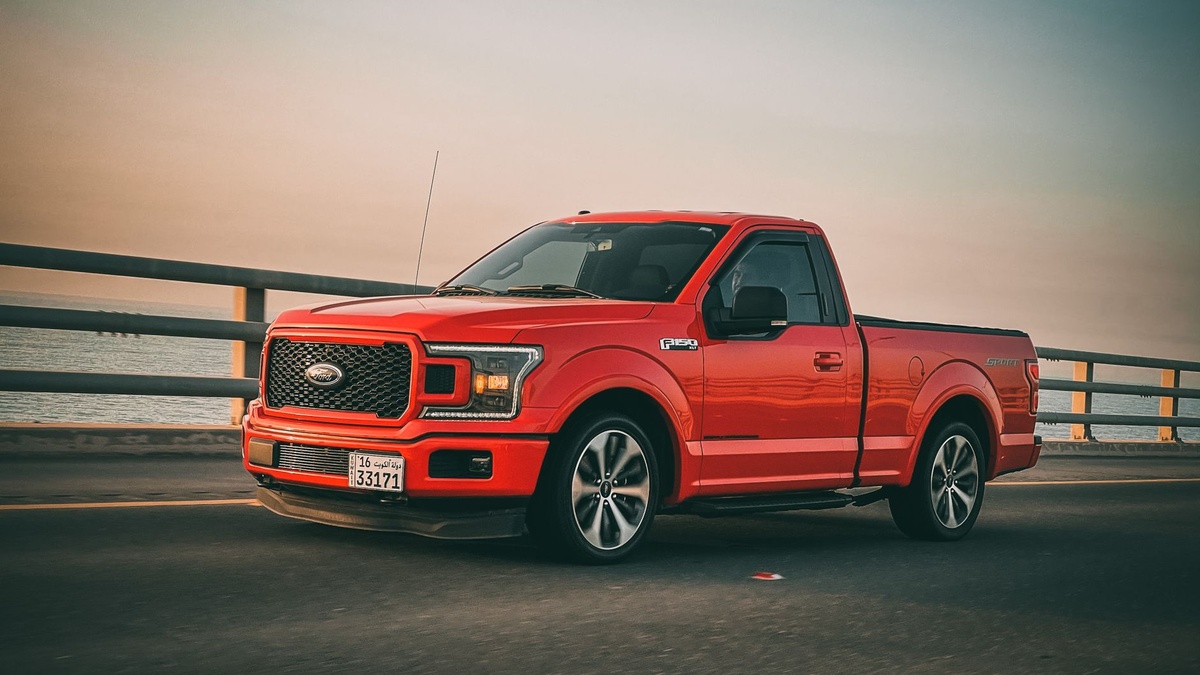
Ford’s BlueCruise currently costs about $2,100 for a three-year plan or $75 per month as a subscription (pricing varies by model and market). It enables hands-free driving on over 130,000 miles of mapped highways in North America.
In real-world testing, BlueCruise performs best on:
- Well-marked highways
- Limited-access roads
- Clear weather conditions
It struggles in heavy rain, faded lane markings, and complex European roundabouts.
Why this matters when you’re traveling: Long highway stretches — think 8 hours from Munich to the Croatian coast or endless Texas interstates — are mentally exhausting. Hands-free systems reduce fatigue, especially during peak summer traffic.
But here’s my take: If your trips are mostly short hops between Greek islands (and you’re dealing with ferry logistics like in our guide to avoiding costly ferry mistakes in July), BlueCruise won’t matter much. It’s built for highways, not port-town chaos.
Traveler verdict: For cross-country U.S. road trips: worth it. For dense European urban driving: skip the subscription and save $75/month for tolls and espresso.
iPhone Users Win — Android Users, Not So Much
This move strengthens Apple’s ecosystem inside Ford vehicles. Expect:
- Native Apple Maps on instrument clusters
- Siri voice control deeply embedded
- iPhone calendar events auto-syncing to navigation
- Seamless Apple Watch integration for vehicle access (likely)
If you’re an Android user, this raises questions. Ford will likely continue supporting Android Auto, but the deepest system-level features may lean Apple-first.
If you’re already considering switching ecosystems before a long-term trip, our breakdown of switching from iPhone to Android in 2026 covers the travel trade-offs.
Why this matters when you’re traveling: Your phone ecosystem affects everything — offline maps, AirTags for luggage tracking, hotspot stability, even how easily you unlock your car at a campsite.
Charging Network Reality in Summer 2026
Let’s talk timing. July is brutal for EV charging in tourist hotspots.
Countries that saw the biggest tourism growth since 2019 — like Albania and parts of Southern Europe — now have infrastructure playing catch-up (see our data on which countries gained the most tourists from 2019 to 2025).
More tourists = more rental EVs = more competition for fast chargers.
Apple Maps’ real-time charger availability could help drivers avoid full stations. But no software fixes physical bottlenecks.
Practical tip for summer 2026 road trips:

- Aim to charge early morning (6–8am) or late evening (after 9pm).
- Target 150kW+ chargers to minimize dwell time.
- Keep a 15–20% battery buffer in rural regions.
- Download offline maps in case of weak signal.
Why this matters when you’re traveling: EV travel is now feasible across most of Europe and North America — but timing strategy matters more than brand choice.
How This Compares to Tesla’s Approach
Tesla still owns the gold standard for vertical integration:
- Native navigation + charging network
- Automatic Supercharger routing
- Battery preconditioning built-in
- Plug-and-charge simplicity
Ford partnering deeply with Apple is a different strategy. Instead of building everything in-house, it’s leaning into Apple’s ecosystem strength.
Why this matters when you’re traveling: Tesla is simpler for first-time EV road trippers. Ford + Apple may offer more flexibility — especially if you already live in Apple’s hardware ecosystem.
But if Ford’s $30K truck delivers 250–300 miles (400–480 km) of range — which is the likely target for that price point — it could undercut Tesla’s entry models significantly.
Should Travelers Wait for the 2027 Platform?
If you’re buying an EV this summer for road trips across Norway’s peak hiking season or planning a fall overlanding route in the Balkans, waiting until 2027 may not be realistic.
But if you’re in the early research phase, here’s the strategic takeaway:
- Apple ecosystem users: Waiting could bring deeper integration.
- Budget-focused vanlife planners: $30K is disruptive pricing.
- Android loyalists: Consider how future updates might favor Apple.
Why this matters when you’re traveling: Cars are long-term purchases. Ecosystem lock-in lasts longer than a phone contract.
Final Thoughts: This Is About Ecosystems, Not Just Maps
Ford choosing Apple Maps isn’t just a navigation tweak. It’s a signal that the future of EV travel will revolve around tech ecosystems as much as horsepower and range.
For travelers, the winning setup in 2026 and beyond looks like this:
- Strong EV routing with live charger data
- Reliable hands-free highway assist
- Seamless phone integration
- Affordable entry price
If Ford delivers a $30,000 electric pickup with 250+ miles of range and deeply integrated Apple Maps, it could become the most interesting road‑trip vehicle of 2027.
For summer 2026? Focus on charger density, plan around peak tourist traffic, and choose the ecosystem that matches your digital life — not just the badge on the hood.
Frequently Asked Questions
When will Ford’s Apple Maps-integrated EVs be available?
The new Universal EV Platform is expected to debut in 2027, starting with a midsize electric pickup priced around $30,000 before incentives.
How much does Ford BlueCruise cost?
BlueCruise typically costs about $2,100 for a three-year plan or $75 per month subscription, depending on the model and region.
Is Apple Maps good enough for EV road trips in Europe?
Yes in Western Europe and North America, where charger data and routing are strong. In parts of Southeast Asia and South America, Google Maps may still offer better local POI coverage.
Will Android Auto still work in future Ford EVs?
Ford is expected to continue supporting Android Auto, but deeper system-level integration may favor Apple Maps and the Apple ecosystem.

About the Author: Tomáš Bzirský
Founder and editor of Distratech. Based in the Czech Republic, travelling regularly from Central Europe. Writes practical travel guides and travel-tech comparisons (eSIM, apps, airports) in six languages.