Edinburgh has officially joined the club. As of summer 2026, Scotland’s capital now charges a tourist tax on overnight stays — a first for the UK. If you’re heading up for peak season festivals, Fringe madness in August, or just a wild‑swim weekend in Portobello, your hotel bill is about to look slightly different.
The good news? It’s not outrageous. The less-good news? In July and August — when average room rates regularly top £250 ($320) a night — that percentage adds up fast.
Key Takeaways
- Edinburgh now charges a 5% tourist tax on overnight accommodation within the city.
- The levy is capped at 5 consecutive nights per stay.
- On a £200 ($255) room, you’ll pay £10 ($13) extra per night.
- The tax applies to hotels, Airbnbs, hostels, and serviced apartments.
- It’s charged at booking or on your final bill — not paid separately.
How Much Is Edinburgh’s Tourist Tax?
The new Visitor Levy is set at 5% of the nightly accommodation cost. It applies before extras like breakfast or parking, but after discounts.
Here’s what that actually means in real numbers during peak July pricing:
| Nightly Room Rate | Tourist Tax (5%) | Total Per Night |
|---|---|---|
| £120 ($153) | £6 ($7.65) | £126 ($160.65) |
| £200 ($255) | £10 ($12.75) | £210 ($267.75) |
| £350 ($445) | £17.50 ($22.30) | £367.50 ($467.30) |
The levy is capped at five consecutive nights. Stay seven nights? You only pay the tax on the first five.
Compared to Europe, that’s mid-range. Barcelona charges around €3.25–€7.50 per night depending on hotel category. Rome can hit €7 per night. Amsterdam runs roughly 7% of the room rate. Edinburgh sits somewhere in the middle — noticeable, but not punishing.
Who Has to Pay (and Who Doesn’t)?
If you’re staying in paid accommodation within Edinburgh council boundaries, you’ll pay.
This includes:
- Hotels (from budget chains like ibis to The Balmoral)
- Airbnbs and short-term lets
- Hostels (yes, even dorm beds)
- Serviced apartments
- Guesthouses and B&Bs
It does not apply to:
- Long-term residential rentals
- Emergency or temporary housing placements
- Cruise passengers not staying overnight
If you’re camping outside the city — say, East Lothian or the Pentlands — you won’t pay it. The boundary matters. Edinburgh Airport (EDI) is technically within the council area, so airport hotels are included.
How (and When) You Pay It
You don’t need to download an app or stand in a queue at Waverley Station.
The tax is collected directly by your accommodation provider. Depending on the booking platform, you’ll either:
- See it itemized at checkout on sites like Booking.com or Expedia.
- Pay it on arrival as part of your final bill.
- Have it included in Airbnb’s total price breakdown.
If you booked months ago for Fringe 2026, check your confirmation email. Some early reservations didn’t initially display the levy and are now adding it at check-in.
Pro tip: Always screenshot your rate breakdown. During peak August chaos, billing mistakes happen.
What This Means for Fringe & Festival Season
July and August are already Edinburgh’s most expensive months. The Royal Mile turns into a human traffic jam, and average hotel prices jump 40–70% compared to March.
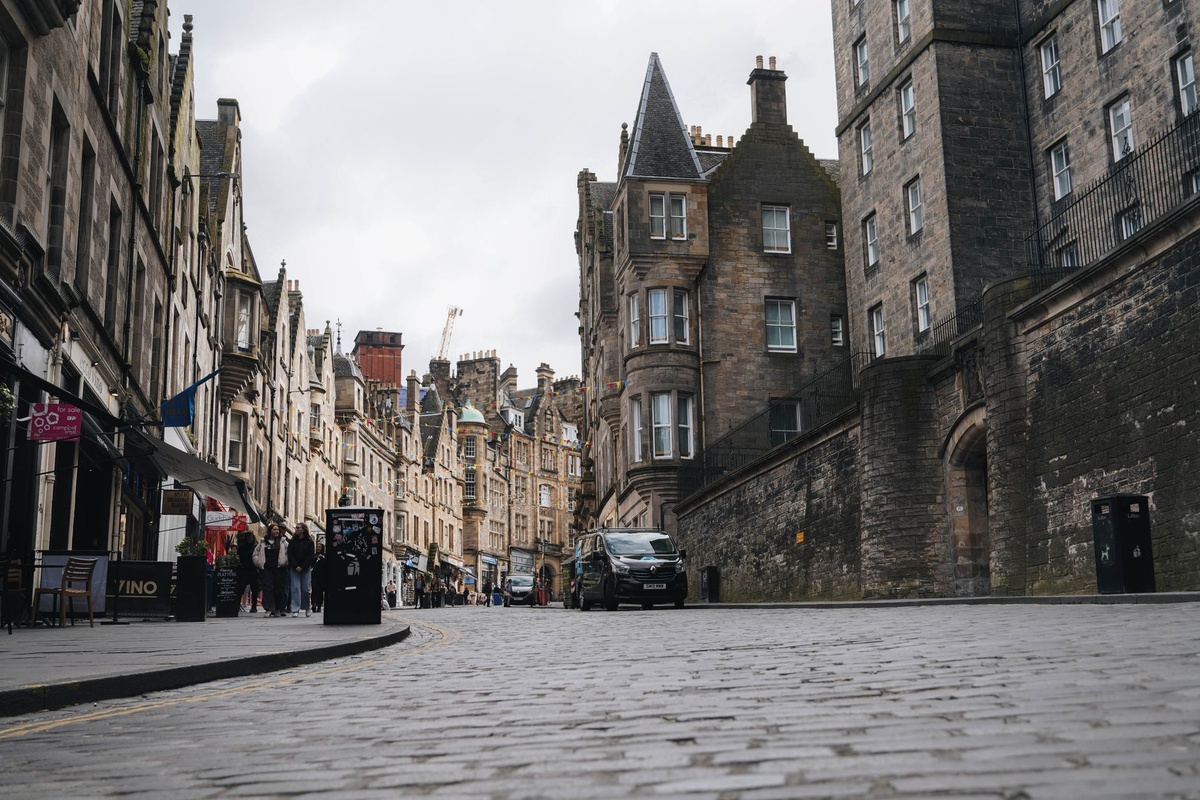
In August 2026, mid-range central hotels are averaging:
- £250–£320 per night ($320–$410) in Old Town
- £180–£240 ($230–$305) in Haymarket
- £140–£180 ($180–$230) in Leith
At £300 per night, your tourist tax adds £15 ($19) nightly — £75 ($95) over five nights. That’s basically a ticket to three Fringe shows.
If you’re price-sensitive, skip Old Town during Fringe. Stay in Leith (15 minutes by tram, £2.00 single ticket / $2.55) instead of paying £40+ per night extra for walkability.
Does This Make Edinburgh “Too Expensive”?
Short answer: not really. Long answer: it depends on when you go.
Compared to other European summer hotspots — where Mediterranean beaches are packed and prices surge — Edinburgh is actually competitive.
For example:
- Dubrovnik July hotel average: €280 ($305)
- Amsterdam July average: €240 ($260)
- Edinburgh July average: £220 ($280)
If you’re looking for a cheaper July alternative in Europe, Montenegro can be more affordable — but comes with 35°C (95°F) heat and cruise crowds in Kotor. We broke that down in our guide to cheap weekend trips to Montenegro in July.
Edinburgh’s advantage? Walkability, free museums, and cooler 18–22°C (64–72°F) summer weather.
Smart Ways to Offset the New Tax
You can’t avoid the levy, but you can outsmart the rest of your spending.
1. Book Outside the Royal Mile
Old Town convenience costs £30–£60 more per night versus Stockbridge or Leith. A 10-minute bus ride (Lothian Buses £2 flat fare) easily saves £200+ over a long weekend.
2. Stay 5 Nights, Not 6
If you’re planning a week, consider splitting stays. Since the tax caps at five nights per booking, check whether your provider applies it per reservation or per continuous stay. Ask directly.
3. Use Tech to Track Transit Costs
If you’re renting a car for Highlands add-ons, Edinburgh’s traffic cameras are strict. The latest Google Maps immersive navigation and Android Auto speedometer updates help avoid fines — especially on the A90 and city bypass. Here’s our breakdown of what’s new in Google Maps for travelers this summer.
4. Visit in Late September Instead
After Festival season, average hotel prices drop 25–35%. A £280 August room often falls to £180 ($230) by late September — meaning your 5% tax shrinks from £14 to £9 per night.
Where the Money Is Supposed to Go
The city says funds will support tourism infrastructure: street cleaning, festival crowd management, public toilets (badly needed in August), and cultural venues.
Edinburgh hosts over 4 million visitors annually — more than eight times its population during peak periods. Compared to cities like Venice (which now charges day-trippers €5–€10 just to enter), Edinburgh’s overnight-only model is relatively restrained.
If the funds actually improve public transport frequency during Fringe or reduce bin overflow on Cowgate, most visitors won’t object to £10 a night.
Should This Change Your 2026 Plans?
Not unless you were already on the fence.
Even with the levy, a 3-night mid-range stay at £220 per night looks like this:
- Room total: £660 ($840)
- Tourist tax (5%): £33 ($42)
- Total: £693 ($882)
£33 over a long weekend is less than dinner at The Witchery by the Castle (mains £32–£48 / $40–$60). Skip the overpriced Royal Mile pubs and grab a £6 craft pint at Moonwake Beer Co. in Leith instead — that’s how you balance the books.
If you’re comparing destinations for late summer, Edinburgh remains cheaper than much of Southern Europe in August and far cooler. And once the Perseids meteor shower peaks around August 11–13, you’re only a 45-minute drive from darker skies in East Lothian — no extra regional tax involved.
Bottom Line: What You’ll Actually Feel
For most travelers, Edinburgh’s new tourist tax means an extra £6–£17 per night depending on where you stay. Noticeable, yes. Trip-ruining, no.
The real cost driver remains seasonality. Travel in July or August and you’ll feel peak pricing more than the 5% levy. Come in May or late September, and the tax becomes a minor line item.
Planning a Scotland trip this summer? Price-check multiple neighborhoods, watch the five-night cap, and factor the 5% into your comparison spreadsheets. Edinburgh is still worth it — just budget smart.
If you want more sharp, no-fluff breakdowns of new travel fees, seasonal price shifts, and tech tools that save money on the road, explore more guides on Distratech before you book.
Looking for a stay in the city while planning around Edinburgh’s 2026 tourist tax? Find hotels in Edinburgh and compare options before you book.
Frequently Asked Questions
How much is the Edinburgh tourist tax in 2026?
The tax is 5% of your nightly accommodation cost, capped at five consecutive nights. On a £200 ($255) room, that’s £10 ($13) per night.
Does the Edinburgh tourist tax apply to Airbnb?
Yes. The 5% levy applies to short-term rentals, including Airbnb and serviced apartments, within the Edinburgh council area.
Is the tourist tax charged per person or per room?
It’s calculated as 5% of the total room cost, not per person. A £300 room costs £15 in tax whether one or two guests stay.
Is the Edinburgh tourist tax capped?
Yes. You only pay it for the first five consecutive nights of a stay, even if your booking is longer.

About the Author: Tomáš Bzirský
Founder and editor of Distratech. Based in the Czech Republic, travelling regularly from Central Europe. Writes practical travel guides and travel-tech comparisons (eSIM, apps, airports) in six languages.