When Cabo Verde became the smallest nation ever to qualify for the 2026 FIFA World Cup, it wasn’t just a football headline — it was a tourism spark. In June 2026, Google searches for “Cape Verde holidays” jumped 38% year-over-year, according to Google Trends, and flights from Lisbon to Sal have been selling out weeks in advance.
Now, in peak summer, travelers are trading overcrowded Mediterranean beaches for Atlantic winds, volcanic peaks, and morna music drifting from seaside bars. Cabo Verde isn’t new — but this moment has put it firmly on the radar.
Key Takeaways
- Round-trip flights from Lisbon to Sal start at €180 ($195) in July 2026; from NYC expect $750–$1,100.
- Beach resorts in Sal average $140–$220 per night in peak summer; guesthouses on Santo Antão from $35.
- Inter-island flights with BestFly cost $65–$120 one-way and take 40–55 minutes.
- July–September is windy (great for kitesurfing), with temperatures around 77–86°F (25–30°C).
Why the World Cup Spotlight Is Changing Travel to Cabo Verde
Cabo Verde has always had loyal fans — especially Portuguese and Italian travelers — but the World Cup qualification gave it global visibility. Unlike mega-destinations that crumble under hype, Cabo Verde still feels manageable.
Sal’s Amílcar Cabral International Airport (SID) handled about 1.2 million passengers in 2025. Compare that to Palma de Mallorca’s 31 million. Even with increased demand this summer, you’re not elbowing through cruise crowds.
The result? You get real infrastructure — paved roads, fiber internet in major towns, reliable 4G from CVMóvel — without the overtourism chaos.
Where Travelers Are Actually Going (And Why)
1. Sal: The Easy Entry Point
If this is your first trip, start in Sal. It’s flat, dry, and built for beach days.
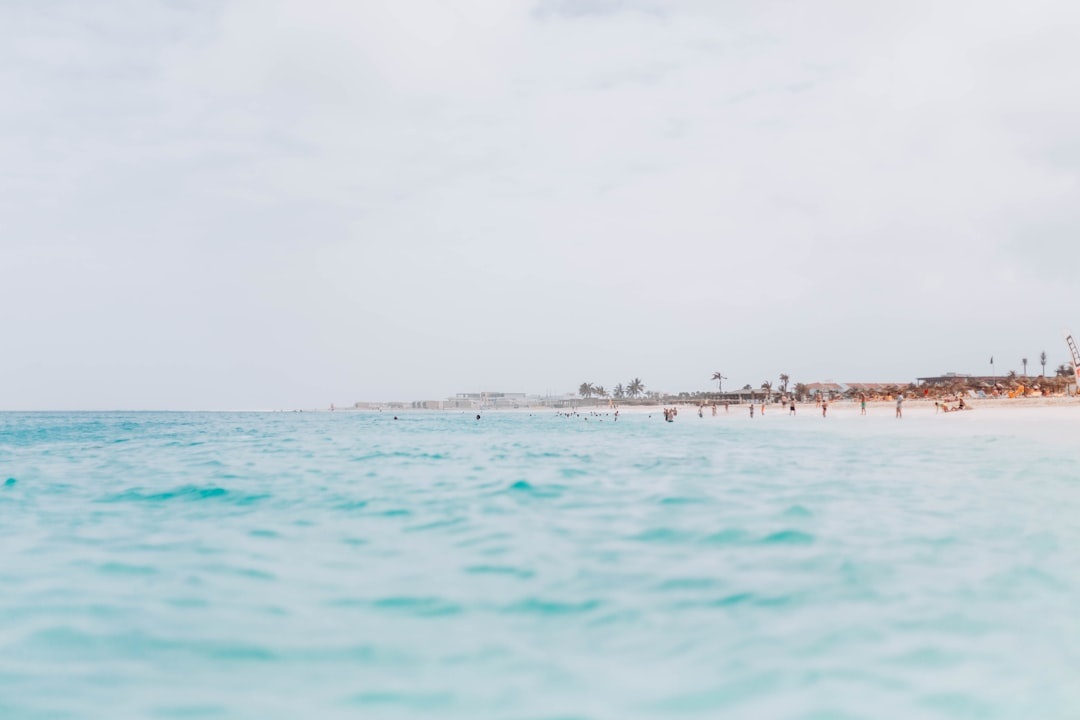
Santa Maria Beach is the main draw — powdery sand, swimmable water, and steady winds. July averages 82°F (28°C) water temperature, warmer than the Algarve and on par with southern Thailand. (If you’re comparing tropical beach trips, our Thailand first-timers route with 2026 prices breaks down similar cost structures.)
Hotel comparison (July 2026 rates):
| Hotel | Nightly Rate | Location | Best For |
|---|---|---|---|
| Hotel Morabeza | $210 | Beachfront, Santa Maria | Classic comfort, walkable town access |
| Hilton Cabo Verde | $260 | Direct beach access | Resort amenities, families |
| Ouril Pontão | $115 | Central Santa Maria | Budget-friendly, solid breakfast |
Skip all-inclusive wristband culture unless you truly plan to stay on property. Santa Maria has excellent local restaurants within a 10-minute walk — and you’ll spend $18–$25 per dinner instead of being locked into buffet food.
2. Santo Antão: For Hikers, Not Sunbeds
A 50-minute flight from Sal to São Vicente ($95 one-way with BestFly) plus a 1-hour ferry (€8 / $9) gets you to Santo Antão — dramatic, green, and wildly different.
The Paul Valley hike is the standout. Expect 4–5 hours downhill through sugarcane fields and volcanic cliffs. A local guide costs €25–€35 per person; worth it for navigation and storytelling.
Guesthouses here are simple but atmospheric. Casa Cavoquinho runs about $40 per night with breakfast. Compare that to $200+ beachfront rooms in Sal — this is Cabo Verde’s value play.
Skip rental cars unless you’re confident on steep, narrow roads. Shared “aluguers” (minibus taxis) cost €3–€6 per ride and are far more social.
3. São Vicente: Music, Nightlife, Culture
Mindelo is Cabo Verde’s cultural capital — think pastel-colored buildings and live morna music (Cesária Évora’s legacy lives here).
Catch live music at Caravela (no cover most nights, cocktails $6–$8) or book a ticket for Centro Cultural do Mindelo performances (~€10).
Compared to Sal, accommodation is cheaper and more urban. Kira’s Boutique Hotel averages $130 per night; basic pensions start around $35.
How Much Does a 7-Day Cabo Verde Trip Cost? (Peak Summer 2026)
Here’s a realistic mid-range breakdown for one person flying from Europe:
| Expense | Cost (USD) |
|---|---|
| Round-trip flight (Lisbon–Sal) | $195 |
| 6 nights hotel (avg. $160) | $960 |
| Inter-island flight + ferry | $120 |
| Food ($30/day) | $210 |
| Tours & activities | $150 |
| Total | ~$1,635 |
Compare that to a week in the Greek islands in July (easily $2,200+ with similar comfort). Cabo Verde isn’t dirt cheap — but it’s strong value for a transatlantic island experience.
What to Do Right Now (Summer-Specific Picks)
Kitesurf in Sal. July–September is peak wind season. A 2-hour beginner lesson costs around €70 ($75) with Surf Zone Cabo Verde. Equipment rental alone runs €40/day — so lessons are often smarter value.
Swim in Pedra de Lume’s salt crater. Entry is €6. It’s smaller than Bolivia’s salt flats, but you float effortlessly — and it’s a 25-minute taxi from Santa Maria ($20 round-trip vs. $3 each way by local bus, 45 minutes).
Hike at sunrise in Santo Antão. Afternoon clouds roll in this time of year. Start before 8am for clearer views and cooler temps.
Book inter-island flights early. BestFly’s small fleet fills up fast in summer. Book at least 2–3 weeks ahead at bestflycaboverde.com.
Practical Tech & Travel Tips (So You Don’t Waste Time)
- eSIM: Airalo’s Cabo Verde plan costs $9.50 for 1GB (7 days). Local CVMóvel SIM is cheaper ($10 for 5GB) but requires passport registration.
- Currency: Cape Verdean Escudo (CVE). €1 ≈ 110 CVE. Euros widely accepted in tourist areas; USD less so.
- Airport transfer: Pre-book via hotel for $25 vs. negotiating $15–$20 cash taxi on arrival.
- Power: European plug types C & F, 220V.
- Safety: Generally safe; petty theft can happen in Mindelo at night — Uber doesn’t exist, so use licensed taxis.
Wi-Fi speeds in Sal average 20–50 Mbps in hotels — workable for remote work, but not Singapore-fast. If you need serious bandwidth, test before committing to long stays.
Is Now the Right Time to Go?
Summer (July–September) is windy but lively. Expect festivals, football watch parties replaying qualification highlights, and packed beach bars. Daytime highs hover around 86°F (30°C), with low humidity compared to mainland West Africa.
October–November is calmer and slightly cheaper — hotel rates drop 15–20%. December–April is peak European winter escape season, meaning higher prices but lighter winds.
Right now, there’s an energy in Cabo Verde. Locals are proud, businesses are investing, and the world is paying attention — but it hasn’t tipped into mass-tourism overload.
Should You Go Before the Crowds Fully Arrive?
Yes — especially if you like destinations right before they explode.
Cabo Verde feels like Portugal’s islands 20 years ago: accessible but still authentic. You can spend the morning floating in a volcanic crater, the afternoon eating grilled lobster for $22 at Barracuda in Santa Maria, and the evening listening to live morna without a reservation.
The World Cup spotlight won’t fade quickly. Infrastructure upgrades are already underway, and hotel development pipelines show 1,500 new rooms planned by 2028.
If you’re curious, book the flight. Start with Sal, add one adventurous island, and don’t overplan it.
Cabo Verde just made history. You can be early to the next chapter.
Für alle, die bereits Flüge nach Kap Verde buchen, lohnt es sich, Unterkünfte früh zu vergleichen: Hotels in Kap Verde ansehen.
Frequently Asked Questions
How much does a trip to Cabo Verde cost in 2026?
From Europe, expect around $1,600–$1,800 for a 7-day mid-range trip including flights, hotels, food, and one inter-island hop. From the U.S., flights push totals closer to $2,300–$2,800.
Which Cabo Verde island is best for first-time visitors?
Sal is the easiest entry point with direct international flights, swimmable beaches, and solid hotels from $115–$260 per night. Add Santo Antão if you want hiking and dramatic scenery.
Is Cabo Verde safe for tourists?
Yes, it’s one of West Africa’s safest destinations. Use standard precautions in Mindelo at night and avoid isolated beaches after dark.
When is the best time to visit Cabo Verde?
July–September is best for wind sports and lively beach scenes (77–86°F). For calmer conditions and slightly lower prices, aim for October or November.

About the Author: Tomáš Bzirský
Founder and editor of Distratech. Based in the Czech Republic, travelling regularly from Central Europe. Writes practical travel guides and travel-tech comparisons (eSIM, apps, airports) in six languages.