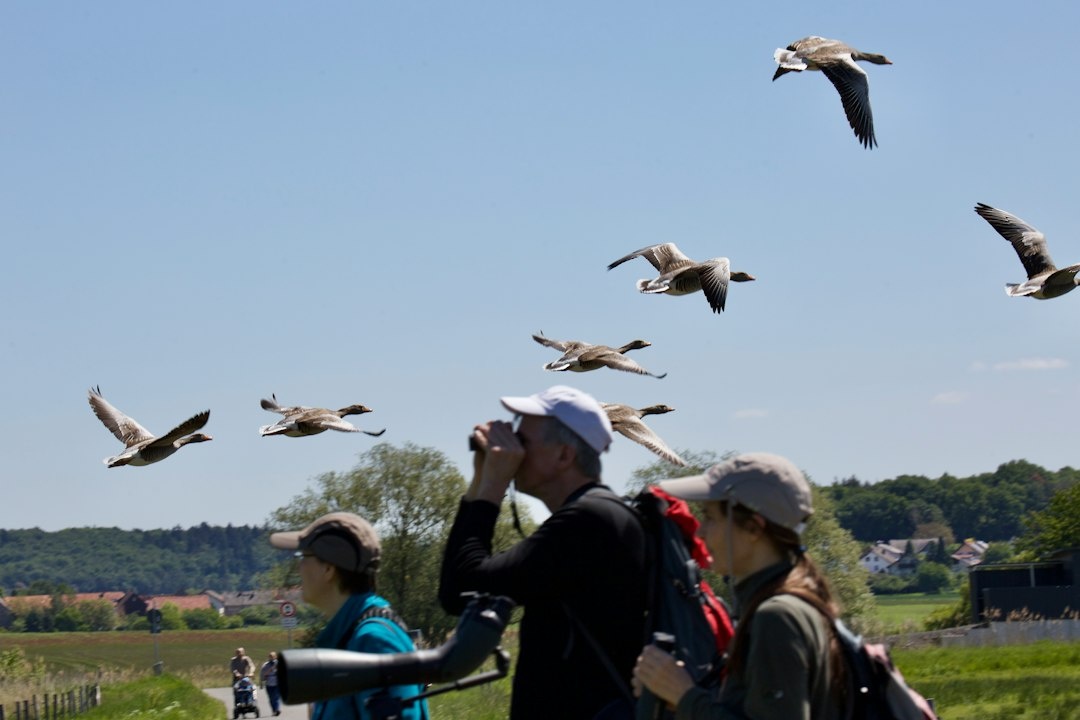
October is arguably the Algarve’s best campervan month: daytime temperatures still hover around 23–25°C, summer crowds have thinned, and three very different events can anchor a road trip. The choice is between dawn migration walks in Sagres, fairground nights in Faro, and historic race cars at the Algarve International Circuit—and the best route changes dramatically once tickets, legal overnight parking, workspace access, mobile coverage, and driving time enter the calculation.
Key Takeaways
- Sagres Birdwatching Festival runs 1–4 October 2026, with free registration but paid specialist activities generally costing €5–€45.
- Feira de Santa Iria is the cheapest route: Faro Airport is only 7 km away and fair admission is approximately €1 per evening.
- Algarve Classic Festival runs 23–25 October 2026, with weekend tickets around €25 and the circuit 72 km from Faro Airport.
- Budget €19–€38 nightly for a legal campervan pitch; do not rely on beach parking or Park4Night comments as proof that overnight stays are allowed.
- Faro has the strongest coworking and 5G coverage, while Sagres wins for nature, dark skies, and a genuinely memorable October trip.
Key Numbers at a Glance
| October 2026 route | Event dates | From Faro Airport | Typical ticket | Legal pitch | Best for |
|---|---|---|---|---|---|
| Sagres Birdwatching Festival | 1–4 October | 118 km; 1 hr 35 min | €0 entry; €5–€45 activities | €29–€38/night | Wildlife, hiking, dark skies |
| Feira de Santa Iria, Faro | 16–25 October | 7 km; 12–20 min | About €1 | €19–€28/night | Remote work, food, low costs |
| Algarve Classic Festival | 23–25 October | 72 km; 50–60 min | €15 day; about €25 weekend | €25–€35/night | Motorsport, photography |
Prices are October 2026 planning figures in euros, including taxes where published. Event programs and activity availability can change, so confirm final sessions and ticket categories on the organizer’s booking page before driving.
Which October Campervan Route Should You Choose?
- Choose Sagres if you can start before sunrise, value nature over nightlife, and do not need video-call-grade connectivity every hour.
- Choose Faro if you must work during the day, want the lowest fuel bill, or have only a two-night weekend.
- Choose Algarve Classic Festival if engine noise is part of the attraction and you are comfortable commuting from Portimão or Alvor to an inland circuit.
- Combine Faro and the Classic Festival if you have 5–7 days; they overlap on 23–25 October and sit only 75–90 minutes apart in normal traffic.
- Do not combine all three as one continuous festival itinerary unless you can spend most of October in Portugal: Sagres ends almost two weeks before Santa Iria begins.
My overall pick is Sagres. Faro is easier and the Classic Festival is louder, but watching raptors cross the headland in peak migration season gives the journey a purpose that another city fair or race weekend cannot quite match.
For people working full-time from the van, however, Faro is the rational winner. It offers supermarkets, libraries, coworking desks and multiple mobile networks within minutes rather than a 30-minute backup drive.
Route 1: Sagres Birdwatching Festival, 1–4 October 2026
Tickets, activities and booking strategy
The Sagres Birdwatching & Nature Activities Festival is not a conventional gated event. Core registration is free, while individual activities range from free talks and self-guided trails to approximately €5–€15 for guided walks and €35–€45 for boat trips.
Register through birdwatchingsagres.com. Popular boat trips, raptor walks and photography sessions can fill before free lectures do, so reserve those first rather than building your schedule chronologically.
| Sagres activity, October 2026 | Typical price | Duration | Booking priority |
|---|---|---|---|
| Festival registration and information hub | €0 | Open daily during festival | Required before activities |
| Guided migration walk | €5–€15 | 2–3 hours | High |
| Seabird or dolphin boat trip | €35–€45 | 2–3 hours | Very high |
| Talk, workshop or family session | €0–€10 | 60–90 minutes | Medium |
Plan for wind, even when Faro is calm. Early October averages around 24°C by day, but a 7:30 a.m. watch near Cabo de São Vicente can feel closer to 14–16°C once the Atlantic wind picks up.
Pack binoculars before a long telephoto lens if space is tight. A compact 8×42 pair is useful on every walk; a 400 mm camera setup is heavier, more vulnerable to dust and far less useful after sunset.
Driving route and road conditions
From Faro Airport, follow the A22 west toward Lagos and continue on the N125 and N268 to Sagres. The route is approximately 118 km and takes 1 hour 35 minutes without a grocery stop, versus about 2 hours 10 minutes if you avoid the A22 and remain on the N125.
The former electronic toll sections of the Algarve A22 have been toll-free since 1 January 2025. You still need to check a rental camper’s toll policy if your trip includes the A2 toward Lisbon, which remains tolled.
The final N268 is paved and manageable in a 6–7-metre campervan. The problems are crosswinds and narrow village parking, not mountain gradients; keep speed down when passing exposed sections around Vila do Bispo.
Where to park overnight legally
Orbitur Sagres, roughly 2 km from the village centre, is the simplest base. For October 2026, budget €29–€38 per night for two adults, a campervan and electricity, depending on vehicle size and booking conditions; check availability at orbitur.pt.
A cheaper service area may cost €10–€18, but it will usually offer less shelter, fewer showers and no dependable workspace. Saving €12 is poor value if you spend the night listening to the van rock in a coastal gale.
Skip overnighting at Cabo de São Vicente or Praia do Beliche. The landscape falls within tightly regulated coastal and protected zones, and a parked camper with blinds closed, levelling blocks out or chairs deployed is much easier to classify as camping than ordinary parking.
Portuguese rules generally prohibit motorhome overnighting in Natura 2000 sites, protected areas and areas covered by coastal management plans. Outside those areas, the national framework may allow up to 48 hours in the same municipality unless local signage imposes stricter rules—but signs on the ground take priority.
Coworking and mobile data
Sagres is adequate for email and publishing, not ideal for an immovable day of client calls. Local café Wi-Fi often falls in the 20–80 Mbps range, while 4G/5G performance can deteriorate around beaches and cliffs despite strong signal bars.
Use the municipal library or a paid hotel/café workspace in town as a weather backup. Public facilities commonly operate weekday daytime hours rather than late evenings; confirm locally before promising a 6 p.m. call.
For mobile data, Vodafone and MEO are the safer primary choices in western Algarve, with NOS as a reasonable second SIM. A prepaid package with roughly 30–100 GB typically costs €15–€25 in October 2026, compared with approximately €20–€35 for a travel eSIM of similar practical duration.
If your phone supports dual SIM, keep one Portuguese physical SIM and one eSIM from Airalo or Nomad. Download offline Google Maps and the Merlin Bird ID regional pack before leaving Faro; cliff-side dead spots are exactly where identification apps become most interesting.
Where to eat
Book A Tasca for fish, cataplana and sunset views; expect €18–€25 for a main and approximately €35–€45 per person with wine. For a faster meal, Three Little Birds is better for burgers and bowls at roughly €11–€16.
Skip the generic “international breakfast” places charging €14 for avocado toast. Buy pastries and coffee for €3–€5 at a local pastelaria, then spend the difference on a guided migration walk.
Route 2: Feira de Santa Iria in Faro, 16–25 October 2026
Admission, hours and what the fair is actually like
Feira de Santa Iria is a traditional city fair rather than a curated travel festival. Expect food stalls, household goods, regional products, children’s rides and loud fairground attractions around Largo de São Francisco.
The 2026 run is scheduled for 16–25 October. Admission is typically about €1, with individual rides commonly €3–€5 and snack portions around €4–€8; monitor Faro City Council for the final daily program.
Typical opening is late afternoon until around midnight on weekdays, extending toward 1 a.m. on Friday and Saturday. Arrive at 18:00 for food and families; arrive after 21:30 for brighter lights, louder music and longer ride queues.
The fair is walking distance from Faro’s old town, so do not move the camper merely to park closer. A €4–€7 taxi from a legal city-edge parking area is preferable to forcing a long-wheelbase van through streets designed for compact cars.
Driving and parking
Faro Airport to the city centre is only 7 km. It takes 12–20 minutes outside rush hour, compared with 25–40 minutes around weekday school and commuter periods.
The convenience comes with a catch: central Faro is good for daytime vehicle parking but poor for legal camping. Largo de São Francisco is an event and car-parking zone, not a campsite; sleeping there because another motorhome appears to be doing so is not a defensible plan.
A municipal or commercial campsite around Faro or Olhão generally costs €19–€28 for two people and a van in October 2026. From Olhão, allow approximately 12 km and 20 minutes to Faro by road, or use the regional train for roughly €2–€3 each way and avoid event traffic.
Use Park4Night to locate services, then verify legality through posted signs, the municipality or the campsite’s own booking page. User comments such as “no one bothered us” describe enforcement luck, not permission.
Why Faro wins for remote work
Faro has the best work infrastructure of the three routes. Coworking day passes generally run €12–€20, compared with limited or informal workspace options in Sagres and a likely 20 km commute between Portimão and the race circuit.
The Biblioteca Municipal de Faro is the best free alternative for quiet individual work, generally operating weekday daytime and early evening hours. It beats cafés for concentration, but paid coworking remains better for calls, ergonomic seating and guaranteed sockets.
Central Faro commonly delivers strong 4G and broad 5G coverage from MEO, Vodafone and NOS. Real-world speeds vary by congestion and building, but 100 Mbps-plus mobile downloads are plausible in the city, versus intermittent sub-20 Mbps pockets on the Sagres coast.
For paid work, buy at least 30 GB rather than the cheapest tourist bundle. One hour of HD video conferencing can consume 1–2.5 GB, so a €5 saving disappears quickly if you must top up midweek.
Food and a better evening plan
Eat one round at the fair, not every meal there. A bifana, churros and drink can total €10–€15, while repeated ride and snack purchases can turn a €1-entry event into a €50 evening.
My pick is A Venda for petiscos before the fair, where sharing plates generally cost €6–€12. À do Pinto is a solid choice for grilled fish and traditional Algarve cooking, with dinner around €25–€35 per person.
Skip the restaurants directly facing the marina if menus rely on photos and multilingual touting. Walk five minutes inland, eat better for approximately 20% less, then reach the fair on foot.
Travelers tracking detailed trip costs may also find our €1,650 Valencia travel-cost case study useful; its method of separating fixed transport costs from daily food and attraction spending works equally well for an Algarve campervan budget.
Route 3: Algarve Classic Festival, 23–25 October 2026
Tickets and race-weekend value
The Algarve Classic Festival takes place at the Algarve International Circuit near Portimão. It is the most expensive of the three events, but also the one where a full weekend ticket makes more sense than dipping in for an hour.
Budget approximately €15 for a one-day general admission ticket or €25 for the weekend, with hospitality and restricted-area packages costing substantially more. Buy through autodromodoalgarve.com and check whether paddock access is included in the category shown.
Friday is usually the quieter photography day; Saturday and Sunday provide denser racing schedules and larger crowds. If you only buy one day, choose Sunday for competitive action, but choose Friday if unobstructed car photography matters more than race results.
The drive is not to central Portimão
The circuit lies in the hills approximately 22 km north-west of central Portimão. From Faro Airport, allow 72 km and 50–60 minutes via the A22, then add at least 20–35 minutes for access queues on the busiest weekend periods.
Do not enter “Portimão” as the destination and assume the circuit will appear downtown. Save the official entrance pin offline; the surrounding rural roads offer fewer convenient places to turn around a seven-metre vehicle.
The gradients are manageable, but fuel use rises on the final hilly section. A diesel camper averaging 9 litres per 100 km on the A22 may reach 10–11 litres per 100 km around the circuit roads and in queuing traffic.
Overnight parking options
First check whether the circuit is selling a dedicated 2026 motorhome or camping package. When offered, event camping is the only option that removes the morning commute, but facilities may be basic and generators or quiet hours may be regulated.
Otherwise, use a licensed campground around Alvor or Portimão for approximately €25–€35 per night. Allow 25–35 minutes for the 20–25 km drive to the circuit before queues; at peak arrival time, that can become 45–60 minutes.
Do not assume a general spectator car park permits sleeping. A parking ticket grants vehicle access during the event, not automatically an overnight camping right.
Workspace and connectivity
The circuit is not a sensible coworking office. Mobile networks can become congested when thousands of spectators arrive, and engine noise makes calls impractical even when download speeds look acceptable.
Work from Portimão before driving inland. Paid desks typically cost €12–€20 per day, while the municipal library provides a free weekday option for quiet tasks; central Portimão also offers stronger multi-network coverage than the circuit’s hilly perimeter.
Download tickets into Apple Wallet or Google Wallet and save a PDF screenshot. A ticket that exists only inside an email app is a bad setup when cell towers are congested at the gate.
Where to eat
Track food is convenient but rarely memorable: allow €8–€12 for a sandwich or simple hot meal and €2–€4 for water or coffee. Bring water and a packed breakfast, then save dinner for Portimão.
Taberna da Maré near the riverside is the better post-race choice for seafood and regional dishes, with dinner around €25–€40 per person. For grilled sardines in season, the traditional restaurants near the old fish-quarter streets offer better value than Praia da Rocha’s beachfront menus.
Cost Comparison: Three-Night Campervan Weekends
The following budgets assume two adults sharing one campervan, three nights, home-cooked breakfasts, one restaurant dinner, and diesel at a planning price of €1.67 per litre in October 2026. Campervan rental is excluded because owners pay nothing while rental quotes vary from roughly €85 to €145 per day.
| Cost for two | Sagres | Faro | Classic Festival |
|---|---|---|---|
| Event tickets/activities | €90 | €22 | €50 |
| Three legal overnights | €105 | €72 | €90 |
| Fuel from/to Faro Airport | €38 | €8 | €29 |
| Groceries | €75 | €75 | €75 |
| One restaurant dinner | €75 | €65 | €70 |
| Coworking/data allowance | €40 | €45 | €40 |
| Total excluding van rental | €423 | €287 | €354 |
With a camper rental at €105 per day, add €315, bringing the three-night totals to approximately €738 for Sagres, €602 for Faro and €669 for the Classic Festival. Faro is €136 cheaper than Sagres, principally because it eliminates long-distance fuel and expensive nature activities.
A Costed Seven-Day Faro and Classic Festival Plan
- 22 October: Collect the van at Faro Airport, buy groceries and sleep at a legal Faro-area site; approximately €68 including pitch, food and fuel.
- 23 October: Work from Faro until 15:00, visit Feira de Santa Iria after dinner; approximately €47 for coworking, fair entry, rides and food.
- 24 October: Drive 72 km to the circuit, attend the Classic Festival and sleep near Alvor or Portimão; approximately €72.
- 25 October: Second race day, then dinner in Portimão; approximately €90 for two including ticket allocation, meals and pitch.
- 26 October: Remote-work day in Portimão and a late walk at Praia do Alvor; approximately €58.
- 27 October: Coast day around Lagos, with no attempt to overnight at the beach; approximately €63.
- 28 October: Return 75–85 km to Faro Airport, refuel and empty waste at an authorized service point; approximately €50 plus rental.
The seven-day operating total is approximately €448 for two before rental. Add €735 for a seven-day van at €105 daily, producing a realistic total of €1,183, excluding flights and the refundable rental deposit.
Practical Technology Setup
Install Google Maps for navigation, Organic Maps as an offline backup, Windy for Atlantic wind forecasts, and Merlin Bird ID for Sagres. Park4Night is useful for finding water and waste points, but municipal signs remain more authoritative than app listings.
Carry a 12V USB-C charger capable of at least 65W. Charging a laptop through an inverter consumes more energy than direct USB-C power delivery, which matters during three cloudy October days without a powered pitch.
A portable router is worthwhile for two workers because it can sit near a window while laptops remain at the table. Test all three Portuguese networks through prepaid or eSIM connections rather than buying a signal booster that cannot solve tower congestion.
October also brings shorter days: sunset moves from approximately 19:20 at the start of the month to around 17:40 after the clock change on 25 October 2026. Sagres benefits from the darker evenings for stargazing, but late arrivals at rural pitches become harder.
Common Mistakes to Avoid
- Treating daytime parking as camping permission: central car parks and event lots may prohibit sleeping even when vans can enter.
- Booking Sagres activities too late: a free festival does not mean boat capacity is unlimited.
- Assuming the racetrack is in Portimão centre: the circuit is approximately 22 km inland.
- Depending on one mobile network: cliffs near Sagres and race-day congestion can defeat otherwise strong coverage.
- Driving the N125 to save money: the A22 is toll-free within the Algarve, and the slower road can add 30–45 minutes.
- Leaving valuables visible: binoculars, laptops and camera bags should go into concealed storage before reaching a trailhead or event car park.
- Ignoring the clock change: Portugal returns to standard time on 25 October 2026, affecting Sunday schedules and sunset.
Final Verdict
Sagres is the best travel experience, Faro is the best work base, and Algarve Classic Festival is the best specialist weekend. If you have three leisure-focused nights, choose Sagres and spend money on one excellent boat trip rather than multiple minor activities.
If deadlines rule the calendar, base yourself near Faro for Santa Iria. You will save approximately €136 over an equivalent Sagres weekend while gaining better 5G, coworking and restaurant choice.
For a full late-October week, combine Faro with the Algarve Classic Festival rather than choosing between them. Reserve the legal pitches and event tickets first, download your offline maps, then build meals and coastal stops around those fixed points.
Frequently Asked Questions
How much does the Sagres Birdwatching Festival cost?
Festival registration is free, but guided activities generally cost €5–€15 and specialist boat trips approximately €35–€45 in October 2026. Two people should budget about €90 for one boat trip plus a smaller guided activity.
Can campervans stay overnight at Feira de Santa Iria?
Do not treat the fair’s central parking areas as legal campsites. Use a licensed Faro- or Olhão-area site for roughly €19–€28 per night and travel to the fair by train, taxi or local bus.
Is the Algarve A22 toll-free in 2026?
Yes, the former Algarve A22 electronic toll sections have been free since 1 January 2025. The A2 toward Lisbon remains tolled, so rental-company transponder rules still matter outside the Algarve.
Which event has the best mobile data and coworking access?
Feira de Santa Iria in Faro is the clear winner, with multiple coworking options around €12–€20 per day and broad 4G/5G coverage. Sagres has more variable coastal reception, while the race circuit can suffer event-day congestion.
Can I visit all three Algarve events in one October trip?
Yes, but only with a trip spanning much of October: Sagres runs 1–4 October, Santa Iria 16–25 October, and the Classic Festival 23–25 October 2026. For a normal one-week trip, combine Santa Iria and the Classic Festival instead.

About the Author: Tomáš Bzirský
Founder and editor of Distratech. Based in the Czech Republic, travelling regularly from Central Europe. Writes practical travel guides and travel-tech comparisons (eSIM, apps, airports) in six languages.