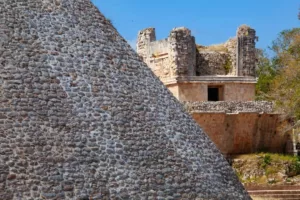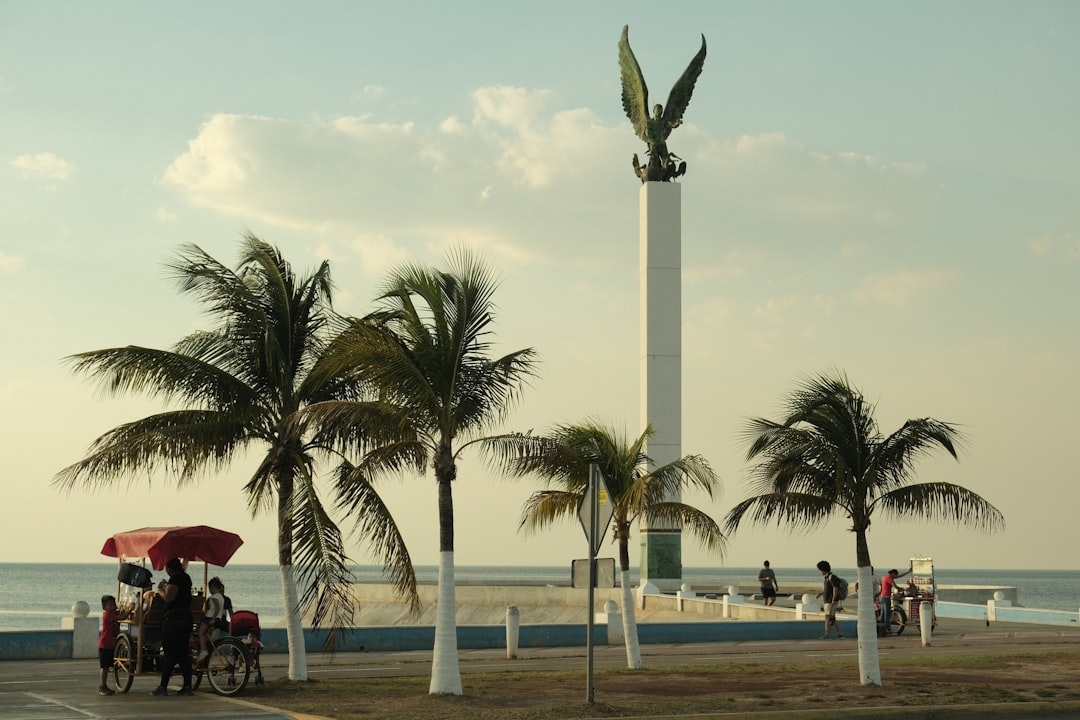
The first time I road-tripped the Yucatán Peninsula, I underestimated distances, showed up to Chichén Itzá at 11 a.m. (mistake), and paid triple for a beach club in Tulum I didn’t even like. Learn from me.
This 7-day Yucatán Peninsula itinerary is paced properly — early ruins, afternoon cenotes, smart hotel bases, and realistic driving times. It’s perfect for late spring and early summer (May–June), when cenotes feel like air conditioning and the Caribbean is that unreal turquoise.
Key Takeaways
- Rent a car (~$35–50/day) to reach cenotes and ruins efficiently.
- Arrive at Chichén Itzá right at 8 a.m. to beat heat and tour buses.
- Budget $1,200–$1,800 per person for a comfortable 7-day trip.
- Best months: late April–June for fewer crowds before peak summer.
- Tulum hotel zone is pricey — stay in town for better value.
Day 1: Arrive in Cancún → Drive to Valladolid
Most international flights land in Cancún. Skip staying there unless you want resorts. Instead, pick up a rental car and drive 2–2.5 hours west to Valladolid.
Valladolid is colorful, walkable, and perfectly positioned between cenotes and Chichén Itzá. Parking is easy and hotels cost half what you’ll pay in Tulum.
Where to stay: Hotel Mesón del Marqués (colonial charm, from ~$90/night).
Dinner: El Atrio del Mayab — order cochinita pibil and a mezcal cocktail under string lights.
Day 2: Chichén Itzá + Cenote Ik Kil
Leave Valladolid by 7:15 a.m. Chichén Itzá opens at 8 a.m., and you want to be inside when the gates open. By 10:30 a.m., tour buses from Cancún start flooding in.
Entry is about 614 MXN (~$35 USD). Bring cash and water. There’s minimal shade.
After exploring El Castillo and the Great Ball Court (2–3 hours is enough), cool off at nearby Cenote Ik Kil. Yes, it’s popular. Yes, it’s worth it. The vines hanging into that deep blue water are surreal.
Pro tip: Arrive after 1 p.m. when morning tour groups leave.
Return to Valladolid for a relaxed evening. Grab marquesitas (crispy street crepes with cheese and Nutella) in the main square.
Day 3: Las Coloradas + Rio Lagartos (Optional) or Cenote-Hopping
You have two solid options.
Option A: Drive 2 hours to Las Coloradas, the famous pink lakes. They’re brightest midday in full sun. Pair this with a Rio Lagartos boat tour (~$50–70 per boat) to spot flamingos and crocodiles.
Option B (my preference): Stay local and cenote-hop.
- Cenote Suytun (famous platform photo spot — go at opening)
- Cenote Oxman (rope swing, less crowded mid-afternoon)
- Cenote X’keken & Samulá (dramatic cave-style)
Expect to pay $5–15 per cenote. Bring cash.
Day 4: Valladolid → Cobá → Tulum
Drive 1.5 hours to Cobá. Unlike Chichén Itzá, Cobá feels wild and jungle-wrapped. You can’t climb the main pyramid anymore, but biking between ruins (bike rental ~$5) is part of the fun.
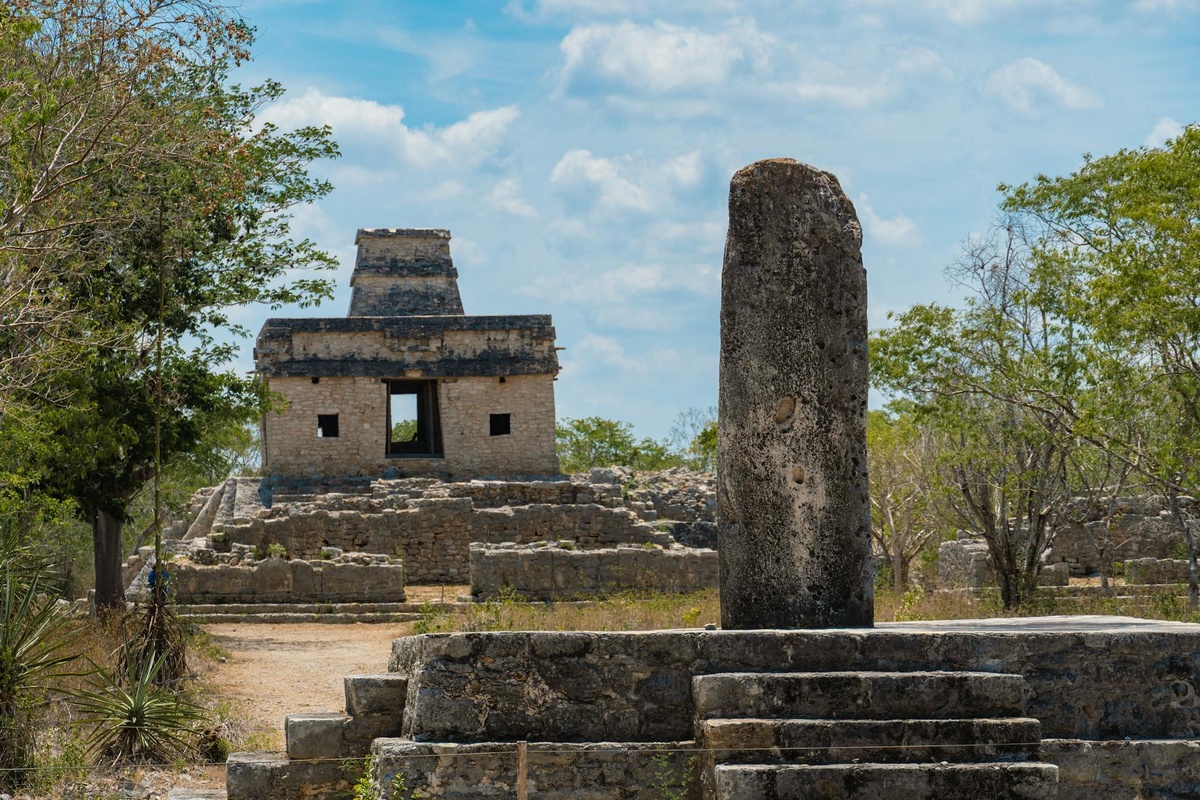
From Cobá, continue 45 minutes to Tulum.
Here’s where people overspend. The beach hotel zone is gorgeous but expensive — $300+ per night in high season. In late spring, you’ll find deals, but I still recommend staying in Tulum town (Aldea Zama or Centro) for better food and prices.
Smart compromise: Stay in town (~$100–150/night boutique hotels) and buy a day pass to a beach club once.
Day 5: Tulum Ruins + Beach Time
Arrive at Tulum Ruins right at opening (8 a.m.). Entry is around 95 MXN (~$6 USD). The views of the cliffside temple over turquoise water are iconic — and by 9:30 a.m., it’s packed.
Afterward, head to the beach.
Beach club picks:
- La Zebra (more relaxed, better service)
- Nomade (beautiful but pricey — minimum spend applies)
Avoid places that aggressively push bottle service unless that’s your vibe.
For dinner in town, try Arca (creative Mexican, reservations needed) or Taqueria Honorio for budget-friendly tacos.
Day 6: Sian Ka’an or More Cenotes
If you love nature, book a Sian Ka’an biosphere tour. It’s a UNESCO site about 1–1.5 hours south of Tulum. Expect boat rides through mangroves and possible dolphin sightings (~$120–150 per person).
If that feels pricey, spend the day cenote-hopping near Tulum:
- Gran Cenote (popular but crystal-clear)
- Cenote Calavera (fun jump platforms)
- Cenote Car Wash (great for snorkeling)
These are less dramatic than Valladolid’s cave cenotes but easier to access.
Day 7: Relax + Return to Cancún
Drive back to Cancún (1.5–2 hours from Tulum). Leave extra time for gas returns and airport traffic.
If you have a late flight, stop in Puerto Morelos for a quieter beach lunch instead of battling Cancún’s hotel zone.
How Much Does This Trip Cost?
For a comfortable mid-range trip (per person, sharing):
- Car rental (7 days): $250–350
- Hotels: $600–900
- Food: $25–50/day
- Entrance fees & tours: $150–300
Total: Roughly $1,200–$1,800 per person.
You can absolutely do it cheaper — but don’t skip the rental car. Public transport makes cenote logistics painful.
Best Time to Visit the Yucatán Peninsula
Late April through early June is underrated. It’s hot (expect 85–95°F / 29–35°C), but crowds are lighter before summer vacation season kicks in.
July–August brings higher humidity and sargassum seaweed on Caribbean beaches. If beach perfection matters most, monitor sargassum reports before booking.
Compared to European coastal itineraries like the Amalfi Coast in late spring, Yucatán gives you better value and fewer “tourist trap” restaurants — if you base yourself smartly.
Practical Tech & Travel Tips
- eSIM: Install an eSIM before arrival for Google Maps and cenote navigation.
- Offline maps: Download offline Google Maps — signal drops near jungle sites.
- Cash: Many cenotes and small restaurants are cash-only.
- Sun protection: Reef-safe sunscreen only — regular sunscreen is banned in many cenotes.
- Driving: Watch for topes (speed bumps). They appear everywhere.
Is 7 Days Enough for the Yucatán?
Yes — if you focus.
This route balances culture (Chichén Itzá, Cobá, Tulum ruins), adventure (cenotes, Sian Ka’an), and downtime (Tulum beaches) without constant hotel changes.
If you loved our tropical pacing in this Thailand island-hopping route, you’ll appreciate how similar this feels — just swap limestone karsts for Mayan pyramids.
Final Thoughts
The Yucatán Peninsula delivers that rare mix of bucket-list sights and genuinely fun, refreshing experiences. Jumping into a cenote at 2 p.m. after wandering ancient ruins at sunrise? That’s a perfect travel day.
Plan smart, wake up early, and choose your hotel bases carefully. Do that — and this 7-day Yucatán Peninsula itinerary might become one of your favorite trips in the Americas.
Ready to map it out? Save this guide, book the rental car early (prices spike for summer), and start building your cenote list.
If you’re planning this Yucatán Peninsula trip, browse nearby stays with Yucatán Peninsula hotels so you can lock in the best locations for cenotes and Tulum.
Frequently Asked Questions
Is 7 days enough for the Yucatán Peninsula?
Yes, 7 days is ideal for a Valladolid + Tulum split, covering Chichén Itzá, multiple cenotes, Cobá, and beach time without rushing. You’ll need a rental car to make it realistic.
How much does a 7-day Yucatán trip cost?
Expect $1,200–$1,800 per person for a mid-range trip including hotels, car rental, food, and entrance fees. Budget travelers can spend less by choosing simple stays and skipping tours.
When is the best time to visit Tulum and the Yucatán?
Late April through early June offers fewer crowds before peak summer travel. It’s hot, but cenotes make the heat manageable and hotel prices are lower than winter high season.
Do you need a car in the Yucatán Peninsula?
For this itinerary, yes. Many cenotes and ruins aren’t easily accessible by public transport, and a rental car ($35–50/day) saves significant time.

About the Author: Tomáš Bzirský
Founder and editor of Distratech. Based in the Czech Republic, travelling regularly from Central Europe. Writes practical travel guides and travel-tech comparisons (eSIM, apps, airports) in six languages.