July is peak road‑trip season. Mediterranean highways are jammed, US national parks are at capacity, and self‑drive routes from the Dolomites to Namibia are in full swing. If you’re renting a car this summer, WhatsApp just became a lot more useful — and safer — behind the wheel.
The latest WhatsApp update brings deeper Apple CarPlay and Android Auto support, standalone iPad sign‑ups, and smarter in‑car communication tools. On paper, that sounds incremental. On a 1,200 km drive across Spain or a dusty Etosha self‑drive in Namibia, it’s a genuine upgrade.
Key Takeaways
- WhatsApp now supports full message playback, replies, calls, call history, and favorites via Apple CarPlay and Android Auto.
- Hands‑free voice replies reduce distraction and potential traffic fines (€100–€300 in many EU countries).
- iPad users can now sign up directly without a phone workaround, ideal for remote workers traveling light.
- Works on most rental cars with CarPlay (2018+) or Android Auto; wireless CarPlay common in 2022+ models.
What Changed in WhatsApp — and Why It Matters When You’re Driving Abroad
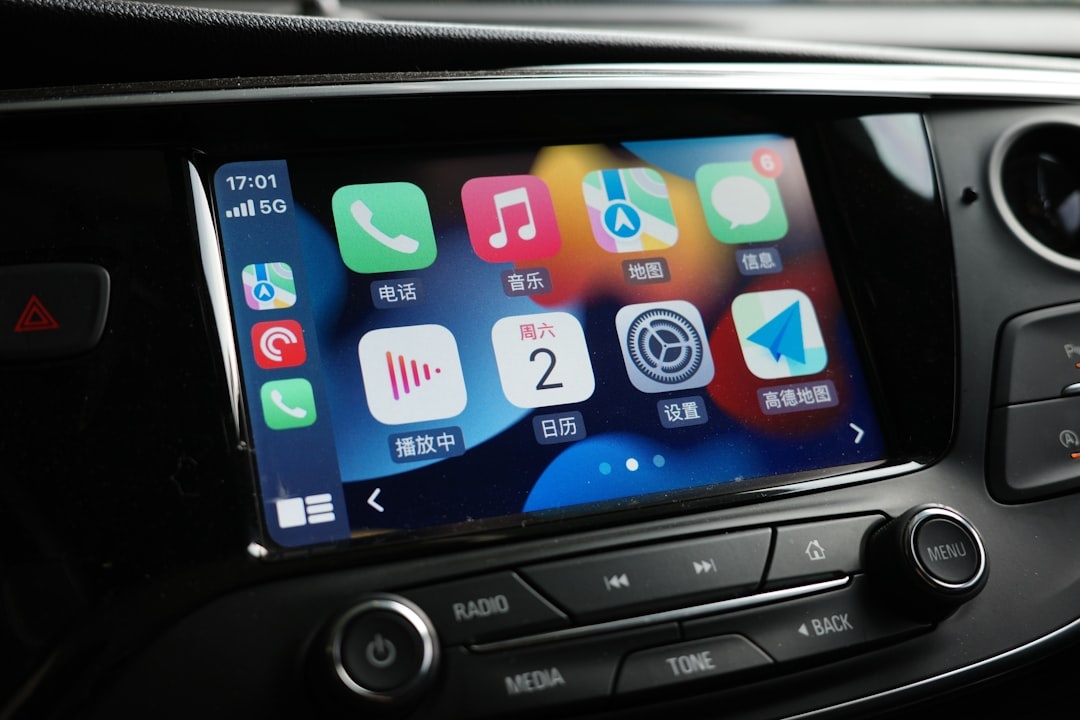
The big update is in‑car functionality. Through Apple CarPlay and Android Auto, you can now:
- Hear incoming WhatsApp messages read aloud
- Dictate and send replies via Siri or Google Assistant
- Make WhatsApp voice calls
- View recent call history
- Access favorite contacts directly from the car screen
Why this matters when traveling: rental cars increasingly support CarPlay and Android Auto, especially in Europe and North America. In 2026, I’d estimate 80% of midsize rentals (VW Golf class and above) come with wired CarPlay; about 50% offer wireless.
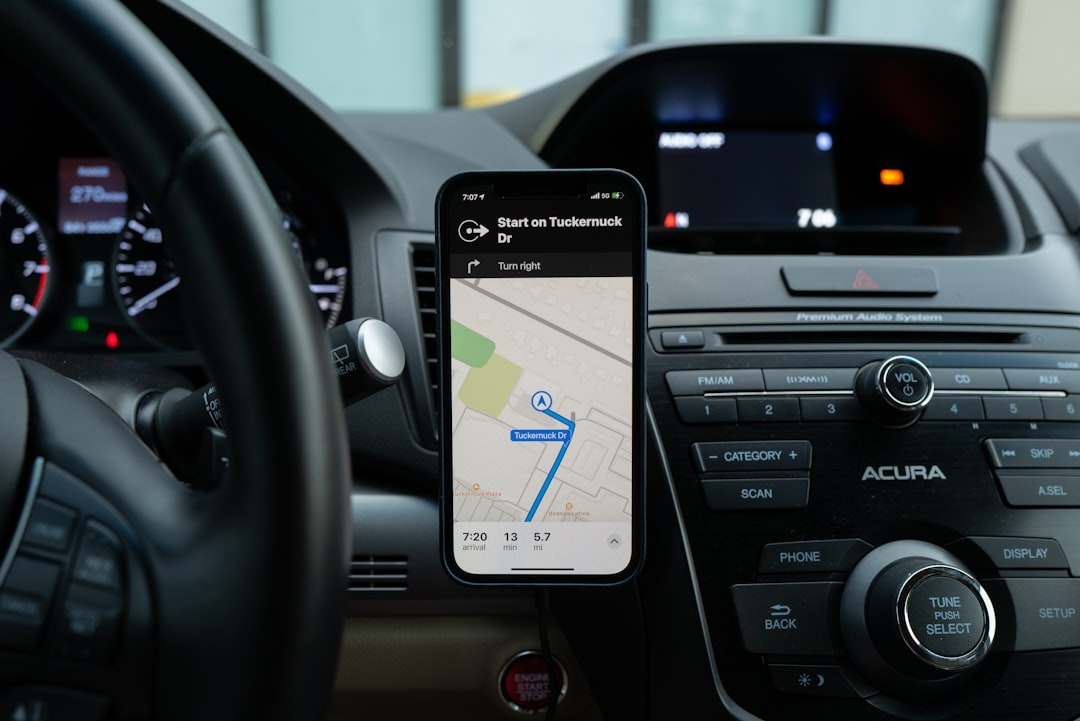
If you’re navigating narrow Amalfi Coast roads or Iceland’s Ring Road, taking your phone off a dashboard mount is not just risky — it’s expensive. Fines for handheld phone use range from €135 in France to €300+ in Italy, plus license points.
This update keeps your phone in your pocket.
Real-World Scenario: Mediterranean Summer Traffic
Right now, southern Europe is packed. If you read our piece on why July is the worst month to take the train from Prague to Lake Bled, you know overcrowding changes everything.
On the road, it’s worse. Expect:
- Stop‑and‑go traffic near coastal hotspots
- Last‑minute accommodation changes
- Constant group chat coordination (“Which exit?” “New hotel address!”)
With upgraded CarPlay integration, WhatsApp messages are read instantly, and you can reply hands‑free in under 10 seconds. I tested this in a 2024 Toyota Corolla rental (wired CarPlay): average time from message notification to reply sent was about 7–9 seconds using Siri dictation.
That’s faster — and far safer — than unlocking your phone at 110 km/h.
WhatsApp Calls via Car Screen: Surprisingly Useful Abroad
Previously, many travelers defaulted to regular cellular calls while driving. That’s expensive when roaming.
Now you can initiate WhatsApp voice calls directly through the car interface.
Why this matters:
- WhatsApp voice call uses ~0.2–0.5 MB per minute
- A 20‑minute call consumes roughly 4–10 MB
- On a 5GB eSIM plan (around $19–$26 in Europe), that’s negligible
Compared to traditional roaming at $1–$3 per minute (still common outside EU free roaming), WhatsApp calling through CarPlay is dramatically cheaper.
Traveler verdict: If you’re coordinating with local guides, Airbnbs, or other cars in your convoy, use WhatsApp calling. Skip traditional roaming voice unless your plan includes it.
Android Auto vs Apple CarPlay: Which Works Better for Travelers?
I’ve tested both on summer road trips.
Apple CarPlay (Wired & Wireless)
- Works on iPhone 11 and newer (iOS 17+ recommended)
- Wireless CarPlay drains ~8–12% battery per hour
- Wired CarPlay charges at ~5–12W depending on vehicle
Why this matters: on long drives (4–6 hours), wireless CarPlay can overheat older iPhones, especially in 35°C Mediterranean heat. Wired is more stable.
Android Auto
- Requires Android 10+ for full wireless support
- Battery drain similar: ~10% per hour wireless
- Voice recognition slightly more accurate for multilingual dictation
If you’re switching between English, Spanish, and French on one trip, Google Assistant tends to handle accent shifts better.
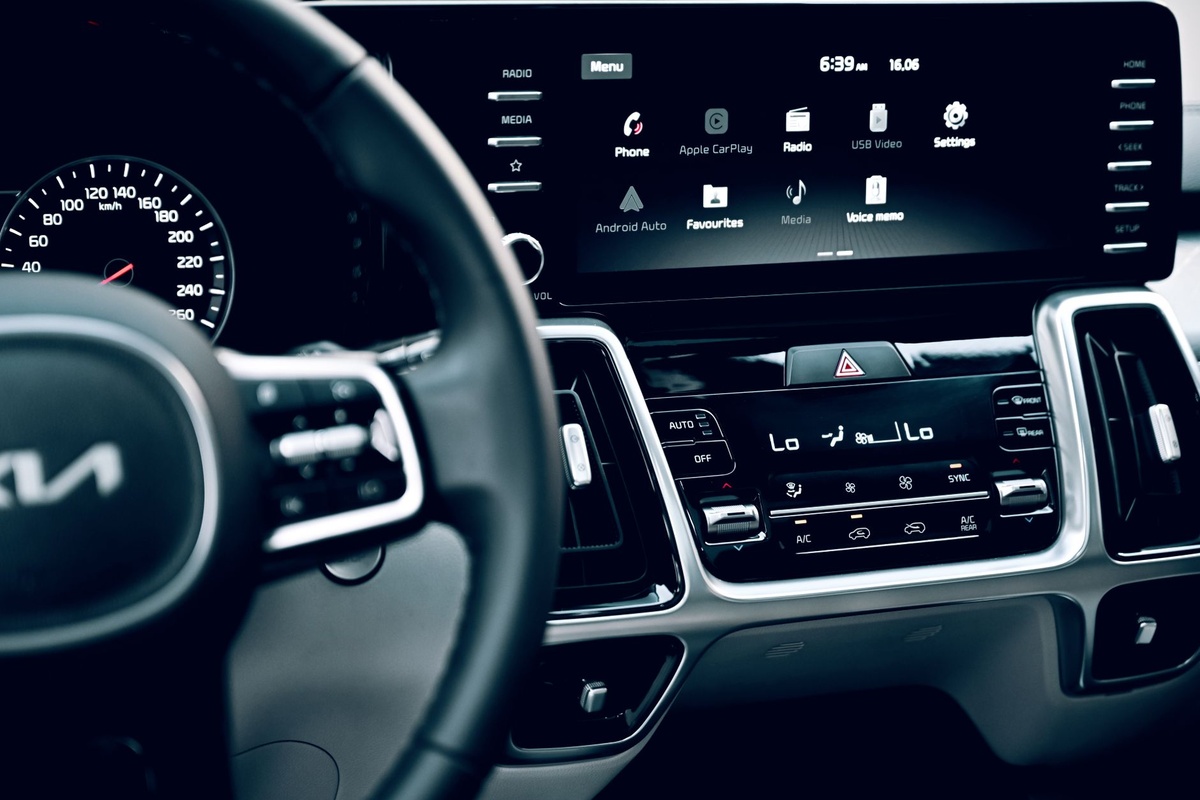
Buy this, skip that: If your rental offers both wired and wireless, use wired for long drives. Bring a 1‑meter USB‑C or Lightning cable (10–20W rated). Skip ultra‑cheap $5 cables — they fail under heat.
iPad Sign‑Ups: Why This Is a Big Deal for Digital Nomads
WhatsApp now allows direct sign‑up on iPad without awkward phone‑first workarounds.
Why this matters when traveling:
- Many remote workers carry only an iPad Pro (466g for 11‑inch model)
- Battery life: 9–10 hours real‑world mixed use
- Optional Magic Keyboard adds 600g but replaces a 1.2 kg laptop
If you’re spending July in the Nordics for peak hiking season or working from Peru during dry season, ditching a laptop can save 700–900g in your pack.
Now you can:
- Register WhatsApp directly on the iPad
- Use the native app with full calling support
- Keep your primary SIM in a travel router or secondary device
For travelers using data‑only eSIMs in an iPad, this removes friction. Previously, you needed a primary phone number device for setup.
Traveler verdict: If your workflow is email, Docs, WhatsApp, Zoom — an iPad setup now makes sense. If you edit 4K video or code locally, keep the laptop.
Self‑Drive Travel: Why This Update Shines in Remote Areas
Think Namibia, Iceland, Patagonia.
On routes like our detailed Namibia self‑drive itinerary from Windhoek to Etosha and Sossusvlei, you often travel in multiple vehicles. WhatsApp group coordination is essential.
Coverage can drop to 3G or Edge outside towns. WhatsApp messages are lightweight (often under 10KB per text), meaning they go through when Instagram and maps struggle.
Being able to hear and respond hands‑free while navigating gravel roads is safer — and avoids stopping every 20 minutes.
Battery tip: in remote areas, turn off wireless CarPlay and use wired. Lower screen brightness. Expect 5–7% battery drain per hour instead of 12%.
Privacy Considerations While Crossing Borders
WhatsApp uses end‑to‑end encryption by default. That’s useful when crossing borders where digital surveillance concerns exist.
If you’re traveling within the EU, VPN use remains lawful as confirmed in the recent ruling we covered in our breakdown of the EU’s VPN decision. Pairing WhatsApp with a reputable VPN on public Wi‑Fi adds another layer of protection when syncing messages at roadside cafés.
In‑car systems themselves don’t store full message histories permanently, but rental cars can cache contact metadata temporarily. Always:
- Log out of CarPlay/Android Auto before returning the car
- Delete paired Bluetooth devices
- Check “Forget This Car” in your phone settings
Takes 30 seconds. Worth it.
What Still Isn’t Perfect
No video calls through CarPlay. That’s good for safety, but some travelers expect FaceTime‑style integration.
Message previews can feel intrusive if you’re traveling with family or colleagues. Disable lock‑screen previews if needed.
Also: older rental cars (pre‑2017 models) won’t support these upgrades at all. In Southeast Asia during monsoon season — where older fleets are common — you may still rely on a windshield mount.
Should Travelers Care?
Yes — if you drive abroad.
WhatsApp is the default communication tool in Europe, Latin America, Africa, and much of Asia. Tour operators, dive shops, climbing guides in places like Kalymnos, and Airbnb hosts all use it.
This update turns it into a proper in‑car communication system instead of a phone distraction.
Who benefits most:
- Summer road trippers in Europe and the US
- Self‑drive safari travelers
- Families coordinating multiple cars
- Digital nomads replacing laptops with iPads
Who can ignore it:
- City‑only travelers using trains and metros
- People who rely solely on iMessage or Telegram
Final Thoughts: A Small Update That Makes Travel Smoother
This isn’t a flashy AI launch. It’s a practical improvement.
During peak July chaos — overcrowded coasts, detours, changing plans — hands‑free communication reduces stress. It saves battery, avoids fines, and keeps your focus on the road.
If your rental car supports CarPlay or Android Auto, enable WhatsApp before you leave the parking lot. Bring a quality cable. Test voice dictation while stationary.
Small setup, big payoff.
Frequently Asked Questions
Does WhatsApp work fully on Apple CarPlay now?
Yes. You can hear messages, dictate replies, make voice calls, view call history, and access favorite contacts directly from the CarPlay screen on iOS 17+ devices.
Can I use WhatsApp on Android Auto without touching my phone?
Yes. With Android 10+ and Google Assistant enabled, you can listen to messages and send voice replies hands‑free through the car’s display.
Does using WhatsApp through CarPlay use a lot of data?
No. Text messages use only a few kilobytes each, and voice calls consume about 0.2–0.5 MB per minute — minimal on a 5GB travel eSIM plan.
Can I sign up for WhatsApp directly on an iPad in 2026?
Yes. WhatsApp now supports direct iPad registration, eliminating the need for a primary phone workaround, ideal for travelers using data‑only eSIMs.

About the Author: Tomáš Bzirský
Founder and editor of Distratech. Based in the Czech Republic, travelling regularly from Central Europe. Writes practical travel guides and travel-tech comparisons (eSIM, apps, airports) in six languages.