'/%3E%3Cpath%20fill='%23b2b2b2'%20d='M241%20382q0%2016%2017%2026%2017%2011%2042%2011t42-11q16-11%2017-26V269H241'/%3E%3Cpath%20fill='%239f7e00'%20d='M241%20379q0%2014%208%2023%209%209%2021%209%2014%200%2021-9%209-9%209-23V269h-59'/%3E%3Cpath%20d='M241%20339v-70h59v110q0%2014-9%2023l-6%205v-68h-15v72q-8%200-14-4v-68zm59%2040c0%2022%2015%2032%2029%2032%2021%200%2030-18%2030-32v-40h-59'/%3E%3Cpath%20fill='%239f7e00'%20d='M266%20277v5h2v12h-3v-5h2v-5h-9v5h2v5h-4v9h3v18h-5v10h34v-10h-5v-18h3v-9h-4v-5h2v-5h-9v5h2v5h-3v-12h2v-5zm42%20101q0%2010%206%2017%206%206%2015%207%2010-1%2016-7%206-7%206-17v-29h-43'/%3E%3Ccircle%20fill='%230044ad'%20cx='329.5'%20cy='372'%20r='6'/%3E%3Cellipse%20fill='%230044ad'%20cx='300'%20cy='340'%20rx='16'%20ry='21'/%3E%3C/svg%3E)
'/%3E%3C/svg%3E)


'/%3E%3C/g%3E%3Cuse%20href='%23c'%20transform='matrix(-1%200%200%201%20720%200)'/%3E%3C/svg%3E)


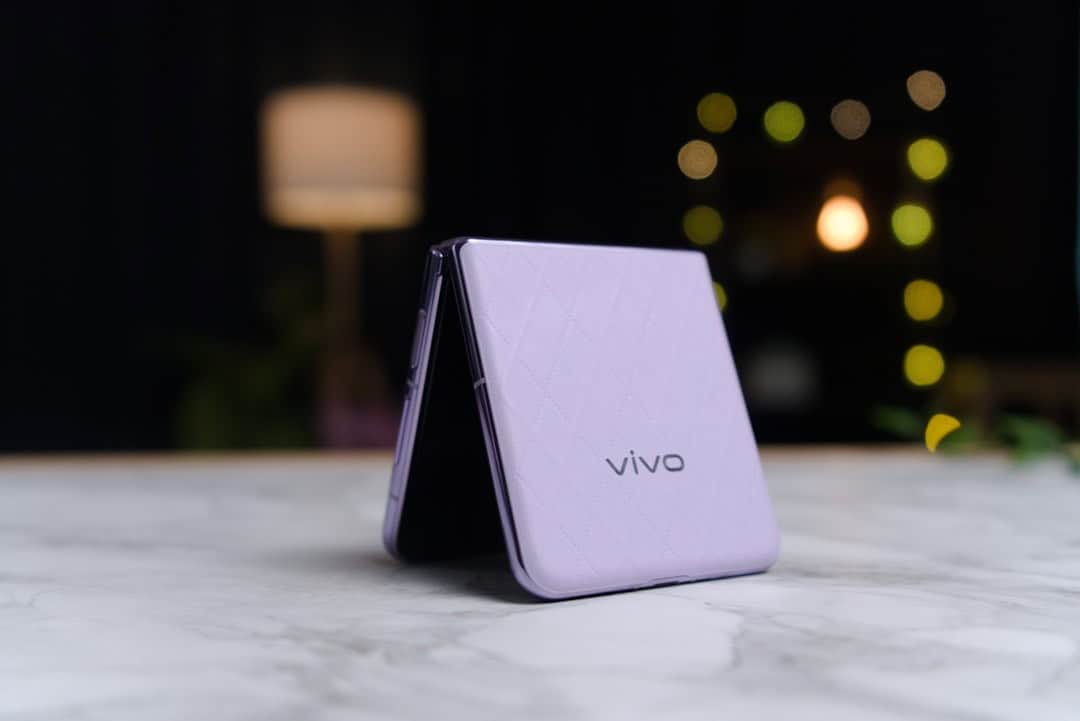
The Vivo X300 Ultra starts at around $1,199 (global equivalent) and packs a 1-inch main sensor, dual periscope telephoto lenses, and a new-generation image processor tuned for long-range clarity. In plain English: it’s the first phone in years that made me consider leaving my mirrorless camera at home.
For summer 2026 trips — from Croatia’s island-hopping routes to shoulder-season Bali — this might be the most powerful travel camera that fits in your pocket.
Key Takeaways
- Vivo X300 Ultra features a 1-inch main sensor and dual periscope telephoto lenses up to 200mm equivalent.
- It delivers class-leading zoom and low-light performance, especially for landscapes and wildlife.
- Starting around $1,199, it competes directly with Galaxy S26 Ultra and iPhone 17 Pro Max.
- Best for travelers who prioritize photography over ecosystem perks like iMessage or Samsung DeX.
Vivo X300 Ultra: Key Specs That Matter for Travel
Let’s skip the marketing language. Here’s what actually matters if you’re buying this phone for a summer trip.
- Main camera: 50MP, 1-inch sensor (wide)
- Telephoto 1: ~85mm equivalent (portrait zoom)
- Telephoto 2: ~200mm equivalent periscope (long-range zoom)
- Ultrawide: 50MP, autofocus
- Chipset: Latest Snapdragon flagship (2026 generation)
- Battery: ~5,500mAh with fast wired and wireless charging
- Display: 6.8-inch AMOLED, 120Hz+
The headline feature is simple: the best telephoto system in any smartphone right now.
Why Telephoto Matters More Than Megapixels
If you’re standing on the walls of Dubrovnik or shooting sailboats off Hvar, zoom is everything. Wide cameras are good across all flagships now. The difference shows up when you can’t physically move closer.
The X300 Ultra’s 200mm-equivalent periscope lens gives you crisp shots of church towers, mountain peaks, wildlife, and stage performers without the mushy digital zoom look.
On a trip like this 10-day Croatia island-hopping itinerary, that reach makes a real difference. You can isolate boats against turquoise water or compress layers of old town rooftops in a way other phones just can’t.
Real-World Travel Scenarios
1. Mountain Hiking (Tour du Mont Blanc)
When you’re hiking long distances, weight matters. On multi-day treks like the Tour du Mont Blanc, every gram counts.
The 1-inch sensor captures sunrise alpenglow with excellent dynamic range. The long zoom lets you frame distant peaks without scrambling off-trail. For most hikers, this replaces a compact camera entirely.
2. Beach & Tropical Destinations (Bali Shoulder Season)
May and June in Bali mean dramatic skies, strong sun, and fewer crowds — ideal photography conditions. If you’re planning around Bali’s shoulder season, you’ll appreciate two things:
- Excellent HDR for bright beaches and shaded temples
- Portrait zoom that flatters without distortion
The X300 Ultra’s portrait lens at ~85mm equivalent produces more natural travel portraits than most phones stuck at 70mm or using AI-heavy fake blur.
3. City Breaks & Night Markets
Low-light performance is where the 1-inch sensor earns its hype.
Night street scenes — Kraków’s old town squares, Bangkok markets, late-night tapas in Barcelona — come out clean without the overprocessed watercolor look we’ve seen from other brands.
Vivo’s tuning this year leans realistic, not artificially bright. That’s good news if you actually want your photos to look like the place you visited.
How It Compares: Galaxy S26 Ultra & iPhone 17 Pro Max
Let’s be blunt.
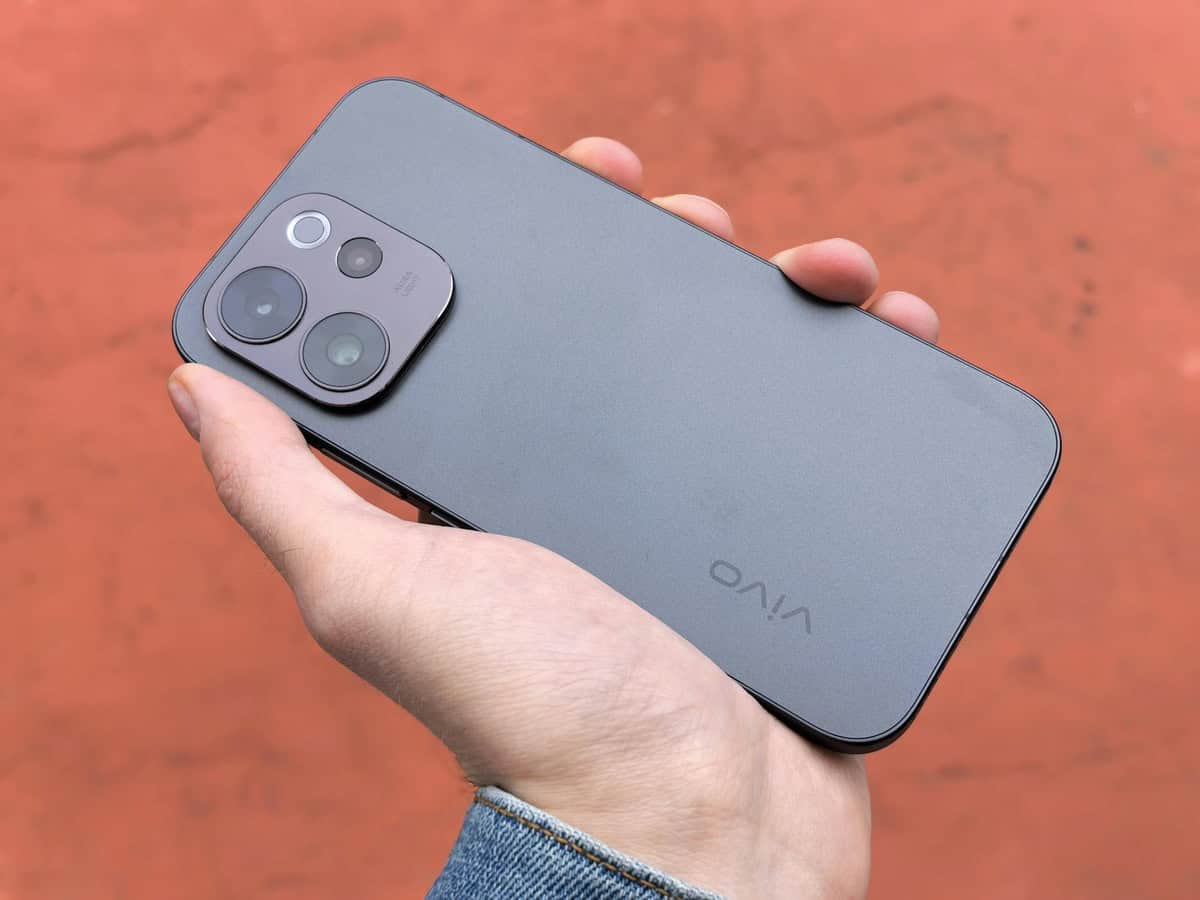
Samsung Galaxy S26 Ultra: Still excellent. Strong zoom. Slightly more aggressive sharpening. Better global availability.
iPhone 17 Pro Max: Best video. Seamless ecosystem. But its zoom still doesn’t match Vivo’s longest focal length clarity.
If video is your priority (vlogging, Reels, YouTube), iPhone remains king.
If still photography — especially long-range landscapes and wildlife — is your focus, the X300 Ultra wins.
Battery Life for Long Travel Days
Airport at 6 a.m. Flight delay. Train transfer. Sunset photos. Google Maps. Translation apps. eSIM hotspot.
The 5,500mAh battery comfortably handles a full travel day of heavy camera use. Fast charging means a 20–30 minute café stop can get you back to 70% or more.
For digital nomads working remotely between destinations, this matters just as much as camera quality.
What About Availability Outside China?
This is the biggest caveat.
Vivo’s Ultra models sometimes have limited global distribution. Depending on your country, you may need to import it. That can mean:
- No local warranty support
- Partial 5G band compatibility
- Pre-installed apps you’ll want to remove
If you live in the US, Samsung is still the safer mainstream buy. In Europe and parts of Asia, Vivo availability is much better.
AI Features: Useful or Gimmick?
Like every 2026 flagship, the X300 Ultra leans heavily into AI.
Travel-relevant features include:
- AI glare removal for shooting through airplane windows.
- Reflection eraser for museum glass cases.
- Sky enhancement (use sparingly — it can look fake).
- On-device translation overlays for signs and menus.
Unlike early AI photo tools, these mostly feel practical now. The reflection removal alone is fantastic in airports and observation decks.
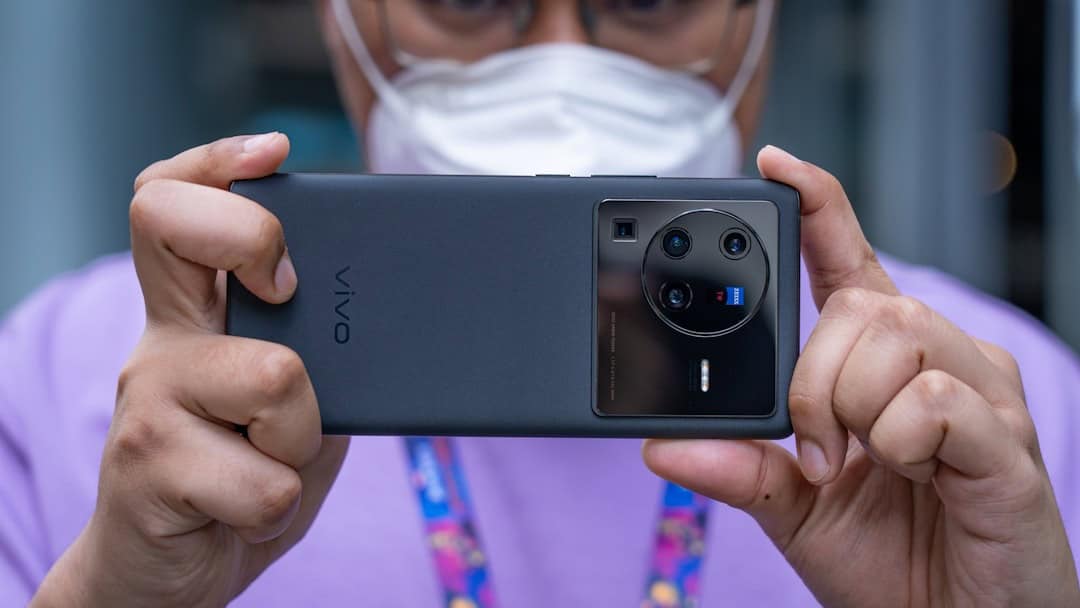
Is It Better Than Bringing a “Real” Camera?
For 90% of travelers: yes.
If you’re not printing large-format landscapes or shooting professional wildlife, this phone replaces a compact camera and even some entry-level mirrorless kits.
The freedom of having one device — navigation, tickets, camera, payments — outweighs marginal image quality gains from carrying extra gear.
And in crowded summer destinations, looking like a casual tourist with a phone is safer than carrying a $2,000 camera setup.
Who Should Buy the Vivo X300 Ultra?
Buy it if:
- You prioritize photography over ecosystem lock-in.
- You travel frequently and want top-tier zoom.
- You’re planning scenic trips (mountains, coastlines, wildlife).
Skip it if:
- You rely heavily on Apple’s ecosystem.
- You need guaranteed US carrier compatibility.
- You mostly shoot video content.
Final Verdict: The Best Camera Phone of 2026 (For Travelers)
The Vivo X300 Ultra isn’t the most mainstream flagship. It’s not the most hyped in the US. But in pure photography terms, it’s currently the best camera system in any phone.
For summer 2026 travel — beaches, festivals, mountain treks, city breaks — it delivers DSLR-like flexibility in your pocket.
If your trips revolve around capturing moments, not just posting them, this is the phone to beat.
Frequently Asked Questions
Is the Vivo X300 Ultra better than the iPhone 17 Pro Max for photos?
For still photography and long-range zoom, yes. The X300 Ultra’s dual periscope lenses and 1-inch sensor outperform the iPhone in detail and reach, though Apple still leads in video recording.
How much does the Vivo X300 Ultra cost?
Pricing starts around $1,199 depending on region and storage configuration. Imported models may cost more and could lack local warranty coverage.
Is the Vivo X300 Ultra good for travel photography?
It’s one of the best options available in 2026. The 200mm-equivalent zoom, strong HDR, and excellent low-light performance make it ideal for landscapes, architecture, and portraits.
Does the Vivo X300 Ultra work in the United States?
It can work on some US carriers, but 5G band support may be limited and warranty service is not guaranteed. Check specific carrier compatibility before importing.

About the Author: Tomáš Bzirský
Founder and editor of Distratech. Based in the Czech Republic, travelling regularly from Central Europe. Writes practical travel guides and travel-tech comparisons (eSIM, apps, airports) in six languages.