


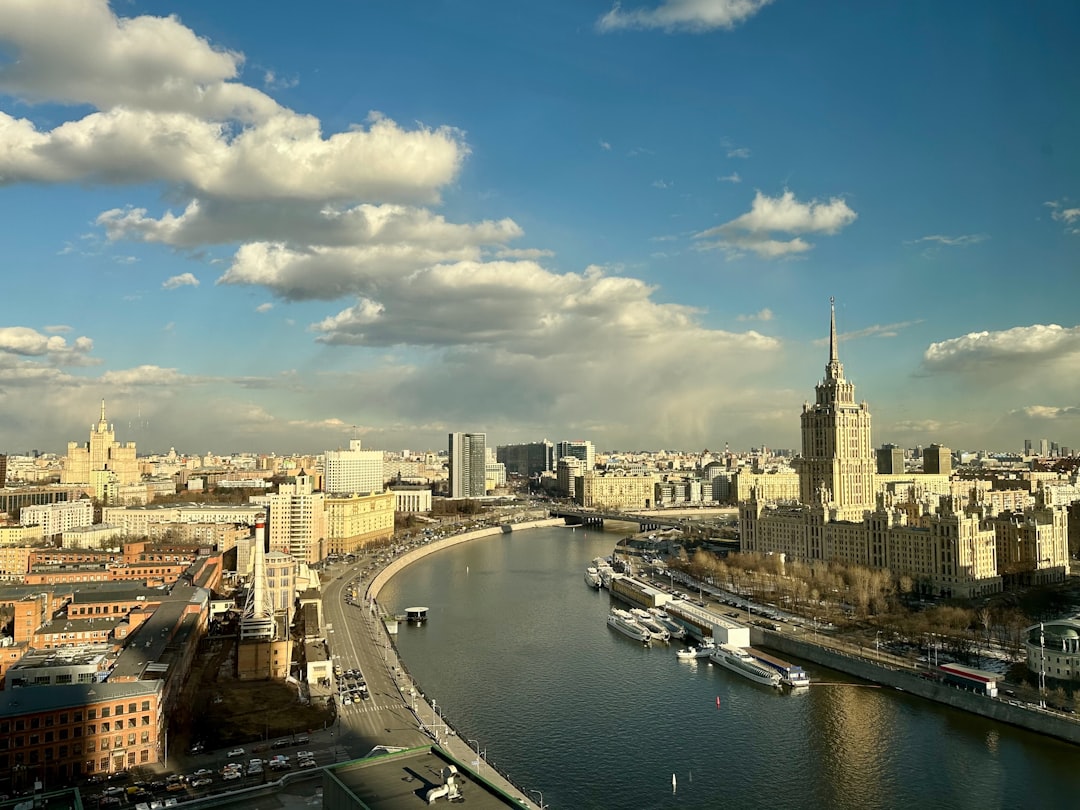
Last April, I paid €2.40 for a flat white in a baroque square with almost no tourists around me. Two months later, that same square was shoulder-to-shoulder and the coffee had jumped to €4.
Key Takeaways
- April–May 2026 is prime shoulder season in Eastern Europe, with mild temperatures (15–22°C), fewer tourists, and lower prices compared to peak summer.
- Timișoara offers boutique hotels for €60–90 per night and café prices as low as €2.40 in spring — nearly half of peak-season rates.
- Plovdiv is just 1.5 hours by train from Sofia (around €8), with spring temperatures near 22°C — ideal before summer heat reaches 35°C+.
- Gdańsk in May sees 12–16°C in April rising to warmer, longer days in May, plus fewer cruise crowds and a 30-minute train connection from the airport to the city center.
- Walking a few streets away from main attractions (like Plovdiv’s Roman Theatre or Timișoara’s central squares) can cut restaurant prices by up to 50%.
That’s the magic of a shoulder-season city break in Eastern Europe. April and May 2026 are the sweet spot: mild weather (15–22°C), cheaper flights, and cities that feel local instead of staged.
If you’re looking for culture, café life, and great food without the Prague-and-Budapest crowds, these five underrated cities deserve a spot on your radar.
1. Timișoara, Romania
Most travelers fly straight to Bucharest or Cluj. Big mistake. Timișoara, near the Serbian border, is one of the prettiest cities in Romania — and in spring, it’s covered in flowers.
In April, daytime temperatures hover around 18°C. Perfect for walking between Piața Unirii and Piața Victoriei without melting or freezing.
Why go in April–May?
Outdoor terraces reopen, parks are green, and accommodation is still cheap. A boutique hotel in the center costs around €60–90 per night.
What to do:
- Walk along the Bega River promenade (flat, scenic, 30–45 minutes end to end).
- Explore the baroque architecture of Union Square.
- Visit the Memorial of the Revolution — sobering but essential to understand modern Romania.
Where to eat:
Locals love Vinto for modern Romanian cuisine. Skip the overly polished tourist menus near the main squares and head one or two streets deeper for better prices.
If Romania intrigues you, it’s also worth reading our deeper dive into whether 2026 is the best year to visit Albania — the Balkans are having a serious moment right now.
2. Plovdiv, Bulgaria
Plovdiv is older than Rome — and somehow still under the radar.
It’s a 1.5-hour train from Sofia (tickets cost about €8), which makes it ideal for a long weekend. In May, temperatures often hit 22°C, and the Old Town’s cobbled streets feel cinematic without being swarmed.
Why it works in shoulder season:
Summer can get brutally hot (35°C+). April and May are warm but comfortable — ideal for climbing the city’s hills.
Don’t miss:
- The Roman Theatre (go late afternoon for golden light).
- Kapana District for street art and indie boutiques.
- Nebet Tepe hill for sunset views.
Food tip:
Try traditional banitsa for breakfast and a hearty kavarma for dinner. Expect to pay €10–15 for a solid meal with wine.
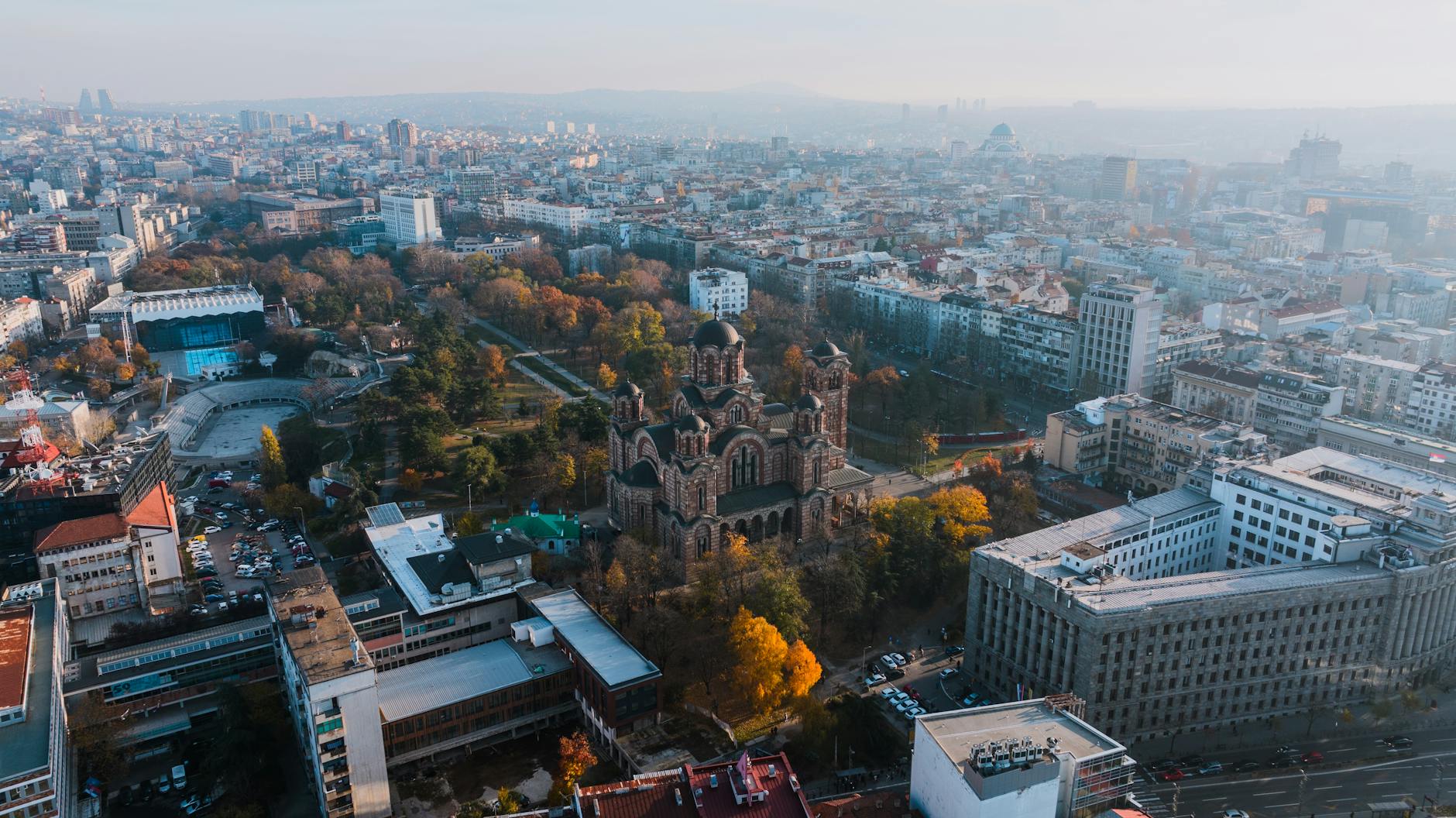
Tourist trap alert: Some restaurants directly facing the Roman Theatre charge double for the view. Walk five minutes downhill — your wallet will thank you.
3. Gdańsk, Poland
If you love maritime history and colorful architecture but don’t want Amsterdam prices, Gdańsk is your city.
April can still be crisp (12–16°C), but May is glorious — longer days, café tables outside, and far fewer cruise passengers than summer.
Getting there:
Gdańsk Lech Wałęsa Airport has solid connections across Europe. The train from the airport to the city center takes 30 minutes and costs about €1.50.
What makes it special:
- The pastel façades along the Long Market.
- The European Solidarity Centre — one of the best museums in Europe.
- Day trip to Sopot (20 minutes by train) for Baltic Sea air.
Where to eat:
Pierogi are mandatory. Mandu is consistently excellent. For something more modern, try Winne Grono near the river.
If you’re the kind of traveler who plans trips around food (like we do with our self-guided taco crawl in Mexico City), Gdańsk’s café culture and craft beer scene will surprise you.
4. Brno, Czech Republic
Prague is beautiful. It’s also overwhelmed.
Brno, just 2.5 hours by train from Prague (around €12–20), offers similar architecture and better prices — minus the bachelor party chaos.
In May, temperatures average 20°C. Students from the city’s universities spill into parks and beer gardens, and the vibe is relaxed, not performative.
Top experiences:
- Špilberk Castle for panoramic views.
- Villa Tugendhat (book tickets weeks in advance).
- Moravian wine bars — yes, Czech wine is underrated.
Price check:
Beer: €2–3.
Three-course dinner: €20–25.
Stylish Airbnb in the center: €70–100 per night.
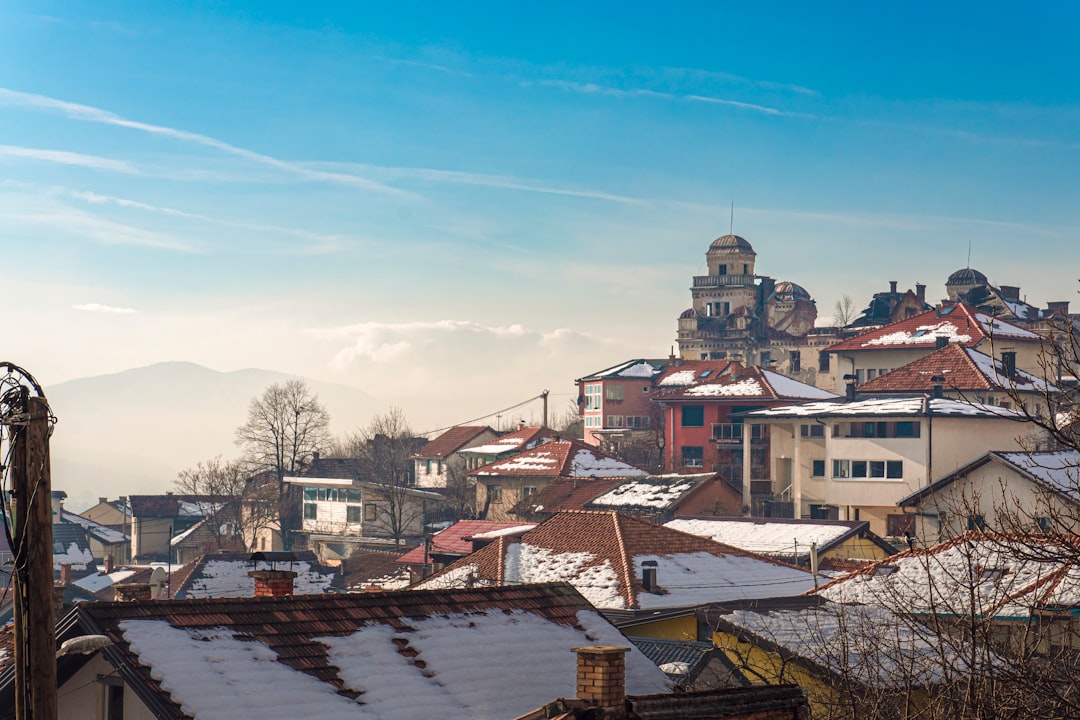
Skip the generic “traditional Czech” restaurants with laminated menus in English, German, and Russian. Look for daily lunch menus (“polední menu”) — better food, half the price.
5. Kaunas, Lithuania
Vilnius gets the spotlight. Kaunas gets the cool factor.
This former European Capital of Culture has a strong interwar modernist architecture scene and a compact center you can explore in a day or two.
Why April–May is ideal:
The Nemunas riverfront comes alive, and temperatures sit between 15–20°C. Summer festivals haven’t yet pushed hotel prices up.
Highlights:
- Laisvės Alėja pedestrian boulevard.
- Kaunas Castle at sunset.
- Devils’ Museum (weird, memorable, very Baltic).
Coffee scene:
Lithuania takes coffee seriously. Expect €2.50–3 for specialty brews in minimalist cafés that would feel right at home in Copenhagen.
Why April–May 2026 Is the Sweet Spot
Here’s what makes shoulder season so powerful in Eastern Europe:
- Lower prices: Flights are often 20–30% cheaper than June–August.
- Better accommodation: More availability in central boutique hotels.
- Comfortable weather: Ideal for walking-heavy city breaks.
- Fewer tour groups: Cruise ships and school holidays haven’t peaked yet.
Easter timing in 2026 falls in early April (Western) and mid-April (Orthodox), so book around those weekends if you want the quietest experience.
Smart Travel Tech Tips for a 2026 City Break
A modern city break isn’t just about where you go — it’s how you plan.
- Use offline maps: Download Google Maps offline for each city to avoid roaming charges.
- Check eSIM options: Airalo or Holafly can be cheaper than local SIM cards for short stays.
- Use train apps: Czech Railways (Můj Vlak) and PKP Intercity (Poland) apps often show cheaper fares than third-party platforms.
- Track flight prices: Set Google Flights alerts 3–4 months in advance for best April–May deals.
Most of these cities are extremely walkable, so you’ll spend less on transport and more on experiences (and pastries).
Final Thoughts: Skip the Obvious, Travel Smarter
If you’re planning a spring 2026 getaway, don’t default to Paris or Rome.
Timișoara, Plovdiv, Gdańsk, Brno, and Kaunas offer culture, history, and seriously good food — without peak-season chaos. In April and May, they feel authentic, affordable, and refreshingly uncrowded.
Pick one. Book the flights early. And enjoy Eastern Europe before everyone else catches on.
Looking for more smart, off-the-radar travel ideas? Explore more destination guides here on Distratech and plan your 2026 trips like a pro.
Frequently Asked Questions
Is April or May a good time to visit Eastern Europe?
Yes — April and May offer mild weather between 15–22°C, lower accommodation prices, and significantly fewer tourists than June–August. It’s ideal for city breaks, outdoor sightseeing, and enjoying café culture without peak-season crowds.
Which Eastern European cities are cheapest for a spring city break in 2026?
Timișoara and Plovdiv stand out for value. Boutique hotels in Timișoara cost around €60–90 per night, while meals in Plovdiv average €10–15 with wine, and Sofia–Plovdiv train tickets are about €8.
How warm is Eastern Europe in April and May?
Expect daytime temperatures around 12–16°C in April in cities like Gdańsk, and 18–22°C in May in destinations such as Timișoara and Plovdiv. It’s comfortable for walking tours without the extreme 35°C+ summer heat.
Is Gdańsk worth visiting in spring?
Absolutely. In May, Gdańsk has longer daylight hours, outdoor café seating, and fewer cruise ship visitors than summer. The airport is well connected across Europe, and the train to the city center takes just 30 minutes.
How can I avoid tourist traps in these cities?
Avoid restaurants directly on main squares or facing major landmarks like Plovdiv’s Roman Theatre. Walking just 5 minutes away can reduce meal prices by up to 50% while offering more authentic local cuisine.

About the Author: Tomáš Bzirský
Founder and editor of Distratech. Based in the Czech Republic, travelling regularly from Central Europe. Writes practical travel guides and travel-tech comparisons (eSIM, apps, airports) in six languages.