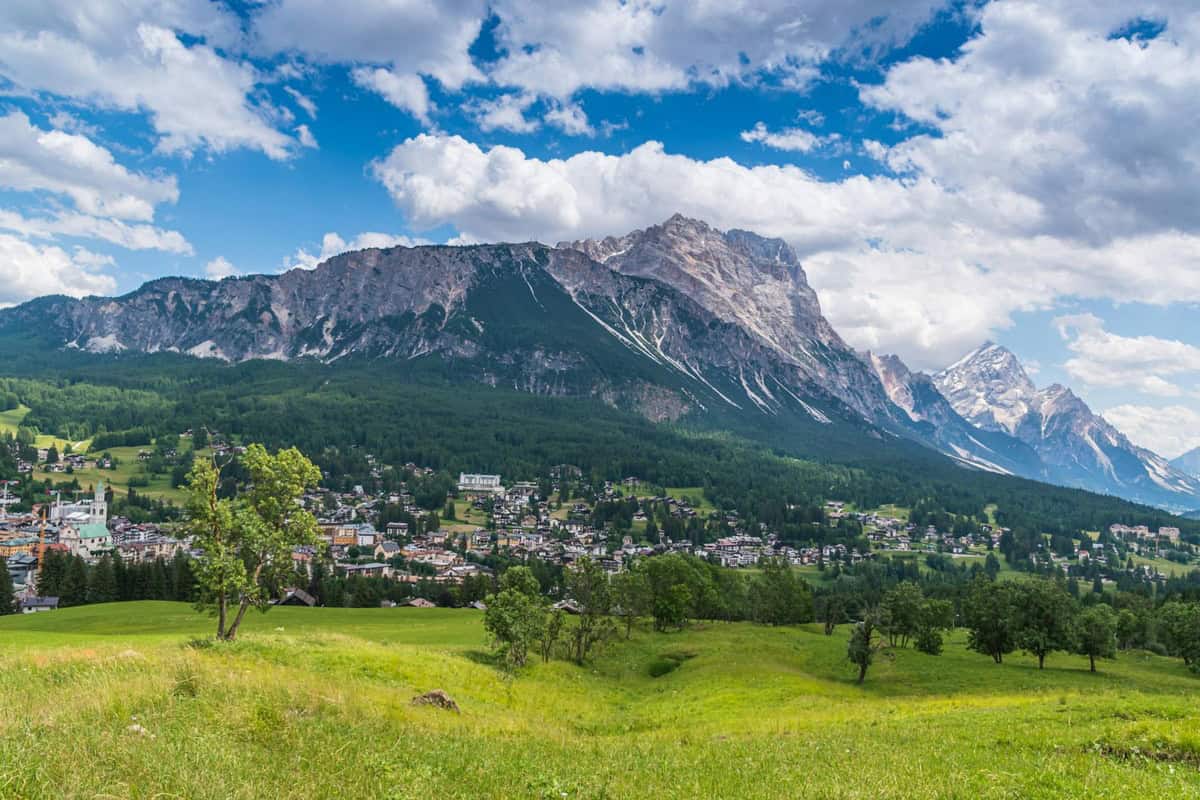
I was in Milan a few weeks after the Olympic crowds left, and the city still had that “just hosted the world” glow — cleaner train stations, clearer English signage, and surprisingly reasonable hotel rates. Then I took a €29 train-ticket combo north to Cortina d’Ampezzo and found myself hiking under snow-dusted Dolomites with barely a queue in sight.
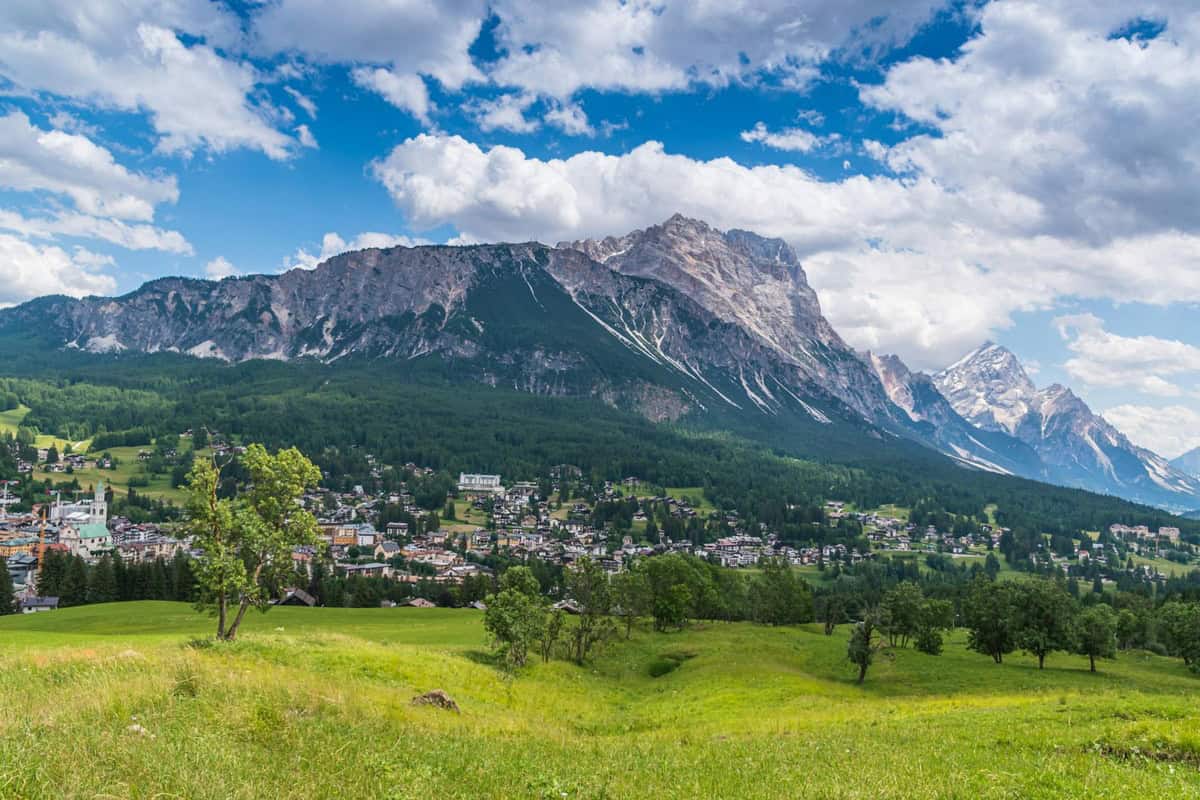
If you’re thinking of visiting Milan and Cortina after the 2026 Winter Olympics, this spring shoulder season is the sweet spot. You get upgraded infrastructure, Olympic bragging rights, and none of the peak-event price madness.
Key Takeaways
- Milan to Cortina takes 3.5–4.5 hours by train/bus combo and costs from €25–€40 booked early.
- Post-Olympic hotel prices in spring 2026 average €120–€180/night in Milan and €140–€220 in Cortina.
- Late April–June is ideal for hiking in the Dolomites with fewer crowds and snow lingering only at higher altitudes.
- Many Olympic venues now offer public tours or recreational access starting from €15.
Why Visit After the Olympics (Not During)?
During the Games, Cortina room rates reportedly shot past €400 per night. In April 2026, I found a modern double room near the old town for €165 — breakfast included.
Milan is even better value right now. Business hotels around Porta Garibaldi are dipping below €130 on weekends, thanks to the shoulder season lull before summer tourism kicks in.
And here’s the bonus: infrastructure upgrades. Faster regional trains, improved accessibility at stations, and better multilingual signage make independent travel easier than it was five years ago.
How to Get from Milan to Cortina (Without Renting a Car)
You don’t need a car unless you’re planning deep alpine exploration.
The easiest route:
- High-speed train from Milano Centrale to Venice Mestre (2h 15m, from €19 if booked early).
- Connecting Cortina Express bus to Cortina d’Ampezzo (2h 15m, €20–€25).
Total travel time: about 4.5 hours door to door.
There are also seasonal direct bus options from Milan (around 5 hours). They’re cheaper but less flexible.
Pro tip: Use Trenitalia or Italo apps and enable price alerts. Fares fluctuate wildly depending on demand — especially now that Olympic curiosity trips are trending.
Milan: 48 Hours of Culture, Coffee, and Olympic Legacy
1. See the Duomo — But Do It Right
Yes, it’s touristy. No, you shouldn’t skip it.
Book the rooftop terrace ticket online (around €16). Go right when it opens at 9 a.m. The marble spires against spring skies are worth every euro.
2. Explore the Navigli District at Sunset
This is where Milan loosens its tie.
Skip overpriced canal-side restaurants and grab aperitivo at a low-key bar like Mag Café. €12 gets you a cocktail and buffet snacks — effectively dinner on a budget.
3. Visit an Olympic Venue
Several 2026 Winter Olympic facilities around Milan now offer guided tours. Prices start at about €15–€25 depending on access.
Even if you’re not a sports fanatic, it’s fascinating to see how temporary arenas were repurposed. Sustainability was a huge theme of these Games.
Where to Stay in Milan (Spring 2026 Prices)
- Budget: Ostello Bello Grande – dorm beds from €35, private rooms from €110.
- Mid-range: Hotel Berna – around €150/night, generous breakfast.
- Boutique: Room Mate Giulia – from €220, steps from the Duomo.
Avoid staying directly next to Milano Centrale unless you have an early train. It’s convenient, but the atmosphere is gritty at night.
Cortina d’Ampezzo: Alpine Adventures Without Peak-Season Prices
Cortina hosted major Olympic events, and you can feel it. Upgraded lifts, improved trails, and better shuttle connections make exploring easier than ever.
Spring 2026 is a transition season. Skiing lingers at higher elevations into April, while lower trails open for hiking by May.
If you love shoulder-season hiking, you’ll also appreciate our guide to the top spring hiking destinations in Europe for 2026 — the Dolomites absolutely deserve their spot on that list.
1. Hike to Lago di Sorapis
Distance: 12 km round trip.
Time: 4–5 hours.
Difficulty: Moderate.
In late May, you’ll likely see snow patches near the lake, but the turquoise water against white peaks is unreal.
Go early (before 8 a.m.) to avoid narrow trail bottlenecks.
2. Take the Tofana Cable Car
A return ticket costs around €30.
Even if you don’t hike, the panoramic views justify the price. On clear spring days, visibility stretches endlessly across the Dolomites.
3. Explore Olympic Slopes — Now Open to All
Several competition areas are now accessible for recreational skiers or summer hikers.
Check local schedules: some facilities run limited hours in shoulder season.
Where to Stay in Cortina (Post-Olympics)
- Budget-ish: Hotel Meublé Oasi – doubles from €140 in spring.
- Mid-range: Hotel Regina – €170–€200, central and reliable.
- Splash: Grand Hotel Savoia – from €300+, but worth it for spa views.
Cortina isn’t cheap. But compared to February 2026 pricing, it feels like a bargain.
Budget Tips That Actually Work
Italy rewards travelers who plan just a little.
- Travel midweek: Milan hotel rates can drop 20–30% Tuesday–Thursday.
- Book trains 3–6 weeks ahead: The cheapest fares disappear quickly.
- Eat standing up: Coffee at the bar costs €1.50; sitting down can triple that.
- Use regional transport passes: Day passes around Cortina save money if you’re lift-hopping.
- Avoid peak Italian holidays: Late April public holidays spike prices.
And if you’re extending your trip into summer, consider pairing northern Italy with one of these affordable European alternatives to Santorini and Ibiza to avoid Mediterranean sticker shock.
When Is the Best Time to Visit in 2026?
Late April to early June is ideal.
You’ll catch:
- Mild city weather in Milan (15–23°C)
- Wildflowers blooming at lower alpine elevations
- Lower accommodation prices before summer rush
July and August are spectacular but busier and pricier. If you love floral landscapes, you might also enjoy our guide to Europe’s best flower tourism destinations in 2026 — spring in northern Italy competes surprisingly well.
Is It Worth Visiting After the Hype?
Absolutely.
The Olympics injected money into infrastructure without permanently inflating prices — at least not yet. You get smoother logistics, global attention, and revitalized mountain towns.
Milan feels energized. Cortina feels polished but still wild.
If you’ve been waiting for the right moment to combine urban Italy with serious alpine scenery, this is it.
Conclusion: Go Now, Before Everyone Else Does
The secret about post-Olympic destinations is that there’s a quiet window after the flame goes out. Prices stabilize. Crowds thin. The upgrades remain.
Milan and Cortina in spring 2026 hit that sweet spot — culture, mountains, manageable budgets, and fresh Olympic legacy energy.
If this trip is on your radar, start tracking train fares and lock in accommodation soon. Shoulder season doesn’t stay secret for long.
Für eine passende Unterkunft in der Stadt: Hotels in Mailand ansehen lohnt sich jetzt schon, besonders in der Frühlingssaison nach den Olympischen Spielen.
Frequently Asked Questions
How much does it cost to visit Milan and Cortina after the 2026 Olympics?
In spring 2026, expect €120–€180 per night in Milan and €140–€220 in Cortina for mid-range hotels. Transport between the two costs €25–€40 one way if booked early.
What is the best way to travel from Milan to Cortina?
The most reliable option is a high-speed train to Venice Mestre (about 2h 15m) followed by a 2h 15m bus to Cortina. Total journey time averages 4–4.5 hours.
Is Cortina worth visiting if you don’t ski?
Yes. From May onward, hiking, cable car panoramas, and Olympic venue tours make it a fantastic alpine destination even without snow sports.
When is the cheapest time to visit Milan and the Dolomites in 2026?
Late April to early June offers the best combination of lower hotel prices, mild weather, and fewer crowds before the summer peak season.

About the Author: Tomáš Bzirský
Founder and editor of Distratech. Based in the Czech Republic, travelling regularly from Central Europe. Writes practical travel guides and travel-tech comparisons (eSIM, apps, airports) in six languages.