Ein Nachtzugticket für 39,90 € klingt günstiger als Fliegen – bis du feststellst, dass du damit einen Sitzplatz aufrecht kaufst, kein Bett. Die eigentliche Rechnung ist interessanter: Vergleiche eine Liegewagen- oder Schlafwagenoption mit dem Flug, den Flughafentransfers, Gepäckgebühren, einer Hotelnacht und den Tagesstunden, die jede Option verschlingt.
Key Takeaways
- Liegewagen im September 2026 auf den acht geprüften Strecken starten bei 30–89,90 €, während echte Schlafwagenbetten bei etwa 55–159,90 € beginnen.
- Strecken mit mehr als 11 Stunden Fahrzeit liefern 7–9 nutzbare Nachtstunden; Zagreb–Split bringt nach Boarding und Ankunftsstörungen kaum 6,5 Stunden.
- Modellierte Bahn-Emissionen liegen bei 5,6–18,2 kg CO₂e pro Fahrgast, gegenüber ungefähr 62–210 kg für vergleichbare Flüge.
- Buche 90–180 Tage im Voraus direkt beim Betreiber und vermeide Umstiege unter 60 Minuten nach der Ankunft.
- Die besten Strecken für Erstfahrer sind Vienna–Amsterdam, Zurich–Amsterdam und Berlin–Stockholm; verzichte auf Sitzplätze auf allen dreien.
Key Numbers at a Glance
| Audit metric | 2026 finding | What it means |
|---|---|---|
| Routes tested | 8 routes; approximately 6,990 rail km combined | A mix of Nightjet, EuroNight, European Sleeper and regional overnight services |
| Lowest seat fare | €16, Zagreb–Split, September 2026 | Cheap, but not equivalent to a hotel bed |
| Lowest couchette fare | €30, Zagreb–Split, September 2026 | The minimum accommodation I would recommend |
| Typical sleeper range | €79–€159.90 per person | Often competitive once a €60–€120 hotel night is included |
| Longest journey | Budapest–Bucharest, about 15 hours 50 minutes | Excellent time replacement, but border checks can interrupt sleep |
| Best usable-night ratio | Berlin–Stockholm: roughly 8.5 useful hours | Late enough departure, civilized arrival and no predawn exit |
| Recommended arrival buffer | 60–120 minutes | Night trains cross multiple networks and rarely recover large delays |
| Rail-versus-air CO₂ saving | Approximately 80–93% | Even allowing for sleeper occupancy and indirect routing, rail wins decisively |
Fare snapshot: prices were checked in early September 2026 for midweek departures during September, using the lowest displayed fare across the next four available services. European rail pricing is dynamic, so treat these as a reproducible snapshot rather than a permanent tariff.
How This Night-Train Audit Works
A night train is not automatically useful because it runs after dark. I counted “usable travel hours” as the scheduled journey minus 90 minutes for boarding, making the bed, ticket checks and getting ready to leave.
A 12-hour journey therefore provides about 10.5 usable hours, but only if the timetable does not deposit you at 05:45. By comparison, a two-hour flight commonly consumes 5–7 waking hours after airport travel, security, boarding and baggage collection.
What counts as a seat, couchette and sleeper?
- Seat: a standard reclining or compartment seat; no proper mattress and sometimes no lockable compartment.
- Couchette: a basic padded bunk in a four- or six-berth compartment, normally with a sheet, blanket and pillow.
- Sleeper: a made-up bed in a one-, two- or three-person cabin; some Nightjet compartments include a washbasin, shower or private toilet.
- Private couchette: an entire couchette compartment sold to one party, frequently cheaper than buying two premium sleeper beds.
Skip the seat unless the journey is under eight hours and you can function after a poor night. Paying €39.90 instead of €79.90 saves €40, but losing most of the following day is a dreadful exchange on a €1,500 European trip.
How the emissions numbers were calculated
The rail estimates use route kilometres multiplied by a blended European electric-rail factor of approximately 14 g CO₂e per passenger-kilometre. Flight comparisons use approximate direct air distance, airport operations and a climate-impact factor of roughly 154 g CO₂e per passenger-kilometre, including non-CO₂ effects.
These are modeled comparisons, not measurements from a specific locomotive. A crowded daytime train may perform better than 14 g per passenger-kilometre, while a lightly occupied sleeper with private cabins may perform worse; neither comes close to a short-haul flight’s total climate impact.
Eight European Night Trains Compared
| Route and operator | Approx. distance | Typical scheduled time | Seat | Couchette | Sleeper bed | Usable hours |
|---|---|---|---|---|---|---|
| Vienna–Hamburg, ÖBB Nightjet | 980 km | 12h 34m | €39.90 | €69.90 | €139.90 | About 9.5h |
| Vienna–Amsterdam, ÖBB Nightjet | 1,150 km | 13h 04m | €49.90 | €79.90 | €149.90 | About 9.5h |
| Zurich–Amsterdam, Nightjet | 830 km | 11h 15m | €59.90 | €89.90 | €159.90 | About 8h |
| Brussels–Berlin, European Sleeper | 770 km | 11h 26m | €39 | €79 | From €149* | About 8h |
| Berlin–Stockholm, SJ EuroNight | 1,100 km | 15h 18m | €49 | €79 | €149 | About 8.5h |
| Munich–Rome, ÖBB Nightjet | 930 km | 13h 55m | €39.90 | €69.90 | €139.90 | About 9h |
| Budapest–Bucharest, EuroNight Ister | 835 km | 15h 50m | €29 | €49 | €79 | About 9h |
| Zagreb–Split, HŽPP seasonal night train | 400 km | 8h 30m | €16 | €30 | €55 | About 6.5h |
September 2026 one-way “from” fares in euros, excluding optional private-compartment supplements. *European Sleeper accommodation varies by rolling stock; the higher figure may represent private occupancy or premium accommodation rather than a conventional en-suite sleeper.
1. Vienna to Hamburg: the safest first Nightjet
The Vienna–Hamburg Nightjet typically leaves Vienna Hauptbahnhof in the evening and reaches Hamburg around 08:45. That is much more useful than a 06:00 arrival: you can sleep until roughly 07:00 and still have time to wash, pack and eat the basic included breakfast.
A €69.90 couchette is the sweet spot. A daytime ICE takes roughly 8 hours 40 minutes and often costs €59.90–€139.90, but it consumes an entire day and still leaves you paying for accommodation.
Buy dinner before boarding. In Vienna Hauptbahnhof, the INTERSPAR supermarket generally operates approximately 06:00–23:00 Monday–Saturday with shorter Sunday hours; a salad, bread and drink cost about €10–€14 versus €20–€30 for a station restaurant meal.
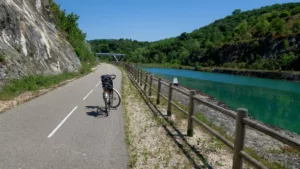
Verdict: worth it in a couchette, especially if you are combining Vienna with northern Germany. Cyclists beginning or ending a longer Austrian trip can also pair rail travel with this practical six-day Passau-to-Vienna Danube cycling route, although bicycle spaces must be checked separately.
2. Vienna to Amsterdam: the best hotel-night replacement
At approximately 1,150 rail kilometres and 13 hours, Vienna–Amsterdam is long enough to justify settling into a bunk. The journey replaces both accommodation and an awkward airport transfer at each end.
A €79.90 couchette plus Vienna transit at €2.40 costs less than a €64 flight once you add a €35 checked bag, approximately €6–€12 for airport transport and an €80 Amsterdam hostel bed. Schiphol is convenient by aviation standards, but the Nightjet still puts you in central Amsterdam.
Book through Nightjet.com or ÖBB. The ÖBB app normally exposes berth type, gender-specific couchettes and private-compartment options more clearly than third-party platforms.
Verdict: my top first-timer choice. Skip the €49.90 seat and spend the extra €30 on a horizontal bunk.
3. Zurich to Amsterdam: expensive, but Switzerland changes the maths
The €159.90 sleeper looks costly until you compare it with Zurich accommodation. A basic private room near Zürich HB can exceed €150 in September, while a hostel dorm commonly costs €55–€80.
Zurich’s airport train is fast—about 10–15 minutes from Zürich HB and roughly CHF 7—but flying still requires security and an early start. The night train’s 11-hour schedule replaces more useful time than the roughly 1 hour 40 minute flight suggests.
Pick up food at Zürich HB before departure; larger station shops commonly remain open until about 21:00–22:00, including Sundays. Skip a CHF 28 station dinner and buy a CHF 12–15 picnic instead.
Verdict: worth it when a sleeper is under €170 or a couchette is below €100. Above €200, compare a daytime train plus a lower-cost night in Germany.
4. Brussels to Berlin: excellent concept, variable rolling stock
European Sleeper connects Brussels and Berlin on selected nights rather than necessarily every day. Its evening departure and roughly 06:45–07:00 arrival create about eight usable hours, although early station calls and older carriages can disturb light sleepers.
A €79 couchette compares favorably with a €35–€90 flight after Brussels Airport transport—about €10–€12 by train—and Berlin airport transport at approximately €4.40. Add one €70 hotel night and the supposedly cheap flight can pass €150.
Book directly at European Sleeper. Third-party sites occasionally display seats without making compartment type or refund conditions obvious.
Verdict: worth it for flexible travelers. If you need a guaranteed 09:00 Berlin meeting, fly the previous evening instead of trusting a cross-border night service.
5. Berlin to Stockholm: the highest time dividend
SJ EuroNight’s long schedule looks intimidating, but it is exactly why the train works. You board in Berlin in the early evening and arrive in Stockholm after breakfast rather than sacrificing a night and half a day to airports.
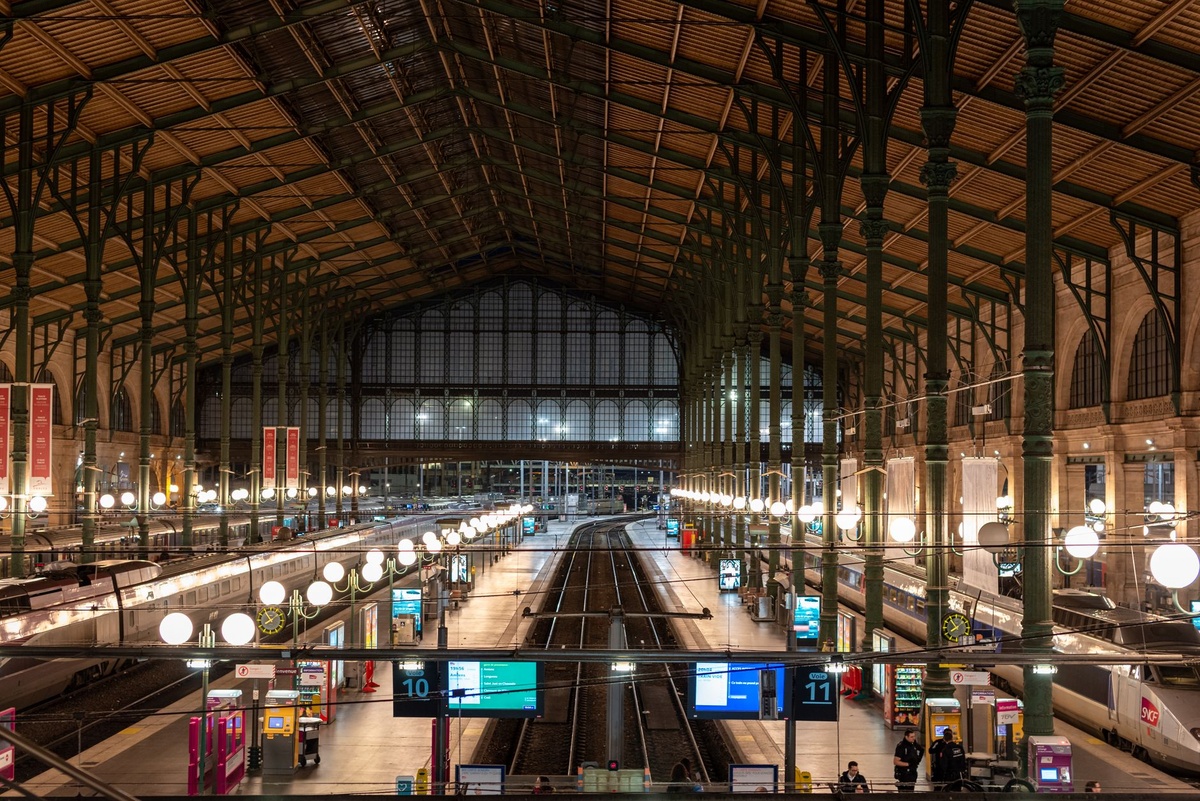
A €79 couchette competes with flights frequently advertised around €60–€110. Add a €30 bag, roughly €3.80 to Berlin Brandenburg, SEK 340—about €30—for the Arlanda Express, and a €75 Stockholm hostel bed, and rail becomes the cheaper door-to-door option.
Book on SJ; enter “Berlin Hbf” and “Stockholm Central.” Check whether the chosen departure includes a direct carriage, because seasonal operating patterns and engineering works can alter the route through Denmark.
Verdict: absolutely worth it in a couchette or private sleeper. This is the best eight-hour-plus overnight experience in the audit, but carry breakfast because catering can be limited.
6. Munich to Rome: brilliant in September, except during Oktoberfest
Munich–Rome is one of Europe’s most satisfying geographic transitions: fall asleep north of the Alps and wake in central Italy. September also matches the 2026 “altitude shift” trend—travelers are choosing off-peak Alpine stops before continuing south.
The pricing trap is Oktoberfest, running from late September into early October in most years. Munich beds that cost €60 earlier in September can jump above €120, making a €69.90 Nightjet couchette unusually valuable if it lets you avoid a festival-night hotel.
The weakness is the Brenner corridor. Engineering works, locomotive changes and Italian pathing constraints can turn a scheduled 13 hour 55 minute trip into a late arrival, so allow 90–120 minutes before any Rome–Florence or Rome–Naples connection.
Verdict: choose it for the experience and hotel saving, not punctuality. Skip a nonrefundable Vatican tour before 11:00 on arrival day.
7. Budapest to Bucharest: the value champion with one sleep problem
The Ister covers roughly 835 kilometres in almost 16 hours, so it is slow but exceptionally useful. A proper sleeper from about €79 is cheaper than many Western European couchettes.
The catch is border procedure. Romania entered the full Schengen Area in January 2025, removing routine land-border passport controls with Hungary, but operational checks, staff activity and timetable pauses can still interrupt the night; always carry identification.
Book through MÁV or at an international ticket office if the online system refuses a particular berth. Budapest Keleti’s shops have inconsistent late hours, so buy food earlier at a supermarket rather than gambling on a 21:30 platform dinner.
Verdict: the best budget sleeper here. The daytime alternative takes most of a day, while flying adds airport transfers and a hotel night.
8. Zagreb to Split: scenic destination, mediocre sleep window
Zagreb–Split is the shortest route in the audit at about 400 kilometres. Its €30 couchette is tempting, but only around 6.5 hours remain after boarding, settling in and preparing for arrival.
A daytime train takes roughly 7.5–8.5 hours, while a bus commonly takes 5–6 hours and costs around €20–€35. The bus is faster; the night train wins only when it saves accommodation or fits a connection.
September is a smart month for Split: Adriatic water remains warm, summer crowds thin and room rates retreat from August peaks. The seasonal night service may not operate every date, however, so verify at HŽ Passenger Transport before building an itinerary around it.
Verdict: choose the couchette if it runs on your date; skip the seat. If sleep matters more than saving a night, take the daytime bus and enjoy the mountain scenery.
CO₂ Audit: How Much Cleaner Are the Eight Routes?
| Route | Modeled rail CO₂e | Comparable flight CO₂e | Approx. rail saving | Delay buffer I would use |
|---|---|---|---|---|
| Vienna–Hamburg | 13.7 kg | 135 kg | 90% | 75 minutes |
| Vienna–Amsterdam | 16.1 kg | 145 kg | 89% | 90 minutes |
| Zurich–Amsterdam | 11.6 kg | 100 kg | 88% | 75 minutes |
| Brussels–Berlin | 10.8 kg | 102 kg | 89% | 90 minutes |
| Berlin–Stockholm | 15.4 kg | 125 kg | 88% | 90 minutes |
| Munich–Rome | 13.0 kg | 108 kg | 88% | 120 minutes |
| Budapest–Bucharest | 11.7 kg | 105 kg | 89% | 90 minutes |
| Zagreb–Split | 5.6 kg | 62 kg | 91% | 60 minutes |
Flights do not follow the exact same corridors, so flight emissions are based on approximate airport-to-airport distance rather than rail kilometres. The comparison also excludes airport transfers; adding a taxi or diesel bus would widen rail’s advantage.
Do not obsess over whether Vienna–Amsterdam produces 14 or 18 kilograms. The meaningful result is scale: rail is around one-tenth of the modeled flight footprint, not 5% cleaner.
The Delay Problem: What the Booking Sites Do Not Explain
Europe has no clean, harmonized, route-level punctuality database for international night trains. Operators publish different measures: arrival thresholds vary, cancellations may be separated, and national network figures do not isolate trains that cross three or four countries.
That data gap is itself an audit finding. A Nightjet can begin on ÖBB infrastructure, run through Germany’s more delay-prone long-distance network and finish in the Netherlands, making a single national punctuality percentage misleading.
For context, German long-distance punctuality was only about 62.5% in 2024 when “punctual” meant arriving less than six minutes late. Swiss passenger punctuality exceeded 93% in the same broad period, but Zurich–Amsterdam spends much of its journey outside Switzerland.
Use buffers, not optimism
- Allow 60 minutes before an ordinary onward train with flexible tickets.
- Allow 90 minutes after Brussels–Berlin, Vienna–Amsterdam or Berlin–Stockholm.
- Allow 120 minutes after Munich–Rome when Alpine engineering works are scheduled.
- Do not book a separate-ticket flight less than four hours after a night-train arrival.
- Keep screenshots of the itinerary and delay notices in case the operator’s app drops the journey after disruption.
Under EU rail passenger rules, a delay of 60–119 minutes generally triggers compensation of 25% of the ticket price, while 120 minutes or more generally triggers 50%. Conditions and exclusions apply, and compensation does not magically replace a missed separate-ticket flight.
Use DB Navigator for live running in Germany, ÖBB Scotty or the ÖBB app for Nightjet, SBB Mobile in Switzerland and the operating railway’s own app elsewhere. Google Maps is useful for station directions but weaker at explaining split trains, replacement buses and carriage portions.
Night Train Versus Flight: A Costed Vienna–Amsterdam Plan
This sample compares a September 2026 midweek journey for one traveler with a checked-size bag. It includes one night of accommodation because the flight traveler must sleep somewhere while the rail traveler sleeps in transit.
| Expense | Nightjet couchette | Budget flight |
|---|---|---|
| Transport fare | €79.90 | €64 |
| Reserved bed or seat | Included | €9 |
| Large cabin/checked bag | Included within practical rail limits | €35 |
| Airport or station transport | €2.40 | €18 total |
| Accommodation | €0 additional | €80 hostel/private budget room allocation |
| Dinner and water | €13 | €18 |
| Total | €95.30 | €224 |
| Waking travel time | About 2–3 hours | About 6 hours |
Even if the flight drops to €39, the total remains around €199 after realistic extras. Conversely, if the Nightjet couchette rises to €129.90, rail still competes at approximately €145 all-in.
The comparison changes for two travelers sharing a €130 hotel room. Then the accommodation saving is only €65 each, and a low-cost flight may win on price—but rarely on emissions or city-center convenience.
How to Book Without Overpaying
Start with the operator, not a reseller
Search routes with Trainline or Rail Europe if you like their interfaces, but compare the final result with the operator. Third parties may charge €3–€15 in fees and can be awkward when a carriage is removed or a timetable changes.
- Nightjet routes: Nightjet.com or ÖBB; booking commonly opens up to 180 days ahead, but timetable releases can shorten that window.
- Brussels–Berlin: European Sleeper.
- Berlin–Stockholm: SJ.
- Budapest–Bucharest: MÁV, CFR Călători or a staffed international ticket office.
- Zagreb–Split: HŽPP.
September shoulder season is no longer uniformly cheap. Amsterdam, Munich during Oktoberfest and major US destinations have experienced a pricing flip in which fall accommodation can cost more than summer, so compare the avoided hotel night before judging a €120 sleeper as “expensive.”
Choose the berth before chasing the fare
Nightjet’s cheapest ticket may default to a seat. A €39.90 seat and a €69.90 couchette appear only €30 apart, but they are different products: one is transportation, the other is transportation plus a basic bed.
Solo travelers who value sleep should choose a four-berth couchette over a six-berth one when the premium is under €20. Couples should compare two sleeper beds with a private couchette compartment; the latter can save €40–€100 while providing more privacy.
Download documents for offline use
Store the PDF ticket, passport scan, operator confirmation and hotel address offline. Cross-border mobile coverage can disappear in tunnels, and onboard Wi-Fi is less dependable than on a modern daytime train.
An eSIM can help with arrival navigation, but download maps first. A 1 GB European plan may cost around €4–€8, while station Wi-Fi is free but often requires a login code or working mobile number.
Clear Decision Framework: Train, Plane or Daytime Rail?
Choose the night train if:
- A couchette costs no more than the flight plus airport transfers and 70% of your avoided hotel cost.
- The journey lasts 10–15 hours and arrives between 07:00 and 10:00.
- You can leave at least 60–120 minutes before your next commitment.
- You are traveling with luggage that would cost €25–€60 to fly.
- Reducing emissions by roughly 80–93% matters to you.
Choose a daytime train if:
- You are a very light sleeper or need a productive morning immediately after arrival.
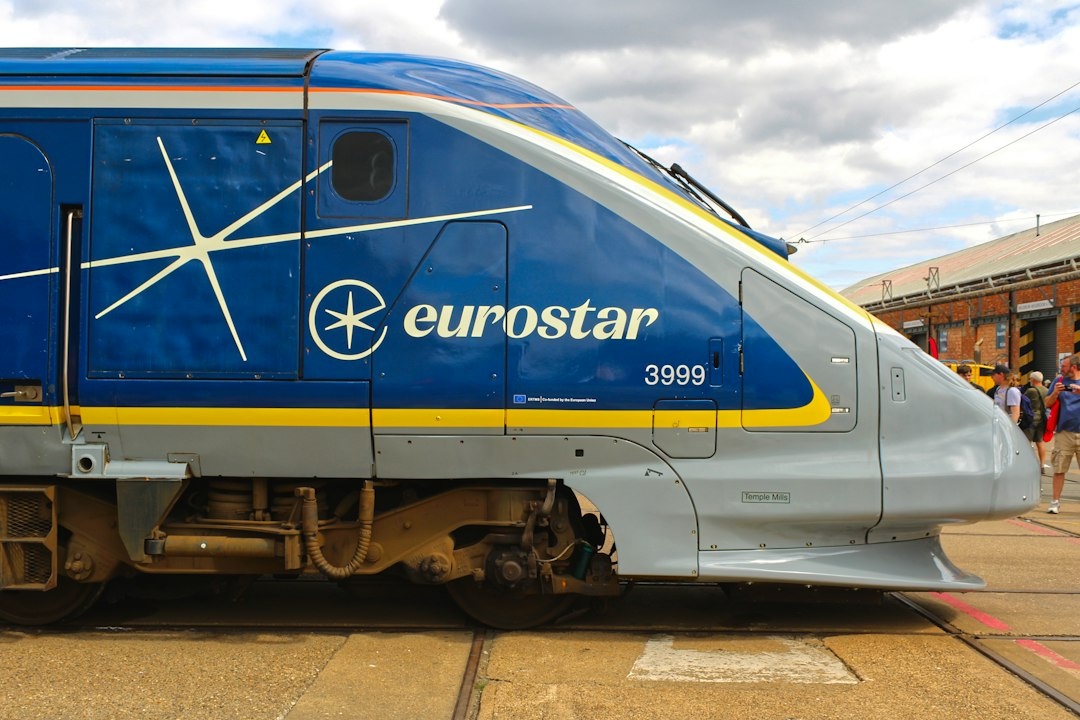
- The daytime trip is under six hours; Paris–Amsterdam, for example, is usually better by daytime Eurostar than an indirect overnight itinerary.
- The night train arrives before 06:30 or requires a 02:00 carriage change.
- Mountain scenery is part of the trip—crossing the Alps awake can be worth one hotel night.
Choose a flight if:
- The train requires multiple separate tickets or an overnight transfer.
- You have a fixed event within four hours of scheduled arrival.
- A lie-flat sleeper costs over €220 and you can share an inexpensive hotel room.
- The route is over 1,500 kilometres with no direct sleeper, making rail a 20-hour endurance test.
My blunt rule: under eight hours, travel by day; between 10 and 15 hours, choose a couchette; beyond 16 hours, demand a proper sleeper or fly. A €20 saving never compensates for arriving exhausted.
Common First-Time Night-Train Mistakes
Booking an overnight seat and expecting to sleep
Compartment seats may face other passengers, lights can remain on in corridors and border or ticket checks can wake everyone. Spend €30–€50 more on a couchette or take a daytime train.
Assuming every “bed” is private
A sleeper fare is commonly per berth, not per cabin. Two €139.90 beds may share a three-person compartment unless “single” or “double” occupancy is explicitly selected.
Arriving two minutes before departure
Platforms can change, trains may consist of several portions and finding the correct carriage takes time. Arrive 25–30 minutes early; unlike flying, there is little benefit in arriving two hours early.
Putting valuables in the corridor-side bag
Keep your phone, passport and wallet in a small pouch attached to you or inside the bunk. Lock the cabin and use the secondary latch where fitted; do not leave a laptop in a luggage rack near the door.
Forgetting water and breakfast
Some sleeper tickets include coffee, a roll and juice; many couchettes do not provide a substantial meal. A €6 supermarket breakfast beats discovering at 07:00 that the café car is absent.
Scheduling the expensive attraction first
A delayed arrival can ruin a €35 museum ticket or €90 food tour. Make the first morning flexible: leave luggage at the hotel or station, have breakfast, then book timed attractions after 11:00.
The 2026 Verdict: Are European Night Trains Worth It?
Yes—on the right route and in the right accommodation. Vienna–Amsterdam, Berlin–Stockholm and Budapest–Bucharest deliver the strongest combination of usable nighttime hours, central arrivals, hotel savings and dramatically lower CO₂.
Zurich–Amsterdam is worth paying more for because Swiss lodging is expensive. Munich–Rome is memorable but delay-prone, while Zagreb–Split is a transport hack rather than a luxurious sleep experience.
The mistake is comparing a €40 upright seat with a €40 flight. Compare a €70–€150 bed with the flight’s full cost, including bags, airport trains, accommodation and six waking hours; on that basis, European night trains frequently win.
September is an especially smart test month: weather remains warm, Alpine and Adriatic crowds ease, and long evenings make departure days useful. Check Oktoberfest dates, seasonal Croatian services and engineering work, then book directly with the operator and give the arrival timetable room to fail gracefully.
Ready to try one? Start with Vienna–Amsterdam in a four-berth couchette, download the ÖBB app, pack breakfast and leave a 90-minute arrival buffer. It is the least complicated way to discover why a moving hotel can be more valuable than a cheap flight.
Frequently Asked Questions
How much does a European night-train sleeper cost in 2026?
September 2026 sleeper beds on the eight audited routes start around €55 on Zagreb–Split and typically cost €79–€159.90 elsewhere. Couchettes are cheaper at approximately €30–€89.90, while private cabins can exceed €200.
Is a couchette worth it on a European night train?
Yes, particularly on journeys lasting 10–15 hours. Paying €30–€50 more than a seat buys a horizontal bunk and usually preserves the following day, making it the best-value option for most first-timers.
How far ahead should I book a European sleeper train?
Book 90–180 days ahead for Nightjet and high-demand September departures, although sales may open later when timetables are unsettled. Berlin–Stockholm, Amsterdam routes and Munich services around Oktoberfest can sell out weeks ahead.
What happens if a European night train is delayed?
EU rules generally provide 25% compensation after delays of 60–119 minutes and 50% after 120 minutes, subject to conditions. Allow a 60–120 minute connection buffer and at least four hours before a separately ticketed flight.
Are night trains better for the environment than flying?
On these eight routes, modeled rail emissions are approximately 5.6–18.2 kg CO₂e per passenger versus roughly 62–145 kg for flying. That represents an estimated reduction of about 80–93% before adding airport-transfer emissions.

Über den Autor: Tomáš Bzirský
Reisejournalist und Gründer von Discover Travel (distratech.com) — einem Blog über Reisen, Essen & Trinken und Technologie. Mit über 250 Artikeln über Europa, Amerika, Asien und Afrika helfe ich Reisenden, alternative Reiseziele, versteckte Perlen und budgetfreundliche Tipps zu entdecken — gestützt auf echte Erfahrung und Daten. Ob das beste Street Food in Bangkok, Osterfeiern quer durch Europa oder malerische Zugstrecken — ich schreibe, um zu smarterem und authentischerem Reisen zu inspirieren.