


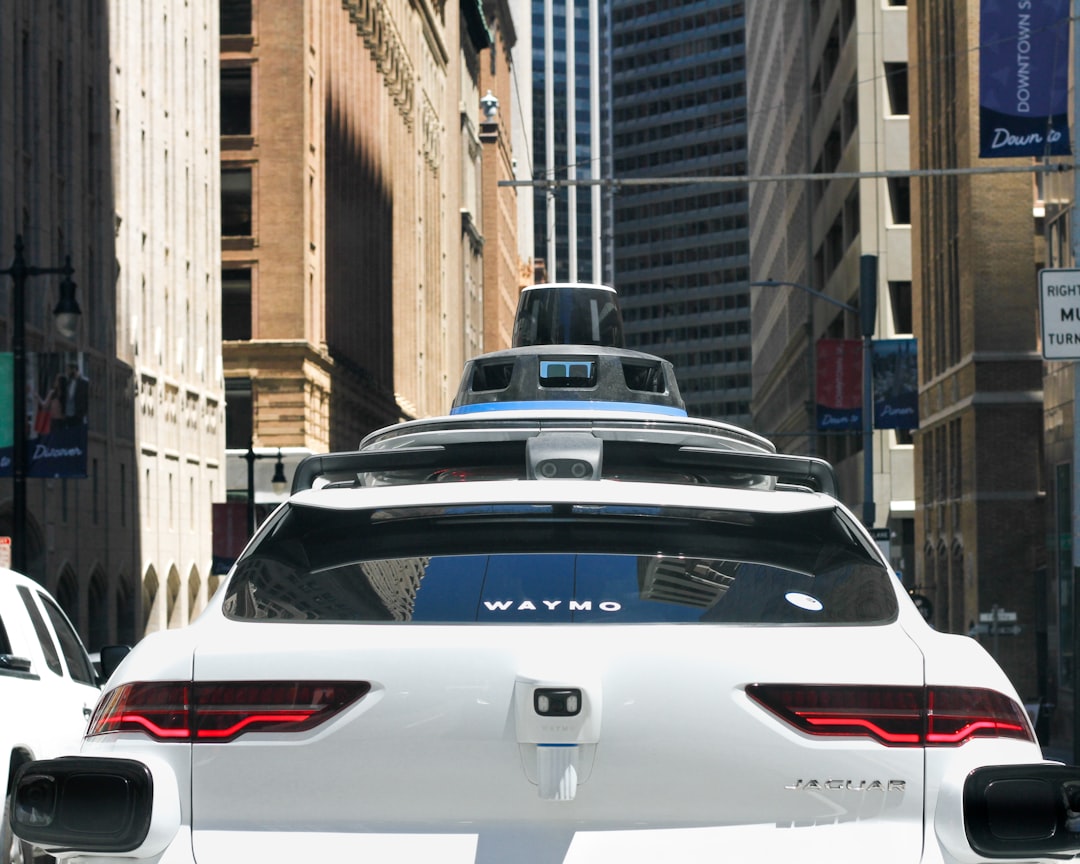
Waymo’s fully driverless robotaxis are live in Nashville, and you hail them through the Lyft app (or the Waymo One app) just like any other ride. For travelers, the practical upshot is a predictable, no-tip, no-driver option for getting between downtown, Midtown, East Nashville and — zone permitting — Nashville International Airport (BNA), at fares roughly in line with a standard Lyft. This guide covers what it costs in late 2026, where it works, where it doesn’t, and when a human driver or the $2 bus is the smarter call.
Key Takeaways
- Waymo robotaxis are available in Nashville through the Lyft app and the Waymo One app — Nashville is Waymo’s first Lyft-partner city (Austin and Atlanta use Uber).
- Rides are fully driverless Jaguar I-PACE EVs, seating up to 4 passengers with room for about two checked bags plus carry-ons.
- Expect 2026 fares of roughly $12–20 for a 2–3 mile hop across the core and $30–45 for BNA-to-downtown when the airport is in zone; no tipping.
- Nashville was Waymo’s 11th paid market at launch; the company has kept adding U.S. cities through 2026, so the Nashville playbook is the template to watch.
- Best use cases: early-morning airport runs, late-night hotel returns, solo travelers. Worst: 5-person bachelorette groups and Saturday-night Broadway chaos.
This isn’t a pilot with a safety driver in the front seat. These are fully autonomous vehicles running commercially, remotely monitored by Waymo’s fleet-response team, and they’ve been carrying paying riders in Music City since spring 2026.
What Exactly Launched in Nashville?
Waymo and Lyft announced the Nashville partnership in September 2025; public rides started in 2026. The split works like this: Waymo supplies the vehicles and the self-driving system, and Lyft’s fleet arm (Flexdrive) handles depot work — charging, cleaning, and maintenance. For you, the rider, it simply means a Waymo shows up as a ride option inside Lyft when one is nearby.
The service area at launch covered the urban core — downtown, SoBro, the Gulch, Midtown and the Vanderbilt area, Germantown, and parts of East Nashville — and Waymo has expanded the zone in stages since. The vehicles rely on lidar, radar, and cameras combined with AI-driven mapping and prediction models to navigate urban streets.
For travelers, the headline isn’t the sensor stack. It’s this: you can now land at Nashville International Airport (BNA) and potentially ride the roughly 8 miles to a downtown hotel with no human driver. Airport access depends on the current service map, so check the app before you walk to the rideshare pickup on Level 1 of the Terminal Garage.
Why This Matters for Travelers
1. Predictability Over Personality
In tourist-heavy cities like Nashville — especially during CMA Fest (June), the New Year’s Eve Big Bash, or a sold-out weekend at Bridgestone Arena — rideshare quality is wildly inconsistent. Surge pricing, distracted drivers, or someone who doesn’t know Lower Broadway is closed to cars after 10 p.m. on weekends.
Robotaxis don’t get tired, annoyed, or confused by out-of-town directions. For business travelers heading to a 7:30 a.m. meeting at Music City Center, a car that follows the same mapped route every time beats rolling the dice at 11 p.m.
2. A Glimpse of the Future of Airport Transfers
Airport transfers are one of the most friction-heavy parts of travel. You land, you’re tired, and now you’re negotiating rides.
With Waymo integrated into Lyft:
- No small talk if you don’t want it (there’s a “quiet ride” mindset built in)
- No tipping calculations — Waymo doesn’t accept tips at all
- No “Do you mind if I take a call?” moments
- No concerns about driver fatigue on a midnight arrival
3. Safety Perception for Solo Travelers
Solo travelers — especially women — often prioritize safety when choosing transport. A driverless car removes the stranger-in-the-front-seat variable. Every ride is recorded, GPS-tracked, and there’s an in-car button and in-app chat to reach a human support agent in seconds.
It doesn’t eliminate all risk, but it does change the risk profile. If personal security is high on your checklist, pairing autonomous transport with tools like a smart travel tracker — for example, something we covered in our Pebblebee Halo travel safety review — adds another layer of reassurance.
How to Book a Waymo Ride in Nashville
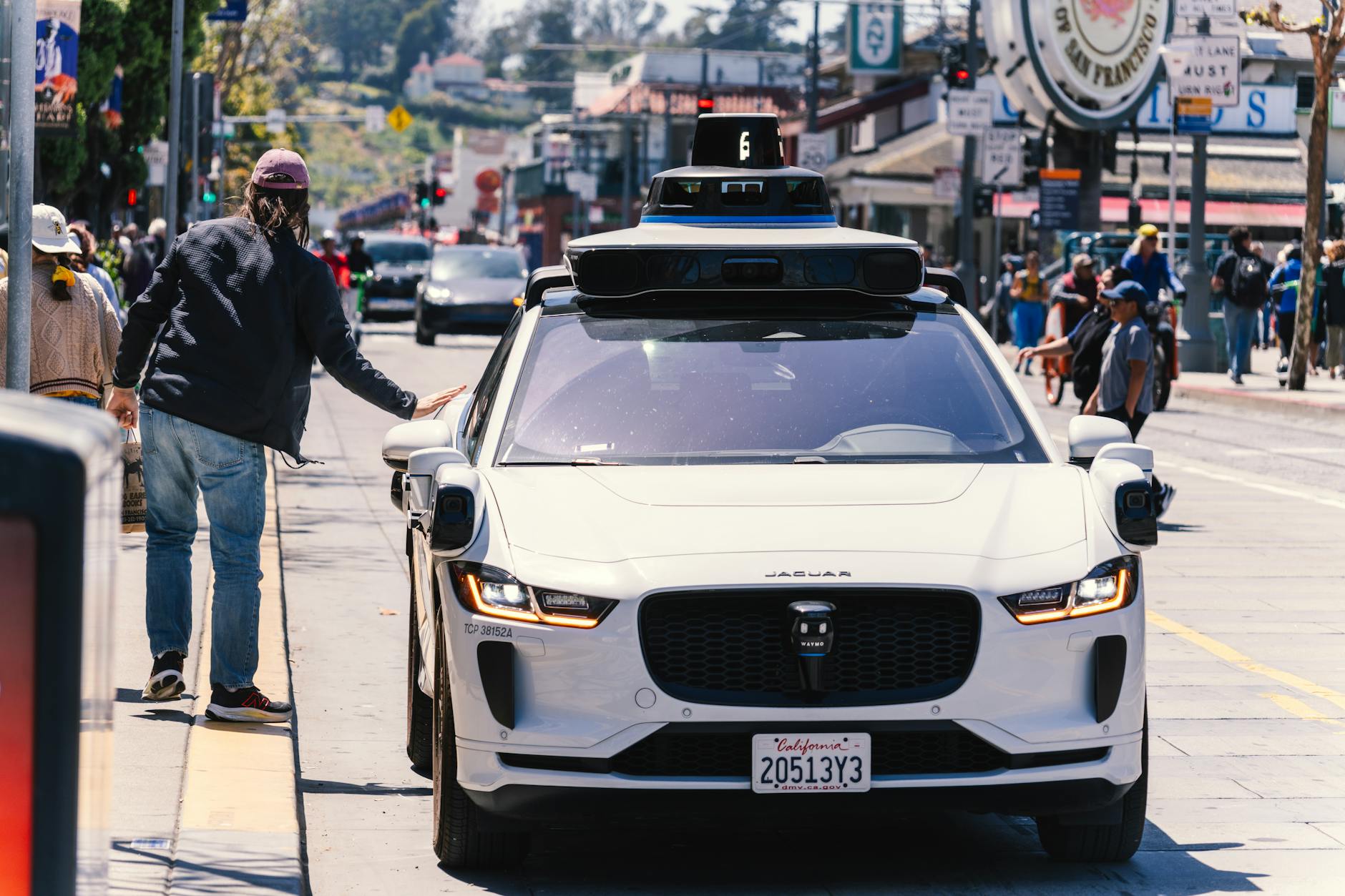
- Open the Lyft app (or Waymo One) and enter pickup and drop-off.
- If both points are inside the Waymo zone and a car is nearby, Waymo appears as a ride tier with its own price — compare it against the standard Lyft fare before tapping.
- Confirm. The app shows a pickup spot; it may be 100–300 feet from your pin because the car needs a legal curb to stop at.
- When the car arrives (your initials show on the roof display), tap “Unlock” in the app, get in, buckle up, and press “Start ride” on the rear screen.
Riders must be 18+ to book; kids ride with an adult, and you bring your own car seat. Expect a short adjustment period the first time. It feels futuristic for about five minutes. Then it just feels like transportation.
What About Pricing?
Waymo fares in Nashville are quoted upfront and track standard Lyft pricing, with dynamic pricing during peak demand. Based on fares riders have reported through 2026, here’s a realistic planning range:
| Route (2026, USD) | Distance / time | Waymo via Lyft | Standard Lyft/Uber | Taxi | WeGo bus |
|---|---|---|---|---|---|
| BNA → Downtown hotel | ~8 mi / 15–25 min | $30–45 (when in zone) | $28–40, $50+ on surge | $25 flat rate | $2 (Route 18, ~35 min) |
| Downtown → Midtown / Vanderbilt | ~2 mi / 8–12 min | $12–18 | $10–16 | $12–15 | $2 |
| Downtown → East Nashville (Five Points) | ~2.5 mi / 10–15 min | $13–20 | $11–18 | $13–16 | $2 |
| Downtown → Opryland / Grand Ole Opry | ~9 mi / 20–25 min | Often outside zone | $28–40 | $30–35 | $2 (Route 34, ~45 min) |
| Tipping | — | None | Expected, 15–20% | Expected | None |
Two things to note. First, Waymo prices frequently land a few dollars above a basic Lyft — the no-tip rule usually erases that gap. Second, surge still exists: during a Titans home game or a Thursday–Saturday night on Broadway, both Waymo and human-driven fares climb. Autonomy doesn’t eliminate surge economics; it just removes the tip line from your expense report.
Is It Actually Better Than a Human Driver?
Autonomous vehicles excel at consistency, strict rule-following, and pre-mapped navigation. They’re less great at improvising around construction (and Nashville has a lot of it — the East Bank stadium project and ongoing I-40/I-24 work being the big ones), reading pedestrian swarms on Broadway at closing time, and making judgment calls outside their mapped zones.
One Nashville-specific factor: if your route isn’t freeway-enabled, the car will take surface streets. Downtown to BNA via Murfreesboro Pike instead of I-40 adds 5–10 minutes. For travelers, that usually means slightly slower but steadier rides — not faster ones.
Nashville as a Strategic Travel City
Nashville isn’t random. BNA handled well over 20 million passengers in its last reported year and is in the middle of a multi-billion-dollar terminal expansion. The city pulls music tourism, bachelor and bachelorette trips, conventions at Music City Center, and heavy healthcare-industry travel (HCA, Vanderbilt). It’s also mid-sized — big enough to matter, manageable to map.
It’s also the proving ground for the Lyft relationship. Waymo’s other partner cities run through Uber; if the Lyft integration scales smoothly here, expect it to show up in Lyft’s other markets as Waymo keeps expanding to cities like Dallas, Denver, Miami, Washington D.C., and San Diego.
What This Signals for Digital Nomads
If you’re working remotely while traveling, reliable urban transport is part of your productivity stack. A Waymo from a Gulch hotel to a coworking space in East Nashville is a 15-minute ride you can spend on email instead of small talk.
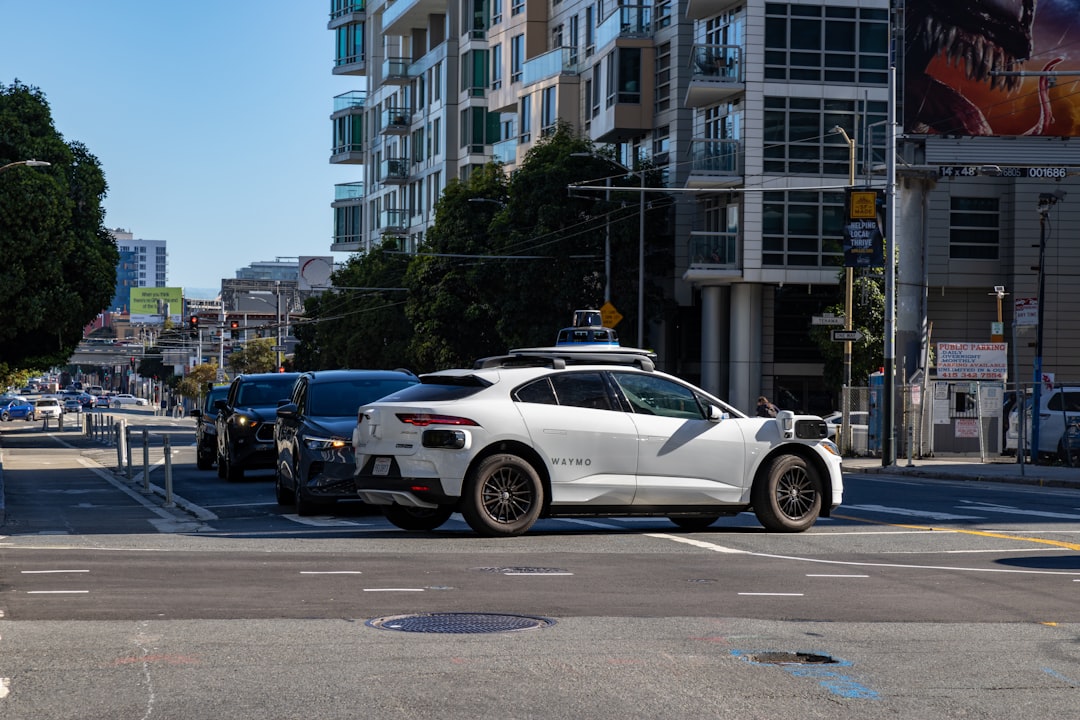
As AI continues to reshape how we work and move, mobility is part of that ecosystem. We recently explored how AI tools are changing remote workflows in our deep dive on AI labs, hardware shifts, and Claude Code for remote workers. Transportation is just another layer of that transformation. For nomads, less friction equals more billable hours.
Common Mistakes First-Time Riders Make (and What I’d Do Differently)
- Trying it for the first time at 1 a.m. on a Saturday on Broadway. Lower Broadway is closed to vehicles late on weekend nights, the pickup spot will be blocks away, and the car will crawl through pedestrians. Take your first ride on a weekday morning so you learn the unlock-and-start routine without the chaos.
- Booking for a group of five. The I-PACE seats four. Bachelorette groups should split into two cars or take an XL.
- Dropping the pin at a hotel’s porte-cochère. Waymo picks its own legal curb stop, sometimes around the corner. Watch the map and walk to the marked spot instead of waiting at the valet stand.
- Assuming BNA is always covered. Airport access has been phased in; if Waymo doesn’t show as an option on arrival, the $25 flat-rate taxi from the terminal is the fastest fallback, and WeGo Route 18 is the cheapest.
- Not comparing the price tiers. Waymo is often $2–5 more than a basic Lyft on the quote screen. Subtract the tip you’d have paid before deciding — it’s usually a wash, but not always.
- Leaving stuff behind. There’s no driver to notice your charger on the seat. Do a sweep before the doors lock; lost-item recovery means contacting support and waiting for a depot check.
What to Expect Next
- Full BNA curbside coverage and freeway routing across the whole service area
- Larger, lower-cost vehicles joining the I-PACE fleet (Waymo’s Zeekr-built “Ojai” and Hyundai IONIQ 5 models)
- Hotel and convention partnerships bundling autonomous transfers into bookings
- Service-zone growth toward Opryland, 12South, and Berry Hill
The real disruption won’t be novelty rides downtown. It will be seamless airport-to-hotel logistics bundled into your travel booking: flight, hotel, and a guaranteed autonomous transfer in one click.
Should Travelers Choose Waymo in Nashville?
My take: yes — at least once, and routinely for three scenarios: 5 a.m. airport runs, late-night returns to the hotel, and solo trips when you’d rather not chat.
If you enjoy asking drivers where the best late-night hot chicken is (Hattie B’s Midtown closes at 10 p.m. most nights; Prince’s on Nolensville Pike is the original), you’ll still want human drivers sometimes. Robotaxis don’t give restaurant tips.
But for airport transfers, early meetings, or the ride back after a show at the Ryman, autonomous rides in Nashville now feel less like a gimmick and more like infrastructure.
The Bigger Travel Trend
Three forces are colliding: AI-driven automation, platform consolidation (Waymo rides inside Lyft and Uber rather than a standalone app), and traveler demand for frictionless mobility. Waymo’s Nashville launch normalized autonomous transport in a mainstream tourism market — and once something becomes normal, it scales fast.
If you’re visiting Nashville this holiday season — ICE! at Gaylord Opryland runs through early January, and the New Year’s Eve Big Bash fills Bicentennial Mall — your most futuristic travel experience might not be a concert. It might be the ride there.
If you’re heading to Music City, browse nearby places to stay: Hotels in Nashville.
Frequently Asked Questions
How much does a Waymo ride cost in Nashville?
Plan on about $12–20 for a 2–3 mile ride across the urban core and $30–45 between BNA and downtown when the airport is in zone (2026 prices). Fares are quoted upfront, rise with demand, and include no tip.
Can I take a Waymo from Nashville International Airport (BNA)?
Only when BNA is inside the active service zone, which has been phased in. Check the Lyft app after landing; if Waymo isn’t offered, the $25 flat-rate taxi or WeGo Route 18 bus ($2, about 35 minutes to downtown) are the fallbacks.
How do I book a Waymo robotaxi in Nashville?
Open the Lyft app or Waymo One, enter your destination, and pick the Waymo tier if it appears. Walk to the marked pickup spot, unlock the car in the app, and press “Start ride” on the rear screen. You must be 18+ to book.
Is Waymo cheaper than a regular Lyft or Uber in Nashville?
Usually a few dollars more on the quote screen, but with no tipping it typically ends up even or slightly cheaper than a tipped human-driven ride. Compare both tiers in the app before booking.
Is riding in a Waymo robotaxi worth it?
For early airport runs, late-night hotel returns, and solo travelers, yes — rides are quiet, predictable, and tip-free. For groups of five or more, or Saturday-night Broadway crowds, a human-driven XL is faster and simpler.
Is riding in a Waymo robotaxi safe?
Waymo vehicles use lidar, radar, cameras, and remote monitoring, and every ride is recorded with an in-car button to reach a human agent. Waymo’s published safety data across its cities shows fewer injury crashes per mile than human drivers, though no transport option is risk-free.

About the Author: Tomáš Bzirský
Founder and editor of Distratech. Based in the Czech Republic, travelling regularly from Central Europe. Writes practical travel guides and travel-tech comparisons (eSIM, apps, airports) in six languages.