'/%3E%3Cpath%20fill='%23b2b2b2'%20d='M241%20382q0%2016%2017%2026%2017%2011%2042%2011t42-11q16-11%2017-26V269H241'/%3E%3Cpath%20fill='%239f7e00'%20d='M241%20379q0%2014%208%2023%209%209%2021%209%2014%200%2021-9%209-9%209-23V269h-59'/%3E%3Cpath%20d='M241%20339v-70h59v110q0%2014-9%2023l-6%205v-68h-15v72q-8%200-14-4v-68zm59%2040c0%2022%2015%2032%2029%2032%2021%200%2030-18%2030-32v-40h-59'/%3E%3Cpath%20fill='%239f7e00'%20d='M266%20277v5h2v12h-3v-5h2v-5h-9v5h2v5h-4v9h3v18h-5v10h34v-10h-5v-18h3v-9h-4v-5h2v-5h-9v5h2v5h-3v-12h2v-5zm42%20101q0%2010%206%2017%206%206%2015%207%2010-1%2016-7%206-7%206-17v-29h-43'/%3E%3Ccircle%20fill='%230044ad'%20cx='329.5'%20cy='372'%20r='6'/%3E%3Cellipse%20fill='%230044ad'%20cx='300'%20cy='340'%20rx='16'%20ry='21'/%3E%3C/svg%3E)
'/%3E%3C/svg%3E)


'/%3E%3C/g%3E%3Cuse%20href='%23c'%20transform='matrix(-1%200%200%201%20720%200)'/%3E%3C/svg%3E)


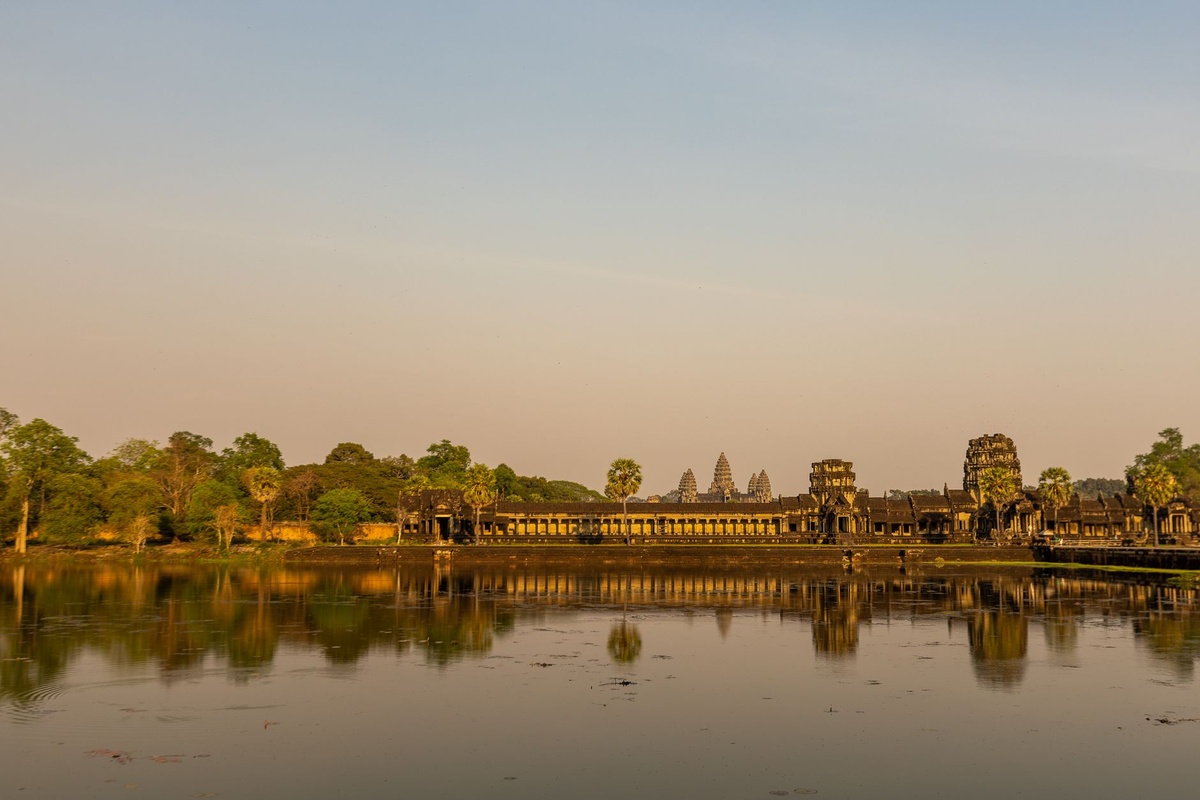
At 5:15 a.m., the crowds surge toward Angkor Wat’s reflecting pool. By 9:00 a.m., it feels like half of Southeast Asia is there with you.
Now imagine pedaling through rice fields instead — no tour buses, no selfie sticks — and locking your bike under a frangipani tree before stepping into a 10th‑century temple almost entirely alone.
Siem Reap in summer (June–August) is humid, green, and dramatically quieter than peak season. Yes, you’ll get short afternoon downpours. But you’ll also get lush landscapes, fewer tour groups, and discounted hotel rates — often 20–30% less than December.
Key Takeaways
- Angkor Pass costs $37 (1 day), $62 (3 days), $72 (7 days) — required for all temples listed.
- Bike rental in Siem Reap averages $3–$6/day; e-bikes cost $10–$15/day.
- All five temples are within 3–15 km of Siem Reap and manageable in 1–2 cycling days.
- Best time to ride in summer: 6:00–10:30 a.m. to avoid peak heat and storms.
Why Explore by Bicycle Instead of Tuk-Tuk?
Short answer: freedom.
A tuk-tuk for the Small Circuit costs $18–$25 per day (8 hours). A bicycle is $4 per day. That’s a $21 difference — enough for two solid Cambodian dinners and a foot massage.
| Transport | Cost (per day) | Flexibility | Best For |
|---|---|---|---|
| Bicycle | $3–$6 | Maximum | Independent travelers |
| E-bike | $10–$15 | High | Hot season comfort |
| Tuk-tuk | $18–$25 | Moderate | Families, short visits |
I recommend Siem Reap Bicycle Shop (Wat Bo Road) — $5/day for a solid mountain bike, free helmet, and lock. Book via WhatsApp (+855 92 258 690) or just walk in; no advance reservation needed in summer.
Skip the $2 guesthouse bikes with squeaky brakes. The temple roads are uneven, and you’ll regret it.
1. Banteay Kdei – The Quiet Ta Prohm Alternative
Distance from Siem Reap: 7 km
Cycling time: 30–40 minutes
Opening hours: 5:00 a.m. – 6:00 p.m.
If you love Ta Prohm’s jungle-overgrown aesthetic but hate the queues, Banteay Kdei is your temple.
Built in the late 12th century, it has crumbling corridors, strangler figs wrapping around doorways, and far fewer tour groups. At 8:30 a.m. in July, I counted 12 people total. Ta Prohm at the same hour? Easily 300+.
Cycle past Srah Srang reservoir and enter from the east gate for softer morning light. Bring water — there are fewer vendors here than at the headline temples.
Time needed: 60–90 minutes.
2. Prasat Kravan – Brick Towers and Zero Crowds
Distance: 6 km
Cycling time: 25–30 minutes
Opening hours: 7:30 a.m. – 5:30 p.m.
This 10th-century temple stands out because it’s built from red brick, not sandstone. Inside, bas-reliefs of Vishnu are carved directly into the brick walls — rare in Angkor architecture.
Most tour itineraries stop for 10 minutes. On a bike, you can stay longer and have it to yourself once the vans leave.
Combine Prasat Kravan with Banteay Kdei in one easy morning loop (about 18 km round-trip total). Compared to the 26 km Small Circuit route most tuk-tuks take, this version is shorter and calmer.
3. Ta Nei – The “Forgotten” Jungle Temple
Distance: 9 km
Cycling time: 40–50 minutes
Opening hours: 7:30 a.m. – 5:30 p.m.
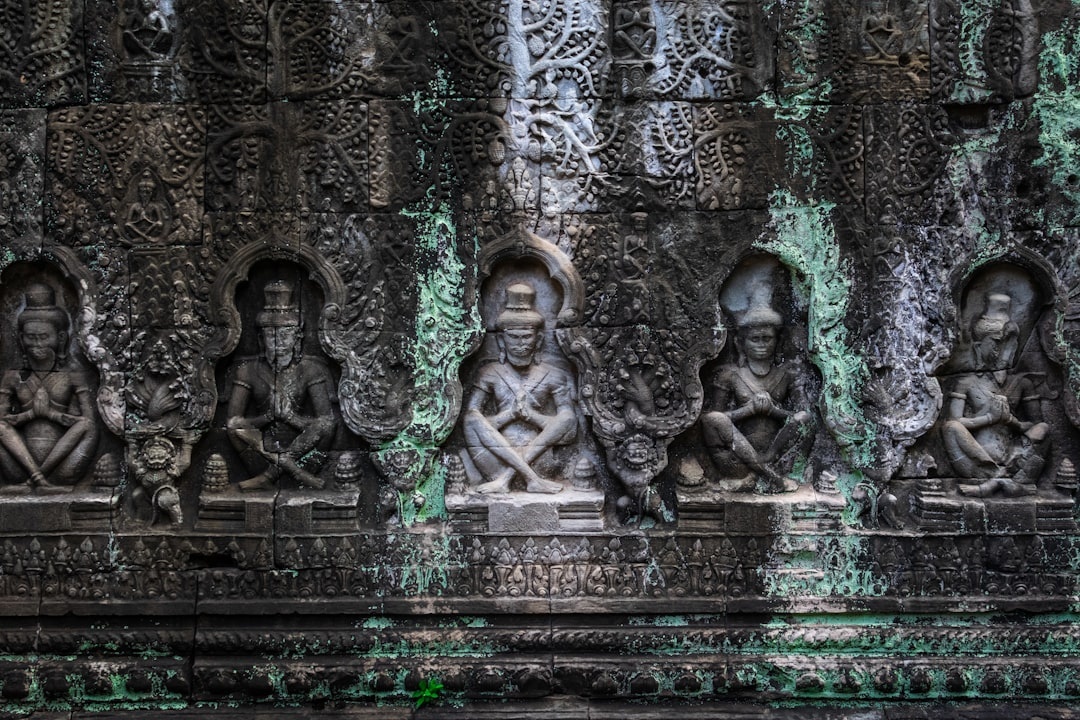
Ta Nei feels undiscovered.
You’ll turn off the main road onto a narrow forest path. In summer, it’s muddy but manageable on a mountain bike. That final 800 meters keeps most tour buses away.
Expect moss-covered stones, collapsed galleries, and near silence except for cicadas. Compared to Ta Prohm — which sees thousands daily — Ta Nei often has fewer than 50 visitors a day in low season.
Pro tip: download the Angkor App ($2.99 on iOS/Android) for offline temple maps and historical context. Cell signal inside the forest can be spotty.
4. Banteay Samré – The Mini Angkor Wat
Distance: 14 km
Cycling time: 60–75 minutes one way
Opening hours: 7:30 a.m. – 5:30 p.m.
This is your longer ride — and worth every drop of sweat.
Banteay Samré is often compared to a scaled-down Angkor Wat because of its symmetrical layout and well-preserved carvings. But here’s the difference: you might share it with 20 people instead of 2,000.
Bring cash for a coconut ($1) from roadside vendors on the way back. You’ll need it.
If 28 km round-trip sounds ambitious, rent an e-bike for $12/day from Eco Bikes Siem Reap (Sivutha Blvd). It cuts effort by half and still keeps the experience intimate.
5. Preah Palilay – Hidden in Angkor Thom’s Shadow
Distance: 8 km
Cycling time: 35–45 minutes
Opening hours: 7:30 a.m. – 5:30 p.m.
Most visitors cycle straight past this temple inside Angkor Thom.
Preah Palilay sits tucked in the forest north of the Terrace of the Elephants. It’s small, partially ruined, and wonderfully quiet.
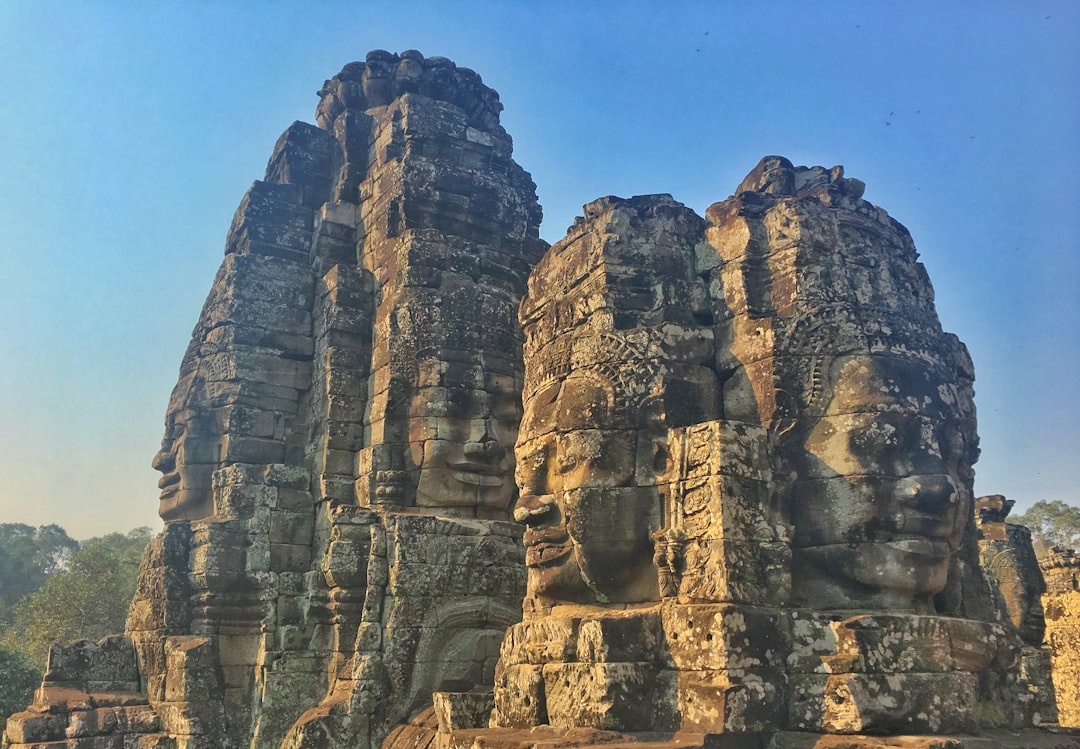
Compared to Bayon — where you’ll jostle for photos with the stone faces — Preah Palilay feels meditative. Bring a snack, sit on the steps, and watch shafts of sunlight cut through the trees.
Suggested 2-Day Cycling Itinerary
Day 1 (18–22 km total)
- 6:00 a.m. – Cycle to Banteay Kdei
- 8:00 a.m. – Prasat Kravan
- 9:30 a.m. – Preah Palilay (inside Angkor Thom)
- 11:00 a.m. – Return to town before peak heat
Day 2 (25–30 km total)
- 6:00 a.m. – Ride to Ta Nei
- 8:30 a.m. – Continue to Banteay Samré
- 11:30 a.m. – Coconut stop + return
Total cycling distance across two days: ~50 km. Very manageable if you’re moderately fit.
Where to Eat After Your Ride (Skip Pub Street Tourist Traps)
After 4–5 hours cycling in 32°C heat, you’ll want serious food.
Khmer Kitchen Restaurant (Wat Bo Road) — Fish amok for $6, beef lok lak for $7. Better value and calmer atmosphere than Pub Street branches.
Brother Bong Café — Excellent $2.50 iced coffee and strong Wi‑Fi if you need to upload photos or check routes.
For context, $10 in Siem Reap gets you two mains and a drink — roughly what you’d spend on one cocktail in Singapore. If you’re comparing regional food budgets, our breakdown of what $10 buys you in Southeast Asia’s street food capitals puts Cambodia firmly on the affordable end.
Practical Tech & Safety Tips (Summer 2026 Edition)
- Offline maps: Download Google Maps offline for “Siem Reap + Angkor” before entering the park.
- Hydration: Minimum 2 liters per person; Circle K near the Old Market sells 1.5L bottles for $0.75.
- Rain timing: Afternoon showers (3–5 p.m.) are common June–September.
- Temple pass: Buy at the official Angkor Ticket Office (Road 60). Open 5:00 a.m.–5:30 p.m.
- Scam awareness: Ignore anyone saying “temple closed today” — a classic regional trick detailed in our guide to Southeast Asia travel scams in 2026.
Helmets aren’t legally enforced inside the park, but wear one anyway. The laterite roads can be slippery after rain.
When Is the Best Time to Cycle These Temples?
Best months: June–August for fewer crowds and lush scenery.
Peak season: December–February (cooler, but 2–3× more visitors).
Morning temperature in summer: 26–29°C. By 1:00 p.m., expect 33–35°C.
If you want dramatic green rice fields and moody clouds for photography, summer wins. If you want dry heat and easier cycling, come January.
The Real Reward: Space
Angkor Wat deserves its fame. But cycling to lesser-known temples gives you something rarer than bucket-list bragging rights — silence.
You’ll hear birds instead of tour guides. Wind in palm trees instead of bus engines. And you’ll feel like you discovered something, even though it’s been here for a thousand years.
Rent the bike. Start early. Skip the crowds.
And if you do just one thing differently in Siem Reap, make it this.
If you’re planning a quieter bike route around Siem Reap, check Siem Reap hotel deals and book early for the best summer rates.
Frequently Asked Questions
How much does it cost to visit these temples?
You need an Angkor Pass: $37 (1 day), $62 (3 days), or $72 (7 days). Bike rental adds $3–$6 per day, or $10–$15 for an e-bike.
Can you really cycle to Angkor temples in the summer heat?
Yes, if you start early (6:00 a.m.) and finish before noon. Expect 30–35°C by midday, so bring at least 2 liters of water and plan for shade breaks.
Are these temples included in the Angkor Pass?
Yes. All five temples listed are within the Angkor Archaeological Park and covered by the standard Angkor Pass.
Is cycling safer than taking a tuk-tuk?
Both are generally safe inside the park. Cycling gives you more control and flexibility, but wear a helmet and avoid riding after heavy rain when roads get slick.

About the Author: Tomáš Bzirský
Founder and editor of Distratech. Based in the Czech Republic, travelling regularly from Central Europe. Writes practical travel guides and travel-tech comparisons (eSIM, apps, airports) in six languages.