


Visiting Washington, D.C. for the National Cherry Blossom Festival 2026: What to Know
The first time I saw the cherry blossoms in D.C., I made the classic mistake: I showed up at 2 p.m. on a Saturday, fought through selfie sticks, and spent more time dodging tour groups than enjoying the trees.
The second time? I arrived at 6:45 a.m., coffee in hand, with the Jefferson Memorial glowing pink in the morning light — and it felt magical. If you’re planning to visit Washington, D.C. for the National Cherry Blossom Festival 2026, timing and strategy make all the difference.
Key Takeaways
- Peak bloom typically falls between March 22–April 5, 2026 (exact dates announced in early March).
- Arrive before 8 a.m. or after 7 p.m. to avoid the heaviest crowds at the Tidal Basin.
- Metro day pass costs around $13; parking near the Mall is extremely limited.
- Most festival events are free, but hotels spike to $250–$400 per night near downtown.
When Is the National Cherry Blossom Festival 2026?
The 2026 festival is expected to run from mid-March through mid-April, with peak bloom usually lasting about 4–7 days. The National Park Service announces peak bloom predictions in early March.
If you want the postcard views, aim for weekday mornings during peak bloom. Weekends are festive — but packed.
Cherry blossoms are famously unpredictable. A warm winter pushes blooms earlier; a cold snap can delay them. I recommend booking flexible flights or arriving slightly before projected peak dates.
If you love traveling in shoulder season, this is one of the best examples of it done right — similar to other smart shoulder-season destinations where you get beauty without full summer chaos.
Where to See the Best Cherry Blossoms
Yes, everyone heads to the Tidal Basin. And yes, you should too — but with a plan.
1. Tidal Basin (Jefferson Memorial Loop)
This is the iconic spot: 3,000+ cherry trees circling the water with the Jefferson Memorial in the background. The full loop is about 2.1 miles and takes 45–60 minutes without stops.
Go counterclockwise from the Martin Luther King Jr. Memorial entrance to avoid the densest traffic flow.
2. East Potomac Park (Hains Point)
My favorite alternative. Fewer crowds, wide open paths, and beautiful blossoms lining the road.
You can rent a Capital Bikeshare for about $8–$12 and cycle the loop in under an hour.
3. National Arboretum
Much quieter and more local. It’s about 20 minutes by car from downtown, and you’ll see different varieties of cherry trees without the festival frenzy.
4. Dumbarton Oaks (Georgetown)
These gardens are stunning in spring. There’s a small entrance fee (around $15), but the controlled access means fewer crowds and better photo opportunities.
The Best Festival Events (And What to Skip)
The festival isn’t just about trees — it’s a month-long celebration with parades, cultural events, and food pop-ups.
Opening Ceremony
Usually held in late March and featuring Japanese and American performers. It’s free, but tickets are required and go fast.
Blossom Kite Festival
Held on the National Mall. Families love it, but be prepared for big crowds.
National Cherry Blossom Festival Parade
This is the one event I’d only recommend if you truly love parades. Grandstand tickets can cost $25–$40. Otherwise, watch clips online and spend your time under the trees instead.
Where to Stay (And What It Costs)
Hotels surge during peak bloom. Expect:
- $250–$400 per night for a 3–4 star hotel near the National Mall
- $180–$250 in Dupont Circle or Capitol Hill
- $120–$180 in Arlington, VA (10–15 minutes by Metro)
If you’re budget-conscious, stay in Arlington or Alexandria and take the Metro in. It’s faster than driving and saves you the parking headache.
Book at least 2–3 months in advance. Last-minute deals are rare during peak bloom.
How to Get Around (Don’t Drive)
Driving during cherry blossom season is an exercise in frustration. Road closures and limited parking near the Tidal Basin make it not worth it.
The Washington Metro is clean, reliable, and easy to use.
- Closest stops: Smithsonian (Blue/Orange/Silver lines)
- L’Enfant Plaza is another good option
- Metro day pass: approx. $13
Download the official WMATA app or use Google Maps for real-time train schedules.
Where to Eat Near the Blossoms
Food trucks line the Mall during peak bloom — but most are overpriced and mediocre.
Instead, walk 10–15 minutes to better spots.
Old Ebbitt Grill
A D.C. classic near the White House. Oysters and crab cakes are solid, and it’s efficient even when busy.
Daikaya (Ramen)
If there’s a chill in the air, ramen hits perfectly. Expect $18–$22 per bowl.
Farmers & Distillers
Good for groups and dietary restrictions. Reserve ahead during peak bloom.
For coffee, skip Mall carts and head to Compass Coffee or Tatte Bakery.
Tech Tips for a Smoother Visit
This is where a little digital planning saves hours.
- Check peak bloom forecasts daily via the National Park Service website.
- Use a crowd heatmap app like Google Maps’ “Popular Times” to time your visit.
- Bring a portable charger — you’ll take more photos than you think.
- Download offline maps in case cell service slows in dense crowds.
- Set a sunrise alarm — seriously, early light is everything.
Sample 2-Day Cherry Blossom Itinerary
Day 1: Blossoms & Monuments
6:45 a.m. — Tidal Basin walk at sunrise.
9:00 a.m. — Breakfast in Penn Quarter.
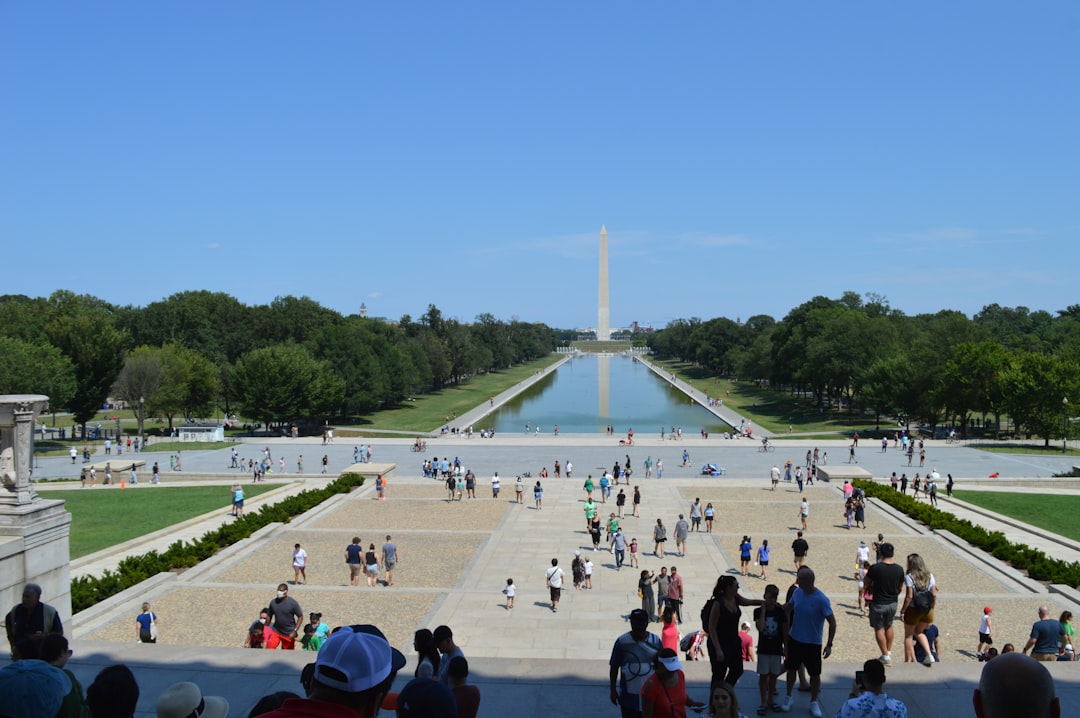
Late morning — Visit Lincoln Memorial and Washington Monument.
Afternoon — Explore Smithsonian museums (free entry).
Dinner in Georgetown.
Day 2: Culture & Hidden Gems
Morning — National Arboretum or Hains Point bike ride.
Midday — Capitol Hill stroll and Library of Congress.
Evening — Wharf waterfront for sunset views.
Budget estimate (per person, 2 days):
- Hotel (shared): $250–$600
- Food: $80–$150
- Transport: $20–$40
- Events: Mostly free
Is the Cherry Blossom Festival Worth It?
Yes — if you plan smart.
If you hate crowds and refuse to wake up early, you might leave frustrated. But if you lean into early mornings, walk a little farther, and skip obvious tourist traps, it’s one of the most beautiful urban spring displays in the U.S.
And unlike many spring hotspots, most of the experience is completely free.
Final Thoughts: Plan Early, Wake Early, Enjoy More
Washington, D.C. during cherry blossom season feels like the city collectively decided to show off.
The soft pink canopy, the monuments reflected in water, the energy of people celebrating winter’s end — it’s special.
Book early. Set your alarm. And experience the blossoms before the crowds do.
If you’re planning more smart seasonal trips, check out our guide to where to travel before summer crowds hit for more ideas that reward good timing.
Frequently Asked Questions
When is peak bloom for the Cherry Blossom Festival 2026?
Peak bloom usually occurs between late March and early April, lasting about 4–7 days. The National Park Service releases the official forecast in early March 2026.
Is the National Cherry Blossom Festival free?
Yes, most events and all monument access are free. Some special events like parade grandstand seating may cost $25–$40.
What is the best time of day to see the cherry blossoms?
Before 8 a.m. or after 7 p.m. for fewer crowds and softer light. Midday weekends are the most crowded.
Where should I stay during cherry blossom season in D.C.?
Stay in Arlington or Alexandria for cheaper rates ($120–$180 per night) and take the Metro into downtown to avoid parking issues.