


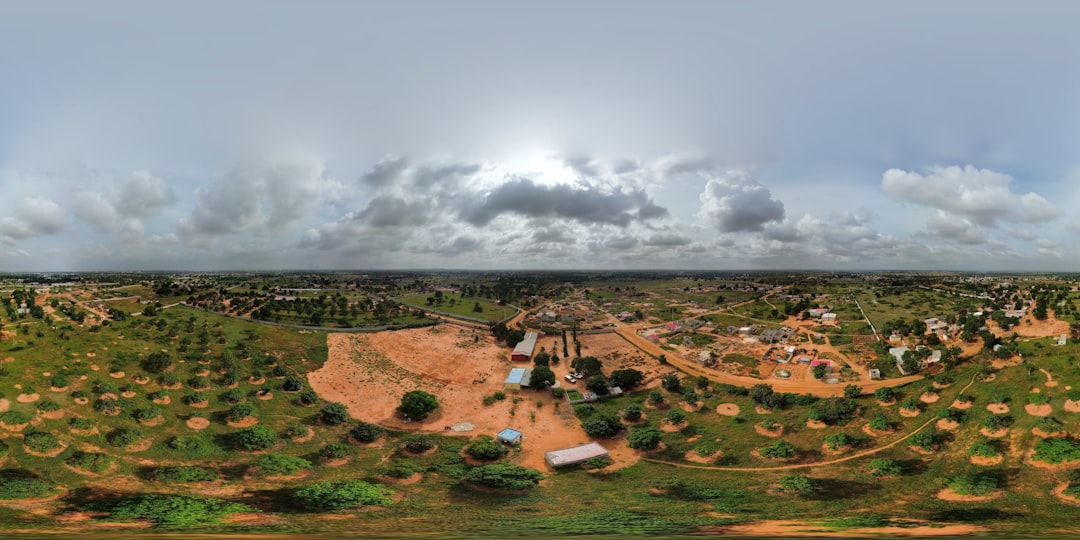
Untouched, Wild, Welcoming: Angola’s Hidden Tourism Gem
When travelers talk about Africa, they often mention safari classics like Kenya or Tanzania, or cultural icons like Morocco and Egypt. But quietly—almost secretly—Angola is emerging as one of the continent’s most thrilling and untouched destinations. With empty Atlantic beaches, roaring waterfalls, surreal desert landscapes, and a culture shaped by resilience and rhythm, Angola feels like a frontier waiting to be discovered.
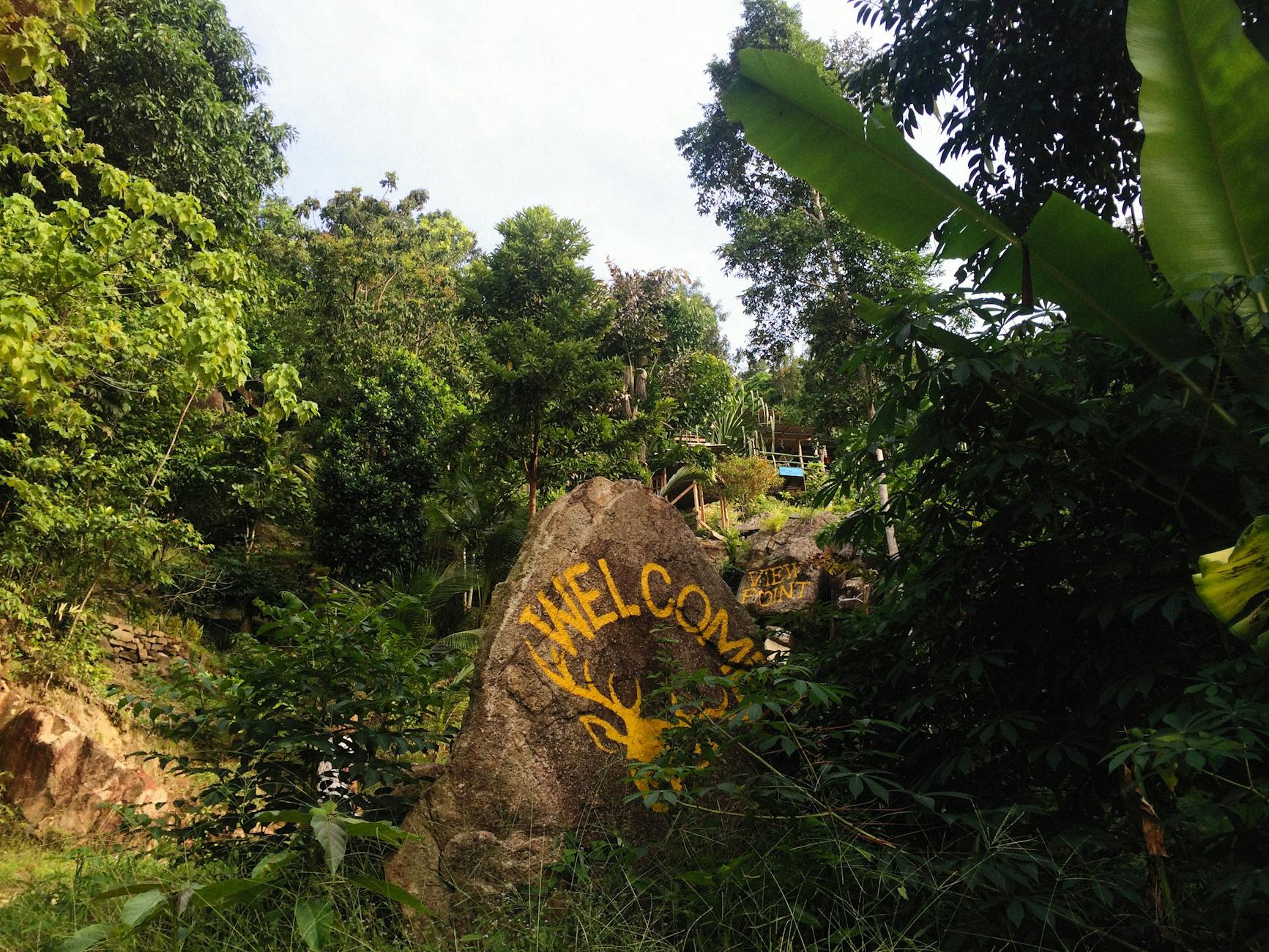
This is not mass tourism. It’s not polished or predictable. And that’s exactly the point. Angola rewards the curious traveler with raw beauty, authentic encounters, and stories you won’t hear from anyone else at the dinner table. If you’re looking for somewhere wild, welcoming, and wonderfully off the radar, Angola may be Africa’s best-kept secret.
1. Nature Without the Crowds
Angola’s landscapes are vast, dramatic, and—most importantly—largely untouched by tourism infrastructure. This is where you can stand alone before a thundering waterfall or drive for miles along an empty beach without seeing another traveler.
Kalandula Falls, often compared to Victoria Falls but without the tour buses, is one of Africa’s largest waterfalls by volume. During the rainy season, the water crashes down in a 105-meter curtain of mist and rainbows. There are few fences, few viewing platforms—just you and nature.
Then there’s the Namib Desert in southern Angola, home to the ancient Welwitschia plant and otherworldly rock formations. In sharp contrast, the Tundavala Gap near Lubango offers jaw-dropping escarpment views stretching for miles.
And the beaches? Angola’s Atlantic coastline is over 1,600 kilometers long. Spots like Cabo Ledo and Baía Azul offer golden sands, turquoise water, and world-class surfing—without the crowds you’d find in more established beach destinations.
Practical Tips:
- The dry season (May to October) is ideal for travel, with cooler temperatures and easier road conditions.
- Rent a 4×4 vehicle if you plan to explore remote areas—many natural attractions require off-road driving.
- Bring cash when traveling outside Luanda; card facilities are limited in rural regions.
2. A Culture Shaped by Rhythm and Resilience
Angola’s story is complex. After decades of civil war that ended in 2002, the country has been rebuilding and redefining itself. Today, that resilience is part of its identity—and visitors often remark on the warmth and openness of the people they meet.
In the capital city of Luanda, Portuguese colonial architecture stands beside modern high-rises. Street markets buzz with life, and the scent of grilled fish and spicy sauces fills the air. Music is everywhere. Angola is the birthplace of kizomba, a sensual music and dance style that has spread worldwide.
Venture beyond Luanda and you’ll discover traditional villages, vibrant textiles, and diverse ethnic cultures including the Ovimbundu, Kimbundu, and Himba communities. Cultural tourism here is not staged—it’s lived.
Angolan cuisine is another highlight. Expect fresh seafood, cassava-based dishes, grilled meats, and influences from Portugal and Brazil. Don’t miss muamba de galinha (chicken stew with palm oil) or calulu, a rich fish or meat dish with vegetables.
Practical Tips:
- Portuguese is the official language. Learning a few basic phrases goes a long way.
- Always ask permission before photographing people, especially in rural areas.
- Try local restaurants rather than international hotel dining for a more authentic (and affordable) experience.
3. Adventure for the Bold Traveler
Angola isn’t a passive destination. It’s a place for travelers who enjoy exploration, spontaneity, and a touch of unpredictability.
Surfers are increasingly discovering Cabo Ledo, where consistent Atlantic swells roll in without the crowded lineups of South Africa or Morocco. Divers can explore relatively untouched marine ecosystems along the coast.
Inland, hiking opportunities abound. Trek the dramatic cliffs around Tundavala, explore caves near Sumbe, or take guided wildlife trips in parks like Kissama National Park, where elephant and antelope populations are gradually recovering.
For road-trip enthusiasts, Angola is a dream. The changing landscapes—from lush highlands to arid desert—make every journey visually spectacular. Just be prepared for long distances and variable road conditions.
Practical Tips:
- Hire local guides for hiking or wildlife trips—they enhance safety and provide cultural context.
- Check travel advisories and local conditions before venturing into remote regions.
- Travel insurance that covers medical evacuation is highly recommended.
4. Why Now Is the Time to Visit
Angola is still in the early stages of tourism development. That means fewer resorts and less infrastructure—but also fewer crowds and more authenticity.
The government has been working to simplify visa processes for many nationalities, and international flight connections to Luanda are improving. Hotels are expanding, boutique guesthouses are opening, and local tour operators are beginning to cater to adventurous international visitors.
Visiting now means experiencing Angola before it changes. You’ll find destinations that feel genuinely undiscovered. You’ll meet locals curious about where you’re from and eager to share their homeland. And you’ll contribute directly to a growing tourism economy that supports communities rebuilding and diversifying beyond oil.
This is sustainable tourism in its earliest and most promising form: small-scale, locally driven, and deeply human.
Practical Tips:
- Apply for your visa well in advance and ensure your passport has sufficient validity.
- Book accommodations ahead of time in Luanda, but remain flexible when exploring rural areas.
- Respect local customs—modest dress and polite greetings are appreciated.
Conclusion: Dare to Discover Angola
Angola isn’t for everyone—and that’s precisely its magic. It’s for travelers who crave the thrill of the unknown, who value authenticity over luxury, and who want to say, “I went there before the world caught on.”
From the thunder of Kalandula Falls to the stillness of desert horizons, from kizomba rhythms in Luanda to sunset waves along the Atlantic coast, Angola offers something rare in today’s travel landscape: discovery.
If you’re ready to step off the beaten path and experience a country that is untouched, wild, and genuinely welcoming, put Angola at the top of your list. The frontier of African travel is calling—will you answer?