


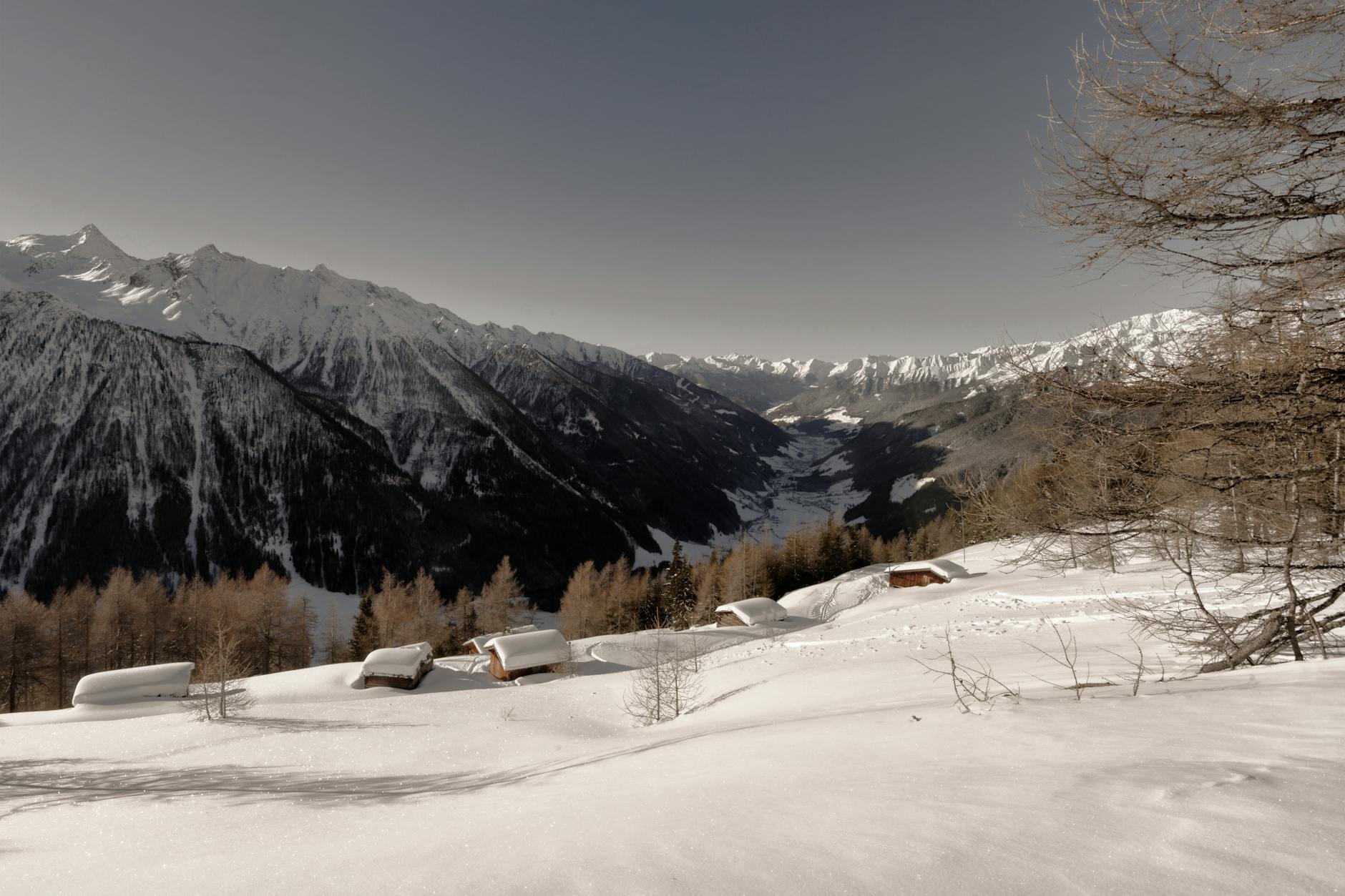
Tyrol: Visit Austria’s Alpine Haven for Mountain Sports, Wellness and Stellar Cuisine
If your idea of the perfect getaway includes snow-dusted peaks, emerald valleys, pristine hiking trails and plates of hearty alpine cuisine, then Tyrol (Tirol) in western Austria should be at the top of your list. Framed by the dramatic Alps and shaped by centuries of mountain culture, Tyrol blends adrenaline-fueled adventure with serene wellness traditions and a culinary scene that punches well above its weight.
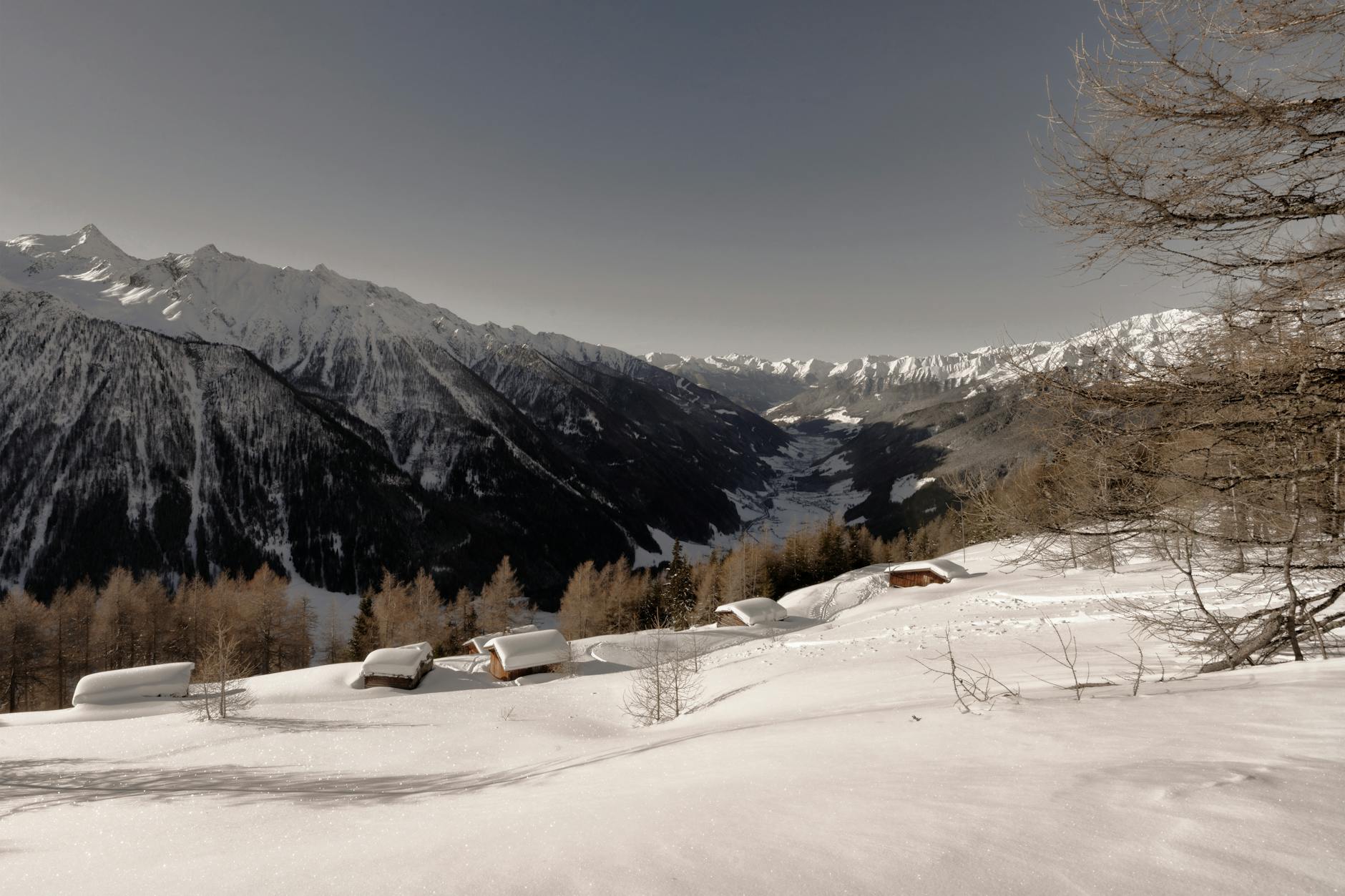
Whether you’re carving down ski slopes in winter, hiking high-alpine trails in summer, soaking in panoramic spa views, or savoring farm-to-table specialties in a rustic mountain hut, Tyrol delivers an immersive and unforgettable travel experience. Here’s how to plan your visit to Austria’s alpine haven—and make the most of every moment.
1. Embrace Year-Round Mountain Sports in the Tyrolean Alps
Tyrol is synonymous with alpine adventure. Home to more than 500 mountain peaks over 3,000 meters, it’s one of Europe’s premier destinations for outdoor sports in every season.
Winter in Tyrol is legendary. Resorts like St. Anton am Arlberg, Ischgl, Sölden and Kitzbühel offer world-class skiing and snowboarding, with impeccably groomed pistes and extensive off-piste terrain. St. Anton, in particular, is known as the cradle of alpine skiing and attracts serious winter sports enthusiasts from around the globe.
But skiing isn’t the only winter thrill. You can also:
- Try cross-country skiing on scenic valley trails
- Go tobogganing on illuminated night runs
- Experience ski touring or snowshoe hikes in untouched landscapes
- Glide across frozen lakes while ice skating
Summer transforms Tyrol into a lush playground of hiking and biking. Over 24,000 kilometers of marked hiking trails wind through alpine meadows, pine forests and glacier viewpoints. Popular long-distance routes like the Adlerweg (Eagle Walk) showcase the region’s most spectacular panoramas.
Mountain bikers and e-bikers will find thrilling downhill parks and scenic valley routes, while climbers can test their skills on via ferratas and rugged rock faces.
Practical tips:
- Visit in late June to September for hiking and fewer crowds than peak August.
- Book ski accommodation at least 3–6 months in advance for January and February.
- Consider the Tirol Snow Card if you plan to ski multiple resorts.
- Use regional guest cards (often included with accommodation) for free transport and discounts.
2. Recharge with Alpine Wellness and Spa Culture
After an active day in the mountains, there’s nothing more satisfying than sinking into a warm outdoor pool with views of snow-capped peaks. Tyrol has elevated alpine wellness into an art form.
Many hotels feature expansive spa areas with saunas, steam baths, relaxation lounges and heated infinity pools overlooking the Alps. The region’s wellness philosophy is rooted in nature—think herbal infusions, mountain pine treatments and fresh alpine air.
Top wellness experiences include:
- Aqua Dome in Längenfeld: A futuristic thermal spa complex with outdoor bowl-shaped pools and glacier views.
- Lanserhof near Innsbruck: A world-renowned medical spa focusing on holistic detox and rejuvenation.
- Family-friendly spa hotels: Many resorts offer separate adult-only spa zones and family wellness areas.
Sauna culture is an integral part of Austrian life. Be aware that many saunas are textile-free (nudity is customary), though towels are always used for hygiene. If you’re unsure, ask the staff about etiquette before entering.
Practical tips:
- Book spa treatments in advance during peak ski and summer seasons.
- Check whether your hotel includes half-board; many offer gourmet dinners as part of the stay.
- Bring flip-flops and a reusable water bottle to stay hydrated after sauna sessions.
- Look for “adults-only” wellness hotels if you’re seeking complete tranquility.
3. Savor Tyrol’s Stellar Alpine Cuisine
Tyrolean cuisine is hearty, authentic and deeply satisfying—perfect after a day in the mountains. But beyond traditional comfort food, a new generation of chefs is redefining alpine gastronomy with creativity and regional pride.
Classic dishes to try include:
- Tiroler Gröstl: A savory pan-fried mix of potatoes, beef or pork, onions and a fried egg.
- Käsespätzle: Soft egg noodles layered with mountain cheese and crispy onions.
- Speck: Tyrolean cured ham, often served with fresh bread and horseradish.
- Kaiserschmarrn: Fluffy shredded pancakes dusted with powdered sugar and served with fruit compote.
For an authentic experience, hike to a mountain hut (Alm) and enjoy a rustic meal made from locally sourced ingredients. Many huts produce their own cheese and butter on-site during the summer grazing season.
Tyrol is also home to several award-winning restaurants that blend tradition with innovation. In Innsbruck and Kitzbühel, you’ll find fine dining establishments highlighting seasonal produce, alpine herbs and sustainable farming.
Pair your meal with Austrian wines from the Wachau or Burgenland regions, or try a local schnapps distilled from apricots or mountain herbs.
Practical tips:
- Reserve popular restaurants in ski resorts well in advance during winter high season.
- Carry cash when visiting remote mountain huts; not all accept cards.
- Ask about daily specials—many are based on fresh, regional ingredients.
- Don’t skip breakfast: Tyrolean hotel buffets are famously generous.
4. Explore Innsbruck and Tyrol’s Storybook Villages
No trip to Tyrol is complete without exploring Innsbruck, the region’s charming capital. Nestled between towering peaks, Innsbruck combines imperial history with a youthful, outdoorsy vibe.
Wander through the medieval Old Town, admire the iconic Golden Roof (Goldenes Dachl), and take the Nordkette cable car directly from the city center up into high-alpine terrain. In just 20 minutes, you can transition from café culture to panoramic mountain views.
Beyond Innsbruck, Tyrol is dotted with postcard-perfect villages:
- Alpbach: Known for its traditional wooden architecture and flower-filled balconies.
- Seefeld: A stylish plateau resort popular for cross-country skiing and hiking.
- Kitzbühel: A glamorous alpine town blending medieval charm with luxury boutiques.
- Mayrhofen in the Zillertal: A lively base for skiing, hiking and music festivals.
Cultural events add another layer to your visit. From traditional folk festivals and cattle drives (Almabtrieb) in autumn to Christmas markets glowing under fairy lights, Tyrol celebrates its heritage year-round.
Practical tips:
- Use Austria’s efficient train network to reach Innsbruck easily from Munich, Vienna or Zurich.
- Rent a car if you plan to explore multiple valleys and remote villages.
- Visit during shoulder seasons (May–June or September–October) for lower prices and fewer tourists.
- Check local event calendars for festivals that may enhance—or impact—your stay.
Conclusion: Start Planning Your Tyrolean Escape
Tyrol isn’t just a destination—it’s a feeling. It’s the crisp mountain air filling your lungs on a sunrise hike, the warmth of a sauna after a snowy ski run, the comforting taste of melted alpine cheese, and the sight of golden light dancing across jagged peaks.
Whether you’re chasing adventure, seeking deep relaxation, or indulging your culinary curiosity, Tyrol offers a seamless blend of all three. With excellent infrastructure, warm hospitality and breathtaking scenery in every direction, it’s one of Europe’s most rewarding year-round travel destinations.
So lace up your hiking boots, pack your ski gear—or simply bring your appetite—and start planning your journey to Tyrol. Austria’s alpine haven is waiting.