



A 7-Day Northern Vietnam Itinerary: Hanoi, Ha Long Bay & Sapa in Spring
Last March, I paid $42 for a sleeper bus from Hanoi to Sapa, $145 for a 2-day Ha Long Bay cruise, and $1.50 for the best bowl of pho I’ve ever had. Northern Vietnam in spring is that rare travel sweet spot: cool mornings, green rice terraces, and fewer tour buses than peak summer.
If you’ve got one week, here’s exactly how I’d split it between Hanoi’s chaos, Ha Long Bay’s limestone drama, and Sapa’s mountain air — with honest tips on what’s worth it (and what’s not).
Key Takeaways
- Best time: March–April for mild 18–25°C weather and clear mountain views.
- Budget: $700–$1,200 per person for 7 days including mid-range hotels and tours.
- Hanoi to Sapa: 5–6 hours by sleeper bus ($25–$45) or 8 hours by night train.
- Ha Long Bay cruise: Expect $130–$180 for a quality 2D/1N experience.
- Stay in Old Quarter (Hanoi) and central Sapa town to save transit time.
Day 1–2: Hanoi — Controlled Chaos & Coffee Culture
Hanoi hits you immediately. Motorbikes, street vendors, horns — and somehow it all works.
Stay in the Old Quarter. Yes, it’s touristy. But it’s walkable, atmospheric, and you’re never more than five minutes from egg coffee.
What to Do
Wander without a plan. The Old Quarter’s 36 streets were historically organized by trade. You’ll still find entire streets selling nothing but metalware or fabrics.
Hoan Kiem Lake at 6 a.m. Locals practice tai chi while aunties power-walk in pajama sets. It’s peaceful — and cooler than midday.
Train Street (carefully). It’s semi-regulated now. Go with a café that coordinates train times. Don’t just stand on the tracks for Instagram.
Temple of Literature. Entry is around 30,000 VND ($1.20). Go early to avoid tour groups.
Where to Eat (Skip the Mediocre Stuff)
Pho Gia Truyen (49 Bat Dan). No menu. One dish. Around 60,000 VND ($2.50). Go before 9 a.m. or it sells out.
Bun Cha Huong Lien. Yes, the “Obama bun cha” place. It’s actually good — smoky pork, fresh herbs, under $3.
Egg coffee at Café Giang. Think tiramisu foam on espresso. About $2 and worth every calorie.
Getting Around
Use Grab. Rides across the Old Quarter cost $1–$3. It’s cheap, reliable, and you won’t need to negotiate.
If you’re curious how ride-hailing is evolving globally, we recently covered what Waymo’s robotaxi expansion means for travelers. Hanoi may be motorbike chaos today — but urban transport is changing fast everywhere.
Day 3–4: Ha Long Bay — Choose the Right Cruise
Ha Long Bay can be magical. It can also be overcrowded and rushed if you book the cheapest boat online.
From Hanoi, it’s a 2.5–3 hour transfer via expressway. Most cruises include pickup from your hotel.
Is a 2D/1N Cruise Enough?
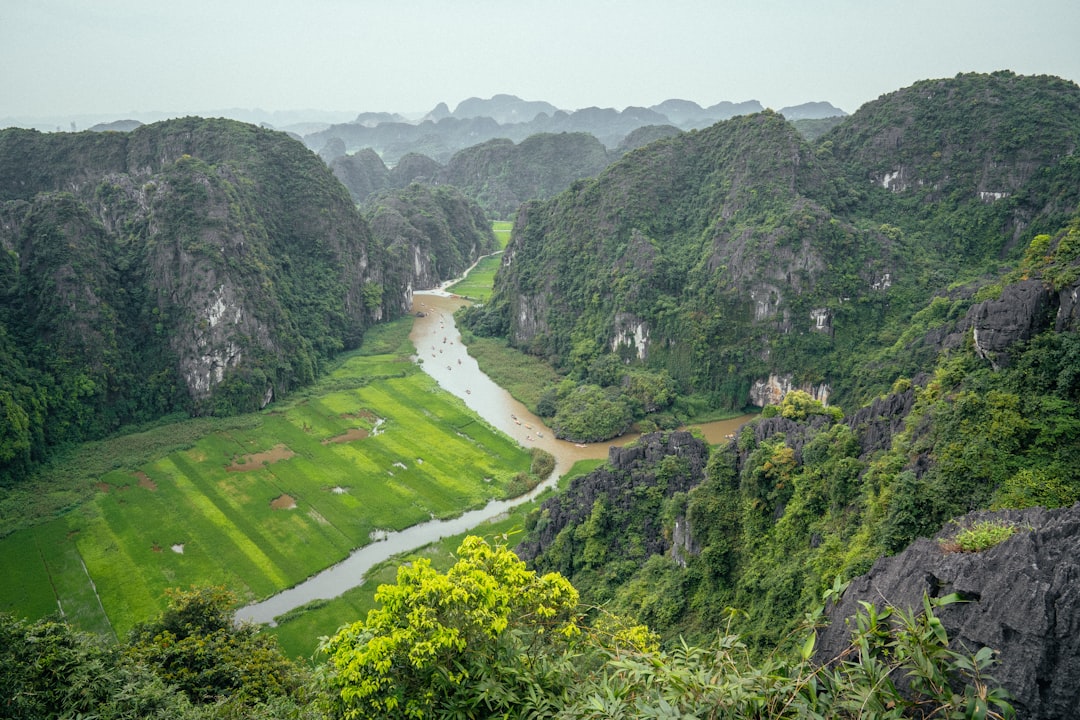
Yes — for most people. Two days, one night is the sweet spot. You’ll kayak, visit a cave, swim (weather permitting), and wake up surrounded by limestone karsts.
Expect to pay:

- $130–$180 for a solid mid-range cruise
- $250+ for luxury (larger cabins, better food, fewer passengers)
Avoid anything under $100. Corners will be cut.
Ha Long vs. Lan Ha Bay?
If you can, choose Lan Ha Bay (technically part of the same region). Fewer boats, similar scenery, quieter experience.
What It’s Actually Like
You’ll kayak through lagoons, explore limestone caves, and eat an alarming amount of seafood. Spring temperatures (20–25°C) are ideal — not too hot, usually not foggy.
Evenings are calm. People drink beers on deck and watch the sunset. It’s not a party cruise unless you book one.
Day 5–6: Sapa — Rice Terraces & Mountain Air
Sapa feels like a different country. Cooler, mistier, quieter.
From Hanoi, you have two main options:
- Sleeper bus: 5–6 hours, $25–$45, direct and surprisingly comfortable.
- Night train to Lao Cai + transfer: 8 hours total, $35–$60.
I prefer the bus. It’s faster and drops you in Sapa town.
Where to Stay
Stay slightly outside the center for terrace views. Budget: $15–$25. Mid-range boutique hotels: $40–$80 with insane mountain panoramas.
Trekking — Don’t Overpay
You don’t need a $60 hotel-organized trek.
Local Hmong women often offer guided hikes for $15–$25 per day. It’s more personal and your money goes directly to them.
Popular routes:
- Cat Cat Village (easy, but touristy)
- Lao Chai & Ta Van (better scenery, moderate difficulty)
Spring (March–April) means bright green terraces starting to fill. September is harvest gold — but spring is cooler and less muddy.
Fansipan — Worth It?
Fansipan is called the “Roof of Indochina.” You can hike (2 days) or take the cable car (around $30 round-trip).
On clear spring days, it’s spectacular. On foggy days, you’ll see… white mist. Check the forecast before spending the money.
Day 7: Back to Hanoi & Fly Out
Plan to return to Hanoi at least 4–5 hours before an international flight. Mountain roads can be unpredictable.
If you have a late departure, squeeze in:
- A Vietnamese massage ($15–$25/hour)
- Last-minute coffee shopping
- A final bowl of pho
Spring Weather: Why It’s the Sweet Spot
March and April bring temperatures between 18–25°C (64–77°F). Low humidity compared to summer. Clearer skies in Sapa.
Avoid late April national holidays (Reunification Day, April 30). Domestic tourism spikes and prices climb.
Budget Breakdown (Mid-Range Style)
- Accommodation (6 nights): $250–$500
- Ha Long Bay cruise: $150
- Sapa transport: $40–$80
- Food: $15–$25 per day
- Local transport & entry fees: $50
Total: Roughly $700–$1,200 excluding international flights.
You can absolutely do it cheaper — but don’t skimp on the cruise quality.
Practical Tech Tips for Northern Vietnam
- Get a local SIM at the airport. Viettel offers 7–10 day data packages for around $10.
- Download Grab before arrival. It works in Hanoi but not reliably in Sapa.
- Bring a power bank. Long trekking days drain batteries fast.
- Offline maps help in Sapa. Signal can drop in the valleys.
- Remote work? Read our guide on how changing tech like AI tools and hardware impacts travelers before packing your setup.
If you’re worried about luggage on overnight buses, consider a compact tracker with alarm features. We’ve reviewed options like the Pebblebee Halo on Distratech (German review available) that add peace of mind for multi-stop trips.
What I’d Do Differently
I’d spend one extra night in Sapa and one less in Hanoi if you love nature.
And I’d book a Lan Ha Bay cruise specifically — quieter water makes a huge difference.
Northern Vietnam isn’t “relaxing” in the traditional sense. It’s stimulating, flavorful, occasionally chaotic — and unforgettable.
Final Thoughts: Is 7 Days Enough?
Yes — if you move efficiently.
This itinerary balances city energy, natural wonder, and cultural immersion without feeling rushed. Spring gives you the best shot at clear skies and comfortable temperatures.
If you’re planning your Vietnam trip now, lock in your Ha Long cruise early, monitor spring weather in Sapa, and don’t overplan Hanoi. The magic there happens between destinations.
Ready to map out your flights and hotels? Start booking — and pack light. Northern Vietnam does the rest.
Frequently Asked Questions
How much does a 7-day Northern Vietnam trip cost?
Expect $700–$1,200 per person for a mid-range trip including hotels, a 2-day Ha Long cruise, transport to Sapa, food, and activities — excluding international flights.
Is spring a good time to visit Hanoi, Ha Long Bay, and Sapa?
Yes. March and April offer mild temperatures (18–25°C), lower humidity, and generally clearer mountain views compared to summer’s heat and heavy rain.
Is 2 days enough for Ha Long Bay?
For most travelers, a 2-day/1-night cruise is ideal. It includes kayaking, cave visits, meals, and sunset views without feeling overly rushed.
What’s the best way to get from Hanoi to Sapa?
The sleeper bus is fastest (5–6 hours, $25–$45) and drops you in Sapa town. The night train is slower but offers a classic travel experience.