


Hiking the Laugavegur Trail in Iceland: A Complete 2026 Beginner’s Guide
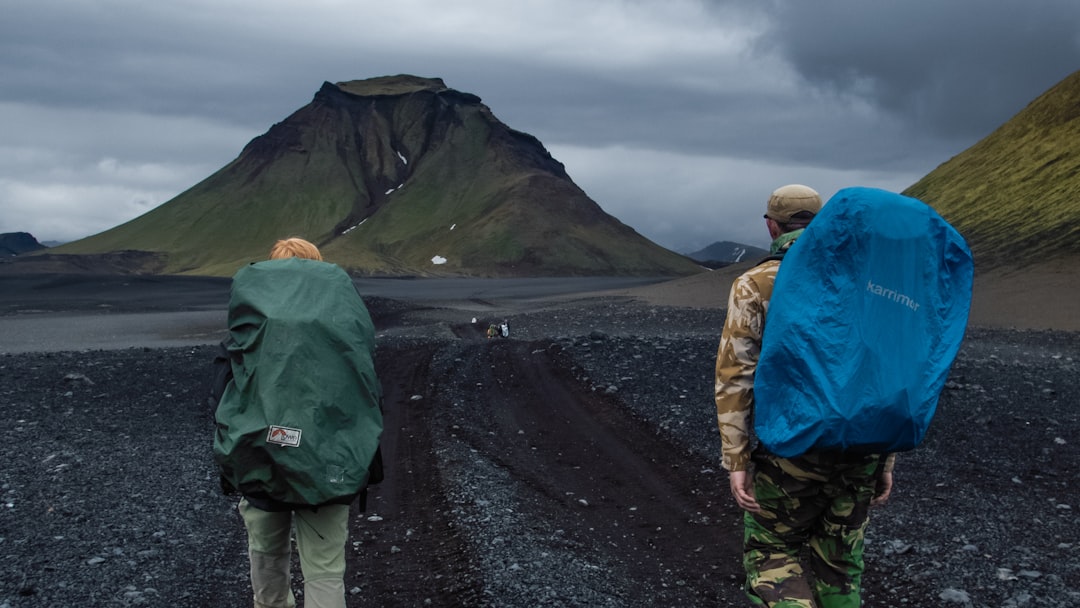
The first time I stepped onto the Laugavegur Trail, I was ankle-deep in black volcanic sand, staring at neon-green moss and distant snowfields — all within the first hour. It felt like hiking across three planets in one afternoon.
If you’re planning to hike Iceland’s most famous multi-day trek in 2026, here’s the honest truth: it’s absolutely worth it — but only if you prepare properly. This guide breaks down costs, distances, booking strategies, and the mistakes beginners make (so you don’t).
Key Takeaways
- The Laugavegur Trail is 55 km (34 miles) and typically takes 3–4 days to complete.
- Best hiking window: late June to early September (snow-free and huts open).
- Mountain huts cost ~11,000–13,000 ISK ($80–95) per night and sell out months ahead.
- Bus transfer from Reykjavik to Landmannalaugar costs ~12,000–16,000 ISK round-trip.
- No cell service for most of the trail — download offline maps before you go.
What Is the Laugavegur Trail?
The Laugavegur Trail runs 55 km (34 miles) from Landmannalaugar to Þórsmörk (Thórsmörk). Most hikers complete it in 4 days, though strong hikers can do it in 3.
You’ll cross rainbow rhyolite mountains, black deserts, steaming geothermal vents, glacial rivers, and mossy valleys. It’s Iceland in fast-forward.
Compared to alpine hikes in places like Albania’s Accursed Mountains (which we covered in our breakdown of why 2026 is a smart year for Albania), Laugavegur feels more raw and volcanic — less cozy mountain villages, more lunar landscapes.
Day-by-Day Itinerary (Beginner-Friendly)
Day 1: Landmannalaugar → Hrafntinnusker (12 km / 7.5 mi)
This is the hardest day. You climb steadily through colorful rhyolite hills and geothermal steam fields.
Expect snow patches even in July. The hut here is remote and exposed — if the weather is rough, this section can feel brutal.
Pro tip: Soak in the Landmannalaugar hot spring before starting. It’s free and the best pre-hike spa you’ll ever experience.
Day 2: Hrafntinnusker → Álftavatn (12 km / 7.5 mi)
You descend from snowfields into wide green valleys. This is where the landscapes start changing dramatically.
You’ll cross your first shallow rivers. Bring sandals or water shoes — don’t try to power through barefoot.
Álftavatn hut sits beside a lake and feels like a reward. This is many hikers’ favorite overnight stop.
Day 3: Álftavatn → Emstrur (15 km / 9 mi)
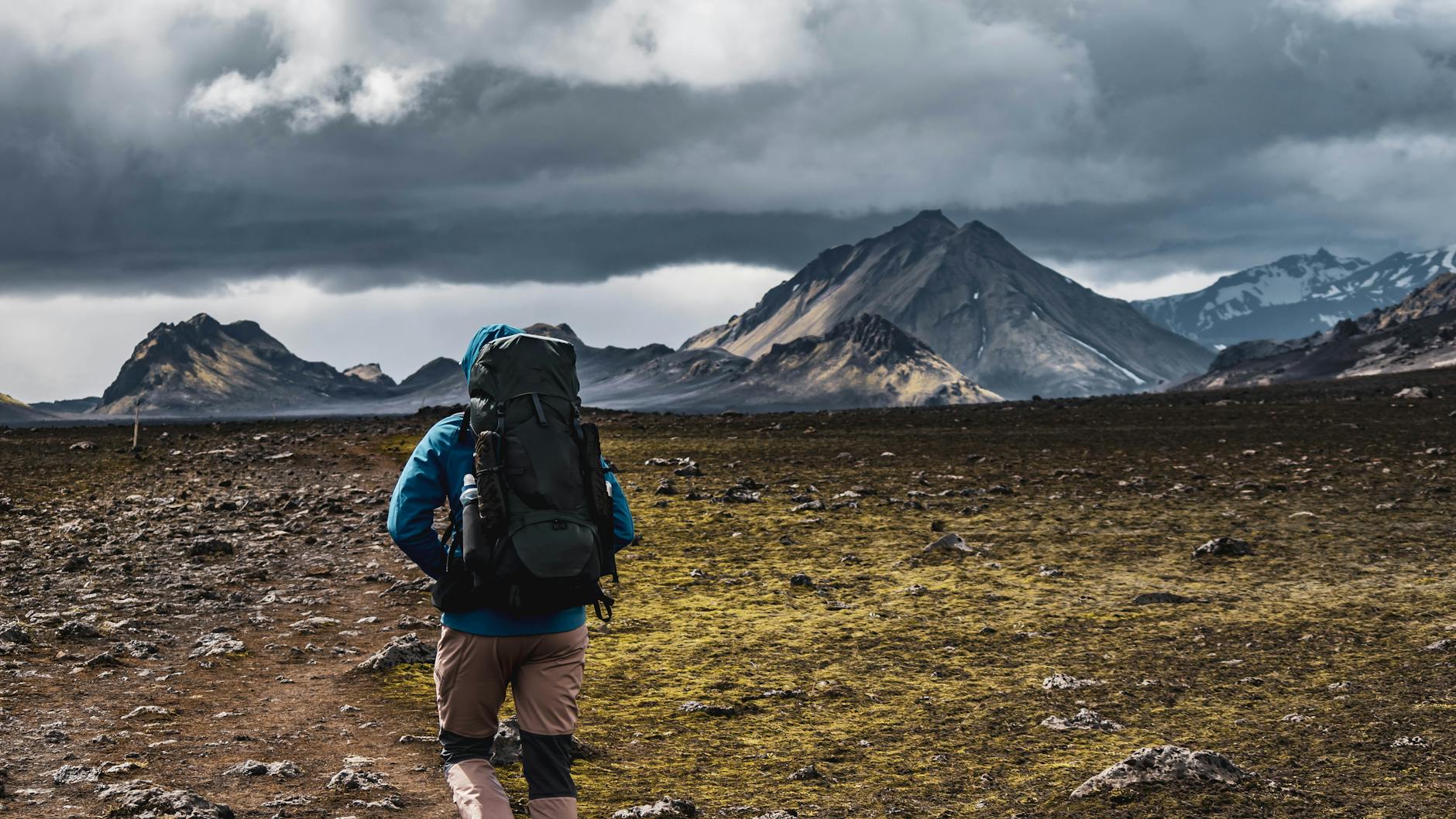
Welcome to the black sand desert.
This stretch feels surreal and exposed. Wind can be intense. You’ll cross several rivers — one of them thigh-deep depending on rainfall.
It’s not technical, but it’s mentally challenging.
Day 4: Emstrur → Þórsmörk (15 km / 9 mi)
The final day is spectacular. You descend into a lush green valley framed by glaciers.
Cross the footbridge into Þórsmörk and celebrate. There’s a small café at the Volcano Huts — yes, cold beer is available.
How Much Does It Cost in 2026?
Iceland isn’t cheap. But you can control the damage.
- Hut accommodation: 11,000–13,000 ISK ($80–95) per night
- Campsites: 3,000–4,000 ISK ($22–30)
- Bus transfer (round-trip from Reykjavik): 12,000–16,000 ISK ($85–115)
- Food (4 days, self-catered): $80–120
- Total average budget: $350–600 per person
Skip guided tours unless you’re nervous about navigation. They often cost $1,500+ and aren’t necessary for most fit beginners.
When to Hike the Laugavegur Trail
The hiking season is short: late June through early September.
July is the safest bet for stable river crossings and minimal snow. August offers slightly fewer crowds but colder nights.
Do not attempt this hike outside the official season unless you’re experienced in winter trekking. Snowstorms can hit even in early summer.
Huts vs. Camping: What Should Beginners Choose?
If this is your first multi-day hike, book huts.
You’ll carry less weight and avoid testing your tent in 50 km/h winds. Huts have shared kitchens, basic mattresses, and toilets — but no food service.
Camping is cheaper and more flexible, but Icelandic weather can humble even seasoned hikers.
Important: Book huts 4–6 months in advance via the Iceland Touring Association (FÍ). They sell out fast.
What to Pack (And What to Skip)
Weather changes hourly. Sunshine can turn into sideways rain in minutes.
- Waterproof jacket and pants (non-negotiable)
- Broken-in waterproof hiking boots
- Thermal base layers (even in July)
- Offline maps (AllTrails+ or Gaia GPS)
- Power bank (10,000–20,000 mAh)
Skip jeans. Skip heavy camera gear unless you’re committed to carrying it 55 km.
River Crossings: What Beginners Fear Most
Yes, you’ll cross multiple rivers. No, they’re not as terrifying as Instagram makes them look.
Unbuckle your backpack waist strap before crossing. Use trekking poles. Face upstream and shuffle sideways.
If water looks dangerously high, wait. Levels drop overnight when glacial melt slows.
Tech Tips for Hiking Laugavegur (Distratech Style)
This is where smart prep matters.
- Download offline maps before leaving Reykjavik — there’s little to no signal on the trail.
- Bring a European plug adapter for hut charging stations.
- Use a weather app like Vedur.is — Iceland’s official forecast is incredibly accurate.
- Turn on airplane mode to preserve battery life.
If you’re combining this hike with a Reykjavik stopover, plan at least one recovery day. Iceland’s capital makes a great contrast before heading to more relaxed European cities — like the ones in our guide to underrated Eastern European cities for shoulder season.
Common Beginner Mistakes
Underestimating wind. Wind is the real challenge, not distance.
Overpacking food. You only need 3–4 days’ worth. Keep it lightweight and calorie-dense.
Skipping insurance. Rescue in Iceland is expensive if you’re uninsured.
Not booking buses early. Return buses from Þórsmörk fill up fast in July.
Is the Laugavegur Trail Worth It?
Absolutely — if you want dramatic landscapes without technical climbing.
This isn’t a luxury trek. There are no cozy alpine inns or gourmet meals waiting at the end of each stage.
But the variety — lava fields, glaciers, neon moss, geothermal steam — is unmatched in Europe.
If you’re looking for a first serious multi-day hike that feels wild but manageable, Laugavegur is hard to beat.
Final Thoughts: Should You Hike It in 2026?
Yes — but book early and prepare properly.
Tourism in Iceland isn’t slowing down, and hut spaces won’t magically increase. Secure your accommodation by early 2026, train with a loaded backpack, and respect the weather.
If Iceland has been sitting on your bucket list, this is the hike that justifies the flight.
And when you finish — beer in hand in Þórsmörk — you’ll understand why people call it the most beautiful 55 kilometers on Earth.
Ready to plan? Bookmark this guide, lock in your hut reservations, and start breaking in those boots now.
Frequently Asked Questions
How difficult is the Laugavegur Trail for beginners?
Moderate. It’s 55 km over 3–4 days with some steep climbs and river crossings, but no technical climbing. Anyone with decent fitness and preparation can complete it.
How much does it cost to hike the Laugavegur Trail in 2026?
Expect $350–600 per person for huts/camping, buses, and food. Guided tours can exceed $1,500.
Do you need a guide for the Laugavegur Trail?
No. The trail is well-marked and manageable independently during the summer season. A guide is helpful only if you’re inexperienced or hiking early/late season.
When is the best month to hike Laugavegur?
July offers the most stable weather and safest river crossings. Late June and August are good alternatives with slightly fewer crowds.