



How Middle East Airspace Closures Could Impact Your Flight—Even if You’re Not Flying to the Region
You’re heading to Paris. Or maybe Bangkok. Or perhaps just crossing the Atlantic for a long-awaited vacation. The Middle East isn’t anywhere on your itinerary—so why would airspace closures there matter to you?
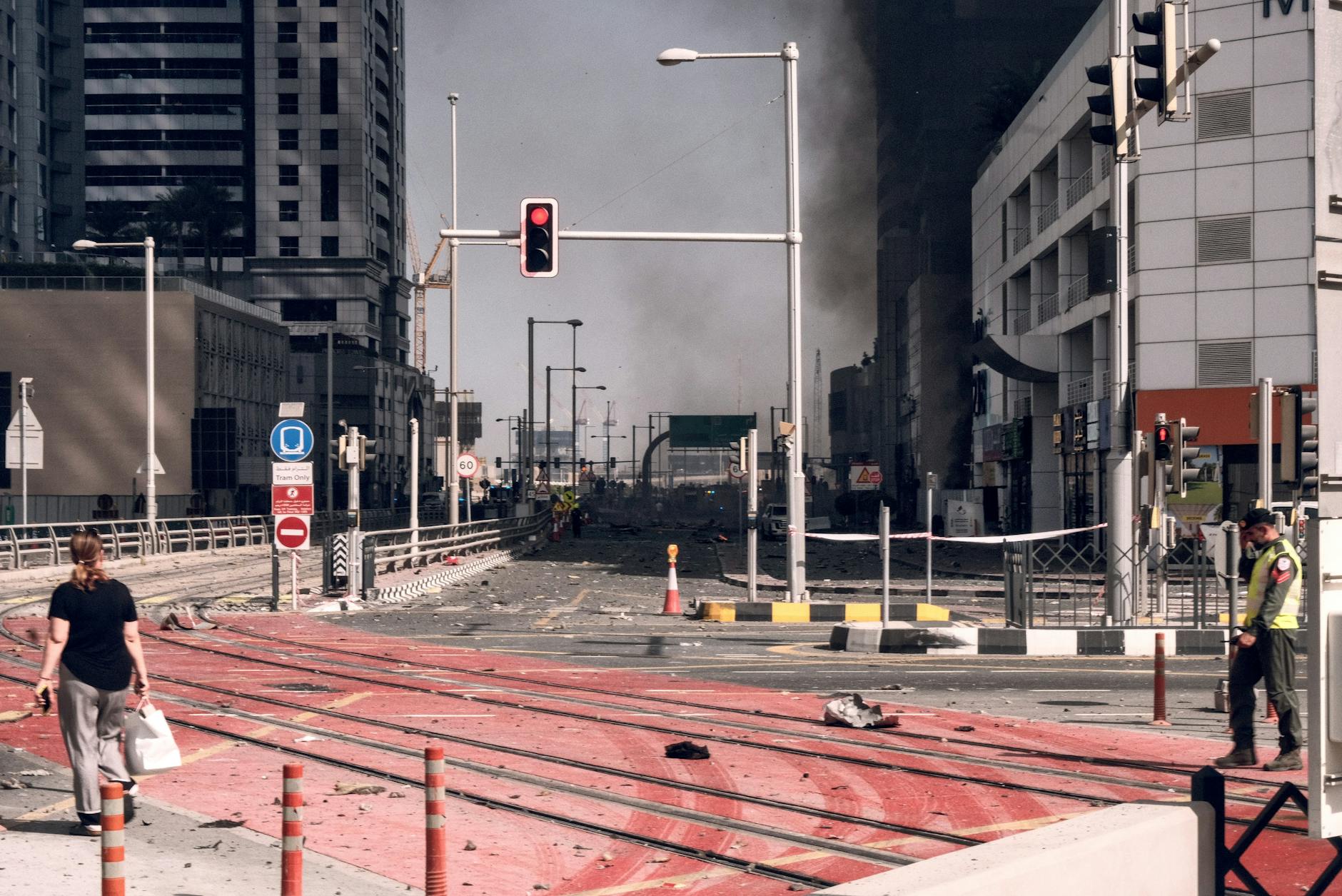
Here’s the reality of modern air travel: the skies are deeply interconnected. When airspace closes over one region—especially a strategic crossroads like the Middle East—the ripple effects can circle the globe. Flights are rerouted, travel times increase, fuel costs rise, and schedules shift in ways that may affect your journey, even if you’re flying thousands of miles away.
Before you panic-book an alternative route, let’s break down how Middle East airspace closures could impact your flight—and, more importantly, what you can do about it.
Why the Middle East Is So Important to Global Air Travel
The Middle East sits at one of the most critical junctions in global aviation. It connects Europe, Asia, Africa, and Australia, making it a central corridor for long-haul flights. Major airlines—including Emirates, Qatar Airways, Etihad, Turkish Airlines, and many European and Asian carriers—use this region as a key transit hub.
When airspace over parts of the Middle East closes due to geopolitical tensions, military activity, or safety concerns, airlines must quickly reroute flights. These adjustments don’t just affect flights landing in Dubai or Doha—they can impact:
- Europe-to-Asia routes
- North America-to-India flights
- Australia-to-Europe services
- Cargo operations that supply global goods
Because airlines carefully optimize routes for fuel efficiency and timing, even small detours can add hundreds of miles to a journey. Multiply that by hundreds of daily flights, and the operational impact becomes enormous.
Practical Tip: If you’re flying between Europe and Asia—or North America and South Asia—monitor your airline’s travel advisories in the days leading up to departure. These routes are often the first to see adjustments.
Longer Flight Times and Missed Connections
When airspace closes, aircraft must divert around restricted zones. Instead of flying the most direct path, pilots may need to take northern or southern detours. That can add anywhere from 30 minutes to several hours to your total travel time.
For passengers, this can mean:
- Extended time in the air
- Delayed arrivals
- Tight or missed connections
- Rescheduled departure slots
Long-haul flights are particularly vulnerable. A route from London to Singapore, for example, may normally pass over Middle Eastern airspace. If that corridor becomes unavailable, the aircraft might reroute over Central Asia or take a southern path via Egypt and Saudi Arabia, depending on restrictions.
Air traffic congestion can also increase in neighboring airspaces. When dozens of airlines funnel into alternative corridors, delays compound quickly.
Practical Tips:
- Book longer layovers if your route typically passes through or near the Middle East.
- Avoid the last flight of the day when possible—earlier departures give airlines more flexibility to recover from delays.
- Download your airline’s mobile app for real-time gate and schedule updates.
Even if your ticket doesn’t list a Middle Eastern stop, your aircraft’s path might still rely on that region’s airspace. It’s worth staying informed.
Higher Ticket Prices and Operational Costs
Airlines operate on razor-thin margins. When routes become longer due to airspace closures, fuel consumption rises significantly. Fuel is one of the largest expenses for carriers, and longer flight paths can mean:
- Higher operating costs per flight
- Reduced cargo capacity (to compensate for extra fuel weight)
- Schedule adjustments that affect aircraft utilization
In some cases, airlines may temporarily suspend routes if they become economically unfeasible. Over time, sustained rerouting can influence ticket prices—especially on long-haul international routes.
You might notice:
- Fewer promotional fares
- Higher prices on Europe–Asia routes
- Increased demand on alternative connecting hubs
While price hikes aren’t guaranteed, prolonged disruptions often ripple through the aviation market.
Practical Tips:
- Set fare alerts early if you’re planning travel on affected routes.
- Consider alternative hubs—such as Seoul, Tokyo, or European gateways—if traditional Middle East connections become limited.
- Use flexible-date search tools to find cheaper travel days.
Flexibility remains your greatest asset in an evolving aviation landscape.
Schedule Changes, Cancellations, and Aircraft Swaps
Airspace closures can also trigger operational reshuffling behind the scenes. Airlines may need to:
- Change aircraft types
- Reduce flight frequencies
- Adjust departure times
- Cancel certain routes temporarily
For example, if a flight requires extra fuel for a longer detour, airlines may substitute a larger aircraft capable of carrying additional fuel reserves. Alternatively, weight restrictions may reduce passenger or cargo loads.
Crew duty limits are another factor. Pilots and cabin crew can only work a certain number of hours. A longer rerouted flight may exceed those limits, forcing airlines to schedule additional crew or add technical stops.
All of this complexity increases the chance of last-minute schedule changes.
Practical Tips:
- Check your reservation 72 hours before departure and again on the day of travel.
- Ensure your contact information is updated in your booking for instant notifications.
- If your flight changes significantly, review your rights for refunds or free rebooking under your airline’s policy.
If you’re traveling for an important event—like a cruise departure or wedding—consider arriving a day early to buffer against disruptions.
What This Means for Travelers Worldwide
The key takeaway? Air travel is global infrastructure. A closure in one region doesn’t stay contained there.
Even domestic travelers may feel indirect effects. Aircraft scheduled for international long-haul routes often rotate through domestic networks. If a long-haul flight is delayed abroad, that aircraft may arrive late for its next domestic segment.
Cargo disruptions can also influence supply chains, which in turn affect airport operations and logistics.
However, it’s important to keep perspective. Airlines are highly experienced in navigating geopolitical and environmental challenges. From volcanic ash clouds to pandemic restrictions, aviation has repeatedly adapted under pressure.
Modern aircraft have sophisticated navigation systems, and global air traffic management organizations coordinate closely to maintain safety and efficiency. While delays can be frustrating, safety remains the top priority.
Practical Tips for Peace of Mind:
- Purchase travel insurance that covers delays and cancellations.
- Keep essentials (medication, chargers, toiletries) in your carry-on.
- Monitor reputable news sources rather than social media speculation.
- Stay calm and patient—airline staff are navigating complex logistics.
Preparation transforms uncertainty into manageable inconvenience.
How to Stay Ahead of Potential Disruptions
If you’re planning international travel in the coming months, a proactive approach makes all the difference.
- Research Your Route: Look at the general flight path between your origin and destination. Many aviation tracking websites display typical routing patterns.
- Choose Reputable Airlines: Major international carriers often have more flexibility and resources to adapt quickly.
- Book Direct When Possible: Fewer connections mean fewer points of vulnerability.
- Consider Stopover Strategy: Intentionally planning a stopover in a stable hub can reduce risk compared to ultra-tight connections.
Most importantly, build flexibility into your mindset. Travel has always involved a degree of unpredictability—that’s part of the adventure. The goal isn’t to eliminate uncertainty, but to navigate it smartly.
Conclusion: Stay Informed, Stay Flexible, Keep Traveling
Middle East airspace closures may sound distant and abstract—but in today’s interconnected aviation network, they can influence flights across continents. From longer routes and higher fares to schedule changes and missed connections, the effects are wide-reaching.
The good news? Travelers who stay informed and flexible rarely get caught off guard. Monitor your route, allow buffer time, and choose airlines with strong operational networks. A little preparation goes a long way.
Air travel remains one of the safest and most resilient industries in the world. While global events may reshape flight paths, they don’t have to derail your plans.
Planning a trip soon? Stay proactive, check your airline updates, and travel confidently—wherever your journey takes you.